Digital nomad visas were never designed as citizenship programs, but for many globally mobile professionals, they have become the first deliberate step toward something more durable. What begins as a year of legal residence often turns into a longer conversation about stability, rights, and long-term belonging. As countries refine their remote work visa frameworks, a pattern is emerging. The most valuable programs are not the loudest or fastest, but the ones that integrate cleanly into existing residency systems.
For digital nomads wanting to trade short-term flexibility for legal continuity, these visas are a precious key to unlock time. Time to establish residence, understand local systems, and decide if a place works beyond the honeymoon phase. In a world where mobility rules shift quickly, keeping options open matters. Citizenship, when it comes, is earned through consistency, presence, and patience.
For those thinking beyond the next border run, digital nomad residency is less about escape and more about building a sturdy Plan B.
Read More Like This: The Road Less Traveled: A Journey into Second Citizenship and Foreign Residency
Why Digital Nomad Visas Are Becoming Long-Term Migration Gateways
From temporary permission to strategic foothold
Digital nomad visas were introduced as stopgap instruments. Governments wanted foreign income without long-term obligations, and remote workers wanted legal clarity without commitment. That balance is currently changing.
What many nomads discovered is that, many times, a visa designed for “temporary stay” plugs directly into a country’s existing residency framework. Once someone is legally registered, paying rent, using healthcare, and renewing permits, the line between visitor and resident starts to blur. Actually, most digital nomads chase flexibility, wanting work that stays portable and commitments that stay light. But sometimes they find a country or a city so adjusted to their priorities that it makes them second guess the constant mobility they might have had in mind. Cities where coworking spaces start becoming a place to see friends, where informal networks emerge around fitness classes, where shared routines are easy and make it easier to imagine staying longer without feeling stuck. In those cases, digital nomad visas have become low-friction entry points into systems that value continuity, even if they weren’t originally designed with that goal.

This matters because traditional migration pathways tend to front-load commitment. Employment sponsorship, investment thresholds, or family ties usually come before residency. Digital nomad visas reverse that order. They allow individuals to test a country first, then decide if deeper roots make sense. For globally mobile professionals, that is an appealing sequence.
Over time, the visa itself becomes less important than what it unlocks: access to local bureaucracy, the ability to switch status, and a clean residency record turn a one-year permit into something closer to a strategic foothold.
The shift from mobility to permanence
The early digital nomad narrative gravitated around motion. Short leases and maximum flexibility were not side effects, but the goal. As visa programs matured and travel normalized, many nomads stopped optimizing for movement and began optimizing for continuity.
When it happens, this shift comes from practical reasons. After a few years, tax exposure is harder to ignore. Healthcare, schooling, community, and legal stability start to matter more. What once felt freeing can begin to feel fragile once renewals and tradeoffs replace the excitement of being new somewhere. That moment sometimes arrives after the first year. Some people decide it is time to move on; others realize that staying brings more benefits than drawbacks for how they want to live. Digital nomad visas make room for that insight to arrive without forcing a decision too early.
Digital nomad visas sit at the intersection of these pressures. They preserve the income independence nomads value while offering a legal base that can compound over time. Residency days start counting while local ties form and roots start poking into the ground.
For some, this is accidental. For others, it is deliberate. The visa is not just a permission slip to stay longer: it might become the first chapter in a longer residency story, one that can, in the end, support permanent residence or citizenship for those who choose to stay the course.
What “Path to Citizenship” Actually Means for Digital Nomads
Residency accumulation, not citizenship promises
Many digital nomads don’t really understand the phrase “path to citizenship” clearly. After all, it is often used loosely in conversations about digital nomad visas, but the legal reality is more specific. These visas are residency instruments. They provide lawful presence and, in some cases, the ability to renew or transition into other permits. They do not promise nationality, and they are not designed to shortcut established naturalization systems.
In practice, citizenship eligibility begins with lawful residence that accumulates overtime. More than the label of the visa, it matters whether time spent under that status counts toward permanent residency or naturalization if the holder later transitions into another permit. In some countries, digital nomad residence can be converted cleanly. In others, the clock resets if permits lapse or change category.
This distinction is critical. Marketing language sometimes collapses the difference between presence and residence, or between renewal and progression, making them all sound like a blob of indistinguishable concepts. For digital nomads thinking beyond the short term, the real question is not “Does this visa lead to citizenship?” but “Does this residence integrate into the legal timeline if I stay compliant and continuous?”
Citizenship, where it is possible, is the result of sustained legal residence over time, not a shortcut built into a visa.
Naturalization timelines and legal continuity
Every citizenship system is built around time, but not all time counts equally. Naturalization clocks usually depend on uninterrupted legal residence, physical presence requirements, and consistency of status. Gaps, overstays, or frequent permit changes can slow or undo progress, even after several years in a country.
Digital nomad visas can support continuity if they are renewed properly and followed by eligible residency categories. They can also create false confidence if holders assume that any time spent in a country automatically advances them toward citizenship. It does not. Legal continuity matters more than duration alone.
Timelines vary widely: some countries allow citizenship applications after five years of residence, others after ten or more. Language requirements and discretionary review are common. None of these steps are waived simply because someone entered under a remote work visa.
For digital nomads considering long-term residence, the practical task is understanding how residence is counted and how to avoid interruptions. Citizenship is not the default destination, but for those able to stick to consistency, it can become a logical endpoint.
10 Digital Nomad Havens That Can Lead Beyond Residency
(Each country as an H3, consistent structure)
Portugal
Portugal continues to attract digital nomads who want Europe without the constant friction. The country’s digital nomad framework, commonly associated with the D8 route, gives remote workers a lawful way to settle in for more than a season and interact with the residency system from the inside.
Portugal has been attractive because legal residence can accumulate toward naturalization eligibility over time, making it possible for some residents to progress over time if they remain compliant and present.
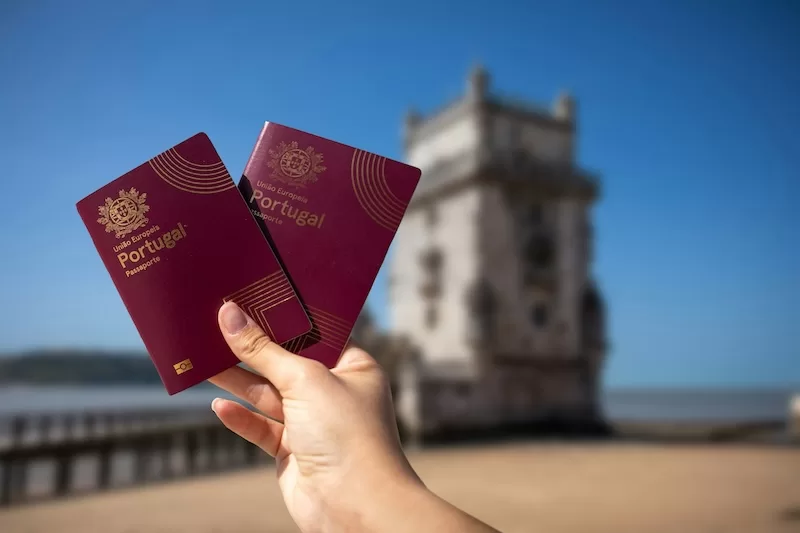
But this is not a promise, and it is not automatic. The story is evolving, and policy signals around longer timelines have made Portugal a useful reminder that citizenship frameworks can change even when residency remains accessible. Multiple credible outlets reported proposals in 2025 to lengthen the naturalization timeline (often described as 10 years for most applicants, with different rules for CPLP nationals).
Lifestyle-wise, the appeal goes beyond Lisbon and Porto. Smaller cities and coastal towns have become viable bases for people who want daily life steady instead of flashy, supported by a strong backbone of amenities and an expat ecosystem that understands the ins and outs of Portuguese bureaucracy.
Spain
Spain’s digital nomad visa sits within a broader effort to attract international talent and not just tourists passing through. It is part of the Startups Law ecosystem and is framed as “international telework.” It’s designed for remote workers tied to non-Spanish employers or clients, with a formal pathway into residence status. For remote workers, it offers a structured way to live legally while keeping income tied abroad, with clear administrative expectations.
Spain is a useful case study for separating residency from citizenship. The country’s naturalization rules are well established and generally long, which makes it unlikely that anyone arrives expecting quick outcomes. Naturalization by residence is typically 10 years for many applicants, with well-known exceptions for certain nationalities and circumstances. The Spanish government’s “nationality by residence” guidance is the right anchor source.
Instead, Spain appeals to people who are comfortable letting time do the work. Those who stay long enough, under the right conditions, may eventually qualify. Those who do not still benefit from a stable base in a country where everyday life is designed for residents rather than visitors.
Spain’s nomad hubs tend to split into: big-city career energy (Madrid, Barcelona), coastal lifestyle bases (Valencia, Málaga), and islands for year-round outdoors (Canaries). The ecosystem is mature, which matters for people who want community without having to build everything from scratch.
Greece
Greece attracts digital nomads for reasons that are hard to quantify but easy to feel. The combination of sea-and-city living, islands for seasonal resets, and a strong café culture makes long stays appealing, especially for people who want variety without crossing borders every few weeks.
Greece’s digital nomad framework provides a legal entry point, but the long-term story hinges on continuity. Greece is useful for clarifying that citizenship conversations many times start with continuity: years of legal residence, documented ties, language integration, and clean records. The Greek Ministry of Interior material commonly cited for naturalization puts the baseline around 7 years of lawful residence, with specifics and conditions.
Athens has the densest long-term expat services; Thessaloniki often appeals to people who want “city, but not capital-city.” Islands can be dreamlike but are logistically harder for long-stay bureaucracy and winter living. For nomads who stay, Greece eventually becomes less about movement and more about building routines that fit local character.
Italy
Italy shows how “digital nomad visa” is evolving from a tourism-adjacent idea into a more formal residence category. Its digital nomad/remote worker visa is now clearly published through official consular channels, positioned for non-EU nationals doing highly qualified remote work.
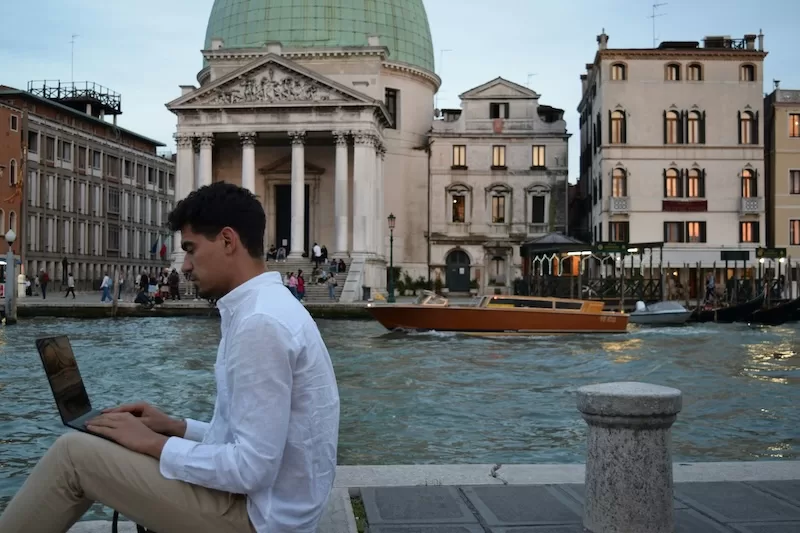
Italy is also where expectations tend to reset. The path from residence to citizenship is long and procedural, and nothing about remote work shortens it. The widely cited baseline is 10 years of legal residence for many applicants (with exceptions depending on situation).
Despite all this, for those willing to navigate regional bureaucracy and uneven administration, long-term residence can lead to a wonderfully rewarding life. Italy’s draw is sensory and lifestyle driven: food culture, walkable town centers, and regional identities that look, taste and feel like separate countries. The tradeoff is patience, which Italy demands in nearly every system it operates.
Mexico
Mexico is a digital nomad haven without a single branded digital nomad visa. Many remote workers enter through temporary residency routes that predate the nomad trend, then decide over time how permanent they want their stay to be. It’s important to note that, for temporary resident visa economic solvency, financial requirements vary by consulate, and published thresholds can differ by location and currency.
Residency can be renewed and eventually converted under existing rules, making Mexico a place where the citizenship-by-naturalization pathway is typically framed around years of legal residence and documented presence, not speed.
Mexico City, Oaxaca, and coastal hubs (Riviera Maya, Puerto Vallarta area) each offer different versions of expat life. Mexico is also a strong “Plan B” story because you can build a full life there without needing EU-style integration goals.
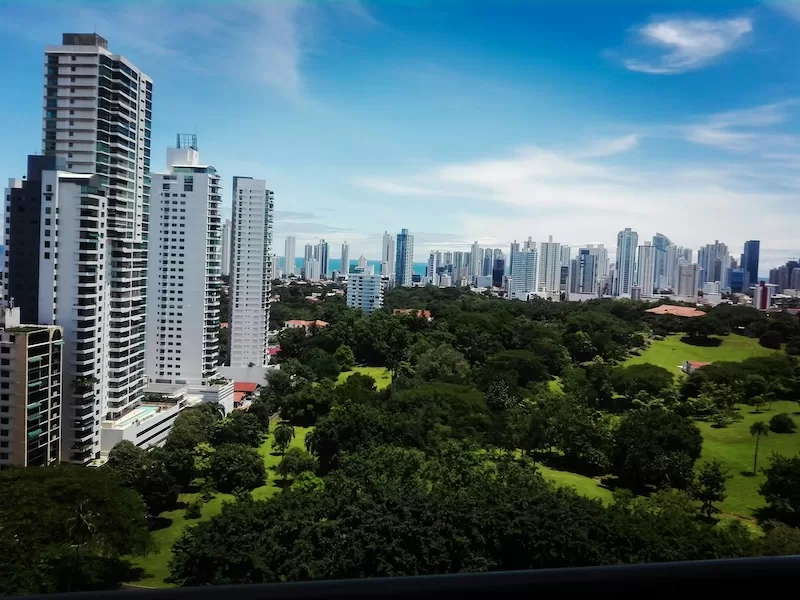
Panama
Panama is unusually direct about what its remote work visa is and is not. Panama’s Short-Stay Visa as a Remote Worker is explicitly created via Executive Decree No. 198 (2021), with a defined stay window and renewal structure. Panama’s model is honest about its intent: attract spend and talent without immediately turning that into permanent migration.
That clarity makes Panama useful for those who want the ability to choose without ambiguity. Those who decide to stay longer must look to other residency categories, which follow their own timelines and conditions. Obtaining the Panamanian citizenship by naturalization is one of the most common ways to become a national, but it’s important to note that citizenship discussions frequently revolve around multi-year permanent residency (at least 5 consecutive years of permanent residency) as the baseline for eligibility, with specific conditions.
Lifestyle-wise, Panama offers a split personality. Panama City handles infrastructure, finance, and connectivity, while interior and coastal areas like Boquete and other beach areas play the lifestyle card. This is also a “cross-border finance” adjacent destination for nomads who want regional connectivity.
Colombia
Colombia’s digital nomad visa is one of the clearer examples of how temporary residence can fit into a broader migration framework. It lets remote workers live in the country while earning income from abroad.
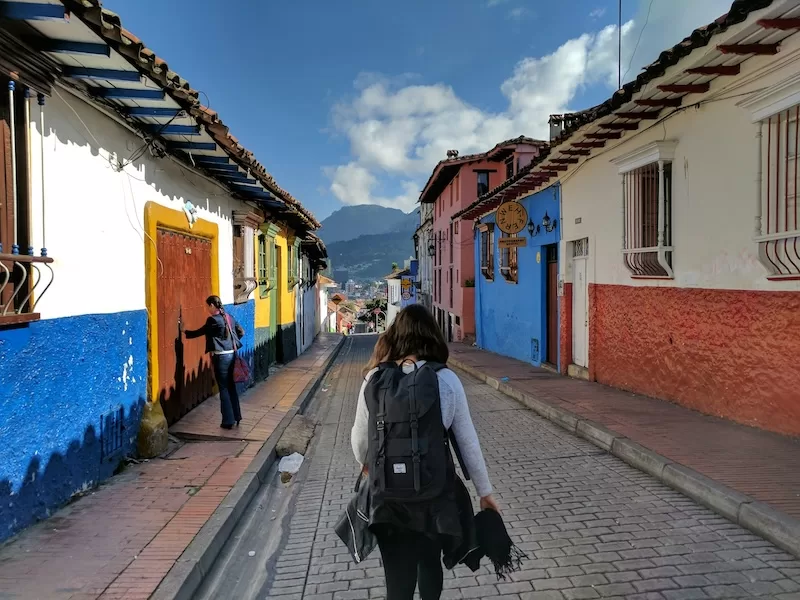
For those who stay, what matters is continuity. Temporary residence is meant to be the first step, but with renewals, time in the country can count toward permanent status, as long as presence requirements and paperwork are kept in order. This is excellent for explaining “path to citizenship” in plain terms: naturalization eligibility is tied to domicile/residence continuity (commonly cited as five years for many applicants, with shorter timelines in certain family situations).
Medellín and Bogotá continue to draw long-term residents who arrive for cost of living and stay for community and culture. They each attract different nomad personalities (climate and pace vs. big-city breadth). But the main story is value plus culture, with a real warning label around doing your homework on neighborhoods and paperwork.
Costa Rica
Costa Rica’s digital nomad program is one of the more widely marketed in the Americas, with clear tourism-plus-remote-work positioning and a strong lifestyle hook (nature access, wellness culture).
Long-term residence and eventual citizenship are possible under Costa Rica’s broader immigration framework, but they require sustained legal presence and integration and not just enthusiasm for the program itself. It’s not uncommon to look at around 7 years as a naturalization horizon for many applicants, with variation by personal circumstances.
The expat ecosystem is well developed, particularly outside major cities, and staying longer tends to hinge on how well someone adapts to local systems and communities and not how quickly or enthusiastically they arrived.
Brazil
Brazil offers a formal digital nomad category and one of the more clearly defined naturalization timelines in the region, which makes it interesting for readers thinking long term. The country has a formal digital nomad category (VITEM XIV / RN 45), with official consular guidance spelling out the remote-work framing and constraints (foreign-sourced work is central). The visa allows remote workers to live in Brazil while continuing to work for foreign clients or employers. Time spent under this status may count toward longer-term eligibility under Brazil’s general immigration framework.
At the same time, visas in Brazil are issued at the discretion of the state. Approval, renewal, modification, or cancellation can depend on shifting national priorities, and prior authorization does not create a guarantee of future status. Even well-documented applications remain subject to government review at each stage.
Brazil is not a frictionless place to live. It is a strong “big country, many lives” narrative: São Paulo for career density, Rio for lifestyle magnetism, Florianópolis for a popular “work + beach” rhythm. The practical lens: language, bureaucracy, and understanding what “daily life” means outside tourist Brazil. Deep immersion is not only recommended, but necessary.
Georgia
Georgia became a nomad favorite largely because of generous stay rules for many nationalities and the earlier “Remotely from Georgia” project, which granted nationals of 95 countries the opportunity to work remotely from Georgia and was originally tied to a specific moment in global travel policy.
Georgia is a case study in how “digital nomad haven” is sometimes policy, sometimes practice, sometimes both. Generous stay allowances and a low barrier to entry made it easy for remote workers to remain long enough (up to 365 days) to consider residency options. Citizenship, however, sits much further down the line and follows a traditional, time-based framework. In Georgia, adults can apply for citizenship after living in the country legally for ten straight years. Most applicants are expected to show basic knowledge of the Georgian language, some understanding of the country, and a practical tie to Georgia, such as a job, property, or business activity.
Georgia works best for people who value flexibility at the front end and are comfortable navigating legal distinctions if they stay longer. Tbilisi is the center of gravity: cafés, coworking, a big mix of founders, creatives, and long-stayers. The broader appeal is cost structure plus culture, with the practical reminder that long-term stability depends on the exact legal status you hold, not the vibe.


Read More Like This: Republic of Georgia e-Visa: Digital Nomad Visa
Clarity vs Lifestyle Appeal Matrix
Lifestyle appeal can determine where people want to land first, but clarity of processes is what determines where they actually want to stay for the long run.
| Clarity of Long-Term Progression | Lifestyle Appeal | Countries | Notes |
| High | High | Spain, Italy | Predictable residency and citizenship frameworks paired with environments built for real, everyday life. Best for those comfortable with long timelines and formal systems. |
| High | Moderate | Brazil, Colombia | Clear legal progression, but lifestyle fit depends on language comfort, bureaucracy tolerance, and regional differences. Strong for deliberate planners. |
| Moderate | High | Portugal, Mexico | Extremely livable and popular with nomads, but long-term progression requires closer attention to policy shifts and administrative consistency. |
| Moderate | Moderate | Greece, Costa Rica | Solid quality of life with established citizenship frameworks, though the bridge from nomad residence to permanence is less direct. |
| Low | High | Panama, Georgia | Easy entry and strong lifestyle appeal, but long-term outcomes require intentional program changes and careful sequencing. |
Countries with clear, step-by-step residency systems normally work better over time than those that focus mainly on launching attention-grabbing visas. Entry is easy to market. Long-term progression depends on structure.
Comparing Timelines: Fastest vs Most Stable Routes
The comparison between fastest and most stable routes is ultimately a false binary. Speed and stability don’t usually travel together, and optimizing for one almost always changes the nature of the outcome. Let’s take a closer look at the way these factors influence each other.
Short residency clocks versus the practical value of the passport itself
Some countries offer faster paths to citizenship, which can sound attractive if you are used to thinking in timelines and efficiency. What many times gets overlooked is what that citizenship actually gives you once you have it.
Passports differ less in status than in how they work. Citizenship earned through longer, well-established processes mostly comes with wider visa-free access, clearer rights to return, and a stronger sense of permanence. These systems are built to last, not just to move people through quickly.
Faster routes can still be useful, especially for regional travel or personal ties, but they tend to come with limits. Global access may be narrower, and policies can shift more easily. In some cases, speed also means stricter presence rules or less room for mistakes.
For digital nomads thinking long term, the real choice is deciding what kind of citizenship will matter most years down the line. A quicker passport saves time. A stronger one saves friction over a lifetime.
This distinction matters more as governments recalibrate post-pandemic policy. Many states now treat remote workers as low-impact residents who contribute economically without displacing local labor. Residency access remains relatively open, while citizenship frameworks grow more cautious. The signal is clear: staying legally is easier than becoming a citizen, and stability increasingly comes from systems that value time instead of speed.
Tradeoffs between speed, lifestyle, and bureaucracy
Every country balances speed and rules differently. Faster paths sometimes require a great deal of effort and attention early on. Slower ones take patience because they do look for consistency over purely time. Lifestyle matters just as much. A country can offer a quick timeline but be difficult to live in or offer a great day-to-day life while asking for long administrative commitments.
Here’s where digital nomads have an advantage. They can spend time in a place before committing. Problems arise when one factor is treated as the only one that matters. Speed without livability leads to burnout. Lifestyle without legal clarity creates instability.
The most permanent outcomes come from compatibility, not picking the quickest clock. Choosing a country where daily life is pleasant, the residency system is clear, and the timeline fits personal tolerance normally leads to better long-term results than just chasing whatever the fastest option is on paper.
What Digital Nomads Should Consider Before Committing Long-Term
Tax exposure creep
For many digital nomads, tax exposure builds gradually as stays get longer and temporary arrangements begin to look permanent. What starts as a year of legal residence can lead to assumptions by local authorities about habitual residence, especially when renewals, leases, or local registrations begin to add up.
The key point is not to fear taxes, but to understand the difference between short stays and long-term presence. Time spent in a country, residency status, and where income comes from can all matter. Digital nomad visas don’t automatically settle these questions, and each country draws the line differently. Knowing when interest turns into obligation is part of planning ahead.
Physical presence realities
Many digital nomads overlook how time spent on the ground affects long-term options. Residency renewals, permanent status, and citizenship generally depend on meeting minimum presence requirements each year. Constant travel or treating a country as a base of sorts can break that continuity. Over time, systems tend to favor people who are, for a fact, definitely there. Access to healthcare, local registrations, and even renewal decisions are key to proving regular presence, not occasional visits. For nomads used to full flexibility, this can be an adjustment. The focus shifts from where it is possible to stay to where it makes sense to show up consistently.

Exit flexibility
Long-term residence does not mean staying forever, which is why exits still matter. Plans change. A job or client may pull you elsewhere, family needs can shift, healthcare or cost structures may stop making sense, or visa and tax rules can tighten without much warning. Sometimes the change is external. Other times, it is simply personal.
Some residency statuses end cleanly if they are not renewed. Others require formal steps to close out, and skipping those steps can create problems later. Property ownership, business ties, or missed deregistration can make departures harder than expected. For digital nomads, it helps to think about exits early, even when plans feel open-ended. Being able to leave a country cleanly, without penalties or loose ends, is what keeps long-term residence from becoming a burden. Real flexibility comes from knowing how to step away when needed, not from avoiding commitment altogether.
Read More Like This: The Ultimate Guide to Becoming a Successful Digital Nomad
Digital Nomad Visas as a Strategic Plan B
Why optionality matters more than urgency
Digital nomad visas are often framed as lifestyle perks or short-term solutions, but the truth is they ultimately let people stay legally in a country without forcing big decisions right away. In a world where immigration rules change and assumptions expire, having that breathing room matters.
When people feel rushed, they make narrow choices. They commit to programs they barely understand or lock themselves into plans they are not ready to maintain. A digital nomad visa works in the opposite way. It lets someone enter a system, see how daily life feels, and learn how the rules work before deciding what comes next.
For example, a digital nomad might spend a year living legally in a country, renting long term, setting up healthcare, and understanding tax exposure without committing to permanent residency. Another might use that time to test if the lifestyle fits, while keeping the option to leave cleanly if work, family, or finances change.
A strong Plan B is not about escaping one place for another: it’s about widening the set of realistic options. Digital nomad visas help by keeping doors open and not pushing people toward a single outcome too early.
Citizenship as a long game
Citizenship, if it comes into play at all, sits far down the timeline. It’s not really the goal of a digital nomad visa, and it’s also not the reason most people arrive in a new country. Usually, it only becomes relevant after years of legal residence, multiple renewals, and ultimately a deeply personal decision to stay put.
Looked at this way, citizenship is not something to chase. It tends to appear once life is already established. Immigration systems reward consistency more than intention, and timelines reflect that reality. For many people, long-term or permanent residence provides stability well before citizenship is even necessary.
In practice, this might mean spending several years renewing a residency permit, building local routines, and meeting presence requirements without thinking about a passport at all. Only later does citizenship become an option worth considering.
Treating citizenship as a long game lowers pressure and leads to better decisions. It shifts attention to daily life, compliance, and fit, instead of distant milestones. For those who decide to settle down, citizenship often becomes a natural extension of residence and not a speculative target.
Key Takeaways
Q1. Does a digital nomad visa count toward citizenship?
Sometimes. A digital nomad visa is usually a residency permit, and time may count toward future eligibility only if it integrates into the country’s formal residency system.
Q2. How long do I need to live in a country before I can apply for a second passport?
Most countries require several years of continuous legal residence, often five to ten. Physical presence, compliance, and integration tends to matter as much as the timeline itself.
Q3. Can I switch from a digital nomad visa to permanent residency?
In some countries, yes. Others require a category change that may reset the residency clock, which makes the structure of the local system more important than the visa label.
Q4. Which digital nomad visas are best for long-term expat life?
Visas tied to clear residency ladders tend to work better over time than those designed mainly for short stays. Stability commonly matters more than speed.
Q5. What happens if digital nomad visa rules change mid-residency?
Changes typically affect renewals or new applicants. Staying compliant gives people time to adjust or change status if needed.
Q6. Do I need to stay in the country full-time to keep my residency valid?
Often, yes to some degree. Most long-term statuses include minimum physical presence requirements that become more important over time.
Q7. Is citizenship the only meaningful long-term outcome?
No. For many expats, permanent or long-term residence provides sufficient security and flexibility without pursuing a passport.
Thinking Long Term Without Locking Yourself In
Digital nomad visas were never meant to answer every question about where to live, work, or belong. But they do offer something most people find very useful: they create lawful room to stay long enough for real life to rise to surface. Not the first month version of a country, not the honeymoon phase, but the one that includes routines, paperwork, traffic, stress, and the parts of daily life that don’t fit into a highlight reel.
Across the countries explored here, we can see the fastest routes are rarely the most forgiving. The most stable systems move slowly, but they reward consistency and patience. Lifestyle draws people in, but it is legal clarity that ultimately determines who cares to stay long enough to put down roots. For digital nomads, the advantage is not choosing perfectly at the start, but being able to adjust without breaking continuity.
A strategic Plan B works by widening options over time. Digital nomad visas sit comfortably in that role. They allow people to live legally, experience firsthand how a country works for them, and decide what comes next with better information than they had on arrival.
Citizenship, where and when it becomes relevant, is not the destination of this journey. It is a possible outcome of years spent showing up, complying, and choosing to stay. For many, long-term residence is enough. For others, the door may open further. Either way, the value lies in having a system that can support more than one future without forcing a decision too soon.
If you want to keep thinking through these questions as policies evolve and new pathways emerge, Escape Artist’s newsletter tracks the shifts that matter. Subscribe now and stay in the loop.
About the Author
Contact Author
"*" indicates required fields
Stay Ahead on Every Adventure!
Stay updated with the World News on Escape Artist. Get all the travel news, international destinations, expat living, moving abroad, Lifestyle Tips, and digital nomad opportunities. Your next journey starts here—don’t miss a moment! Subscribe Now !
Digital nomad visas were never designed as citizenship programs, but for many globally mobile professionals, they have become the first deliberate step toward something more durable. What begins as a year of legal residence often turns into a longer conversation about stability, rights, and long-term belonging. As countries refine their remote work visa frameworks, a pattern is emerging. The most valuable programs are not the loudest or fastest, but the ones that integrate cleanly into existing residency systems.
For digital nomads wanting to trade short-term flexibility for legal continuity, these visas are a precious key to unlock time. Time to establish residence, understand local systems, and decide if a place works beyond the honeymoon phase. In a world where mobility rules shift quickly, keeping options open matters. Citizenship, when it comes, is earned through consistency, presence, and patience.
For those thinking beyond the next border run, digital nomad residency is less about escape and more about building a sturdy Plan B.
If you'd like to read the full story, simply enter your email to subscribe to our newsletter.
For even more expert insights, unmissable resources, and exclusive invites, explore our premium subscription offers here.
OR
Already a Subscriber? Click here to login
Subscription required
You've reached your limit of free articles. For full access to Escape Artist, and all of our insights on travel, moving abroad, and the digital nomad life, click here to Subscribe.
Already a Subscriber? Log in here