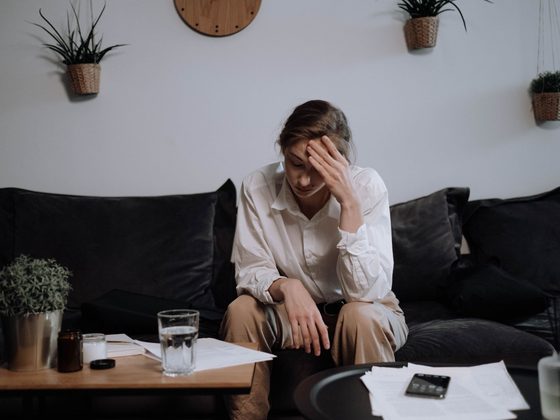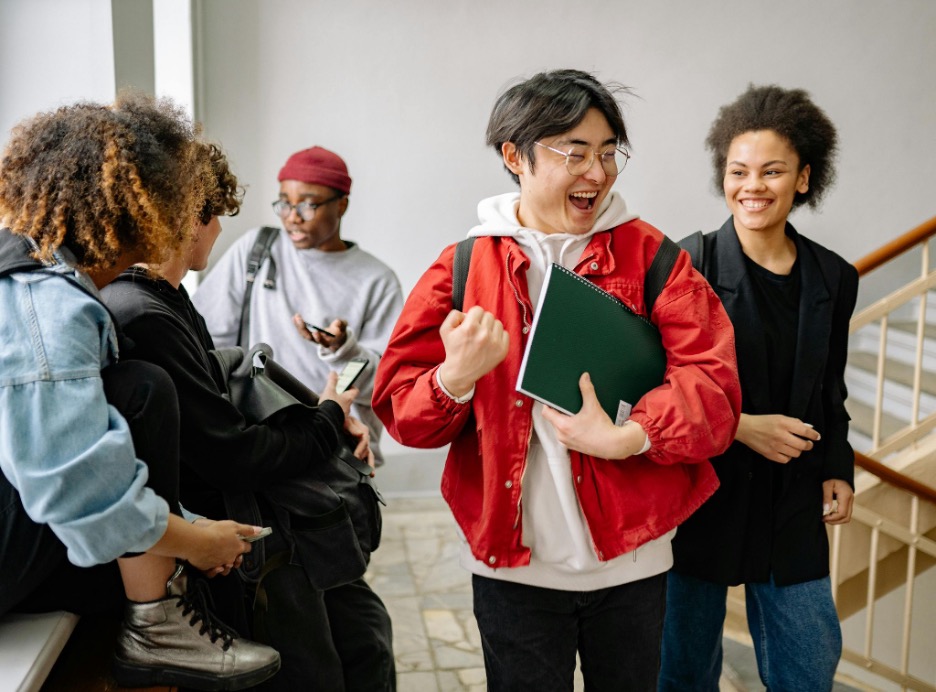
There’s a moment most students don’t expect. It doesn’t happen when the acceptance letter arrives or when the plane lands. It usually comes later. A student stands in a grocery store, unable to read half the labels, wondering why everything feels slightly unfamiliar. Not wrong. Just different. That quiet discomfort is where studying abroad actually begins.
For many, the idea of leaving home for another country sounds simple and exciting. New culture, new people, a new version of self. But the reality is more complex. It is not just about going somewhere else. It is about seeing yourself from a distance, and not always feeling comfortable with what you discover.
The Romantic Version vs the Real One
Universities often present a polished image of studying abroad. Photos of students laughing in cafés in Paris, walking through campuses in cities such as Barcelona, Berlin, or Amsterdam. These moments exist, but they are only part of the story.
Students from programs such as Erasmus+ or exchanges with institutions like University of Amsterdam or University College London often describe something more nuanced.
They mention:
- Feeling invisible in fast moving classroom discussions
- Missing small routines from home more than big celebrations
- Realizing that language fluency does not mean understanding humor or tone
This is part of what to know before studying abroad. It is not negative. It is simply real.
Another detail that rarely appears in promotional materials is how quickly expectations adjust. During the first weeks, everything feels new and intense. By the second or third month, routine settles in. The city stops feeling temporary and starts feeling functional. This shift can be surprising. Students begin to notice ordinary things more than landmarks. The daily commute, the silence in public transport, the way people queue. These details quietly replace the initial excitement and shape a deeper understanding of the place.
Preparation Is Not Just Paperwork
Most students think preparation means documents. Visas, accommodation, insurance. That is only the surface.
The deeper preparation is psychological.
What students usually prepare:
- Visa applications
- University enrollment
- Housing contracts
- Travel logistics
What they often overlook:
- How they deal with loneliness
- Their reaction to uncertainty
- Their willingness to ask for help
This difference matters more than any checklist.
A report from the Institute of International Education shows that more than 60 percent of international students experience stress in their first months abroad. Not because of academics, but because of adaptation.
There is also the question of expectations. Many students assume they will instantly feel independent. In reality, independence grows slowly. It appears in small actions. Booking appointments alone, solving problems without familiar support, navigating unfamiliar systems. These moments build confidence, but not all at once.
Culture Shock Is Subtle
Many expect culture shock to be dramatic. It rarely is.
It appears in small details:
- Professors encouraging debate instead of memorization
- Group work with completely different expectations
- Social norms that are not explained, only observed
In countries such as Germany or Netherlands, communication is often direct. Feedback can feel blunt. For some students, this feels uncomfortable at first.
Later, many realize it is not personal. It is simply cultural.
That understanding changes how they communicate in the future.
Academics Will Feel Different
Even well prepared students notice differences in academic systems.
| Aspect | Home System | Abroad Experience |
| Classroom style | Lecture focused | Discussion based |
| Assessment | Exams | Essays and participation |
| Professor interaction | Formal | More open |
| Deadlines | Sometimes flexible | Strict |
This is where study abroad tips for students become practical, not theoretical.
Students who adapt faster usually:
- Ask questions early
- Accept confusion as part of learning
- Observe before reacting
Some students turn to EssayPay to handle academic pressure during this transition, especially when adjusting to new writing expectations.
Money Feels Different Abroad
Budgeting is not only about converting currency. It is about changing habits.
A student may expect to spend less in Lisbon than in London. That may be true, but behavior changes.
Coffee becomes daily. Travel becomes frequent. Eating out feels justified.
Small expenses grow quickly.
Common surprises:
- Transport costs are higher than expected
- Student discounts vary
- Housing deposits can be significant
Students who manage well usually track expenses weekly. It keeps spending visible.

Another overlooked factor is financial stress combined with social pressure. Students may feel the need to participate in every trip or event to avoid missing out. Over time, this creates tension between experience and responsibility. Learning to say no becomes just as important as saying yes.
Social Life Takes Time
There is an assumption that studying abroad leads to instant friendships. Sometimes it does. Often it does not.
Many students first connect with other international students. It feels easier. Shared uncertainty creates quick bonds.
But those connections are not always permanent.
Building deeper relationships requires:
- Accepting invitations even when tired
- Being open to awkward conversations
- Allowing time for trust to develop
This is rarely emphasized in an international student guide, yet it shapes the entire experience.
There is also a quiet shift that happens over time. Students start recognizing familiar faces in everyday places. A barista, a classmate, a neighbor. These small repeated interactions create a sense of belonging that feels more stable than quick friendships.
The Benefits Are Not Immediate
When discussing the benefits of studying abroad for college students, people usually mention:
- Career growth
- Language improvement
- Cultural awareness
All valid. But not complete.
The deeper benefits are less visible.
Students often gain:
- Greater independence
- Comfort with uncertainty
- Clearer personal priorities
These changes do not always appear on paper, but they influence long term decisions.
Observations That Often Go Unsaid
Experienced advisors and former students notice patterns:
- The first month is often the most difficult
- Early struggles often lead to the most growth
- Not every moment feels meaningful while it happens
- Returning home can feel just as strange as leaving
That last point surprises many.
What Actually Matters
Instead of long lists, a simple perspective:
Less important than expected:
- Perfect planning
- Fluent language skills
- Instant friendships
More important:
- Flexibility
- Observation
- Patience with the process
This difference shapes the entire experience.
A Different Kind of Outcome
Studying abroad does not change everyone in the same way. Some students return more confident. Others return with more questions.
Almost no one returns the same.
The experience is not defined by visible highlights. It is shaped by quiet moments. Uncertainty, adjustment, small personal victories.
That is where real change happens.
Most students only recognize it after they have already lived through it.
Contact Author
"*" indicates required fields
Stay Ahead on Every Adventure!
Stay updated with the World News on Escape Artist. Get all the travel news, international destinations, expat living, moving abroad, Lifestyle Tips, and digital nomad opportunities. Your next journey starts here—don’t miss a moment! Subscribe Now !
There’s a moment most students don’t expect. It doesn’t happen when the acceptance letter arrives or when the plane lands. It usually comes later. A student stands in a grocery store, unable to read half the labels, wondering why everything feels slightly unfamiliar. Not wrong. Just different. That quiet discomfort is where studying abroad actually begins.
For many, the idea of leaving home for another country sounds simple and exciting. New culture, new people, a new version of self. But the reality is more complex. It is not just about going somewhere else. It is about seeing yourself from a distance, and not always feeling comfortable with what you discover.
The Romantic Version vs the Real One
If you'd like to read the full story, simply enter your email to subscribe to our newsletter.
For even more expert insights, unmissable resources, and exclusive invites, explore our premium subscription offers here.
OR
Already a Subscriber? Click here to login
Subscription required
You've reached your limit of free articles. For full access to Escape Artist, and all of our insights on travel, moving abroad, and the digital nomad life, click here to Subscribe.
Already a Subscriber? Log in here