
Introduction
For many expats, visa decisions begin as paperwork and slowly become the framework that determines how sustainable life abroad really is. For most people considering life abroad, the visa question appears early, often before any real attachment to the place has had time to form. At first, it feels administrative.
How long can I stay? What paperwork do I need? Is this renewable if I decide not to leave after a year? These questions tend to sit on the margins of the decision, something to be solved so the more exciting parts of the move can begin.
As time passes, however, that framing begins to change. The longer someone lives abroad, the more those logistical questions start to shape daily life. Renewals arrive faster than expected. Rules shift. What once felt like a temporary arrangement begins to influence housing decisions, financial planning, healthcare access, and even relationships. At that point, visas stop being background paperwork and start to determine how sustainable life abroad actually is.
Permanent residency rarely begins as a goal. More often, it emerges as a need. It is the point at which living abroad stops feeling conditional and starts to feel secure. For many expats today, understanding which visas that lead to permanent residency has become one of the most important aspects of planning a life beyond their home country.
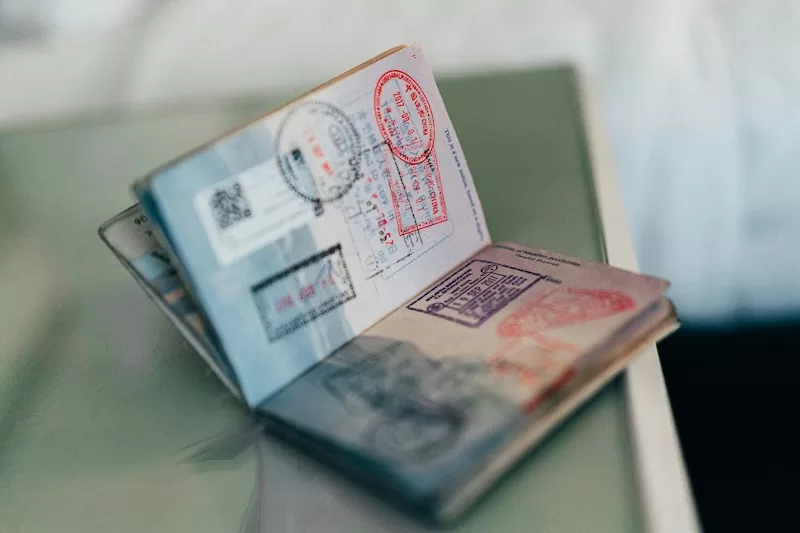
Why Permanent Residency Has Taken on New Importance
A decade ago, mobility itself felt like freedom. Short-term visas were manageable because returning home was still financially and structurally viable for many people. Housing costs were lower. Healthcare systems were more accessible. Tax rules felt stable enough to navigate later.
That assumption no longer holds for a growing number of people. Rising living costs, tightening regulations, and unpredictable policy shifts have made temporary living feel fragile. Being able to stay somewhere for another year is no longer enough. What people increasingly want is the ability to plan several years ahead without renegotiating their right to remain every twelve months.
Permanent residency offers that stability. It creates access to healthcare systems, local banking, property ownership, and clearer tax treatment. It allows people to make decisions that only make sense when time horizons extend beyond the next renewal.
For families, it offers continuity. For retirees, predictability. For working professionals, the ability to integrate without tying their entire future to a single employer. In practical terms, permanent residency is where living abroad becomes livable long term.

Temporary Visas as the First Step Almost Everywhere
Despite popular myths, very few countries offer permanent residency outright. Most governments rely on temporary residence as a filtering mechanism, allowing newcomers to demonstrate financial independence, legal compliance, and social integration before granting long-term rights.
This is why so many expats begin on visas that feel provisional. Retirement visas, work permits, self-employment visas, family reunification permits, and digital nomad visas all serve this function. They allow governments to observe whether someone can support themselves and function within local systems without strain.
What matters most is not whether a visa is temporary, but whether it is designed to convert. Some visas quietly place residents on a path toward permanent residency, with time accumulating year after year. Others allow people to stay indefinitely without ever moving closer to permanence, regardless of how long they live there.
Understanding that distinction early can make the difference between building a long-term life and remaining perpetually temporary.
Family Reunification and How Permanence Arrives Faster
Family-based residency remains one of the clearest and most reliable paths to permanent status across much of the world. Governments tend to view family ties as stabilizing, and their policies reflect that.
In Spain, for example, family reunification allows spouses and dependents of residents to join them under a shared residency timeline. After five years of continuous legal residence, permanent residency becomes available, often with fewer hurdles than economic routes. Portugal operates similarly, with family members counted under the same five-year residency clock as the primary applicant.
Mexico offers one of the more accelerated pathways. Marriage to a Mexican citizen can lead to permanent residency after two years, provided the relationship is genuine and properly documented. Many long-term expats who originally arrived on temporary resident visas eventually transition through family ties rather than renewing independently.
These pathways are closely scrutinized. Authorities require proof of shared life, cohabitation, and financial interdependence. Interviews and document reviews are standard. But for those genuinely building relationships abroad, family visas convert smoothly because they align with how governments conceptualize long-term belonging.

Retirement and Passive Income Visas as Quiet Long-Term Routes
Retirement and passive income visas are among the most widely used pathways to permanent residency, particularly in countries actively courting foreign residents who are financially self-sufficient.
Portugal’s D7 visa has become one of the best-known examples. Designed for individuals with stable income from pensions, investments, or rentals, it allows renewable residence that counts toward permanent residency after five years. Spain’s non-lucrative visa follows a similar logic, though income requirements are higher and physical presence expectations are stricter.
Mexico’s temporary resident visa offers another model. Applicants demonstrate sufficient income or savings and receive a renewable temporary status. After four years, permanent residency becomes available without additional financial proof.
Many retirees and financially independent expats quietly transition this way, often without ever intending to pursue citizenship.
Panama’s Pensionado visa stands out for its clarity. Designed explicitly for retirees, it offers immediate permanent residency to those who qualify, along with local discounts and benefits.
Thailand’s retirement visas are more complex, requiring ongoing financial compliance, but long-term residence can still evolve into permanent status for those who remain consistent.
What these programs share is predictability. They reward stability rather than speed, making them particularly appealing to those seeking a calm, sustainable life abroad.
Work Visas and the Integration Model
Employment-based visas remain one of the most established pathways to permanent residency, particularly in countries facing demographic and labor challenges.
Germany’s Blue Card system provides a clear example. Skilled professionals who meet salary thresholds and maintain continuous employment can apply for permanent residency after as little as twenty-one to thirty-three months, depending on language proficiency. The Netherlands’ highly skilled migrant program offers a similarly structured route, with permanent residency typically available after five years.
Canada’s system is explicitly designed around permanence. Temporary work permits often feed into permanent residency through programs like Express Entry, where time spent working and integrating increases eligibility.
These visas reward participation in the formal economy. They also come with constraints. Employment is often tied to residency, limiting flexibility. Changing jobs or losing work can complicate status. For those willing to integrate deeply, work visas offer one of the clearest paths to permanence. For others, the rigidity can feel at odds with the flexibility that originally drew them abroad.

Digital Nomad Visas and Strategic Transitions
Digital nomad visas have expanded rapidly, offering legal residence to remote workers without requiring local employment. Portugal, Spain, Estonia, and Costa Rica have all introduced programs aimed at this demographic.
What varies significantly is how these visas interact with permanent residency. In Portugal, time spent on certain digital nomad visas counts toward the five-year residency requirement, making it possible to transition naturally into permanent status. Spain’s newer digital nomad visa is still evolving, with conversion pathways emerging but not yet uniform.
Other countries take a different approach. Croatia’s digital nomad visa explicitly does not count toward permanent residency, regardless of how long someone remains in the country. In these cases, expats who wish to stay long term must switch visa categories, often into self-employment or family-based residency.
As a result, many people use digital nomad visas as entry points rather than endpoints. They provide legal presence, local familiarity, and time to assess long-term options before committing to a residency track that leads to permanence.
Investment Residency and a Narrowing Window
Investment-based residency programs once offered a straightforward path to long-term status. By purchasing property or investing capital, applicants could secure residency with minimal physical presence.
That landscape has shifted. Portugal’s decision to remove real estate from its Golden Visa program signaled a broader change across Europe. Spain has announced plans to phase out similar routes, citing housing pressure and political concerns. Requirements have risen, scrutiny has increased, and timelines have become less predictable.
Greece continues to offer an investment residency program, though thresholds have increased significantly in popular areas. Where these visas still exist, they can lead to permanent residency after several years, but they are no longer passive solutions. They require active engagement and realistic expectations.
For some, investment visas still make sense as part of a broader strategy. For many others, income-based or family pathways now offer greater clarity with fewer trade-offs.

Common Visa Pathways and How They Lead to Permanent Residency
| Visa Type | Where It’s Common | Typical Path to Permanent Residency |
| Family Reunification | Spain, Portugal, Mexico | 2–5 years of continuous residence |
| Retirement / Passive Income | Portugal, Spain, Mexico, Panama | 4–5 years, sometimes immediate |
| Work Visa | Germany, Netherlands, Canada | 3–5 years with continuous employment |
| Digital Nomad Visa | Portugal, Spain, Estonia | Varies; often requires visa change |
| Investment Residency | Greece, Malta | 5+ years, rules increasingly strict |
How Time and Presence Actually Add Up
Across jurisdictions, the mechanics of permanent residency follow similar principles. Continuous legal residence is required. Physical presence matters. Tax compliance is expected. Criminal records are closely reviewed.
What surprises many expats is how easily timelines can reset. Extended absences, incorrect visa transitions, or administrative oversights can erase years of accumulated residence. Permanent residency is not granted based on intent alone. It is built through consistency over time.
This is why early visa choices matter so much. A visa that allows long-term stay but does not count toward permanent residency can quietly delay stability by years.
What Permanent Residency Changes Day to Day
Once granted, permanent residency alters daily life in ways that are often understated. Healthcare access becomes more straightforward. Banking relationships deepen. Property ownership restrictions may fall away. Families gain educational continuity. Financial planning becomes clearer.
Perhaps most importantly, the mental strain of provisional living fades. Life is no longer structured around renewal deadlines and contingency planning. Decisions become more deliberate. Long-term commitments feel safer.
Permanent residency does not eliminate uncertainty, but it removes the constant friction that temporary status creates.
Why Many People Stop at Permanent Residency
For internationally minded individuals, permanent residency provides rootedness without finality. It allows people to build stable lives while retaining flexibility in an uncertain world.

Thinking Long Term
Visas are often treated as paperwork. In reality, they shape lives. The visa chosen at the beginning influences what becomes possible years later.
Permanent residency is rarely fast, but it is achievable for those who understand how systems work and plan accordingly. For Escape Artist readers thinking beyond the short term, knowing where and how permanence is built is not an immigration exercise. It is the foundation of a sustainable life abroad.
Living abroad remains possible for those willing to engage patiently with local systems. Stability, however, is something that must be built over time.
Key Takeaways
Do all long-term visas lead to permanent residency?
No. Some visas allow people to stay for years without ever counting toward permanent residency. The key distinction is whether time spent on a visa accumulates toward long-term status or resets with each renewal.
How long does it usually take to qualify for permanent residency?
In most countries, permanent residency becomes available after three to five years of continuous legal residence, depending on the visa type and local rules.
Do digital nomad visas count toward permanent residency?
It depends on the country. In some places, such as Portugal, time may count toward long-term residency. In others, including Croatia, it does not, requiring a change of visa category to continue toward permanence.
Is permanent residency the same as citizenship?
No. Permanent residents usually enjoy access to healthcare, banking, and long-term housing, but do not receive voting rights or passports. For many expats, permanent residency offers the right balance between stability and flexibility.


