
Understanding the difference: resident vs. citizen
Let’s set the record straight. There is a significant difference between being a resident of a country and being a citizen, and no, it’s not just the cost.
As a U.S. citizen living abroad and assisting other folks to go international, I am often asked about citizenship and residency, and what the heck the difference is between them.
Here’s a quick answer and then we’ll dig into the specifics:
Think of being a resident/having residency as having a green card. It legally grants you access to live in the country of your choosing for a specific duration of time. You are no longer a permanent tourist, but rather a legal alien of the country.
Depending on the country, there are differences regarding the time period that the residency is valid for, the path to citizenship (and obtaining a passport), tax obligations, and other benefits (medical, social security, import of personal goods, etc.).
NOTE: A residency card is not a valid form of identification for international travel. For international travel, you need to use your passport.
Think of being a citizen as having the right to obtain a passport from that country. You are able to leave and re-enter without restrictions and you are able to vote. Legally, you and your native-born neighbor are considered equals in the eyes of the law. There are a few ways you can become a citizen:
- Naturalization (the process of becoming a citizen if you were not born in the country you want a passport from)
- Birth (physically being born in the country)
- Others: Marriage, family ties
NOTE: If you are a citizen of a country, it does not automatically mean you physically have a passport from that country. Think about all of the people who are born in the USA but never apply for their passport. As citizens of their home country, they have a right to a passport. When you were born, you were not automatically handed a passport. You had to apply for one (and hopefully you have!). A fun fact is that, according to the U.S. State Department, only about 42% of American citizens have a U.S. passport. About 60% of Canadians have theirs and, on average, about 58% of Australians have theirs.
Many folks I speak with have a long-term goal of becoming a citizen (with a passport) in another country. There are many reasons for this, with the top two being:
- Security of having a Plan B. With the craziness in the world today, it’s just prudent to have a back-up plan.
- Ease of permanently living in another country without any restrictions.
If your goal is to have another passport, then you’re going to be paying 1 of 2 ways – time or money.
If time, typically you start with residency. After a specific time period outlined by that country’s government, you can apply for citizenship. This time varies by country and, on average, you’ll have a residency permit for 5-10 years before you’re eligible to apply for citizenship and a passport.
Or if you don’t want to wait, you can apply for instant citizenship via economic means – in other words, an investment. Only a few countries offer this sort of program, with one of the most affordable being Malta, starting around €350,000.
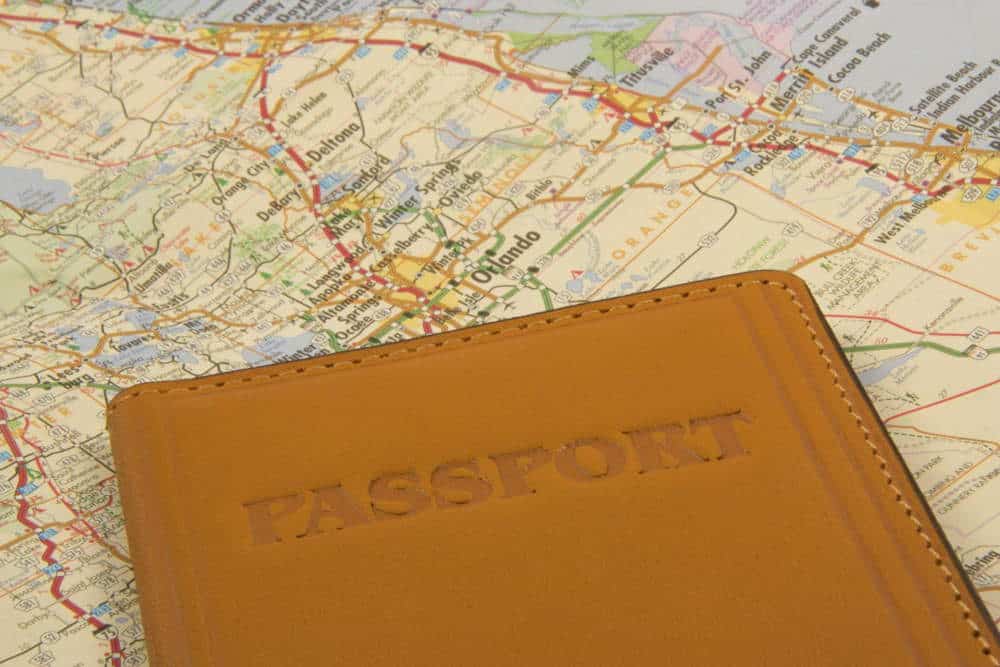
When you travel outside of the country, you do so using a passport. You cannot travel on a residency card. And note that not all passports are equal. The power of a passport is determined by the country’s geopolitical standing with other nations – in other words, what is one country’s relationship with the others. From the passport holder’s perspective, what this means is how many countries can you get into visa-free? On a Kenyan passport, for example, you have access to 74 countries visa-free. On one of the top passports in the world, Japan, you can access 171 countries visa-free. One of my favourite websites when comparing passports is Passport Index. It keeps up with the ever-changing international immigration laws and allows you to compare citizenships.
If you are a U.S. citizen, you are allowed dual-citizenship as long as the country you are applying for citizenship in allows it. It’s considered reciprocity. To break it down, if you are a U.S. citizen and you are applying for citizenship in Nicaragua, where you are legally only allowed 1 citizenship, the Nicaraguan government will require you to give up your U.S. passport. The U.S. may not follow you until you revoke your citizenship and Nicaragua may never push you to do so. However, if the U.S. realizes you have both passports, they will revoke your U.S. citizenship.
So, my advice to you is, if your long-term goal is citizenship in another country, ask yourself these 3 questions:
- What does the path to citizenship look like? Will I need residency first or is an economic citizenship offered?
- Will I have to give up my other citizenship(s) to become a citizen of (x) country?
- What will my tax obligations be? Medical? Social security?
Be sure to weigh the pros and cons, and take the time to truly understand the laws of the country of which you are going to become a citizen in. It’s a big decision that makes sense for some and doesn’t for others. Talk to an expert if you need some advice. I’d be happy to recommend a few immigration attorneys depending on where you’re looking and where you’re currently a citizen of.
If you’re a U.S. citizen, below are a few interesting tidbits that I picked up along the way. I thought you’d be curious to stay in the loop:
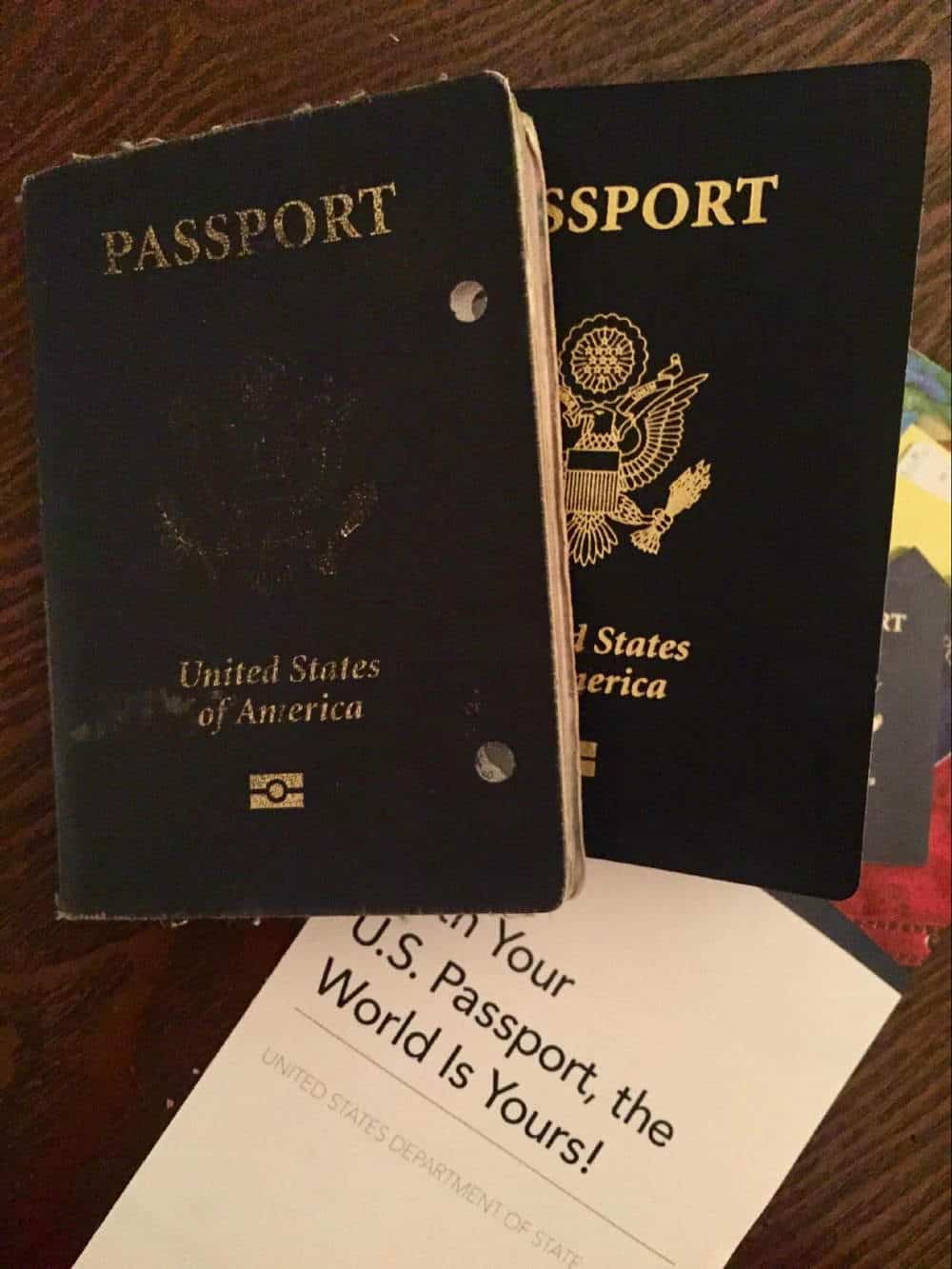


- If you’re applying for a new passport and are an avid stamp collector, when filling out the application, check off the box for 52 pages instead of the standard 28. There is no extra cost for this and, as of January 1 2016, if your current passport runs out of pages, you are no longer able to sew in new pages. You must apply for a new passport.
- Your passport does not belong to you; it is simply on loan to you for 10 years from our good ol’ State Department. What this means is don’t go stirring up trouble, because there is a possibility they may revoke your passport!
- Keep up with your taxes because the IRS can request to the State Department to revoke/deny your passport! If you are delinquent in tax payments, you can lose your rights to a U.S. passport. The information below is taken directly from the IRS website:
“If you have seriously delinquent tax debt, IRC § 7345 authorizes the IRS to certify that debt to the State Department for action. The State Department generally will not issue a passport to you after receiving certification from the IRS.
Upon receiving certification, the State Department shall deny your passport application and/or may revoke your current passport. If your passport application is denied or your passport revoked and you are overseas, the State Department may issue you a limited validity passport good only for direct return to the United States.”

What it boils down to is understanding your goals. Even if you’re in the beginning stages of offshore exploration, starting small with a residency is a great place to begin. If you don’t know where you want to end up, a residency with little time requirements is even better.
Panama has become a top option for residency because it is permanent, can lead to citizenship, and is easy to maintain — only having to visit 1 day every 2 years. In other countries, such as Ecuador, you cannot be absent for more than 90 days per year during the first two years of residence. Escape Artist understands the value in Panama and has touted it as one of the Top Residency Programs for 2020. Check it out.
Here is probably the most extensive ebook on Everything You Ever Wanted To Know About Eliminating Your Taxes, Protecting Your Assets And Regaining Privacy Over Your Life And Investments. It is called The Ultimate Guide To Going Offshore.
I hope you found the information in this article: Understanding the Difference: Resident vs Citizen to be helpful.
Here are a few articles that I think you’ll enjoy reading:
Nicaragua Passport – One Of The Best Spots For Financial Foreign Investments
Why Should the Global Citizen Consider Cyprus’ Citizenship by Investment Program?
European Second Passport Programs
Contact Author
"*" indicates required fields
Stay Ahead on Every Adventure!
Stay updated with the World News on Escape Artist. Get all the travel news, international destinations, expat living, moving abroad, Lifestyle Tips, and digital nomad opportunities. Your next journey starts here—don’t miss a moment! Subscribe Now !
Understanding the difference: resident vs. citizen
Let’s set the record straight. There is a significant difference between being a resident of a country and being a citizen, and no, it’s not just the cost.
As a U.S. citizen living abroad and assisting other folks to go international, I am often asked about citizenship and residency, and what the heck the difference is between them.
If you'd like to read the full story, simply enter your email to subscribe to our newsletter.
For even more expert insights, unmissable resources, and exclusive invites, explore our premium subscription offers here.
OR
Already a Subscriber? Click here to login
Subscription required
You've reached your limit of free articles. For full access to Escape Artist, and all of our insights on travel, moving abroad, and the digital nomad life, click here to Subscribe.
Already a Subscriber? Log in here