Iraq’s recent past has been marked by turmoil and strife, from dictatorial regimes to a brutal war that claimed more than 120,000 civilian lives in 2006, and the advance of ISIS in the late 2010s. These are the images many associate with Iraq’s modern history.
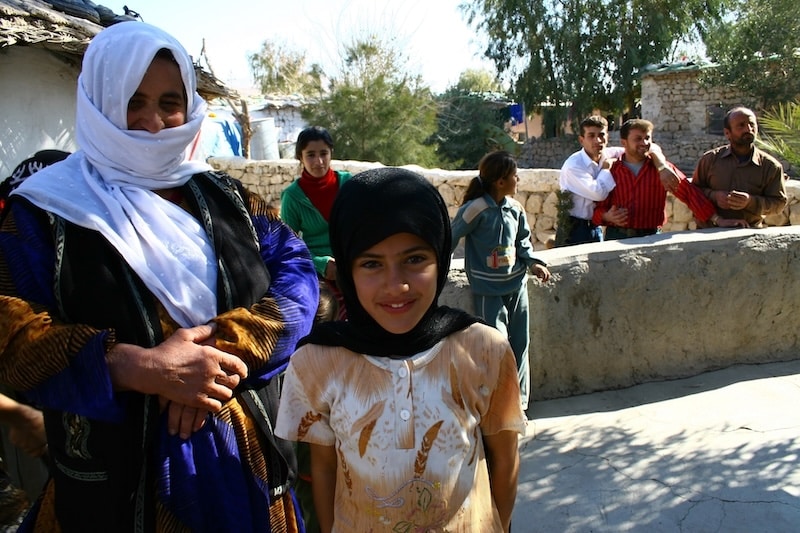
Yet Kurdish Iraq is far more than its wars. It is a land of complexity and culture, of layered histories and living traditions. There is not one Iraq, but many. That truth is embodied in the north, in the Kurdistan Region, often described as the safest and most stable part of the country.
In northern Iraq lies a self-governing autonomous region inhabited by Kurds, an ethnic group spread across parts of Syria, Iran, Iraq, and Turkey. With an estimated 30 to 40 million people, they are the largest ethnic group in the world without a state of their own. In Turkey, Syria, and Iran, Kurds continue to face discrimination, their identity denied or diminished. In Turkey, some even refer to them dismissively as “Mountain Turks,” denying their distinct heritage. But in Iraq, the Kurdish people have carved out a space of semi-independence—a fragile but functioning model of autonomy.
Read more like this: Life Between Borders
Though legally part of Iraq and recognized internationally as such, the Kurdistan Region is the closest thing the Kurds have to a homeland. Kurdish Iraq has become a rare example of successful autonomy in a region often defined by separatist conflicts. Yet this hard-won stability came at a cost, and its story is one of endurance, resistance, and pragmatism.
The Road to Autonomy
For decades, the Kurds have faced persecution, forced assimilation, and violence across the Middle East. In Turkey, the Kurdish language and political expression were banned until recently. In Iran, Kurdish uprisings were met with brutal repression. And in Iraq, Saddam Hussein’s regime waged a campaign of displacement and chemical warfare against Kurdish civilians.
Despite this, Kurdish communities preserved their language, culture, and identity, and held tightly to the dream of self-determination.
When Britain and France divided the Ottoman Empire under the 1923 Treaty of Lausanne, the Kurds were denied their own state. Instead, they were fragmented across four countries, becoming minorities in each.
During the 1991 Gulf War, the United States enforced a no-fly zone over northern Iraq, providing protection for the Kurdish Iraq population. Within a year, local leaders began governing themselves under the Kurdistan Regional Government (KRG). In 2005, this autonomy was formally recognized in Kurdish Iraq’s constitution.
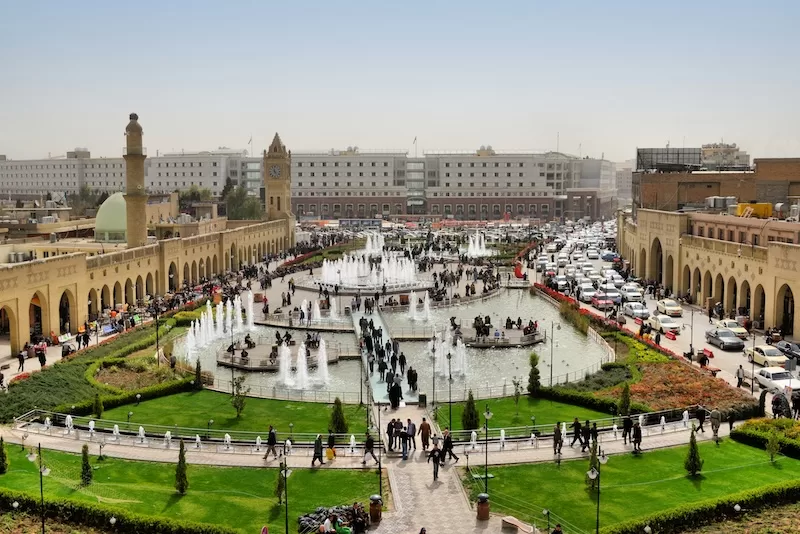
Today, the KRG operates with remarkable independence, maintaining its own parliament, armed forces, and administrative structures from its capital, Erbil. The arrangement resembles a federation in name but functions more like a state in practice.
Read more like this on: Middle East
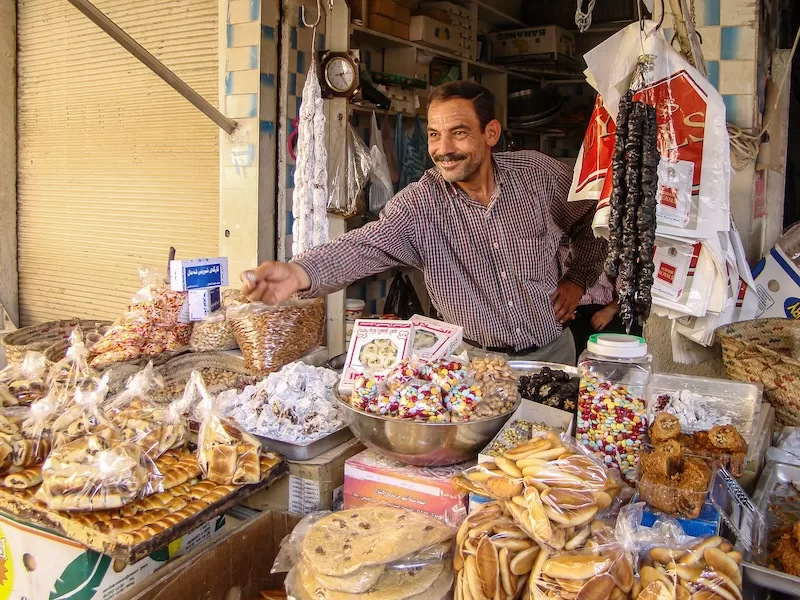
Autonomy Without Independence
The KRG issues its own visas, controls its borders, teaches its own language, and signs trade agreements independently. It is self-governing in every practical sense, except for the name “state.”
Yet full independence remains a dream deferred. In 2017, a referendum on secession saw 92% of voters in favor of independence. Baghdad, backed by Turkey and Iran, rejected the result, reasserting control over disputed territories and border crossings.
The episode was a reminder that Kurdistan’s autonomy, while extensive, has limits. Still, relations between Erbil and Baghdad have since stabilized, and cooperation has resumed in key areas of governance and security.
Read more like this: Essential Travel Tips
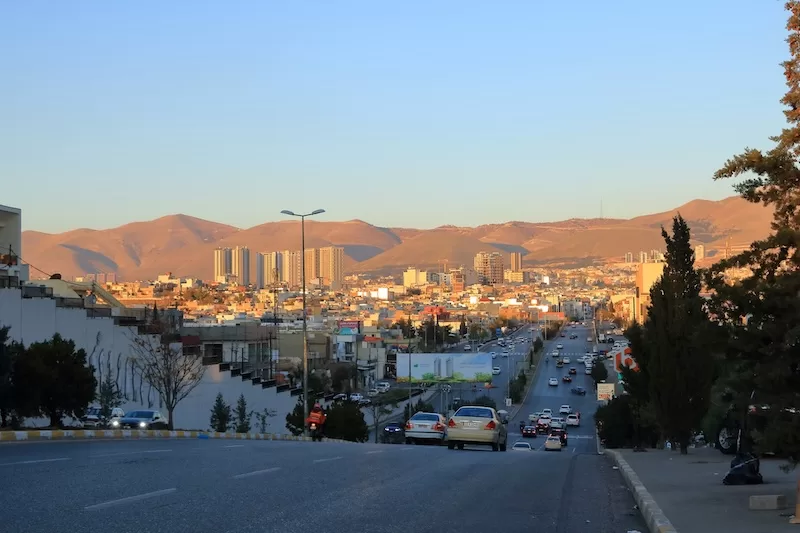
Stability and Security
Traveling through the KRG feels markedly different from the rest of Iraq. For nearly two decades, the region has maintained stability, even as Baghdad and the south faced upheaval. The Kurdish Peshmerga forces—literally “those who face death”—were pivotal in stopping ISIS’s advance in 2014. Their disciplined presence continues to ensure security throughout the region.
Erbil, Duhok, and Sulaymaniyah are modern, developed cities. International NGOs, investors, and media organizations have established offices there, drawn by the region’s calm and economic promise. Erbil, with its ancient citadel and gleaming new skyline, has become a symbol of Kurdish Iraq’s resilience — a bridge between heritage and hope.
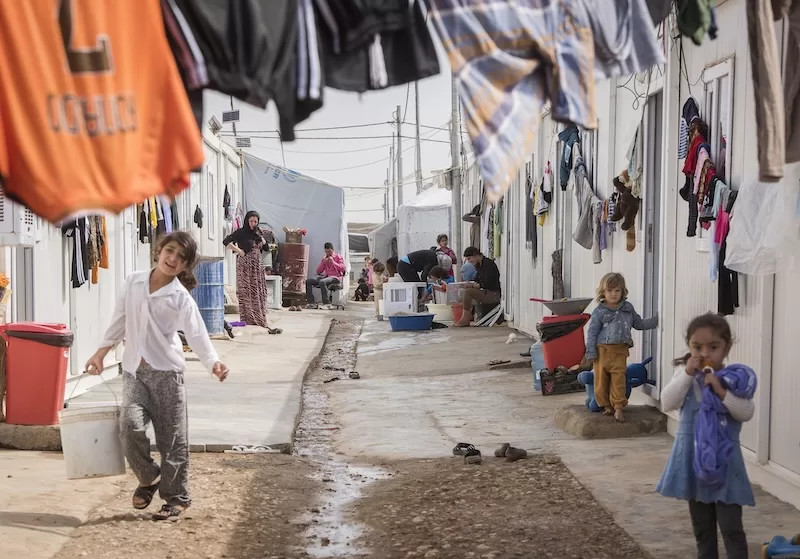
Culture and Daily Life of Kurdish Iraq
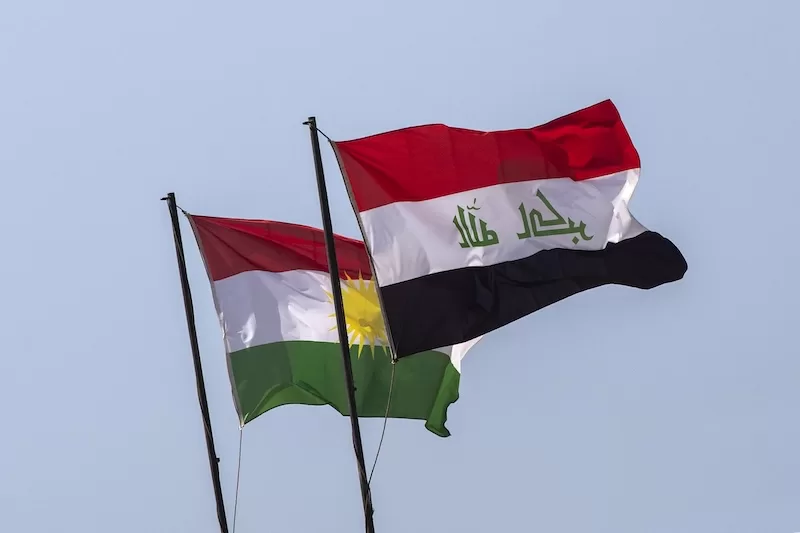
While Kurdistan remains officially part of Iraq, it feels distinctly its own. The Kurdish Iraq flag flies proudly across the region, from government buildings to village squares. Every spring, the festival of Newroz, Kurdish Iraq New Year, lights up the cities with bonfires, music, and color. It’s a celebration of renewal and defiance, a cultural freedom many Kurds elsewhere still cannot experience.
Erbil serves as the political and financial center, but Sulaymaniyah is considered the cultural heart, home to museums, cafés, and bookstores that pulse with intellectual life. Duhok, closer to the Turkish border, is the gateway to the dramatic mountain ranges that define Kurdistan’s geography and soul.
Food anchors Kurdish Iraq’s life: rice and kebab, dolma wrapped in vine leaves, and bread baked in clay tandoors. Tea flows everywhere—a universal gesture of welcome and warmth.
The Kurdistan Democratic Party (KDP), led by the influential Barzani family, dominates local politics. Their long-standing control, however, has drawn criticism for corruption and nepotism; reminders that even in stability, democracy remains a work in progress.
The KRG issues its own visas, valid only within its territory. Travelers can fly directly into Erbil or Sulaymaniyah from international hubs like Istanbul and Dubai, a sign of how globally connected this once-isolated region has become.
The Future of Kurdish Iraq
Kurdish Iraq is a paradox—a country that isn’t, yet feels entirely real. It exists in the space between recognition and resistance, autonomy and aspiration.
This unique experiment in self-rule has not always been smooth, but it offers a model for coexistence in a world where separatism too often ends in war. For the Kurdish Iraq’s people, it is proof that freedom can take many forms, and that even without formal borders, identity can flourish.
Though many Kurds around the world still dream of an independent nation, the Kurdistan Region stands as a powerful reminder that sovereignty begins not with lines on a map, but with self-determination lived every day.
Key Takeaways
What makes Kurdish Iraq different from the rest of Iraq?
Kurdish Iraq, particularly the Kurdistan Region in the north, is fundamentally different from the rest of Iraq in almost every meaningful way. While Iraq’s recent history has been marked by turmoil, dictatorship, and devastating conflicts like the 2006 war that killed over 120,000 civilians and the rise of ISIS in the late 2010s, the Kurdistan Region has emerged as the safest and most stable part of the country. It is a self-governing autonomous region with its own functioning government, parliament, armed forces, and administrative structures. This hard-won autonomy represents a rare example of successful self-governance in a region often defined by separatist conflicts and political instability. Unlike the rest of Iraq, which has struggled with sectarian violence and instability, Kurdish Iraq has maintained relative peace and prosperity for nearly two decades.
How did the Kurdistan Region achieve autonomy?
The Kurdistan Region’s path to autonomy was shaped by decades of struggle, resistance, and pragmatism. For decades, the Kurds faced persecution, forced assimilation, and violence across the Middle East. When Britain and France divided the Ottoman Empire under the 1923 Treaty of Lausanne, the Kurds were denied their own state and fragmented across four countries. In Iraq specifically, Saddam Hussein’s regime waged a brutal campaign of displacement and chemical warfare against Kurdish civilians. However, during the 1991 Gulf War, the United States enforced a no-fly zone over northern Iraq, providing protection for the Kurdish population. Within a year, local leaders began governing themselves under the Kurdistan Regional Government (KRG). This autonomy was formally recognized in Iraq’s constitution in 2005. Today, the KRG operates with remarkable independence, maintaining its own parliament, armed forces, and administrative structures from its capital, Erbil.
What is the extent of Kurdish autonomy in Iraq?
The Kurdistan Regional Government exercises remarkable practical independence within Iraq. The KRG issues its own visas, controls its borders, teaches its own language, and signs trade agreements independently. In every practical sense, it is self-governing. However, full independence remains a dream deferred. In 2017, a referendum on secession saw 92% of voters in favor of independence, but Baghdad, backed by Turkey and Iran, rejected the result and reasserted control over disputed territories and border crossings. This episode was a reminder that Kurdistan’s autonomy, while extensive, has limits. Still, relations between Erbil and Baghdad have since stabilized, and cooperation has resumed in key areas of governance and security. The arrangement resembles a federation in name but functions more like a state in practice, making it a unique model of autonomous governance in the Middle East.
Why is the Kurdistan Region considered safe and stable?
The Kurdistan Region has maintained remarkable stability for nearly two decades, even as Baghdad and the south of Iraq faced upheaval. This stability is attributed to several factors. First, the Kurdish Peshmerga forces, whose name literally means “those who face death,” were pivotal in stopping ISIS’s advance in 2014 and continue to ensure security throughout the region. Second, the region’s autonomous government structure allows for localized governance and security forces responsive to the region’s specific needs. Third, the Kurdistan Regional Government has been able to maintain order and provide basic services in ways that have eluded other parts of Iraq. The result is that Erbil, Duhok, and Sulaymaniyah have become modern, developed cities. International NGOs, investors, and media organizations have established offices there, drawn by the region’s calm and economic promise. For travelers and expats, the Kurdistan Region’s safety and stability make it an increasingly attractive destination compared to other parts of Iraq and the broader Middle East.
What is the culture and daily life like in Kurdish Iraq?
While Kurdistan remains officially part of Iraq, it feels distinctly its own. The Kurdish Iraq flag flies proudly across the region, from government buildings to village squares. Every spring, the festival of Newroz, the Kurdish New Year, lights up the cities with bonfires, music, and color. It’s a celebration of renewal and defiance, a cultural freedom many Kurds elsewhere still cannot experience. Erbil serves as the political and financial center, while Sulaymaniyah is considered the cultural heart, home to museums, cafés, and bookstores that pulse with intellectual life. Duhok, closer to the Turkish border, is the gateway to the dramatic mountain ranges that define Kurdistan’s geography and soul. Food anchors Kurdish life: rice and kebab, dolma wrapped in vine leaves, and bread baked in clay tandoors. Tea flows everywhere as a universal gesture of welcome and warmth. The KRG issues its own visas, valid only within its territory, and travelers can fly directly into Erbil or Sulaymaniyah from international hubs like Istanbul and Dubai, a sign of how globally connected this once-isolated region has become.
What are the political structures in the Kurdistan Region?
The Kurdistan Region operates under the Kurdistan Regional Government (KRG), which maintains its own parliament, armed forces (the Peshmerga), and administrative structures from its capital, Erbil. The Kurdistan Democratic Party (KDP), led by the influential Barzani family, dominates local politics. Their long-standing control, however, has drawn criticism for corruption and nepotism, reminders that even in stability, democracy remains a work in progress. The KRG’s structure resembles a federation in name but functions more like a state in practice, with the ability to issue its own visas, control its borders, teach its own language, and sign trade agreements independently. This unique arrangement makes the Kurdistan Region a rare example of successful autonomy in the Middle East, though it continues to navigate the complex relationship with the Iraqi federal government in Baghdad.
What is the significance of Kurdish Iraq’s story?
The story of Kurdish Iraq is significant far beyond the region itself. In a Middle East often defined by conflict, separatism, and failed autonomy movements, the Kurdistan Region represents a rare success story. It demonstrates that autonomy and self-governance are possible, that cultural identity can be preserved and celebrated, and that stability and prosperity can be achieved even in a turbulent region. The Kurdistan Region’s example offers hope not only to Kurds but to other ethnic and cultural groups seeking self-determination in the Middle East. For expats and travelers, the Kurdistan Region’s story is one of resilience, rebirth, and the possibility of building meaningful lives in unexpected places. It challenges the narrative that the Middle East is defined solely by conflict and demonstrates the complexity, culture, and humanity that exist beyond the headlines. Though many Kurds around the world still dream of an independent nation, the Kurdistan Region stands as a powerful reminder that sovereignty begins not with lines on a map, but with self-determination lived every day.
About the Author
Ethan Rooney is an Irish journalist covering global communities, culture, and niche movements. You can find more of his work here.
Contact Author
"*" indicates required fields
Stay Ahead on Every Adventure!
Stay updated with the World News on Escape Artist. Get all the travel news, international destinations, expat living, moving abroad, Lifestyle Tips, and digital nomad opportunities. Your next journey starts here—don’t miss a moment! Subscribe Now !
Iraq’s recent past has been marked by turmoil and strife, from dictatorial regimes to a brutal war that claimed more than 120,000 civilian lives in 2006, and the advance of ISIS in the late 2010s. These are the images many associate with Iraq’s modern history.
Yet Kurdish Iraq is far more than its wars. It is a land of complexity and culture, of layered histories and living traditions. There is not one Iraq, but many. That truth is embodied in the north, in the Kurdistan Region, often described as the safest and most stable part of the country.
In northern Iraq lies a self-governing autonomous region inhabited by Kurds, an ethnic group spread across parts of Syria, Iran, Iraq, and Turkey. With an estimated 30 to 40 million people, they are the largest ethnic group in the world without a state of their own. In Turkey, Syria, and Iran, Kurds continue to face discrimination, their identity denied or diminished. In Turkey, some even refer to them dismissively as “Mountain Turks,” denying their distinct heritage. But in Iraq, the Kurdish people have carved out a space of semi-independence—a fragile but functioning model of autonomy.
If you'd like to read the full story, simply enter your email to subscribe to our newsletter.
For even more expert insights, unmissable resources, and exclusive invites, explore our premium subscription offers here.
OR
Already a Subscriber? Click here to login
Subscription required
You've reached your limit of free articles. For full access to Escape Artist, and all of our insights on travel, moving abroad, and the digital nomad life, click here to Subscribe.
Already a Subscriber? Log in here