Escape Artist
  • Features
    • Interview
    • Expat News
    • Field Notes
    • Trending
  • Your Plan B
    • Finance
    • Real Estate
    • Second Citizenship
    • Digital Nomad
    • Healthcare
    • Plan-B Summit
  • Destinations
    • Europe
      • France
      • Germany
      • Italy
      • Portugal
      • Scandinavia
      • Spain
      • United Kingdom
      • Rest of Europe
    • Central America
      • Belize
      • Costa Rica
      • El Salvador
      • Guatemala
      • Honduras
      • Nicaragua
      • Panama
    • Others
      • Africa
      • Asia
      • Australia
      • North America
      • South America
      • Middle East
      • Rest of the World
  • Travel Tips
    • Know Before You Go
    • Packing List
    • Food + Culture
    • Health + Wellness
  • Subscribe
Escape Artist
  • Features
    • Interview
    • Expat News
    • Field Notes
    • Trending
  • Your Plan B
    • Finance
    • Real Estate
    • Second Citizenship
    • Digital Nomad
    • Healthcare
    • Plan-B Summit
  • Destinations
    • Europe
      • France
      • Germany
      • Italy
      • Portugal
      • Scandinavia
      • Spain
      • United Kingdom
      • Rest of Europe
    • Central America
      • Belize
      • Costa Rica
      • El Salvador
      • Guatemala
      • Honduras
      • Nicaragua
      • Panama
    • Others
      • Africa
      • Asia
      • Australia
      • North America
      • South America
      • Middle East
      • Rest of the World
  • Travel Tips
    • Know Before You Go
    • Packing List
    • Food + Culture
    • Health + Wellness
  • Subscribe
👤

THE NUMBER ONE SOURCE FOR BUILDING A LIFE ABROAD

This field is for validation purposes and should be left unchanged.
  • Investment

Can a Grove of Teak Trees Buy You a Second Passport?

Inside the investment programs turning Central American forestry into a fast track for residency in Panama and Nicaragua

  • BY EA Editorial Staff
  • September 4, 2026
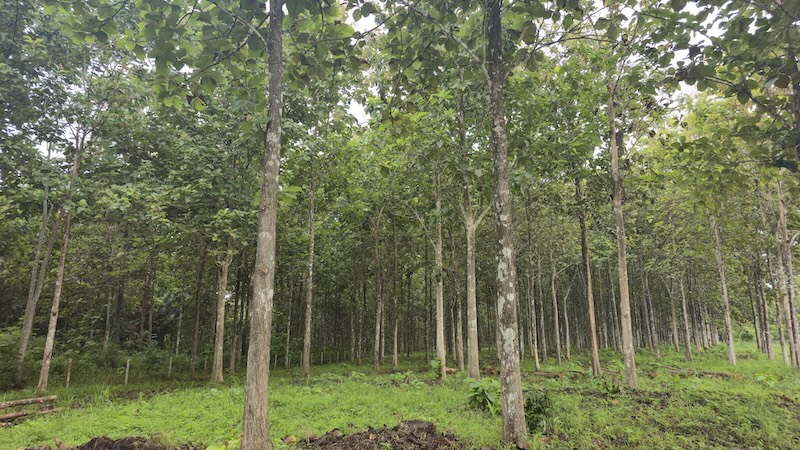
A mature teak plantation of the kind sold under the Panama reforestation visa and similar forestry residency programs
Teak investment is opening a path to second residency in Central America.
Total
0
Shares
0
0
0

There’s a particular kind of investor who has stopped asking “where should I put my money” and started asking “where should I be allowed to live.” For that person, a small but interesting corner of the residency-by-investment world involves something you wouldn’t expect: teak trees.

A handful of forestry programs across Central America now sell parcels of teak plantation, not primarily as a timber play, but as a qualifying investment for legal residency in the country where the trees are planted. The Panama reforestation visa is the best known of them. It sounds unlikely on paper. In practice, it’s a fairly literal example of watching your money grow while your Plan B quietly takes root.
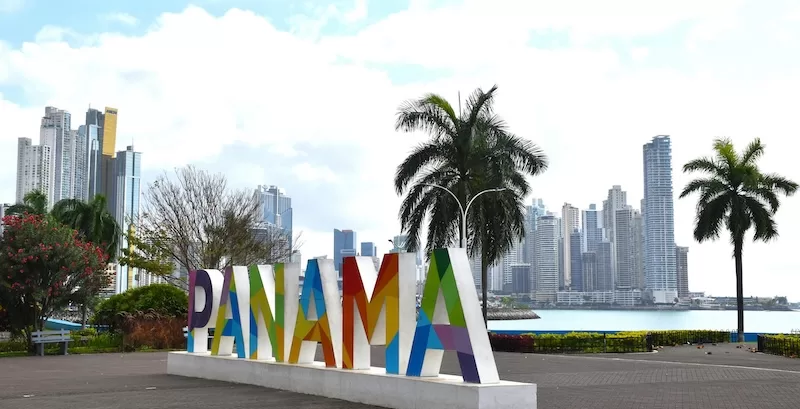
The Panama sign on the Panama City waterfront, backed by the financial district skyline
Panama remains one of the region’s most established destinations for residency seekers.

The Panama Reforestation Visa Route

Panama offers one of the more accessible investor pathways in the region, and forestry-linked residency has become one of several routes into it, alongside more familiar options like the Friendly Nations Visa, the Pensionado Visa, and the Business Investor Visa. The full list of categories sits with Panama’s national migration service.

The appeal of Panama itself does a lot of the heavy lifting here. It’s politically stable, the infrastructure is modern by regional standards, healthcare is both good and comparatively affordable, and the overall cost of living undercuts both the United States and much of Western Europe. Five years after securing permanent residency, investors become eligible to apply for full Panamanian citizenship.

The Nicaragua Investor Residency Route

Nicaragua’s path runs differently. Residency there is typically obtained through investment or marriage, and the investor route requires a minimum outlay of $30,000, commonly satisfied through real estate or a qualifying land and plantation purchase.

The process isn’t fully remote. Applicants need at least one in-person trip to file paperwork, after which power of attorney can be assigned to handle the rest of the process locally. A required stay of at least 30 days in-country allows immigration authorities to verify the application before residency is granted.

Owning a teak parcel in Nicaragua comes with a few specific mechanics worth knowing: investors receive title to both the land and the trees growing on it, the asset grows largely independent of stock market cycles, and the residency that comes with it functions as a form of personal and financial insurance. On the lifestyle side, Nicaragua trades Panama’s polish for something rawer, dramatic coastline, serious surf breaks, and a cost of living that ranks among the lowest in the hemisphere.
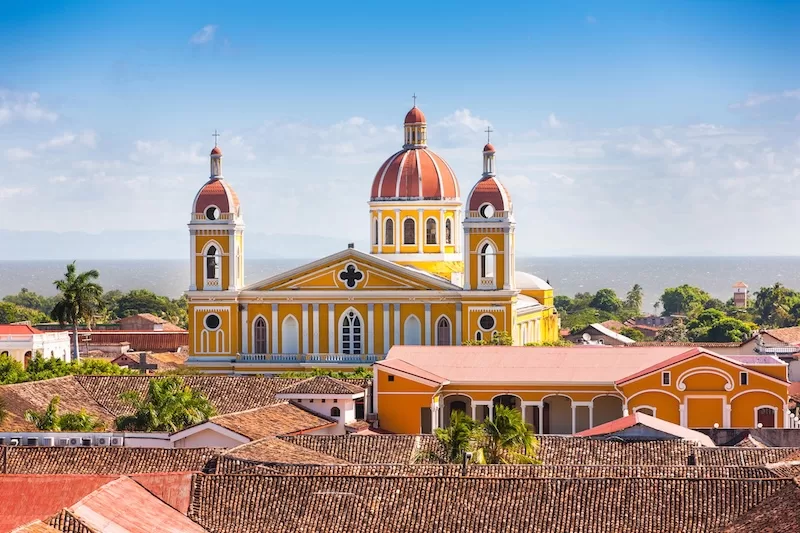
The yellow cathedral of Granada, Nicaragua, above the city rooftops and Lake Nicaragua
Nicaragua offers a lower-cost, less-polished alternative for investors chasing residency.

Why Investors Are Drawn to This in the First Place

Strip away the trees and the underlying logic is one we cover often at Escape Artist: a second residency functions as insurance for your freedom of movement, a place to land if conditions at home deteriorate, and often a meaningful tax advantage, since many countries offer favorable regimes for foreign residents, including reduced rates or exemptions on income earned outside their borders.

There’s also a diversification argument that goes beyond a stock portfolio. Spreading your legal residency, and by extension your options, across more than one country reduces how much of your life is tethered to any single government’s decisions. It is the same reasoning that has wealthy families building Plan B strategies they hope never to use.
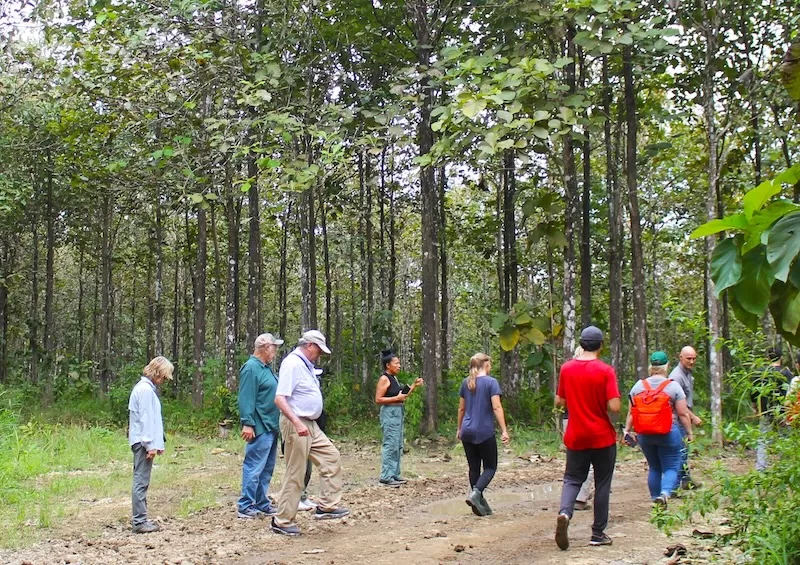
A group of visitors walking a working teak plantation with a guide, inspecting the trees behind a residency investment
Prospective investors walk a working teak plantation. The trees are the asset; the residency is what they buy.

The Honest Caveat

Programs like these are a niche corner of the residency-by-investment world, and the trade-off is real: you’re committing capital to an illiquid, slow-growing asset in exchange for a legal status rather than a straightforward financial return. For the right investor, that trade makes sense. For someone purely chasing yield, there are faster vehicles elsewhere in this newsletter’s archive.

If a second residency is on your radar and forestry-linked investment sounds like it fits your situation, it’s worth treating it the way you’d treat any investment migration program: verify the current terms directly with the provider, have independent legal counsel review the residency requirements in-country, and go in clear-eyed about the multi-year timeline to citizenship.

Panama Reforestation Visa: Common Questions

What is the Panama reforestation visa?

It is a residency permit granted to foreign nationals who invest in a government-approved reforestation project in Panama. The investment buys legal residency rather than a return in the usual sense, and the status is conditional on keeping the money in place. Panama sets the minimum investment, the holding period and the residency terms, and it revises them from time to time, so confirm the current requirements with the provider and with independent Panamanian counsel before committing anything. Ask specifically which permit category they file under, because several Panamanian residency routes are sometimes described loosely as forestry visas.
Can you get Panamanian citizenship through a teak investment?

Not directly. The investment buys residency, not a passport. After five years of permanent residency you become eligible to apply for naturalization, and eligibility is not the same as approval. Anyone selling a teak parcel as a passport is selling you the first step and calling it the whole staircase.

Is Nicaragua cheaper than Panama for residency by investment?

On the entry price, yes. Nicaragua’s investor route starts at $30,000, which is lower than Panama asks for any of its investor categories. What you give up is institutional stability, infrastructure, and the ease of banking and travelling on that status. Nicaragua also requires an in-person trip and a 30-day stay in country before residency is granted, which Panama does not.

Do you actually own the teak trees?

Under the Nicaraguan structures described here, yes: investors take title to both the land and the trees standing on it. In Panama the arrangement depends on the project, and some are structured as a share in a larger plantation rather than a deeded parcel. That distinction decides what you own if the operator fails, so read it in the contract rather than the brochure.

For more information, visit teakhardwoods.com/residency

Have you gone down the residency-by-investment route yourself, in Central America or elsewhere? I’d love to hear how it went. Write to me directly at isha@escapeartist.com.

Contact Author

"*" indicates required fields

This field is for validation purposes and should be left unchanged.
Name*
Please let us know what's on your mind. Have a question for us? Ask away.

Stay Ahead on Every Adventure! 

Stay updated with the World News on Escape Artist. Get all the travel news, international destinations, expat living, moving abroad, Lifestyle Tips, and digital nomad opportunities. Your next journey starts here—don’t miss a moment! Subscribe Now !

There’s a particular kind of investor who has stopped asking “where should I put my money” and started asking “where should I be allowed to live.” For that person, a small but interesting corner of the residency-by-investment world involves something you wouldn’t expect: teak trees.

A handful of forestry programs across Central America now sell parcels of teak plantation, not primarily as a timber play, but as a qualifying investment for legal residency in the country where the trees are planted. The Panama reforestation visa is the best known of them. It sounds unlikely on paper. In practice, it’s a fairly literal example of watching your money grow while your Plan B quietly takes root.

The Panama sign on the Panama City waterfront, backed by the financial district skyline
Panama remains one of the region’s most established destinations for residency seekers.

If you'd like to read the full story, simply enter your email to subscribe to our newsletter.

For even more expert insights, unmissable resources, and exclusive invites, explore our premium subscription offers here.

This field is for validation purposes and should be left unchanged.


OR

Subscribe Now

Already a Subscriber? Click here to login

Subscription required

You've reached your limit of free articles. For full access to Escape Artist, and all of our insights on travel, moving abroad, and the digital nomad life, click here to Subscribe.

Already a Subscriber? Log in here
Total
0
Shares
Share 0
Tweet 0
Pin it 0
Previous Article
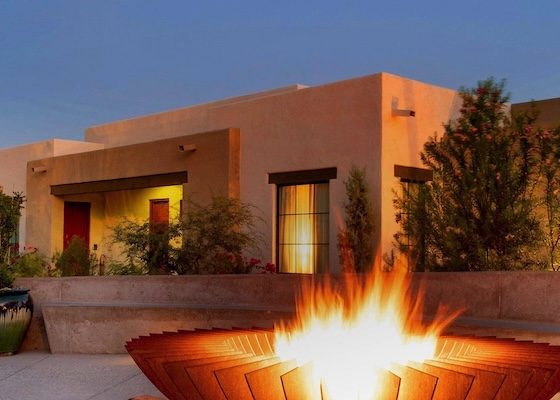
Casita and lit fire pit at dusk at Canyon Ranch Tucson, venue for Presidents' Week 2026
  • Presidents Week

Presidents’ Week 2026: Celebrating 30 Years of Global Wealth Strategy

  • BY Isha Sesay
  • September 1, 2026
View Post
You May Also Like
Casita and lit fire pit at dusk at Canyon Ranch Tucson, venue for Presidents' Week 2026
View Post
  • Presidents Week
Presidents’ Week 2026: Celebrating 30 Years of Global Wealth Strategy
  • BY Isha Sesay
  • September 1, 2026
Turquoise bay with tour boats surrounded by limestone karst formations in Ha Long Bay, Vietnam
View Post
  • Plan B
The Places People Are Actually Moving to in 2026, Not the Ones the Lists Keep Recommending
  • BY EA Editorial Staff
  • August 28, 2026
Wallet with multiple bank cards representing international banking diversification
View Post
  • Plan B
The Honest Case for Keeping Money in Three Different Countries
  • BY EA Editorial Staff
  • August 26, 2026
The Statue of Liberty at sunset with the Freedom Tower and Lower Manhattan skyline in the background
View Post
  • United States
How Travel, Visas and Digital Nomadism Are Changing in America
  • BY Ethan Rooney
  • August 24, 2026
International banknotes showing currency exposure when buying property abroad
View Post
  • Plan B
The Currency Risk Nobody Warns You About When Buying Property Abroad
  • BY EA Editorial Staff
  • August 19, 2026
Cairo skyline and Nile River with boats and high-rise buildings
View Post
  • Egypt
Can You Really Live in Egypt on $1,000 a Month?
  • BY Elsayed Ouda
  • August 17, 2026
Cruise ship docked beside a Caribbean beach with palm trees
View Post
  • Plan B
Inside the Caribbean Passport Market’s Most Significant Moment in Years
  • BY EA Editorial Staff
  • August 13, 2026
Family beside an infinity pool overlooking the sea
View Post
  • Plan B
Why the World’s Wealthiest Families Are Now Building Plan B Strategies
  • BY Luigi Wewege
  • August 10, 2026
Trending Posts
  • Wallet with multiple bank cards representing international banking diversification 1
    • Plan B
    The Honest Case for Keeping Money in Three Different Countries
    • August 26, 2026
  • The Statue of Liberty at sunset with the Freedom Tower and Lower Manhattan skyline in the background 2
    • United States
    How Travel, Visas and Digital Nomadism Are Changing in America
    • August 24, 2026
  • Turquoise bay with tour boats surrounded by limestone karst formations in Ha Long Bay, Vietnam 3
    • Plan B
    The Places People Are Actually Moving to in 2026, Not the Ones the Lists Keep Recommending
    • August 28, 2026
  • An iguana crossing the sand at a palm-lined beach, one of the everyday surprises of moving to St. Croix 4
    • Field Notes
    Why I Traded Hollywood for a Caribbean Island
    • August 31, 2026
  • Casita and lit fire pit at dusk at Canyon Ranch Tucson, venue for Presidents' Week 2026 5
    • Presidents Week
    Presidents’ Week 2026: Celebrating 30 Years of Global Wealth Strategy
    • September 1, 2026
Advertise
Know Before You Go
  • The Statue of Liberty at sunset with the Freedom Tower and Lower Manhattan skyline in the background 1
    • United States
    How Travel, Visas and Digital Nomadism Are Changing in America
    • August 24, 2026
  • Cairo skyline and Nile River with boats and high-rise buildings 2
    • Egypt
    Can You Really Live in Egypt on $1,000 a Month?
    • August 17, 2026
  • Hiker walking along a rugged coastal trail in Andalusia overlooking the Mediterranean Sea 3
    • Spain
    Why More People Looking at Spain Are Beginning to Look Beyond the Cities
    • August 4, 2026
  • Woman in a sun hat walking beside an infinity pool overlooking the ocean under palm trees 4
    • Plan B
    Could You Retire Five Years Earlier If You Moved to the Right Country?
    • July 29, 2026
  • Liyongo resort rendering showing lagoon-style pools, stone walls, palm trees, and shaded villa terraces 5
    • Zanzibar
    Why Serious Investors Are Looking at Zanzibar’s North Coast
    • July 27, 2026
Learn More
  • About Us
  • Contact
  • Advertise
  • Subscribe
  • Shop
Why Subscribe

The newly imagined Escape Artist brings you fresh content with a global focus, and sharp, up-to-the-minute coverage of the joys, challenges, and opportunities of life abroad.

For a limited time, we’re offering a special discount on all subscription deals, so be sure to lock-in these incredible savings and start receiving top-notch travel and expat content today!

Sign up for the EA Newsletter

Get important news delivered directly to your inbox and stay connected!

This field is for validation purposes and should be left unchanged.
Escape Artist
  • Terms & Conditions
  • Privacy Policy
  • Cookies Policy
  • Disclaimer

Input your search keywords and press Enter.

Escape Artist

The Newsletter for a
Life Beyond Borders

Practical insights and real stories for those building a life abroad, trusted by 75,000 readers worldwide.

This field is for validation purposes and should be left unchanged.