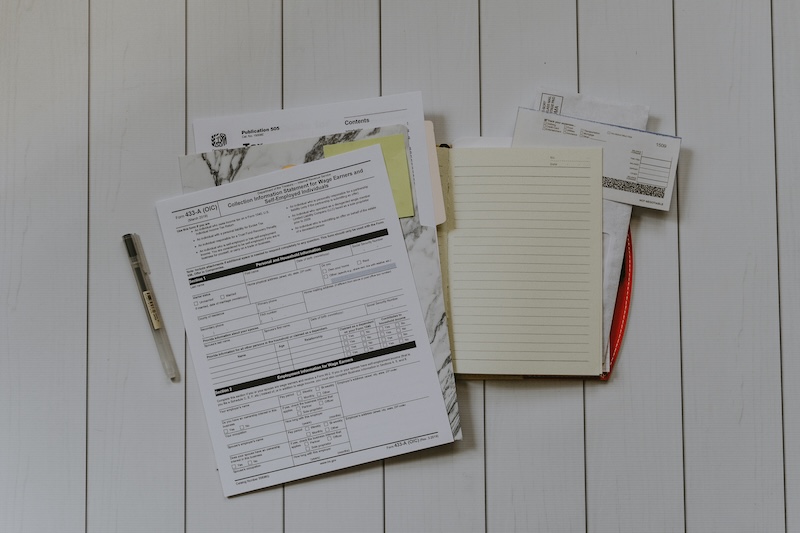
Everyone obsesses over the visa. That’s the document that gets the spreadsheet, the forum threads, the anxious 2am googling. What almost nobody warns you about is the pile of paperwork waiting behind it — the birth certificate, the diploma, the marriage certificate, the police clearance — and the fact that half of it is useless the moment you land unless it’s been translated in a very specific, very official way.
I’ve watched this trip up more people than visa delays ever did. Not because the documents are hard to get. Because nobody tells you, until you’re standing at a counter somewhere, that “translated” and “translated correctly” are two very different things.
The Mistake: Assuming Any Translation Will Do
Most people find out the hard way that a bilingual friend, a fluent partner, or a solid pass through Google Translate doesn’t cut it for anything official. Immigration offices, universities, notaries, and civil registries in almost every country want what’s called a certified translation — one where a qualified translator formally attests, in writing, that the translation is complete and accurate, usually with a signature, a stamp, and their credentials attached.
It sounds like a formality until it isn’t one. A translation missing that certification, or one where a name is spelled slightly differently than it appears on the original, or a date format that doesn’t match, can get an entire application bounced back. Not corrected — bounced. You start over, and depending on where you’re applying, that can cost you weeks or months you didn’t budget for.
What Actually Needs Translating
The list looks different depending on where you’re headed, but a few documents come up again and again for anyone relocating long-term:
• Birth certificate — needed for almost every residency or family-visa application, and often for school enrollment if you’re bringing kids.
• Marriage certificate — required for spousal visas, joint bank accounts in some countries, and family reunification paperwork.
• Academic diplomas and transcripts — universities and licensing boards abroad will not evaluate your credentials from a photocopy in the original language. If your job or your kid’s school placement depends on it, this one matters more than people expect.
• Police clearance / criminal record certificate — a standard requirement for long-stay visas and work permits in most destination countries, and one of the documents people forget to sort out early because it takes time to request from your home country.
• Driver’s license — not always required in translation, but useful to have done if you plan to convert it locally rather than retake a driving test from scratch.
If you’re moving for work, add any employment contracts or reference letters the receiving country’s immigration authority wants verified. If you’re moving for retirement or a golden visa route, add financial statements and proof-of-funds documentation to the pile.
Why the “Just Use AI” Instinct Backfires Here
I get why people try it. Machine translation has gotten genuinely good for everyday use — emails, menus, casual conversation. But official document translation isn’t really a language problem, it’s an accountability problem. A government office isn’t just asking “is this accurate,” it’s asking “who is standing behind this translation, and can we hold them to it.” A machine can’t answer that question. There’s no signature behind an AI output, no professional liability, nobody a registrar can call if something’s wrong.
That’s the actual reason certified translation exists as its own category, separate from “good enough to understand.” Looking for a properly certified translation service — one that’s ISO 17100 certified and handles the formal attestation correctly — is what actually saves people from the bounce-it-back cycle that eats up so much relocation time, rather than trying to piece it together with a free tool and hoping for the best.

The Apostille Question Nobody Explains Well

Somewhere in your research you’ll run into the word “apostille,” usually without much explanation of what it actually does. Short version: it’s a certification that verifies a document is legitimate for use in another country, under an international agreement most (but not all) countries have signed onto. It’s a separate step from translation — you can have a perfectly translated, perfectly certified document that still gets rejected because the underlying original was never apostilled in the country that issued it.
The order matters too, and it’s easy to get backwards. In most cases, you apostille the original document first, then get the certified translation done — translating an apostille stamp along with the document is normal, but you generally can’t apostille a translation on its own. If your destination country isn’t part of the Apostille Convention, there’s a different process (legalization through the embassy or consulate), which takes longer and is worth checking on the moment you know where you’re headed, not after your other paperwork is ready.
Timing Matters More Than People Think
Here’s the part that catches people off guard: certified translation isn’t instant, and neither is getting the underlying document in the first place. A police clearance certificate can take anywhere from a few days to several weeks depending on your home country, and some documents (diplomas especially) need to be tracked down from an institution that isn’t exactly speedy about replying to emails.
The move that saves the most stress is treating document translation as a parallel task, not a last-minute one. Start pulling together the paperwork the same week you start the visa process, not after it’s approved. By the time you’re filling out the actual application, you want translated, certified copies already sitting in a folder — not a scramble two days before a deadline that was set months ago.
The Bottom Line
Nobody moves abroad because they were excited about paperwork. But the documents that seem like a footnote to the relocation story — the birth certificate, the diploma, the police clearance — are often what actually determines whether your application clears smoothly or gets stuck in review. Get the translations sorted early, get them certified properly, and the rest of the move gets to be about the part you actually signed up for.
Contact Author
"*" indicates required fields
Stay Ahead on Every Adventure!
Stay updated with the World News on Escape Artist. Get all the travel news, international destinations, expat living, moving abroad, Lifestyle Tips, and digital nomad opportunities. Your next journey starts here—don’t miss a moment! Subscribe Now !
Everyone obsesses over the visa. That’s the document that gets the spreadsheet, the forum threads, the anxious 2am googling. What almost nobody warns you about is the pile of paperwork waiting behind it — the birth certificate, the diploma, the marriage certificate, the police clearance — and the fact that half of it is useless the moment you land unless it’s been translated in a very specific, very official way.
I’ve watched this trip up more people than visa delays ever did. Not because the documents are hard to get. Because nobody tells you, until you’re standing at a counter somewhere, that “translated” and “translated correctly” are two very different things.
The Mistake: Assuming Any Translation Will Do
If you'd like to read the full story, simply enter your email to subscribe to our newsletter.
For even more expert insights, unmissable resources, and exclusive invites, explore our premium subscription offers here.
OR
Already a Subscriber? Click here to login
Subscription required
You've reached your limit of free articles. For full access to Escape Artist, and all of our insights on travel, moving abroad, and the digital nomad life, click here to Subscribe.
Already a Subscriber? Log in here