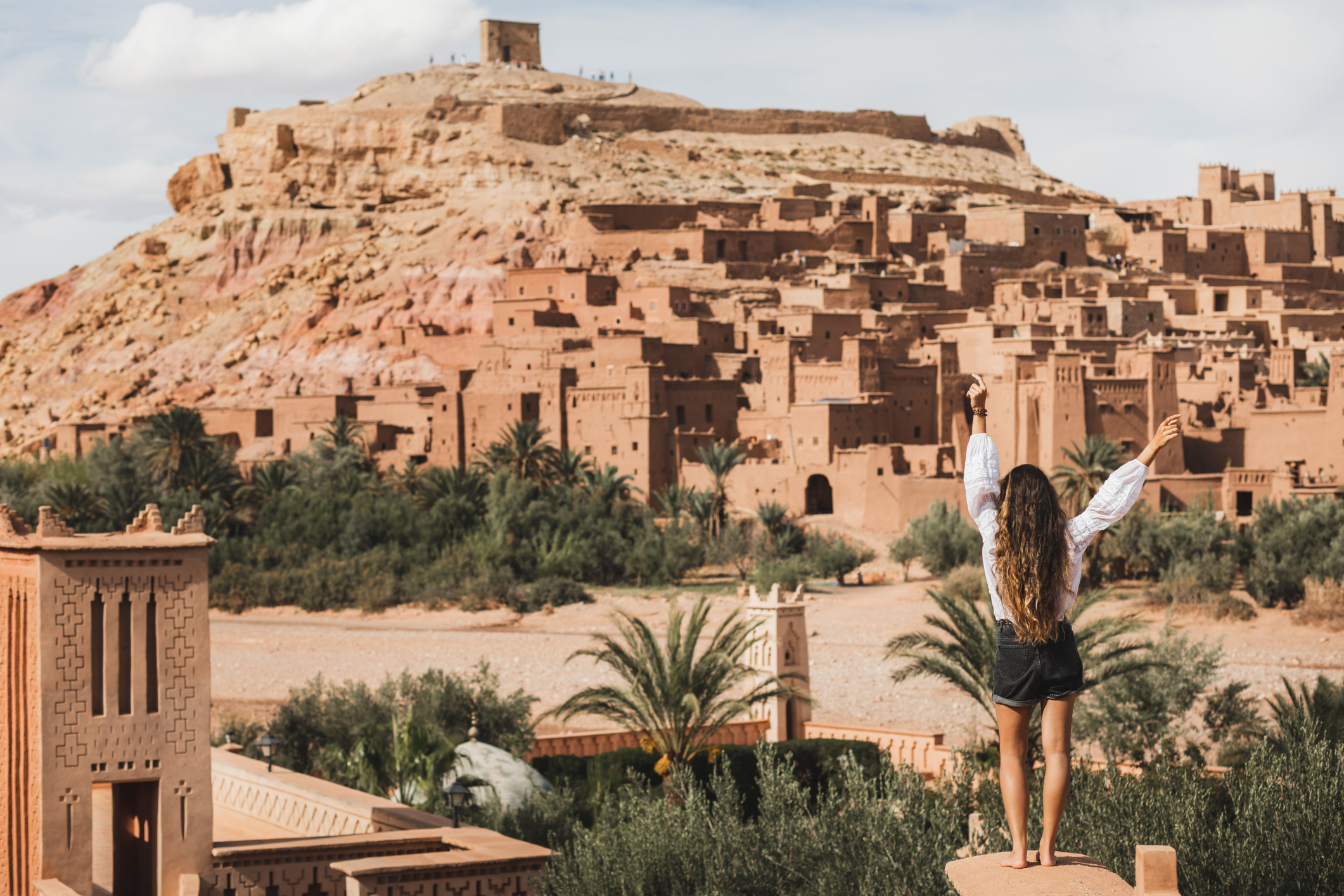
Did you know Morocco is one of the most popular African countries for European and American expats to relocate to? As of now, there are more than 100,000 expats living in Morocco, and as the country continues to expand in business, infrastructure, and opportunity, its expat population is set to grow, too. It’s the perfect choice for those looking for a favorable climate, rich culture, and immense natural beauty without being far away from the West. If you’re one of them, this destination guide for moving to Morocco will give you the clarity you need on where to base yourself.
While most associate Morocco with Marrakech’s ancient medinas, maze-like souks, and cheeky bartering, there’s so much more to discover and understand about this long and diverse country. While Marrakech is a popular choice for expats, particularly because of its modern society built on rich heritage, each destination has its own unique personality, benefits, and lifestyle to offer.
From other popular expat destinations like Tangier, Rabat, and Casablanca, to emerging destinations like Agadir, Essaouira, and Tamraght, this article summarizes the vibe of each place, the pros and cons, and provides you with useful details like climate, expat population, and more. Read on to find out all the important details of potential expat destinations in Morocco—you may be surprised which one feels like the best fit for you.
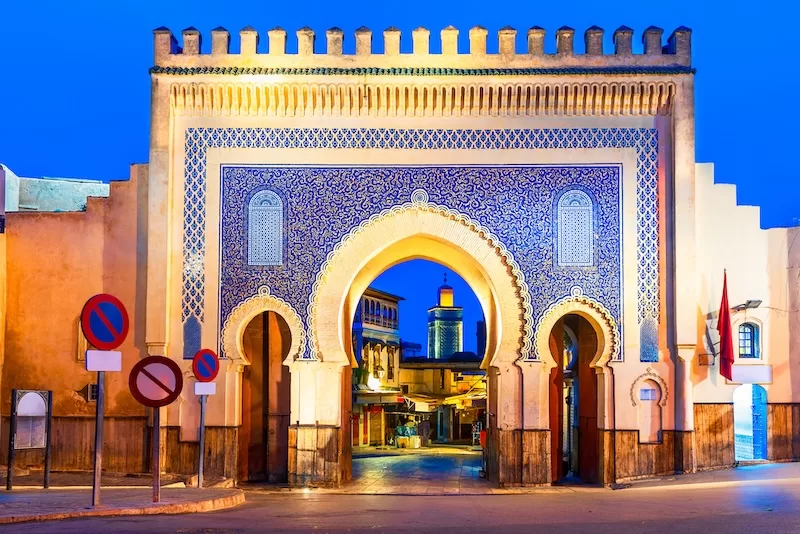
Good Things to Know Before Moving to Morocco
While the lifestyle, infrastructure, opportunities, and integration differ for each destination in Morocco, it’s worth considering whether the country as a whole meets the standard you’re looking for before choosing your new address. So let’s take an overview of Morocco’s general outlook for expats and share some good things to know before moving there.
Work & Business Opportunities
Although work and business opportunities are limited compared to somewhere like the Middle East, Morocco does have a reasonable amount, particularly in its growing sectors: international finance and tourism. Most expats either find employment in an international company or start their own business. Morocco is also a popular and relatively easy place for remote workers. However, it does not have a digital nomad visa, which can make long-term residency more difficult.
Healthcare & Wellness
Healthcare is varied in Morocco, particularly when comparing big cities to rural regions, making it worth investigating when choosing your specific location. That said, all of the places on this list have good to excellent public and private healthcare options. Most expats have health insurance, as is required for a residency card, allowing them to enjoy access to the private healthcare system.
Safety & Comfort
Morocco is considered a safe country for expats, with the majority of crimes being petty theft. While there are some neighborhoods to be wary of in major cities, it’s easy to practice caution and avoid them. Every city has safe and affordable gated communities with security as a standard precaution, although this is by no means necessary—more of a status and comfort choice for Moroccans.
Language and Culture
Although Darija (Moroccan Arabic) is the most common language in Morocco, French and the indigenous language Tashelhiyt are also commonly spoken, depending on the city and region. While a mix of Darija and French is spoken in major cities, Tashelhiyt is more common in smaller areas with more traditional communities. Although English isn’t a first language for Moroccans, it’s quite commonly spoken in big cities and tourist towns. Between French and English, most expats find it easy enough to communicate and integrate into Moroccan culture.
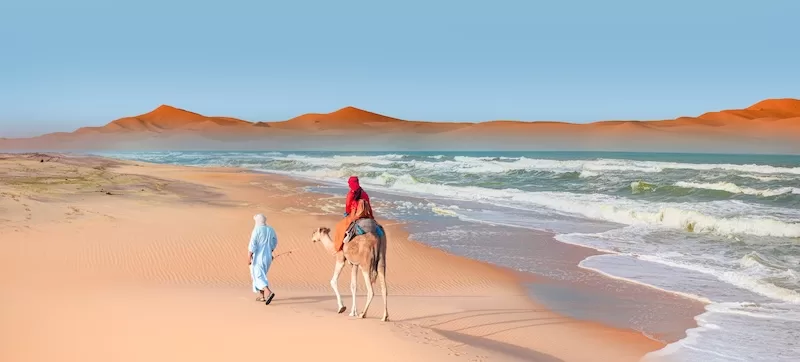
The Best Destinations for Expats in Morocco
Marrakech: Where Modern and Heritage Collide
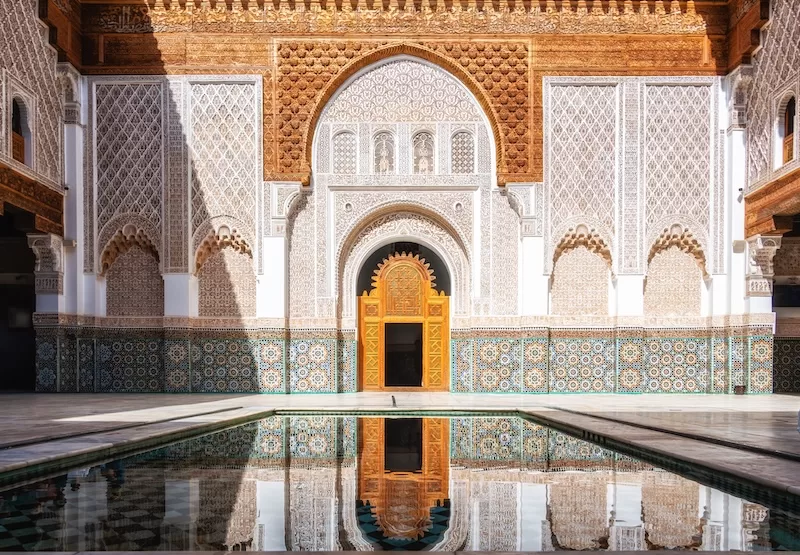
Marrakech, aka the Red City, is home to one of the world’s most spectacular medinas, making it Morocco’s leading tourist destination. What most tourists don’t see is that Marrakech is so much more than its medina; it’s a place where ancient trade meets modern business and traditional architecture sets the scene for a cosmopolitan lifestyle.
While expats revel in the sights and smells of the chaotic souk, they also indulge in the luxuries of top-notch restaurants, boutiques, and nightlife. Although Marrakech welcomes a high number of tourists each year, it’s a surprisingly small city compared to other Moroccan cities, with around one million permanent residents. Most are part of a modern Moroccan society that is more worldly, accepting, and fluent in English. Overall, magnificent Marrakech is the perfect place to enjoy the best of both Moroccan worlds while feeling integrated and accepted.
Pros of moving to Marrakech
- Morocco’s most culturally rich city
- Easy access to the Atlas Mountains and nature
- Opportunities for business in tourism
- Modern living with plenty of heritage
- Gated communities with excellent facilities
- A strong restaurant, nightlife, and shopping scene
- A modern Moroccan community
Cons of moving to Marrakech
- Extremely hot summers
- Very tourist-heavy
- Can be overcharged if people assume you’re a tourist
- Traffic is a frequent issue
Who it’s best for: Tourism business owners and heritage lovers
Location: Central Morocco, at the foothills of the Atlas Mountains
Climate: Hot semi-arid climate with very hot summers and mild winters
Population: ~1 million (~20,000 expats)
Cost of living: Moderately high (~$1,500–$2,000/month average)
Casablanca: The Money-Minded White City
Casablanca is the White City located on Morocco’s northwestern coast, known for its art deco architecture and cosmopolitan attitude. Although Casablanca isn’t the capital, it is the main business and finance hub of North Africa, with many major Moroccan and international companies headquartered here.
Life in “Casa” is progressive, fast-paced, and money-driven. As a business hub, many foreigners from Europe and Africa, particularly France, come to take advantage of opportunities, resulting in Morocco’s largest and most international expat community. Residents enjoy access to the country’s best healthcare and education, as well as the widest choice of bars, restaurants, and shops, including major international brands.
Casablanca also has a growing creative scene led by younger generations, focusing on music, fashion, and art that deserves global recognition.
Pros of living in Casablanca
- Access to the best modern facilities and amenities
- Plenty of business opportunity
- Modern quality of life
- Progressive population familiar with Western culture
- Large international community
- Excellent domestic and international transport links
Cons of living in Casablanca
- Most expensive city in Morocco
- Frequent traffic congestion
- Moroccan tradition and heritage are harder to immerse in
Who it’s best for: Business professionals, progressives, and young creatives
Location: Atlantic coast, northwestern Morocco
Climate: Mild Mediterranean/oceanic climate with cooler summers and moderate winters
Population: ~4.5 million (~50,000 expats)
Cost of living: High by Moroccan standards (~$2,000–$2,500/month average)
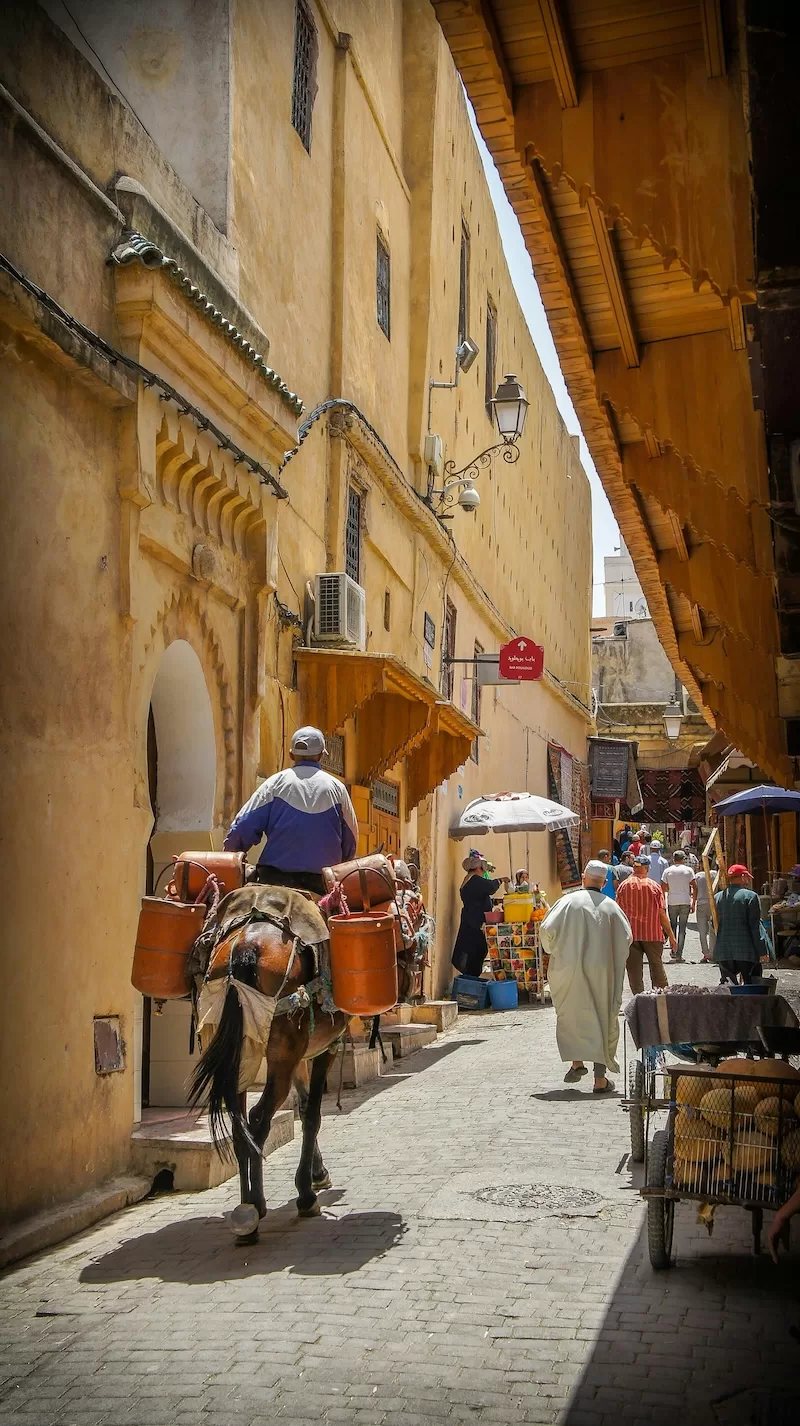
Rabat: The Capital City of Morocco
Rabat is Morocco’s capital, located on the northeastern coast beside Casablanca. It is home to the royal palace, parliament, ministries, and foreign embassies, giving it a regal atmosphere with impressive architecture and orderly streets. In many ways, life here feels more European than North African.
Yet Rabat remains deeply Moroccan, with a UNESCO-listed medina and historic landmarks such as the Chellah ruins, Kasbah of the Udayas, and the Mausoleum of Mohammed V. Smaller and calmer than Casablanca, Rabat offers expats a more affordable and relaxed lifestyle while retaining all the benefits of a major city, including excellent healthcare, education, shopping, and dining. Its political and diplomatic status gives it a strong international feel and a sense of belonging for newcomers.
Pros of living in Rabat
- Balance of heritage and modern life
- Clean and orderly streets
- Excellent transport links
- More affordable than Casablanca
- Easily accessible beaches
- Strong international presence
- Top-tier modern facilities
Cons of living in Rabat
- Moderately high cost of living
- Occasional political activity
- Slightly fewer business opportunities than Casablanca
Who it’s best for: City lovers seeking an international environment
Location: Atlantic coast, northwestern Morocco
Climate: Mild Mediterranean/oceanic climate
Population: ~2 million (~18,000 expats)
Cost of living: Moderately high (~$1,800–$2,200/month average)
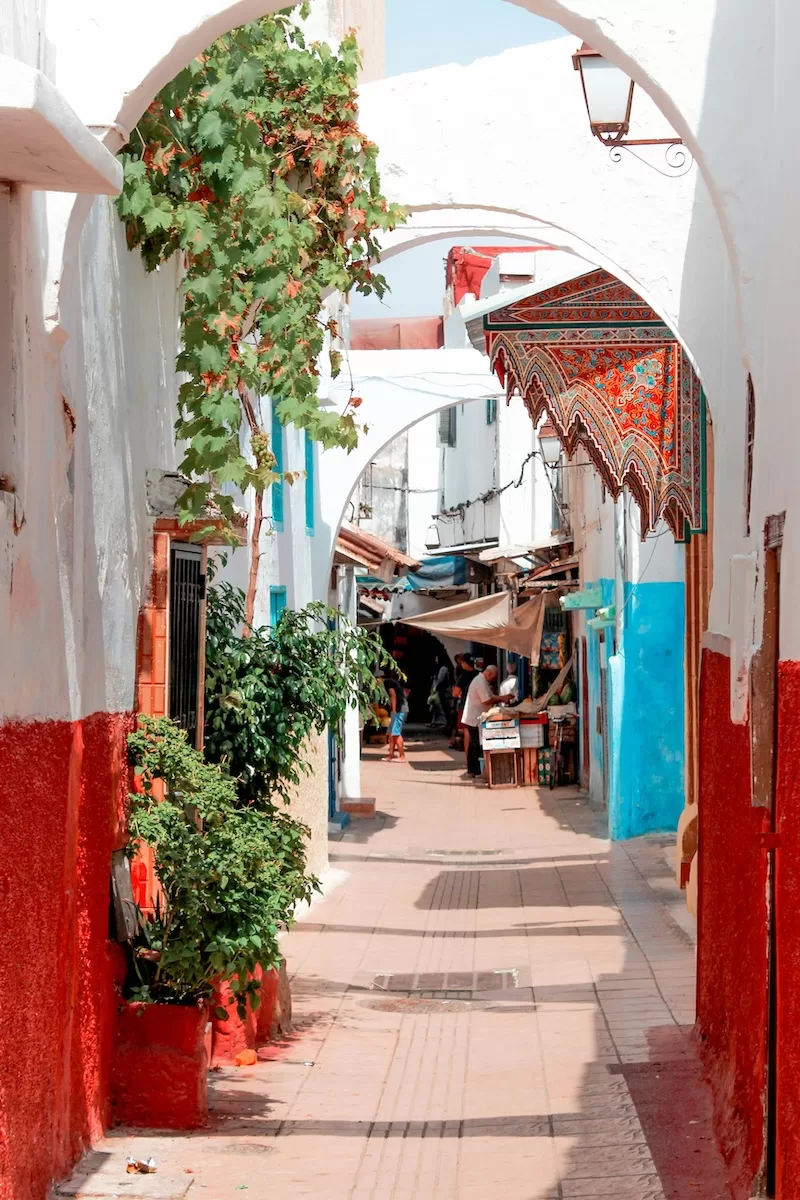
Tangier: The Moroccan Mediterranean City
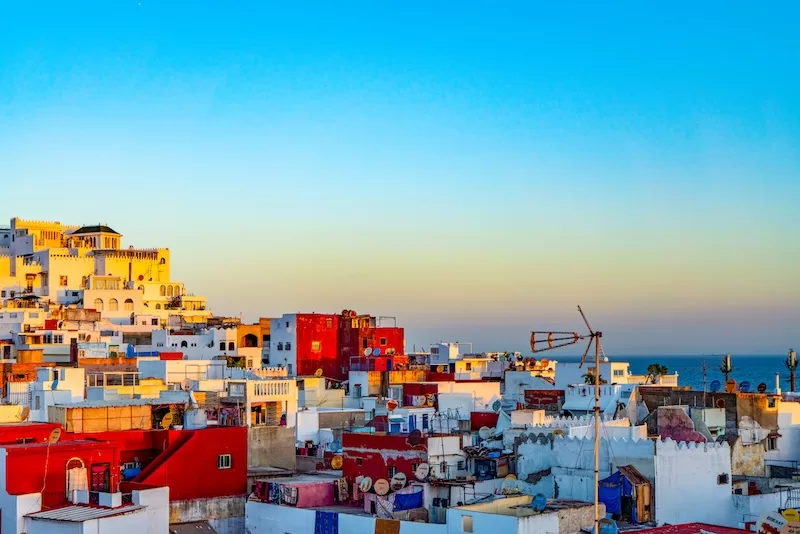
Tangier sits at the northern tip of Morocco overlooking the Strait of Gibraltar, where Africa meets Europe and the Mediterranean meets the Atlantic. A historic port city, Tangier has long been a gateway for trade and culture.
Its proximity to Europe made it one of Morocco’s earliest tourist destinations, attracting cultural figures such as Paul Bowles and Henri Matisse. That artistic legacy remains strong today. Tangier also offers a relaxed Mediterranean lifestyle, beautiful beaches, and increasingly modern infrastructure.
Pros of living in Tangier
- Close proximity to Europe
- Mediterranean climate and lifestyle
- Cultured, artistic community
- Strong heritage
- Growing business opportunities
Cons of living in Tangier
- Frequent tourism influx
- Higher cost of living
- Damp and windy winters
- More conservative than other major cities
Who it’s best for: Culture lovers seeking a Mediterranean feel
Location: Northern Morocco, Strait of Gibraltar
Climate: Mediterranean climate
Population: ~1.3 million (~12,000 expats)
Cost of living: Moderately high (~$1,500–$2,000/month average)
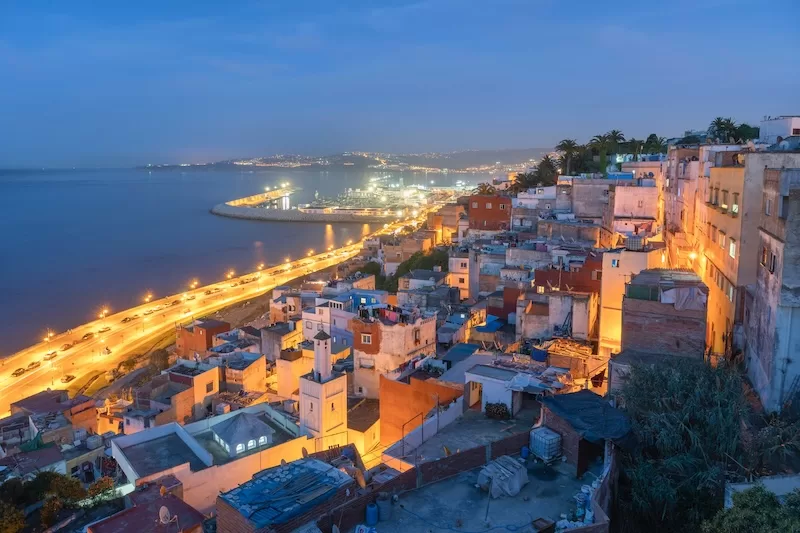
Fez: The Ancient Capital and Cultural Heart of Morocco
Nestled between the Rif Mountains and the Middle Atlas, Fez is Morocco’s original capital and its spiritual, cultural, and intellectual heart. History permeates daily life, from Al-Qarawiyyin University—the world’s oldest continuously operating university—to the Royal Palace.
Expats are drawn to Fez for its depth of culture, where everyday errands feel like stepping back in time. While a modern New Town offers improved infrastructure, Fez remains more conservative and deeply rooted in tradition.
Pros of living in Fez
- Immersive historical experience
- Deep cultural integration
- Hub for traditional crafts
- Lower cost of living
- Easy mountain access
Cons of living in Fez
- Less modern infrastructure
- Very hot summers and cold winters
- Limited public services
- Conservative mindset
Who it’s best for: Lovers of Moroccan history and tradition
Location: Inland northern Morocco
Climate: Mountain climate
Population: ~1.4 million (~5,000 expats)
Cost of living: Moderate (~$900–$1,400/month average)
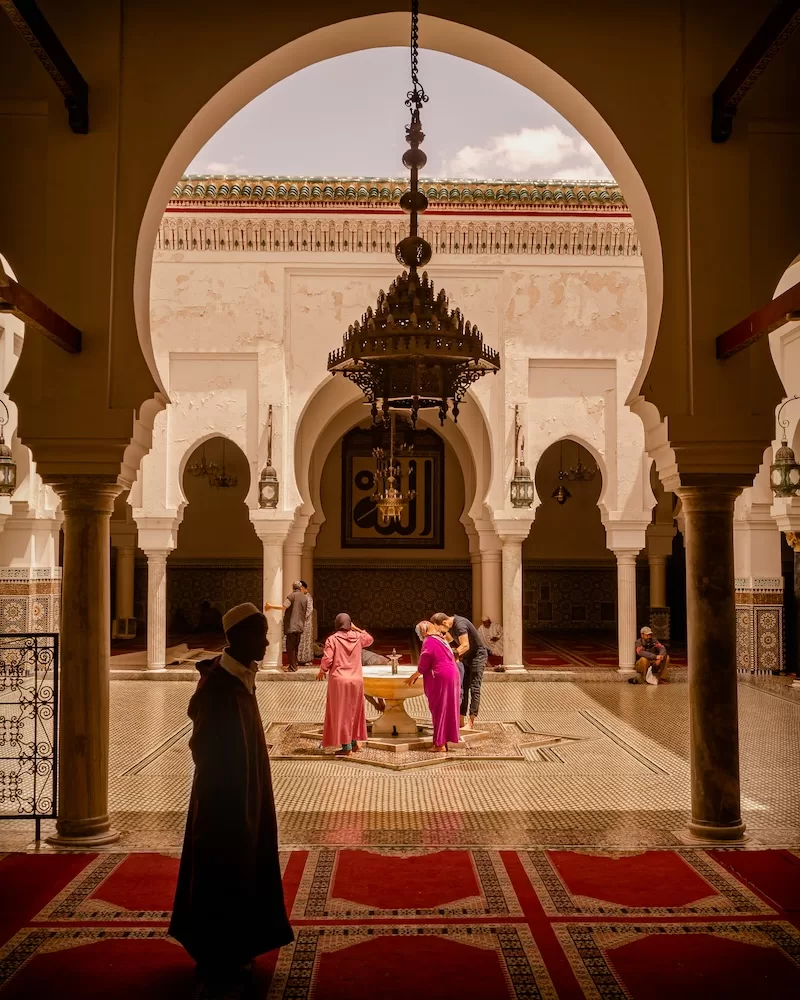
Agadir: The Southern Sunshine City
Agadir is a modern beachfront city on Morocco’s southern Atlantic coast, known for year-round sunshine and long sandy beaches. Surf culture thrives nearby, and life here is relaxed and outdoor-focused.
Although it lacks the cultural depth of older cities, Agadir offers good infrastructure, reasonable costs, and a laid-back atmosphere attractive to expats.
Pros of living in Agadir
- Favorable climate year-round
- Good value for money
- Outdoor-oriented lifestyle
- Strong surf culture
- Relaxed pace
Cons of living in Agadir
- Limited cultural depth
- Unreliable public transport
- Fewer entertainment options
- Tourist-heavy
Who it’s best for: Sunshine seekers on a budget
Location: Southern Atlantic coast
Climate: Semi-arid coastal climate
Population: ~1 million (~10,000 expats)
Cost of living: Moderate (~$900–$1,400/month average)
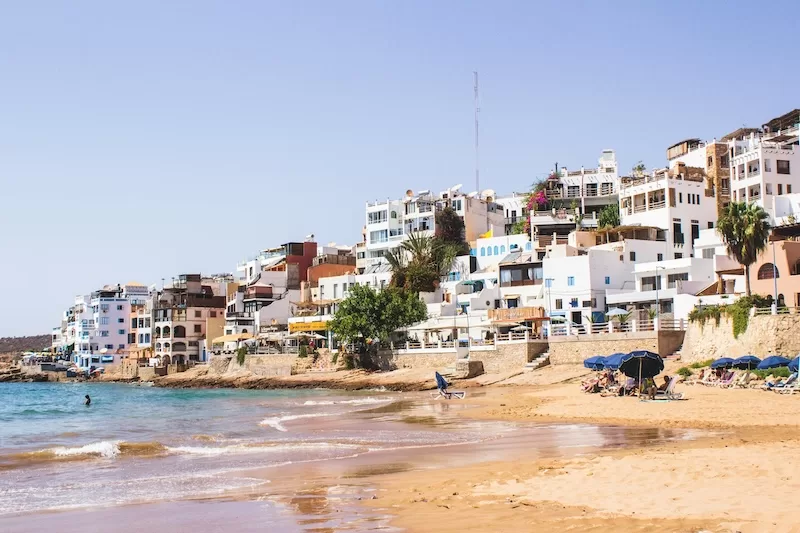
Essaouira: The Bohemian Coastal Town
Essaouira is an ancient port city defined by its windswept walls, artistic soul, and tight-knit community. Inside its medina, galleries, cafés, and boutiques blend tradition with creativity. Though small, Essaouira is rapidly modernizing and increasingly popular with digital nomads and creatives.
Pros of living in Essaouira
- Mild year-round climate
- Slow pace of life
- Strong creative community
- Affordable
- Compact and less polluted
- Excellent kitesurfing
Cons of living in Essaouira
- Strong winds
- High tourism levels
- Limited nightlife and shopping
- Developing infrastructure
Who it’s best for: Digital nomads and creatives
Location: Atlantic coast west of Marrakech
Climate: Windy oceanic climate
Population: ~85,000 (~1,000 expats)
Cost of living: Low to moderate (~$700–$1,200/month average)
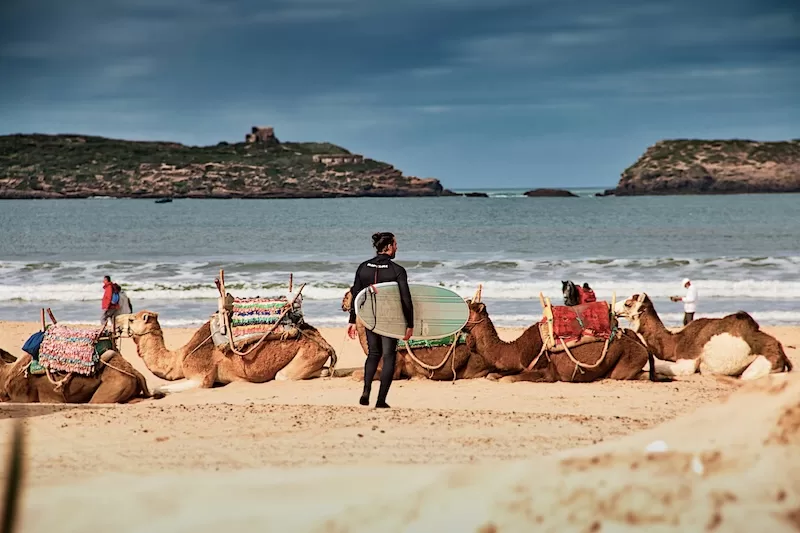
Tamraght: The Trendy Surfer’s Seaside Town
Tamraght is a small surf-and-yoga village near Agadir where traditional life meets a modern, bohemian edge. With coworking spaces, cafés, and surf camps, life here is intentional and slow.
Though tourism can bring crowds, it also fuels a lively social scene filled with events and workshops.
Pros of living in Tamraght
- Strong surf and outdoor lifestyle
- Tight-knit expat and local community
- Affordable cost of living
- Growing coworking and café culture
- Year-round sunshine
Cons of living in Tamraght
- Small village with limited services
- Can feel crowded during peak surf season
- Reliance on nearby towns for healthcare and admin
- Infrastructure still developing
Who it’s best for: Digital nomads, surfers, and entrepreneurs
Location: Southern Atlantic coast
Climate: Semi-arid coastal climate
Population: ~5,000 (<1,000 expats)
Cost of living: Low to moderate (~$700–$1,200/month average)
Finding Your Place in Morocco
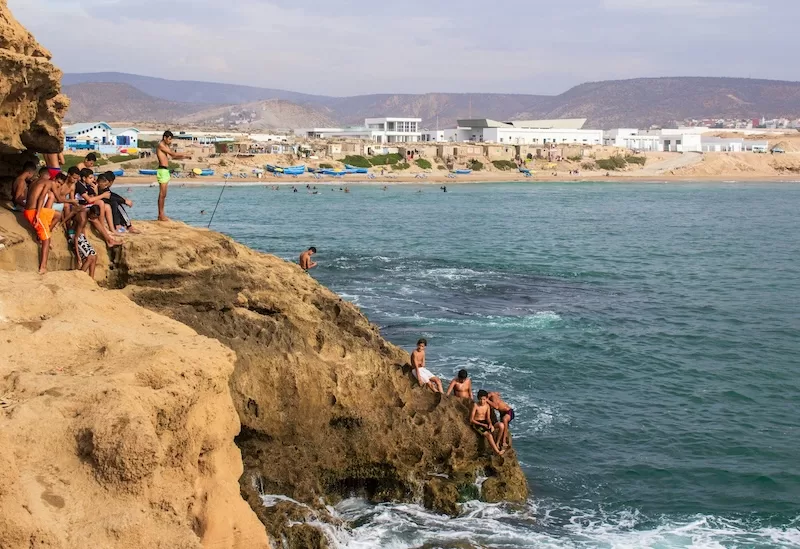
Moving to Morocco is less about finding the “perfect” city and more about finding a rhythm that feels right. From the energy of Casablanca to the history of Fez, the creative calm of Essaouira, or the sun-soaked ease of Agadir and Tamraght, each destination offers a distinct way of living within the same richly layered country.
For expats willing to meet Morocco on its own terms, the rewards are significant. Life here encourages a slower pace, deeper cultural engagement, and a stronger sense of presence—qualities that many find increasingly rare elsewhere. With realistic expectations and an open mind, Morocco can feel less like a relocation and more like a natural next chapter.
Key Takeaways
Which Moroccan city is best for business and finance professionals?
Casablanca is the primary business and finance hub of North Africa. It is home to major international companies and offers the most progressive, fast-paced lifestyle with top-tier healthcare and education facilities.
Is there a digital nomad visa for remote workers in Morocco?
Currently, Morocco does not offer a specific digital nomad visa. While it is a popular destination for remote workers due to its affordability and culture, long-term residency typically requires other visa categories or business ownership.
What is the cost of living for an expat in Morocco?
The cost of living varies significantly by city. Major hubs like Casablanca and Rabat range from $1,800 to $2,500 per month, while more traditional or smaller coastal towns like Fez or Essaouira can be as low as $700 to $1,400.
How safe is Morocco for foreign residents and families?
Morocco is generally considered a safe country for expats. Most crimes are petty theft, and many expats choose to live in gated communities for added comfort and security, though this is often a personal preference rather than a necessity.
What are the primary languages spoken in Morocco?
While Darija (Moroccan Arabic) is the most common, French is widely used in business and government. English is increasingly common in major cities and tourist areas, making it relatively easy for expats to integrate and communicate.
About the Author
Emily Draper is an experienced travel and lifestyle writer and editor from the UK who has written for brands including Culture Trip, Hidden Compass, and tourism boards in Greenland, Luxembourg, and Copenhagen. She has travelled to over 70 countries across all seven continents, now calling Morocco her home.
Contact Author
"*" indicates required fields
Stay Ahead on Every Adventure!
Stay updated with the World News on Escape Artist. Get all the travel news, international destinations, expat living, moving abroad, Lifestyle Tips, and digital nomad opportunities. Your next journey starts here—don’t miss a moment! Subscribe Now!
Did you know Morocco is one of the most popular African countries for European and American expats to relocate to? As of now, there are more than 100,000 expats living in Morocco, and as the country continues to expand in business, infrastructure, and opportunity, its expat population is set to grow, too. It’s the perfect choice for those looking for a favorable climate, rich culture, and immense natural beauty without being far away from the West. If you’re one of them, this destination guide for moving to Morocco will give you the clarity you need on where to base yourself.
While most associate Morocco with Marrakech’s ancient medinas, maze-like souks, and cheeky bartering, there’s so much more to discover and understand about this long and diverse country. While Marrakech is a popular choice for expats, particularly because of its modern society built on rich heritage, each destination has its own unique personality, benefits, and lifestyle to offer.
From other popular expat destinations like Tangier, Rabat, and Casablanca, to emerging destinations like Agadir, Essaouira, and Tamraght, this article summarizes the vibe of each place, the pros and cons, and provides you with useful details like climate, expat population, and more. Read on to find out all the important details of potential expat destinations in Morocco—you may be surprised which one feels like the best fit for you.
Good Things to Know Before Moving to Morocco
While the lifestyle, infrastructure, opportunities, and integration differ for each destination in Morocco, it’s worth considering whether the country as a whole meets the standard you’re looking for before choosing your new address. So let’s take an overview of Morocco’s general outlook for expats and share some good things to know before moving there.
If you'd like to read the full story, simply enter your email to subscribe to our newsletter.
For even more expert insights, unmissable resources, and exclusive invites, explore our premium subscription offers here.
OR
Already a Subscriber? Click here to login
Subscription required
You've reached your limit of free articles. For full access to Escape Artist, and all of our insights on travel, moving abroad, and the digital nomad life, click here to Subscribe.
Already a Subscriber? Log in here


