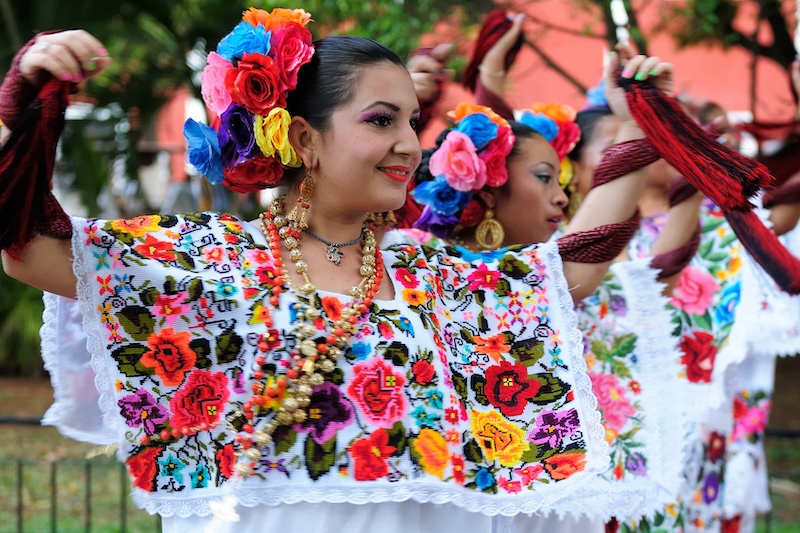
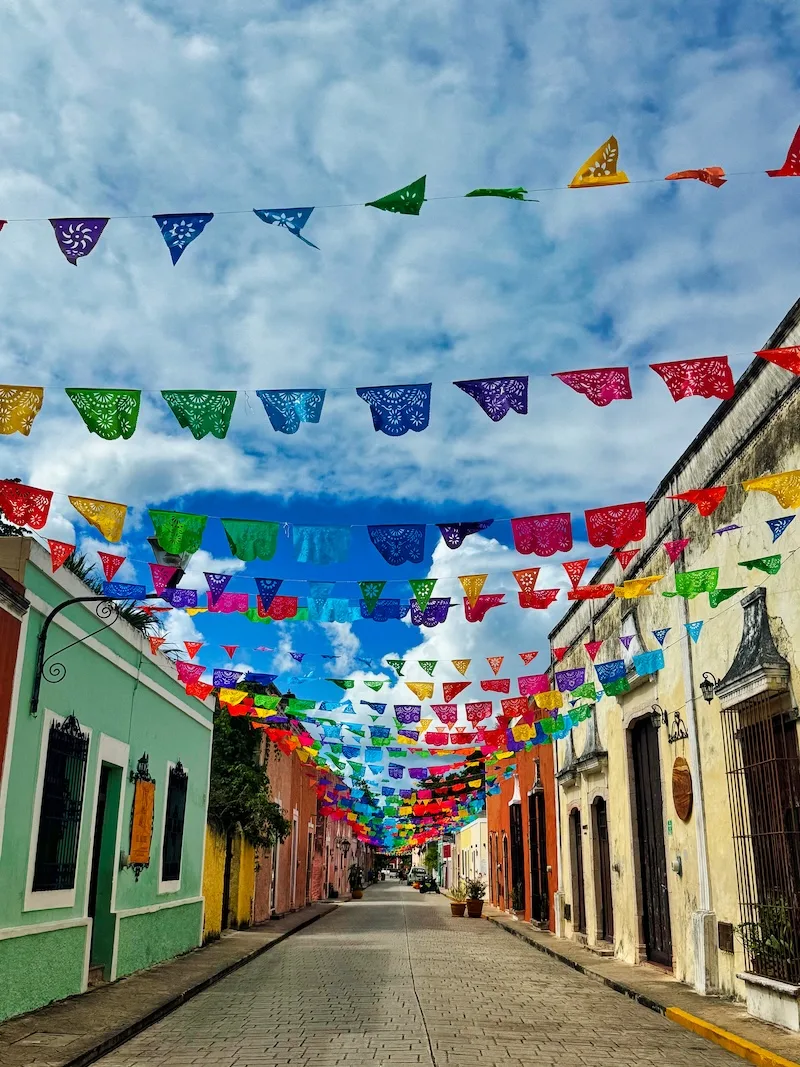
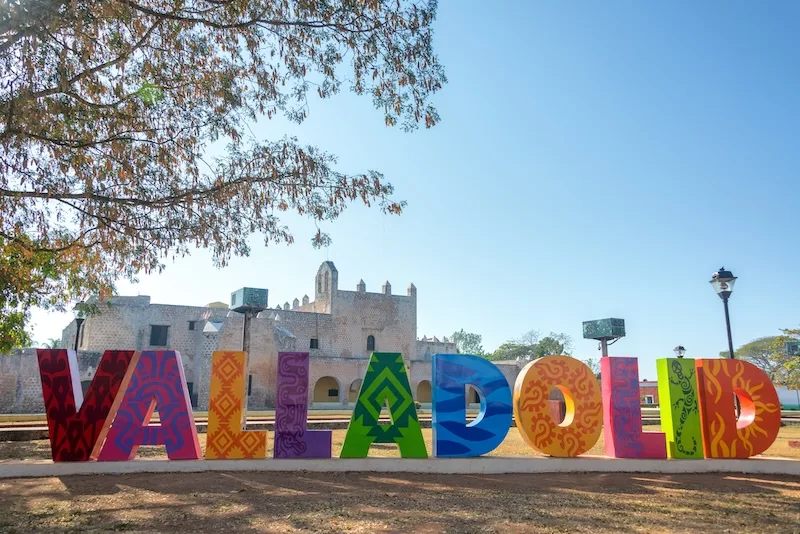
If you’re investigating relocation destinations in Mexico where daily life remains intimately tied to regional traditions, head to Valladolid: a historic city in the eastern Yucatán Peninsula. Known for its pastel-colored houses, shaded plazas, colonial churches, and proximity to important Maya archaeological sites, Valladolid offers a comforting combination of cultural richness and small-town tranquility. The appeal of this Yucatán pueblo eschews coastal glamour in favor of a more relaxed relationship between history, community, and the surrounding landscape.
While sometimes treated as a stopover en route to Chichén Itzá, Valladolid is quietly claiming its place as a sun-drenched sanctuary for expats, remote workers, and retirees. Daily life in town still revolves around public squares and neighborhood businesses, while the surrounding countryside offers access to cenotes, archaeological sites, and communities where Maya heritage remains a vital force.
Arriving in the Center of the Eastern Yucatán
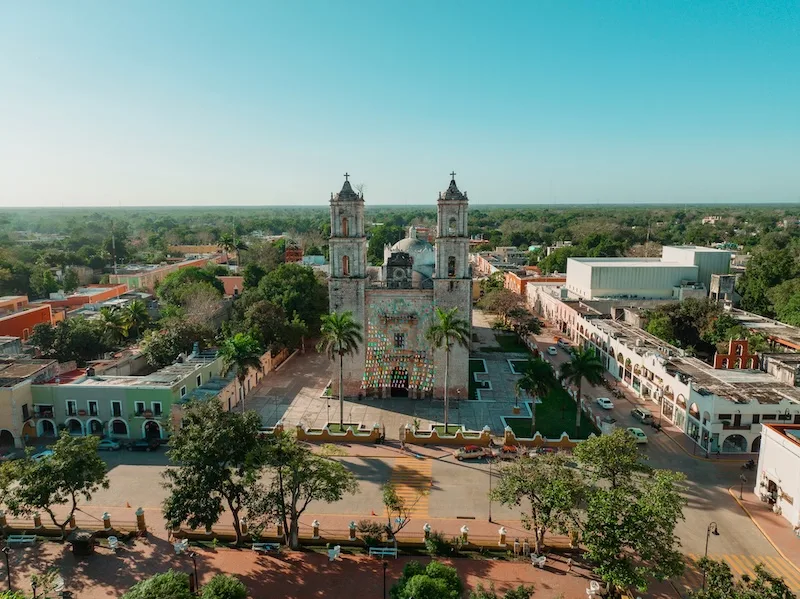
Valladolid occupies a convenient midpoint between Mérida and Cancún, approximately 160 kilometers from either city by road. Both major cities offer airports with extensive domestic and international connections, making Valladolid accessible to residents who prefer to live outside a major urban center. The city is also connected to regional destinations by bus services and the Tren Maya, which has expanded travel options across the peninsula.
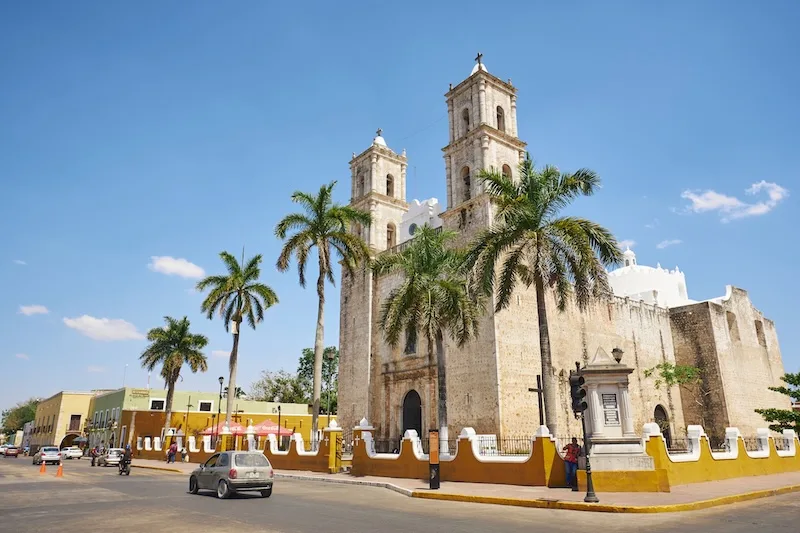
For prospective residents, Valladolid proposes the possibility of an affordable home where everything is within walking distance. The historic center is organized around Parque Francisco Cantón Rosado, a verdant public square opposite the austere Iglesia de San Servacio. From here, streets lead past traditional shops, cafés, and restaurants. The nearby Calzada de los Frailes, a cobblestone thoroughfare particularly noted for its colorful facades and restored buildings, offers a glimpse of the city’s architectural character and contemporary creative life. Its independent boutiques, cafés, and craft shops distinguish it as one of the city’s most recognizable streets. Traveling to its western end, one can visit the Ex-Convento de San Bernardino de Siena, a sixteenth-century Franciscan complex that reflects the city’s complex colonial history.
Maya Foundations and Colonial History
Valladolid’s identity is inseparable from the history of the Maya peoples of eastern Yucatán. While the Spanish established the city in 1543 near the earlier Maya settlement of Zací, the region’s indigenous heritage continues to profoundly influence its language, cuisine, craftsmanship, and social life.
The history of the town center provides essential context for understanding the contemporary Yucatán, where indigenous cultural practices have persisted through centuries of political and economic change. Valladolid served as a center of resistance and political upheaval under Spanish rule, including events associated with the nineteenth-century Caste War and the revolutionary unrest of 1910.
The archaeological sites surrounding Valladolid provide further insight into this multifaceted heritage. Ek Balam, known for its monumental architecture and elaborate sculptural details, lies only a short drive from the city. Chichén Itzá, one of the most renowned archaeological sites in the Americas, is also accessible by day trip. For residents, the proximity of these places offers an opportunity to engage with the region’s past beyond occasional sightseeing.
Within town limits, the Ex-Convento de San Bernardino de Siena, located in the Sisal neighborhood, is among Valladolid’s most significant historic landmarks; its substantial stone walls and spacious grounds reflect the monumental architectural ambitions of the period. Nearby, Parque de Sisal provides a quieter setting tucked away from the busiest streets of the center. The Museo de San Roque, housed in a local historic building, offers additional context for understanding the city’s development.
For newcomers, Valladolid’s history is not limited to its representation in formal institutions, but shapes everyday community traditions.
Food as Culture: Eating in Valladolid
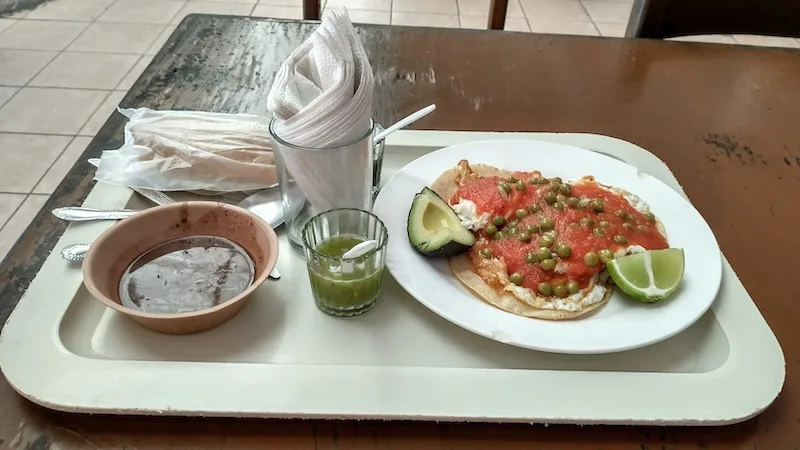
Yucatecan cuisine is among the region’s most distinctive cultural expressions, and Valladolid provides an accessible introduction to its flavors. The city’s restaurants and market stalls serve dishes shaped by Maya culinary traditions and centuries of cultural exchange.
Panuchos and salbutes, made with tortillas and topped with combinations of meat, vegetables, and pickled onion, are familiar local favorites. Cochinita pibil, traditionally prepared with achiote and citrus, serves as another regional staple. Other dishes to try include papadzules, tortillas filled with egg and covered in pumpkin-seed sauce, and lomitos de Valladolid, a local pork dish prepared with tomato and other seasonings.
The city’s traditional market provides a glimpse into daily life and food culture. Mercado Municipal and the surrounding market streets source the town with fresh produce, tortillas, regional ingredients, and prepared meals. For residents, such markets also present an affordable alternative to supermarkets and create opportunities to become familiar with local vendors and seasonal foods.
Valladolid’s dining scene has expanded alongside its growing international profile. Along Calzada de los Frailes and the historic center, independent cafés and restaurants inhabit restored buildings and courtyards. While some venues cater to international tastes, many emphasize traditional Yucatecan cooking, and the resulting variety allows residents to enjoy contemporary dining without losing access to the region’s culinary heritage.
Affordable Living with Considerations
Valladolid can be drastically less expensive than Mexico’s nearby major resort destinations, but housing costs vary according to location, condition, furnishings, and proximity to the historic center. The local rental market is also smaller than those of Mérida or Playa del Carmen, so prospective residents may need more time to find a suitable long-term property.
As a practical starting point, a modest one-bedroom rental may cost approximately US$350 to $600 per month, while a furnished or renovated property near the historic center may range from US$600 to $900 or more. A single person might budget approximately US$1,000 to $1,500 per month, including rent, for a modest lifestyle. Residents who prefer larger accommodations, frequent restaurant meals, or regular regional travel should budget more generously.
The climate also affects household expenses; high temperatures and year-round humidity make air conditioning essential, particularly at night. Electricity costs can therefore vary substantially according to the size of a home, its insulation, and individual air-conditioning use. Remote workers should also verify internet availability and performance at a prospective residence before signing a lease.
Healthcare access also requires some planning. Valladolid has local clinics, pharmacies, and medical services for routine needs, but its range of specialist facilities is notably more limited than that of nearby urban hubs. Residents with complex medical needs may prefer to retain access to larger medical centers in Mérida or Cancún. Before moving, expats should review their insurance arrangements, identify nearby providers, and consider travel options for specialist appointments.
A Relaxed Tempo of Life and a Smaller Expat Community
Valladolid’s daily rhythms differ significantly from those of Mexico’s major international destinations. The town center remains a primary gathering place for residents, with the main plaza and neighborhood parks providing spaces for local culture and community events. Religious celebrations, cultural festivals, and seasonal activities bring additional life to the streets throughout the year. The churches of Santa Ana and La Candelaria, together with the historic buildings of the Sisal neighborhood, provide landmarks around which the quieter residential areas have developed.
While Valladolid possesses an international population, its expat community is smaller and less established than those in Mérida, Playa del Carmen, or Tulum. English is spoken in some tourism-oriented businesses, but Spanish proficiency remains important for navigating daily life and developing relationships beyond the visitor economy; learning the language will make housing arrangements, medical appointments, interactions with local tradespeople, and participation in community activities considerably easier. Respect for Maya heritage and local customs is equally important, especially in surrounding communities where traditions remain closely tied to local identity.
Final Thoughts
Valladolid’s appeal lies in its combination of historical depth, regional identity, and manageable size. Its colonial streets and public squares provide a distinctive setting for daily life, while Maya traditions remain visible in the surrounding communities, the local cuisine, and the cultural landscape of eastern Yucatán.
For expats and retirees seeking a tranquil alternative to Mexico’s larger destinations, Valladolid offers a compelling combination of relatively accessible living costs, walkable streets, and proximity to cenotes and archaeological sites. Valladolid shines as a relocation choice for those to whom the rewards of local, community-oriented living are more important than the conveniences of the peninsula’s international enclaves.
However, prospective residents should remain conscientious about practical considerations: specialist healthcare and international services are more limited in Valladolid, the tropical climate can be demanding, and the smaller rental market requires patience. In light of the city’s growing popularity, newcomers should also consider how rising housing demand affects established communities.
Ultimately, Valladolid rewards those who approach it with curiosity and a willingness to participate in local life. The town’s unique regional character emerges gradually through market visits, conversations in Spanish, evenings in the plaza, and journeys into the surrounding countryside.
Living in Valladolid, Mexico: Common Questions
How much does it cost to live in Valladolid?
A modest one-bedroom rents for about US$350 to $600 a month, and a furnished or renovated place near the center for US$600 to $900 or more. A single person living modestly might budget US$1,000 to $1,500 a month, including rent.
How far is Valladolid from Mérida and Cancún?
About 160 kilometers from each by road. Both cities have international airports, and Valladolid has a Tren Maya station and regular bus services.
Is there a large expat community in Valladolid?
No. It is smaller and less established than the communities in Mérida, Playa del Carmen or Tulum. Some tourist businesses speak English, but Spanish makes daily life much easier.
What is healthcare like in Valladolid?
Valladolid has clinics, pharmacies and services for routine needs. Specialist care is limited, so many residents travel to Mérida or Cancún for it.
About the Author
Ulrich Baer is an author, freelance writer, and experienced traveler. His work focuses on the myriad ways history manifests itself in contemporary culture and architecture. After completing his MFA in Literary Arts at Brown University, he began exploring different regions of the world and currently calls Mexico home.
Contact Author
"*" indicates required fields
Stay Ahead on Every Adventure!
Stay updated with the World News on Escape Artist. Get all the travel news, international destinations, expat living, moving abroad, Lifestyle Tips, and digital nomad opportunities. Your next journey starts here—don’t miss a moment! Subscribe Now !
If you’re investigating relocation destinations in Mexico where daily life remains intimately tied to regional traditions, head to Valladolid: a historic city in the eastern Yucatán Peninsula. Known for its pastel-colored houses, shaded plazas, colonial churches, and proximity to important Maya archaeological sites, Valladolid offers a comforting combination of cultural richness and small-town tranquility. The appeal of this Yucatán pueblo eschews coastal glamour in favor of a more relaxed relationship between history, community, and the surrounding landscape.
While sometimes treated as a stopover en route to Chichén Itzá, Valladolid is quietly claiming its place as a sun-drenched sanctuary for expats, remote workers, and retirees. Daily life in town still revolves around public squares and neighborhood businesses, while the surrounding countryside offers access to cenotes, archaeological sites, and communities where Maya heritage remains a vital force.
If you'd like to read the full story, simply enter your email to subscribe to our newsletter.
For even more expert insights, unmissable resources, and exclusive invites, explore our premium subscription offers here.
OR
Already a Subscriber? Click here to login
Subscription required
You've reached your limit of free articles. For full access to Escape Artist, and all of our insights on travel, moving abroad, and the digital nomad life, click here to Subscribe.
Already a Subscriber? Log in here