Every great expat island was once a secret. Bali, Tenerife, Phuket, and the rest were all, at some point, places a handful of people had found and the rest of the world had not. Then word spread, the prices climbed, and the secret became a destination.
The interesting question is never which islands have already arrived. It is which ones are arriving now, quietly, while the crowd is still looking elsewhere. In 2026 there are several, scattered across the Atlantic, the Mediterranean, the Caribbean, and the slow corners of Southeast Asia.
None of them are undiscovered in the strict sense. People live there, foreigners have found them, and you can look them up. What they are is under-discovered, still early enough that arriving feels like getting in ahead of something rather than joining the back of a queue.
What they share is a particular moment in their development. They have enough infrastructure to live on and enough internet to work from, but not yet the prices or the crowds that come with full discovery. This is a guide to those islands, and to why the window on each of them is open right now.
Europe’s Atlantic Secret
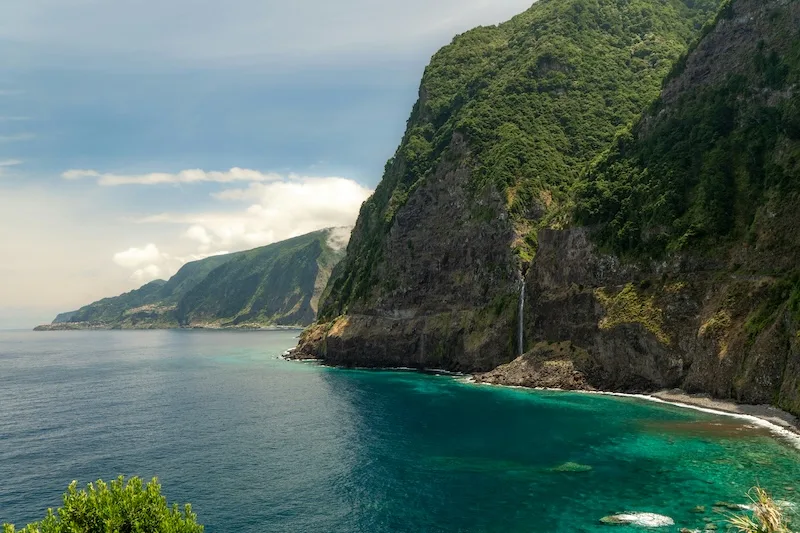
The strongest emerging island story in Europe is Portuguese, and it sits far out in the Atlantic. The Azores, a chain of nine volcanic islands, offer something increasingly rare, which is genuine European life at a genuinely low cost.
On São Miguel, the largest island, a one-bedroom apartment in the capital of Ponta Delgada rents for around nine hundred euros, and well below that outside the center. Groceries, transport, and utilities are cheaper than almost anywhere comparable in Western Europe. Fiber internet reaches the larger islands, making remote work entirely viable.
The appeal runs deeper than price. The climate is mild and subtropical, the crime rate is low, and the landscape of craters, hot springs, and whale-watching coastline is spectacular. Best of all, the Azores come with the full weight of Portuguese residency behind them.
A non-European can move there on Portugal’s D7 visa for those with passive income, or its D8 digital nomad visa for remote workers. That turns a remote Atlantic island into a legal foothold in the European Union. Madeira, Portugal’s other Atlantic island, has traveled a little further down the same road, with an established digital nomad village at Ponta do Sol and a growing international community.
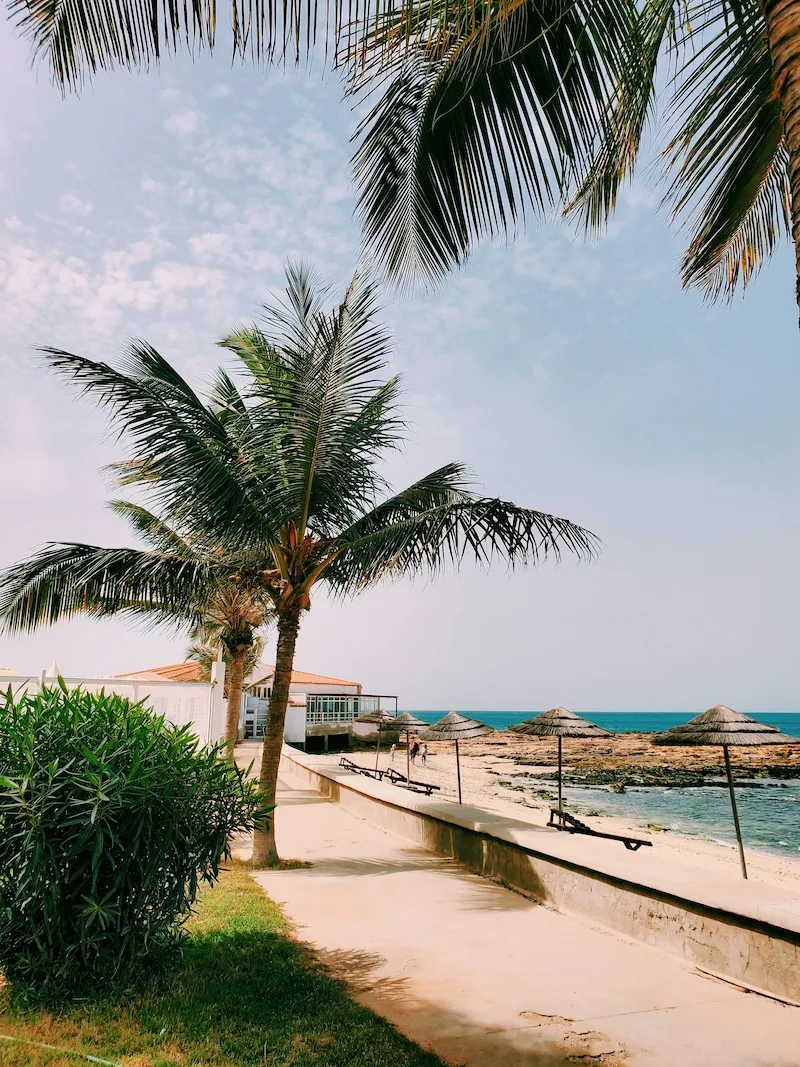
Further south in the same ocean sits an option fewer people consider. Cape Verde, an archipelago off the West African coast, offers year-round sun, a stable and welcoming climate for foreigners, and costs well below European levels. Islands like Sal and São Vicente are slowly building the kind of community that makes a long stay comfortable, without the saturation that has reached the Canaries.
The Mediterranean’s Quieter Corner
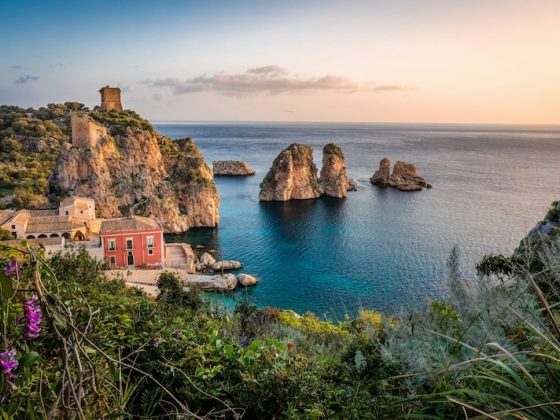
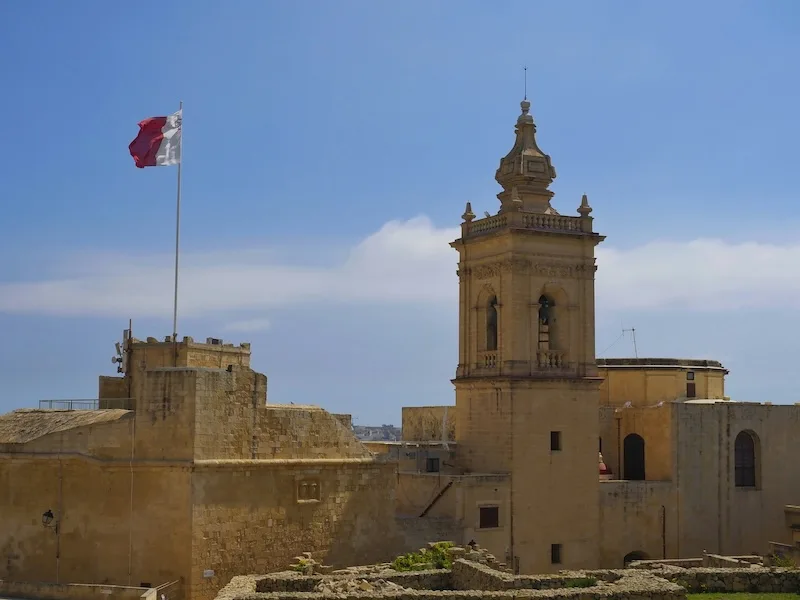
The Mediterranean is the most discovered sea on earth, which makes its remaining secrets valuable. The best of them may be Gozo, the small sister island of Malta, a short ferry ride from the main island and a world away in pace.
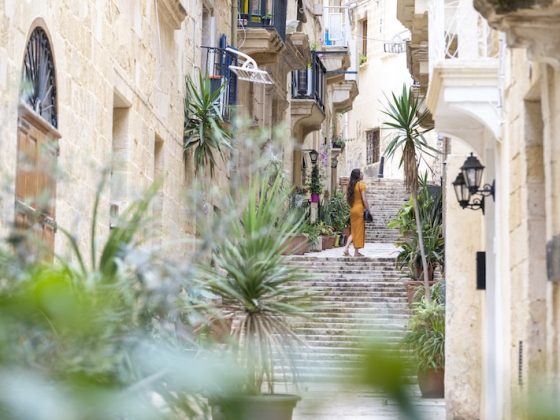
Gozo offers everything that makes Malta attractive to the internationally minded. English is an official language, the island is part of the European Union, and the residency and tax frameworks are among the most developed anywhere. What Gozo adds is quiet.
Where Malta proper has grown busy and built-up, Gozo remains rural, green, and slow, with honey-colored villages, empty coves, and a population that still farms and fishes. For someone who wants the legal and linguistic ease of Malta without the congestion, it is a quietly compelling answer.
The smaller Greek islands offer a similar trade in a different key. Greece now gives new foreign retirees a seven percent flat tax on foreign income for up to fifteen years, a genuine incentive to settle. Islands like Crete, Naxos, and Syros pair that deal with year-round communities and real towns, rather than the seasonal emptiness that hollows out the more famous destinations each winter.
The Caribbean Beyond the Postcards
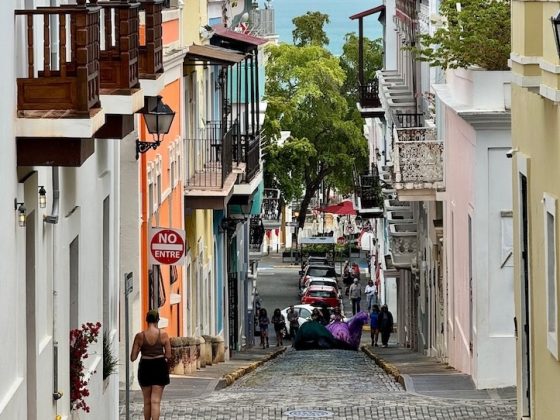
The Caribbean is full of islands that are either eye-wateringly expensive or genuinely difficult to live on. Between those extremes sit a few that have quietly become realistic, affordable homes for expats.
Roatán, off the coast of Honduras, is the clearest example. It offers world-class diving, a long-established English-speaking community descended from the island’s history, and a cost of living far below the Caribbean average. Honduras also makes residency relatively straightforward for those with modest pension or investment income.
Elsewhere in the region, Belize deserves a look for its English-speaking ease and its accessible Qualified Retired Persons program. Ambergris Caye remains its most popular island base, with Caye Caulker a smaller and cheaper alternative next door.
For those drawn to the eastern Caribbean, the smaller Grenadine islands such as Carriacou offer a slower, cheaper life under the umbrella of Grenada’s stable, English-speaking system. These are not the polished, gated Caribbean of the brochures, and that is precisely the point. The roughness is what keeps them affordable while the bigger names price themselves out of reach.
Asia’s Slow Islands
Southeast Asia has long been the heartland of island living on a budget, but its most famous islands have paid the price of fame. The emerging story now is on the quieter ones, the islands that the crowds have not yet reached.
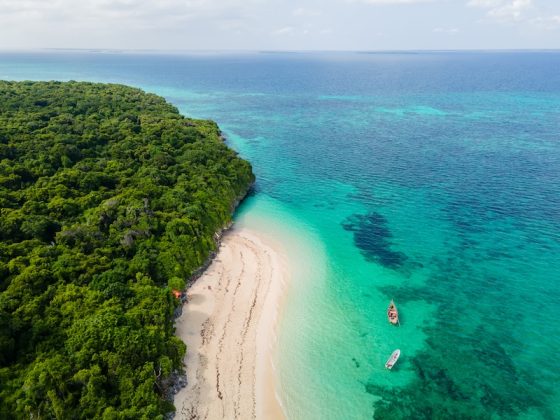
In Thailand, while Phuket and Koh Samui have filled up, smaller islands like Koh Lanta and Koh Phangan have developed just enough to support a comfortable long stay. They have reliable internet, growing nomad communities, and monthly costs that can still fall below a thousand dollars.
Further off the map, islands like Koh Mak and Koh Kood remain almost undeveloped, with no cars, few resorts, and beaches that belong to the people who live there. [Not car-free. See section 1, point 3.] Thailand’s long-term visa options, including its retirement visa and its newer long-stay programs, make settling in for the long run increasingly practical.
The Philippines offers its own version in Siargao, a surf island that has quietly become a nomad favorite without losing its easy pace. Malaysia’s Langkawi deserves mention too, pairing duty-free island life with the country’s established, if recently tightened, Malaysia My Second Home residency route. Across the region, the pattern holds, which is that the quieter the island, the more of the old magic survives.
What These Islands Have in Common
The islands on this list are scattered across four regions and could hardly be more different in culture or climate. But they share the handful of traits that separate a genuine emerging haven from a mere beautiful place.
The first is a workable income path. Each of these islands has either reliable internet for remote work, an accessible residency route for retirees, or both. An island with no way to legally stay and no way to earn is a holiday, not a home.
The second is the sweet spot on the development curve. Each has crossed the threshold of basic livability, with healthcare, connectivity, and a foreign community to plug into, without yet crossing into saturation. That middle stretch is where both the affordability and the sense of discovery live.
The third is a community already forming. None of these islands is empty, and that matters more than it sounds. The hardest part of moving somewhere new is finding your people, and an island with a small but genuine international presence does half of that work for you before you arrive.
How to Choose, and When to Move
The right island depends entirely on what you need from one. If you want European residency and infrastructure, the Azores, Madeira, or Gozo lead the field. If your priority is the lowest possible cost and the warmest water, the quieter Thai islands and parts of the Caribbean win.
Whatever the choice, the honest work is the same. Visit first, ideally in the off-season when the real texture of island life shows itself, and check the things that matter more than the view. Look hard at the internet, the healthcare, the flight connections home, and the residency route before committing anything.
Island life also asks for a particular temperament. Supplies arrive by boat, services are thinner, and the isolation that feels romantic in week one can feel confining by month six. The people who thrive are the ones who wanted less, not more, and found it.
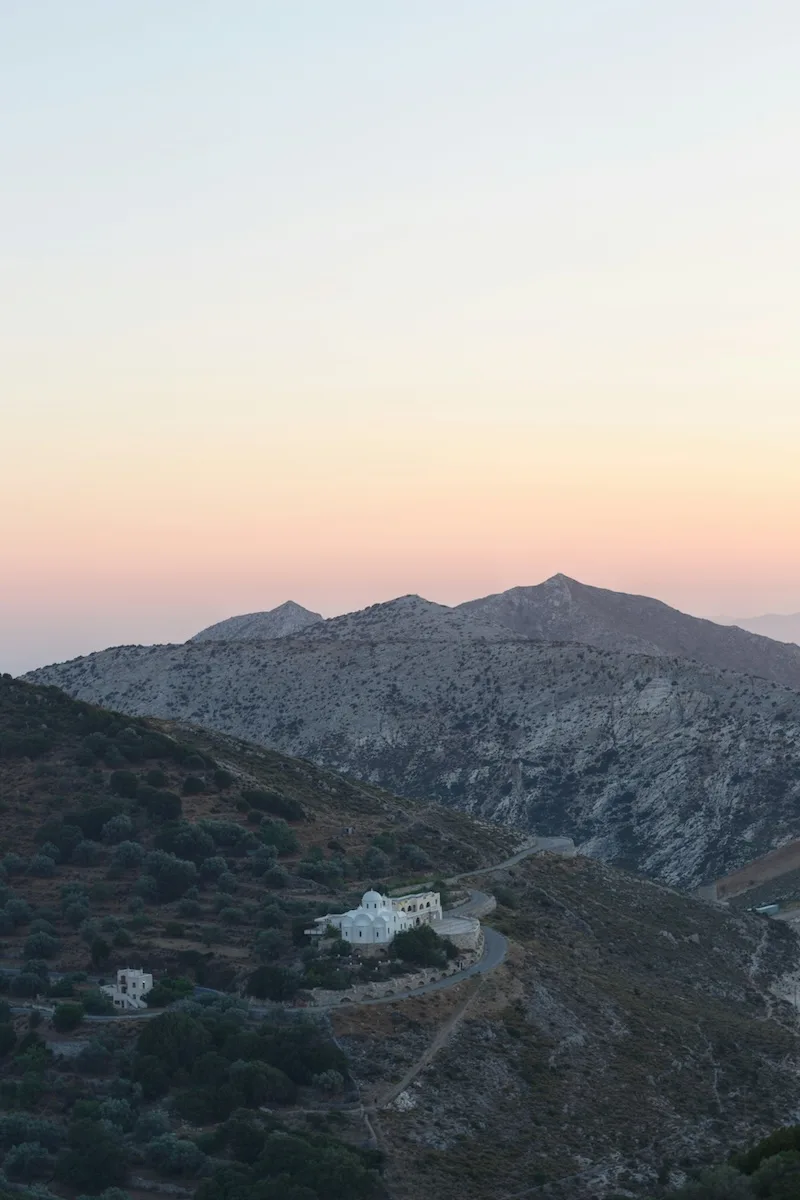
The deeper opportunity here is one of timing. These islands are at the exact point every great haven passes through once, the moment after it becomes livable and before it becomes expensive.
That window does not stay open. The people who found Bali or the Algarve early did not have better information than everyone else, they simply moved while the moving was good. The next great expat islands are already out there, quietly filling with the people who noticed first.
Best Islands for Expats: Common Questions
Which are the best islands for expats in 2026?
The ones still early in their growth: the Azores and Madeira in the Atlantic, Gozo and smaller Greek islands such as Naxos and Syros in the Mediterranean, Roatán and Belize’s cayes in the Caribbean, and Koh Lanta, Koh Phangan and Siargao in Southeast Asia. They have the internet and services to live on, without the prices of the famous names.
Which islands give you a route to EU residency?
The island itself gives you nothing; the country’s visa does. The Azores and Madeira come under Portugal, so non-Europeans can use the D7 visa for passive income or the D8 for remote workers. Gozo comes under Malta, and the Greek islands under Greece, each with its own residency routes.
What is the cheapest island for expats?
The quieter Thai islands, such as Koh Lanta and Koh Phangan, where monthly costs can still fall below $1,000. In the Caribbean, Roatán has a cost of living well below the regional average.
What should you check before moving to an island?
Visit in the off-season first. Then check the internet, healthcare, flights home and the residency route before you commit. Supplies arrive by boat and services are thinner, so island life suits people who want less, not more.
Contact Author
"*" indicates required fields
Stay Ahead on Every Adventure!
Stay updated with the World News on Escape Artist. Get all the travel news, international destinations, expat living, moving abroad, Lifestyle Tips, and digital nomad opportunities. Your next journey starts here—don’t miss a moment! Subscribe Now !
Every great expat island was once a secret. Bali, Tenerife, Phuket, and the rest were all, at some point, places a handful of people had found and the rest of the world had not. Then word spread, the prices climbed, and the secret became a destination.
The interesting question is never which islands have already arrived. It is which ones are arriving now, quietly, while the crowd is still looking elsewhere. In 2026 there are several, scattered across the Atlantic, the Mediterranean, the Caribbean, and the slow corners of Southeast Asia.
None of them are undiscovered in the strict sense. People live there, foreigners have found them, and you can look them up. What they are is under-discovered, still early enough that arriving feels like getting in ahead of something rather than joining the back of a queue.
If you'd like to read the full story, simply enter your email to subscribe to our newsletter.
For even more expert insights, unmissable resources, and exclusive invites, explore our premium subscription offers here.
OR
Already a Subscriber? Click here to login
Subscription required
You've reached your limit of free articles. For full access to Escape Artist, and all of our insights on travel, moving abroad, and the digital nomad life, click here to Subscribe.
Already a Subscriber? Log in here