Living abroad changes how you use digital tools. Banking, healthcare, visas and housing all rely on online accounts, and email sits at the centre of almost every one of them. For expats, it becomes the main link between countries, identities and institutions.
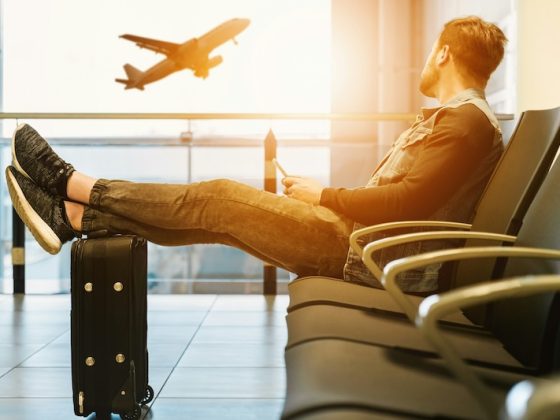
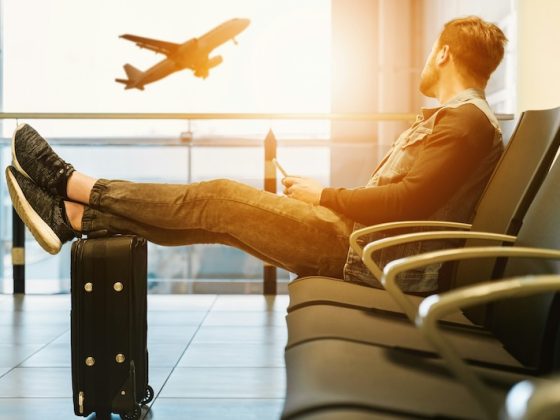
That also makes it one of the most exposed parts of a digital life. Crossing borders often means connecting to unfamiliar networks, using shared Wi-Fi in airports or cafés, and accessing accounts from multiple jurisdictions. Each of those moments adds a layer of complexity to how personal data is handled and protected.
In that context, choosing the right email setup is less about convenience and more about control.
Email becomes a global identity hub for expats
When you move between countries, your inbox effectively becomes your personal records system. Residency documents, tax communications, rental agreements and travel confirmations all end up stored in one place.
Many expats rely on a single email account for everything—which works, until it doesn’t. A compromised inbox can create problems across multiple systems at once, especially when recovery emails and login links all point back to the same address.
A more structured mail setup helps reduce that dependency. Separate addresses for banking, travel and personal communication can make it easier to manage information across borders without everything being tied to a single account.

Cross-border use increases privacy risks
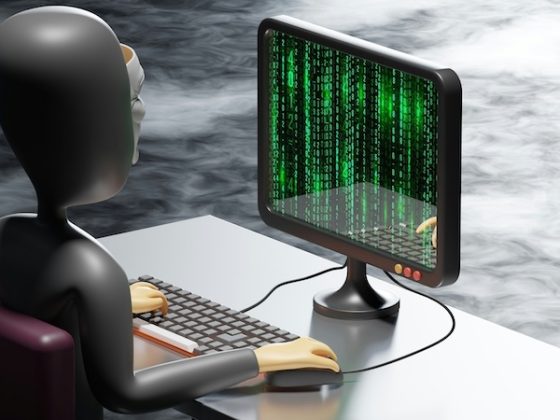
Different countries have different data laws and infrastructure standards. That means your email traffic may pass through servers in multiple regions depending on where you are and which services you use. These kinds of cross-border risks are also what drive demand for expertise in areas like cybersecurity career paths and specialised roles focused on protecting digital systems and sensitive communications.
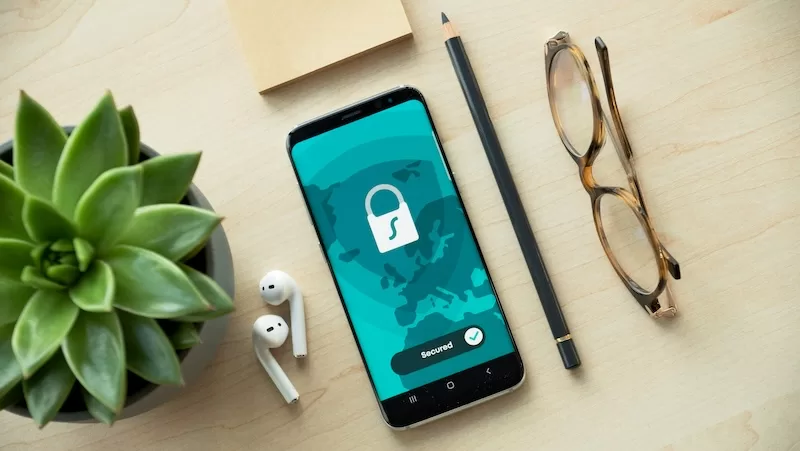
Public Wi-Fi networks add another layer of exposure. Airports, hotels and co-working spaces are convenient, but they are not always secure. Without proper protection, sensitive logins and messages can be more vulnerable to interception.
This is where tools like VPNs become relevant. Guidance such as the EFF guide to choosing a VPN explains how encrypted connections can help protect data in transit, especially when working across unfamiliar networks.
Expat life increases reliance on digital communication
Moving between countries often means dealing with time zones, remote employers and international service providers. Email becomes the default method for everything from official correspondence to everyday coordination.
That reliance makes consistency important. If access is interrupted, it can affect banking, work and even residency processes. Lost login access or compromised accounts are more than an inconvenience when they are tied to multiple legal and financial systems.
Having a stable email structure helps reduce that risk. It also makes it easier to maintain continuity when changing devices, SIM cards or internet providers.
Privacy choices affect long-term mobility
Expats often think about visas, taxes and legal paperwork when planning life abroad. Digital privacy is less visible, but it plays a role in how safely information moves between systems.
Email accounts store years of personal history. Travel records, scanned documents and identity verification emails can all remain accessible long after they are needed. That makes account security and data handling policies more important over time.
Choosing a provider that prioritises encryption and clear privacy controls helps reduce unnecessary exposure, especially when living in countries with different regulatory standards.
Simplicity matters when living internationally
Life abroad is already complex. The fewer points of failure in your digital setup, the easier it is to manage.
A well-structured email system does not remove complexity entirely, but it does centralise communication in a way that is easier to control. Combined with secure browsing habits and tools that protect data in transit, it forms a more stable foundation for day-to-day life across borders.
Contact Author
"*" indicates required fields
Stay Ahead on Every Adventure!
Stay updated with the World News on Escape Artist. Get all the travel news, international destinations, expat living, moving abroad, Lifestyle Tips, and digital nomad opportunities. Your next journey starts here—don’t miss a moment! Subscribe Now !
Living abroad changes how you use digital tools. Banking, healthcare, visas and housing all rely on online accounts, and email sits at the centre of almost every one of them. For expats, it becomes the main link between countries, identities and institutions.
That also makes it one of the most exposed parts of a digital life. Crossing borders often means connecting to unfamiliar networks, using shared Wi-Fi in airports or cafés, and accessing accounts from multiple jurisdictions. Each of those moments adds a layer of complexity to how personal data is handled and protected.
In that context, choosing the right email setup is less about convenience and more about control.
If you'd like to read the full story, simply enter your email to subscribe to our newsletter.
For even more expert insights, unmissable resources, and exclusive invites, explore our premium subscription offers here.
OR
Already a Subscriber? Click here to login
Subscription required
You've reached your limit of free articles. For full access to Escape Artist, and all of our insights on travel, moving abroad, and the digital nomad life, click here to Subscribe.
Already a Subscriber? Log in here