A Country in Motion
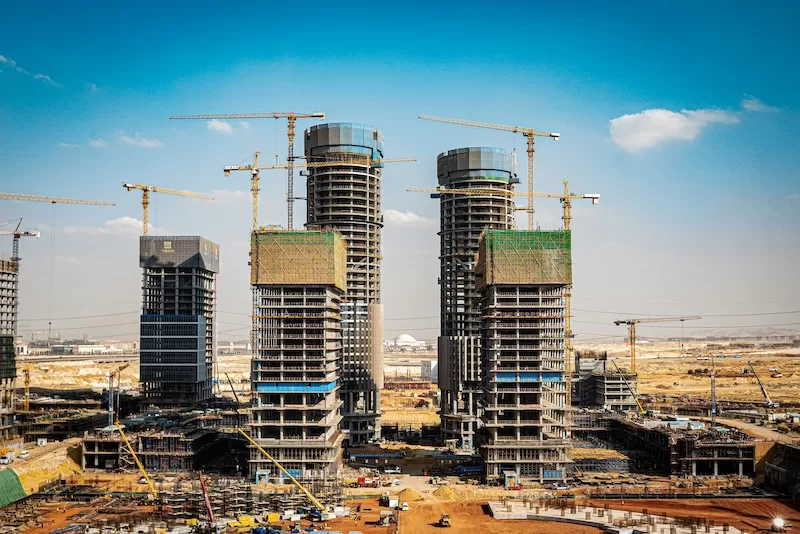
On the eastern edge of Cairo shortly after sunrise, the city reveals a different kind of morning. Early light moves slowly across the desert, touching newly built highways, bridges, administrative districts, and the long silhouettes of towers that did not exist a decade ago. This is not simply the growth of a city. It is the daily motion of a state repositioning itself.
Buses filled with government employees move in steady lines. Workers at new business districts queue at security gates. Cafés open along roads that were once silent and empty. From a distance, this looks like construction. On the ground, it feels like momentum that has already chosen its direction.
Egypt today is not just expanding. It is reshaping where work is done, where families settle, where institutions operate, where global capital flows, and where everyday life unfolds. Government ministries have moved east. Universities are opening new campuses. Ports and logistics corridors along the canal are widening. New airports and industrial zones in the Delta and Upper Egypt are influencing internal migration.
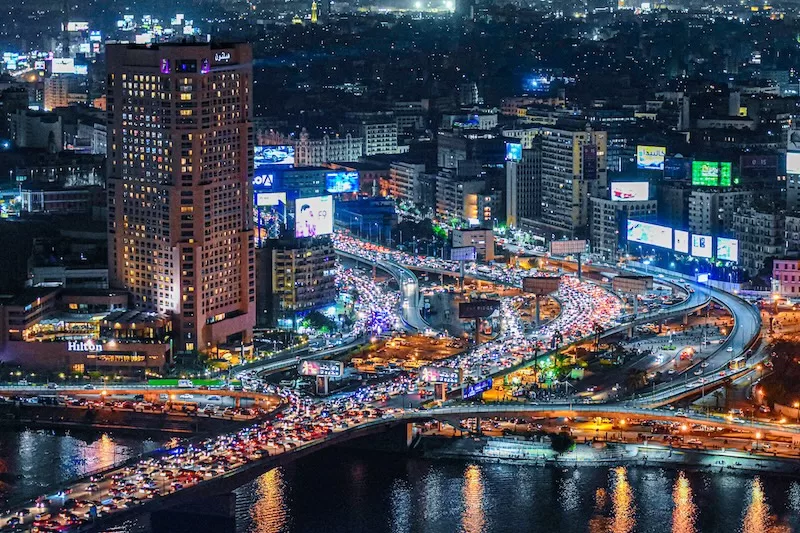
None of this is visible in a brochure. It becomes real when you sit in traffic on the road to the New Administrative Capital and realize that a commute impossible ten years ago has become part of the country’s morning routine. This is the starting point for understanding Egypt’s new real estate map.
Different Markets Within One Country
For global buyers, the transformation can feel like watching a landscape still being painted. Egypt looks like one market from a distance but behaves like several markets layered on top of each other. Each layer has its own rhythm and logic.
Buying in Sheikh Zayed follows the rhythm of family stability. Buying in Ras El Hikma follows the rhythm of a coastal area shifting from seasonal use to year-round living. Buying in Hurghada follows the rhythm of foreign-currency yield. Buying in Mansoura follows the rhythm of everyday local demand.
The law is unified, but the lived reality of each area is different. Once these differences become clear, the map becomes readable.
A Guide Written From the Ground
This guide is written from the ground rather than from marketing decks. It comes from walking through new cities, construction zones, coastal districts, and older neighborhoods where value is shaped by memory and daily use rather than by promotional slogans.
The aim is simple: to give global readers a practical map they can use rather than an abstract impression.
2024 to 2026: A National Turning Point
Between 2024 and 2026, Egypt is passing through a defining moment. National projects are moving from planning to daily operation. Government districts in East Cairo are active. New Alamein is populated, not advertised. Red Sea towns are evolving from holiday resorts into international lifestyle hubs. Delta cities are stabilizing as infrastructure upgrades take hold.
At the same time, the country is adjusting economically. Currency realignments, shifts in credit, and a national push for export and tourism revenue are reshaping how developers build and how households save.
For foreign buyers, transitions can feel uncertain, but they often offer the clearest entry points. Markets do not move in straight lines. They move in cycles, and inflection points are where new opportunities settle into place.
The Seven Real Estate Worlds
Egypt’s real estate landscape is best understood as seven interconnected worlds. They overlap geographically but not emotionally or economically. Thinking in worlds rather than individual projects helps buyers choose based on purpose, not just price.
1. East Cairo: State-Led Growth
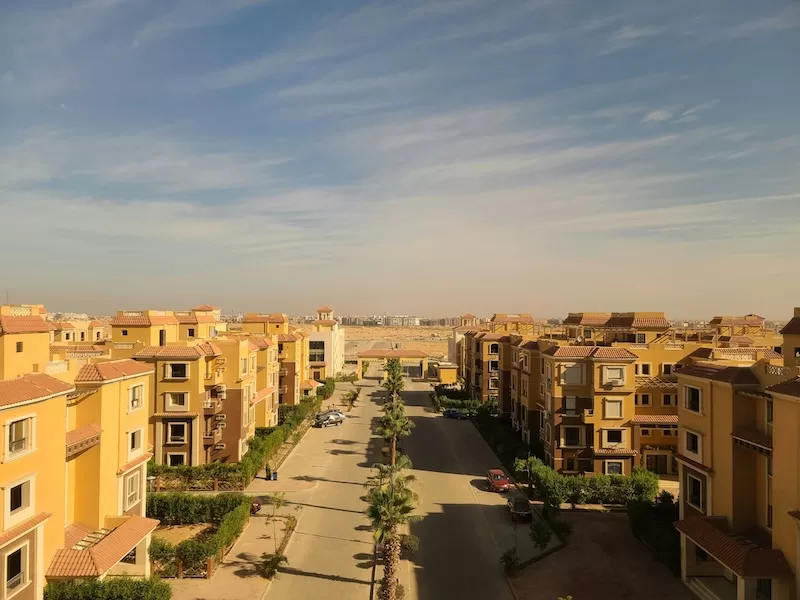
East Cairo, from New Cairo to Mostakbal City and the New Administrative Capital, is the clearest example of state-led growth. Millions of square meters of administrative, diplomatic, educational, and commercial development follow a simple order. Institutions move first. Households follow. Capital follows both. Appreciation here depends more on institutional momentum than on sentiment.
On the ground, East Cairo feels organized and deliberate. Morning routes are filled with buses carrying civil servants, engineers, and consultants. Cafés cluster near office complexes. Apartments often serve as weekday homes for professionals whose families live elsewhere. Demand in this world is tied to long-term governance rather than short-term trends.
2. West Cairo: Stability and Family Life
West Cairo, including Sheikh Zayed, New Zayed, and 6th of October, moves with the rhythm of family life. Schools, universities, clinics, parks, sports clubs, and community centers shape the day. This is the world of stability.
For global buyers, it offers dependable demand and grounded fundamentals rather than rapid speculative jumps.
A walk through West Cairo early in the morning says everything. Crowded school gates, busy bakeries, children in uniforms, parents rushing to work, and neighborhoods that feel lived in. A buyer who chooses this world is usually thinking about continuity and long-term use, even if the yield is moderate.
3. Legacy Cairo: History and Cultural Identity
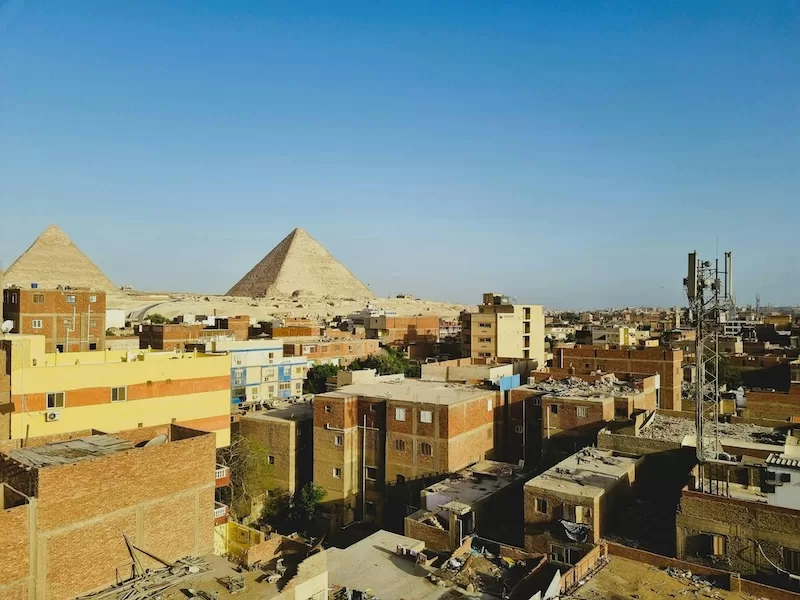
Legacy Cairo, including Downtown, Maadi, Zamalek, Garden City, and Heliopolis, carries the weight of history. These neighborhoods attract diplomats, artists, academics, and long-stay residents who value walkability, architecture, and cultural identity.
Buying here is not a race for new infrastructure but a search for irreplaceable context. A high ceiling on a shaded street in Maadi or a balcony overlooking the Nile in Zamalek holds value through multiple cycles.
The challenge is legal due diligence and building condition. The reward is uniqueness.
4. The Mediterranean Coast: A Year-Round Northern Corridor
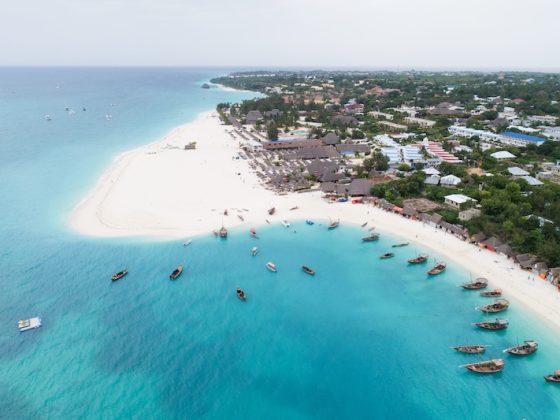
The Mediterranean Coast, from New Alamein to Ras El Hikma, is no longer a summer strip. It is becoming a northern city corridor with universities, work hubs, sports facilities, and year-round services.
For global buyers, the question is not how the coast looks in August but how it feels in March. Successful investors visit off-season and evaluate schools, clinics, business areas, and the number of lights visible at night. A coastline becomes a city only when people live there all year.
5. The Red Sea: Egypt’s Foreign-Currency Engine
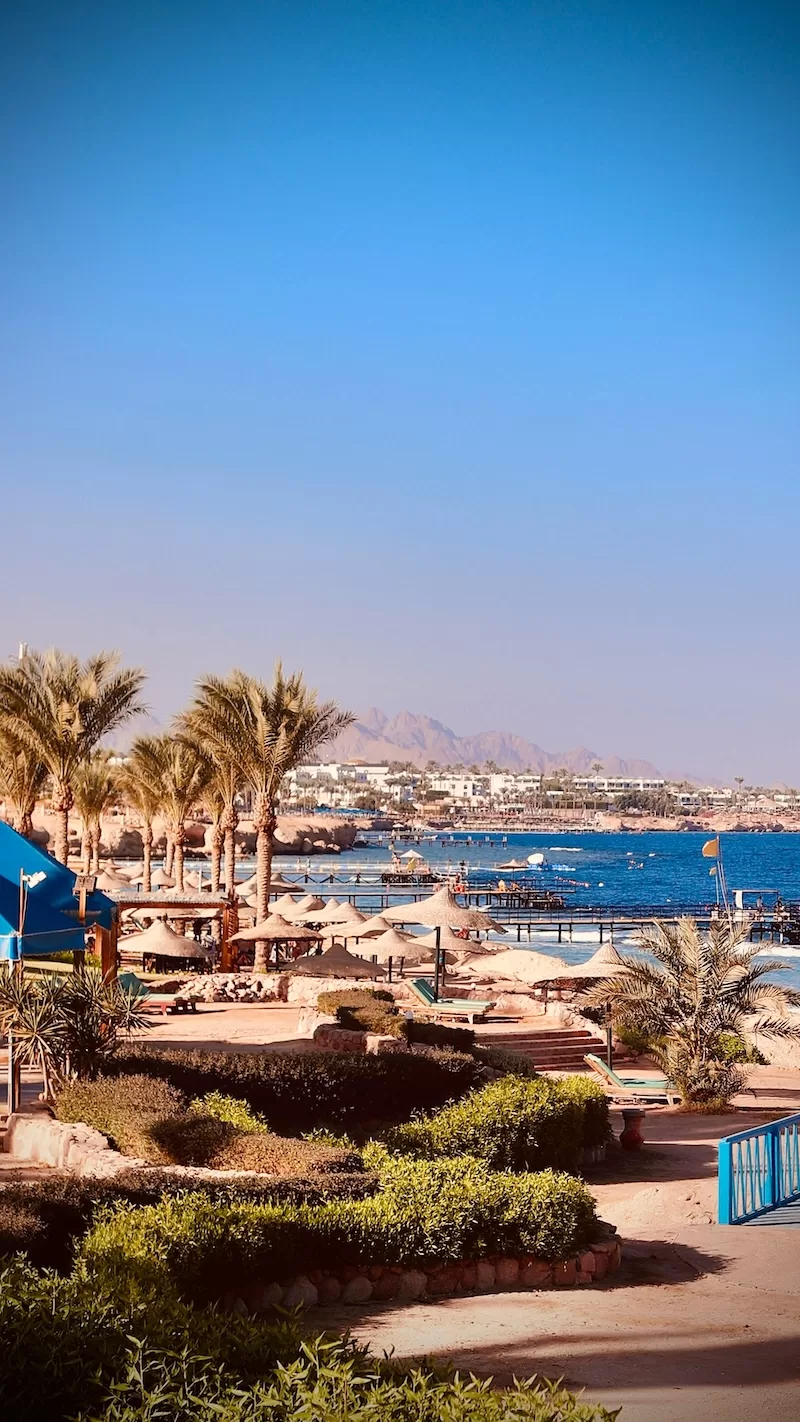
The Red Sea, including Hurghada, Sahl Hasheesh, and El Gouna, is Egypt’s foreign-currency engine. Tourism, remote work, long-stay European communities, and resort lifestyles combine to create one of the strongest yield logics in the region.
Rental demand often tracks airline routes and winter travel patterns. Buyers here are not merely purchasing property; they are taking a position in the future of global mobility. Well-managed units outperform even premium locations without solid management.
6. Delta and Canal Cities: Everyday Demand
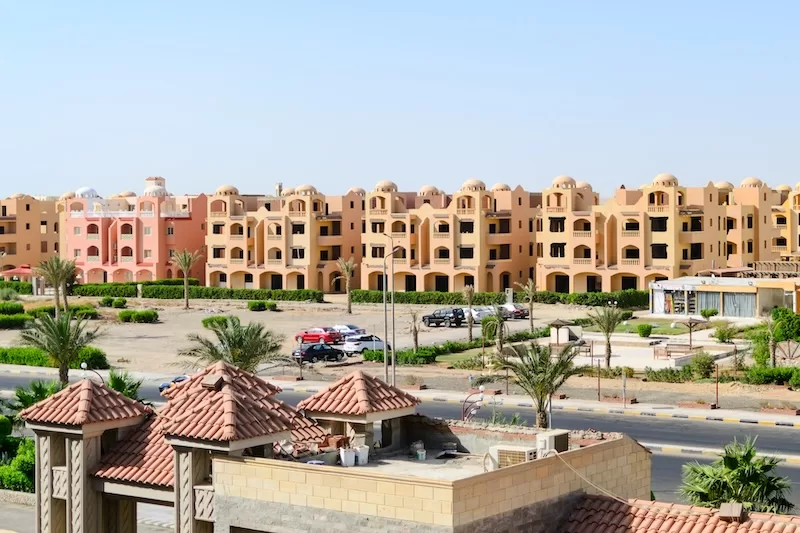
Delta and Canal cities such as Mansoura, Tanta, Port Said, and Damietta form the belt of everyday demand. These cities rest on universities, industry, logistics, and dense middle-class economies.
Prices per square meter are lower, but occupancy is steady and rental cycles are stable. Investors who value cash flow and reliability often find their strongest performance here rather than in more glamorous markets.
7. Upper Egypt’s New Cities: Long-Horizon Growth
Upper Egypt’s new cities, including New Minya, New Sohag, and New Assiut, are long-horizon stories. They are still building their universities, industrial zones, hospitals, and transport networks.
Prices remain accessible because identities are still forming. Growth is slower but structural. A buyer aligned with infrastructure and planned anchors can ride the full evolution of a new city.
Demographics and Technology
Beneath all seven worlds lie two engines: demographics and technology.
Egypt’s young population creates real long-term housing demand as families form, relocate, and expand. At the same time, technology is reducing opacity. PropTech valuations, transparent listing databases, and digital platforms allow foreign buyers to track neighborhoods from abroad with far more accuracy than a decade ago.
Who Powers Demand
Demand across Egypt’s real estate worlds is driven by several groups: government employees, families with rising incomes, Arab buyers seeking stability, and Egyptians living abroad. Each group drives a different part of the map, and understanding who powers a district reveals how it will behave in coming years.

Human Rhythm Sustains Markets
Numbers alone cannot explain the market. Human rhythm does. In Sheikh Zayed, parents talk about schools and hybrid work. In El Gouna, designers finish calls by the marina before heading to the water. In Mansoura, students share apartments near the teaching hospital while factory workers rent close to industrial zones. These lived realities sustain activity long after marketing fades.
Appreciation, Yield, and Hybrid Use
Foreign buyers generally profit through appreciation, yield, or hybrid use. Appreciation comes from entering a world still defining itself. Yield comes from districts with year-round activity, especially the Red Sea and parts of the Delta. Hybrid use blends lifestyle and rental income.
Success comes from choosing the right world, not from chasing low prices.
Registration and Title
Egypt allows foreign ownership through a structured framework. Buyers must understand the difference between possession through a contract and ownership through registration. Registration at the Real Estate Publicity and Notarization Authority transforms possession into enforceable title. It shapes resale, inheritance, and the future ability to repatriate profits.
Eligibility and Restrictions
Payments must be transferred in foreign currency from a non-Egyptian account through the banking system. SWIFT confirmations form the legal foundation for registration and later repatriation.
Foreign ownership is permitted in most urban areas but remains restricted in agricultural, strategic, and certain border zones. With proper legal guidance, these restrictions are easy to navigate and rarely affect mainstream purchases.
Foreign nationals may typically own up to two residential properties for personal use, each usually not exceeding 4,000 square meters. Larger portfolios may be approved through government channels or structured via investment entities.
Property ownership can support long-stay residency, but residency is not guaranteed automatically. It depends on program requirements at the time of application.
Taxation
Egypt maintains an extensive network of double-taxation treaties, allowing income taxed in Egypt to be credited or offset in the buyer’s home country. With proper planning, taxes become predictable rather than uncertain.
The Buyer Journey
For many global buyers, the missing piece is understanding how interest becomes ownership.
The journey begins with clarity of purpose. A buyer seeking lifestyle chooses differently from a buyer seeking yield or long-term positioning. Once the purpose is defined, the seven worlds narrow into a realistic shortlist.
A property consultant filters options, while an independent lawyer protects the structure of the process. A site visit tests assumptions. After selecting a unit, legal due diligence confirms rights and eligibility for registration.
Funds are transferred from abroad, creating the documentation needed for future repatriation. Registration converts possession into full ownership. When followed without shortcuts, this route is predictable and secure.
Risks
Risks exist: currency shifts, bureaucratic delays, and liquidity issues in certain segments. But these risks are manageable when approached with method, discipline, and realistic timelines.
Many problems arise not from Egypt’s legal framework but from shortcuts buyers accept in moments of enthusiasm.
Comparison With Other Markets
Compared with Turkey, Greece, Portugal, or Dubai, Egypt offers something different: lower entry prices, larger population momentum, and entire cities still moving toward maturity. The opportunity lies not in copying other markets but in understanding where Egypt stands in its own cycle.
Life After Purchase
Life after purchase often surprises newcomers. What starts as an investment becomes part of the buyer’s routine. Winters by the Red Sea, school holidays in West Cairo, or long weekends in legacy neighborhoods create familiarity and belonging. The property becomes a place with memories, not just a number on a balance sheet.
Reading the Map Early
Choosing your position on Egypt’s real estate map is a choice of alignment. Institutions are moving east. Families are growing west. Coastal towns are becoming cities. Red Sea resorts are becoming year-round communities. Delta cities are stabilizing. Upper Egypt’s new cities are preparing for future growth.
A global buyer entering in 2026 is not following a trend but stepping into a structural transformation. Those who read the map early do not simply buy property. They secure a foothold in the next chapter of one of the most significant countries in the region.
Key Takeaways
What are the primary drivers of Egypt’s real estate growth in 2026?
The market is powered by massive state-led infrastructure projects, a young and expanding population, and the adoption of PropTech that increases transparency for global investors.
How is the Egyptian property market segmented for investors?
The market consists of seven distinct “worlds,” ranging from the institutional momentum of East Cairo and the family stability of West Cairo to the high-yield tourism hubs of the Red Sea.
Can foreigners legally own property in Egypt?
Yes, foreign nationals can typically own up to two residential properties for personal use. However, full legal title and the ability to repatriate future profits depend on formal registration.
What are the financial requirements for international buyers?
All property payments must be transferred in foreign currency from a non-Egyptian account through the banking system, as SWIFT confirmations are required for legal registration.
Why is the 2024-2026 period considered a turning point?
This period marks the transition of major national projects, like the New Administrative Capital and New Alamein, from the construction phase to full daily operation and occupancy.
About the Author
Writer & Real Estate Analyst based in Cairo, exploring the intersection of culture, architecture, and human ambition across the Middle East .
Contact Author
"*" indicates required fields
Stay Ahead on Every Adventure!
Stay updated with the World News on Escape Artist. Get all the travel news, international destinations, expat living, moving abroad, Lifestyle Tips, and digital nomad opportunities. Your next journey starts here—don’t miss a moment! Subscribe Now !
A Country in Motion
On the eastern edge of Cairo shortly after sunrise, the city reveals a different kind of morning. Early light moves slowly across the desert, touching newly built highways, bridges, administrative districts, and the long silhouettes of towers that did not exist a decade ago. This is not simply the growth of a city. It is the daily motion of a state repositioning itself.
Buses filled with government employees move in steady lines. Workers at new business districts queue at security gates. Cafés open along roads that were once silent and empty. From a distance, this looks like construction. On the ground, it feels like momentum that has already chosen its direction.
If you'd like to read the full story, simply enter your email to subscribe to our newsletter.
For even more expert insights, unmissable resources, and exclusive invites, explore our premium subscription offers here.
OR
Already a Subscriber? Click here to login
Subscription required
You've reached your limit of free articles. For full access to Escape Artist, and all of our insights on travel, moving abroad, and the digital nomad life, click here to Subscribe.
Already a Subscriber? Log in here