This week’s World News Roundup moves between collapsing ceasefires, long-awaited reunions, and cultural flashpoints reverberating across continents. Thailand’s fragile truce with Cambodia falls apart under renewed strikes, while Nigeria celebrates the partial return of kidnapped schoolchildren amid an escalating security crisis. In Bangkok, overtourism tests local patience, and in India, a new film reframes the Taj Mahal in polarizing terms. Meanwhile, China posts unexpected export gains despite shrinking US demand, and across Africa, a digital revolution is drawing millions of unbanked citizens into the modern economy. Here’s what’s making headlines this week.
Border Collapse
Thailand has launched airstrikes on Cambodian military positions along a contested stretch of their frontier, shattering a ceasefire agreement brokered by Donald Trump earlier this year. Thai officials accused Cambodian forces of firing rockets into Thai territory, prompting what they described as a targeted defensive response.
The escalation has displaced thousands and injected new volatility into an already fragile region. Diplomatic channels have reopened in an attempt to revive the Trump-backed deal, but observers warn that nationalist sentiment on both sides may now make de-escalation far more challenging.

Children Freed
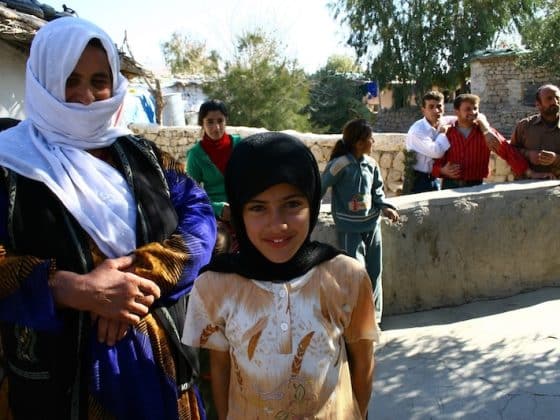
The Nigerian government has secured the release of roughly 100 students abducted last week from a school in Niger State, a kidnapping that drew national outrage and renewed scrutiny of the country’s worsening security crisis. The children were taken by armed groups during a raid that left several teachers injured and communities shaken.
Officials say no ransom was paid, crediting military pressure for forcing the captors to abandon the hostages. Yet more than 200 children remain missing, intensifying calls for a stronger national response to the wave of school abductions plaguing northern Nigeria.
Tourist Trouble
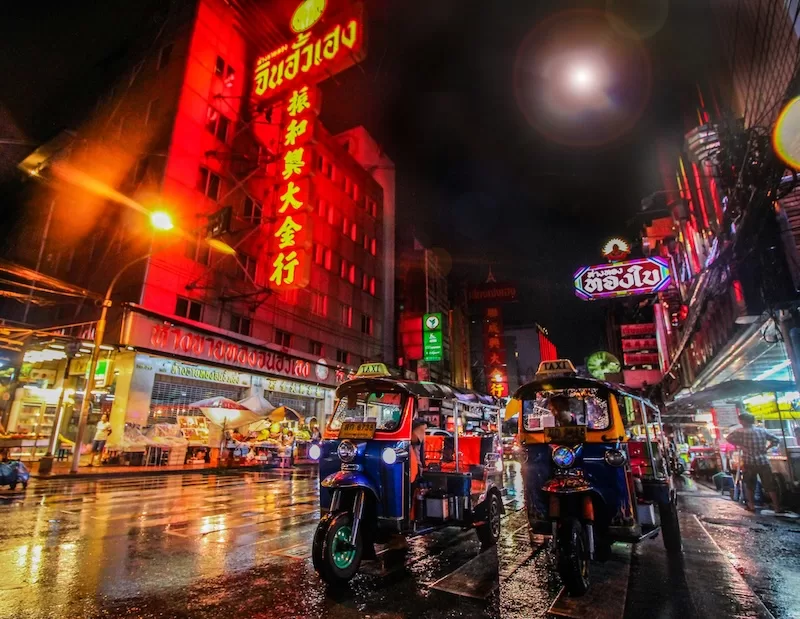
Bangkok, now officially the world’s most visited city, is grappling with a surge of unruly tourists whose behaviour is straining local patience. From public drunkenness to temple disrespect, officials say a small but growing number of visitors are undermining cultural norms.
Tourism businesses are pushing for balance, urging authorities to preserve the city’s welcoming atmosphere while enforcing clearer behavioural guidelines. It’s a debate echoing across Asia, where destinations are struggling to keep pace with record-breaking visitor numbers.
Taj Mahal Divide
“The Taj Story,” a new Bollywood release, is amplifying cultural tensions across India by portraying the Taj Mahal—long celebrated as a monument to love—as a symbol of religious oppression. The film is the latest in a growing wave of pseudo-historical dramas that critics say seek to demonize or erase India’s roughly 200 million Muslims, reframing national heritage through a Hindu-majoritarian lens.
The controversy has ignited fierce debate among historians, artists, and political commentators who warn that popular cinema is increasingly being used to rewrite the past. Supporters of the film claim it challenges entrenched narratives, while opponents argue the reimagining risks deepening social fractures in a country already grappling with rising polarization. For many Indians, the battle over the Taj Mahal now reflects a far larger struggle over identity, history, and belonging.

Export Resilience
China’s exports grew 5.9 percent in November, buoyed by strong demand from Southeast Asia and Latin America even as shipments to the United States fell sharply. The figures offer a rare bright spot for Beijing as global trade slows.
Economists warn that the drop in US-bound goods reflects widening geopolitical and technological rifts likely to reshape supply chains in the years ahead. Still, officials say the latest data show China’s diversification strategy is beginning to take hold.

Digital Dawn
A wave of new fintech tools is helping bring millions of unbanked Africans into the digital economy, replacing cash-only systems with mobile payments, digital wallets, and basic financial services accessible through a phone. In regions where formal banks are scarce or costly, mobile money has become the simplest route to storing funds, making purchases, and sending payments across borders.
Economists say the shift is beginning to reshape local economies, allowing small businesses to operate more securely and giving individuals access to savings, credit, and financial protection for the first time. The challenge now is expanding infrastructure and regulation so the benefits reach the continent’s most remote and vulnerable communities.
Contact Author
"*" indicates required fields
Stay Ahead on Every Adventure!
Stay updated with the World News on Escape Artist. Get all the travel news, international destinations, expat living, moving abroad, Lifestyle Tips, and digital nomad opportunities. Your next journey starts here—don’t miss a moment! Subscribe Now!