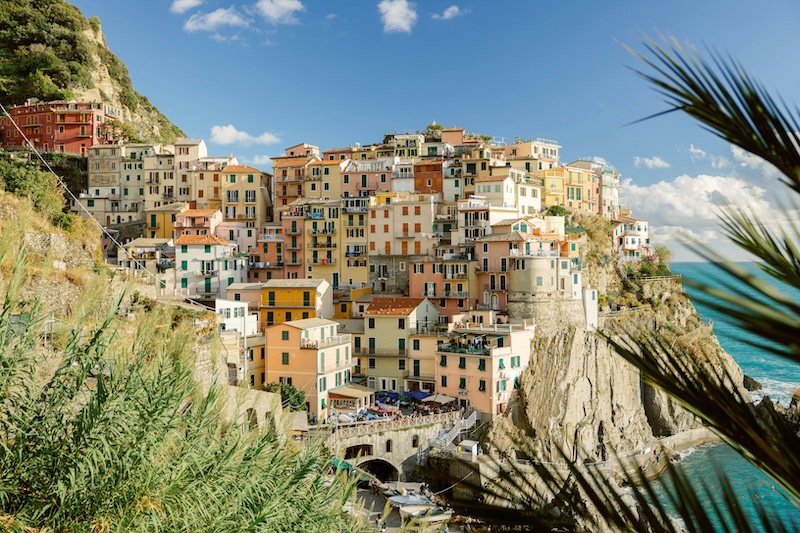
How Italy Became One of Europe’s Most Student-Friendly Countries
Italy draws students in ways few countries can match. The mix is irresistible. A lower cost of living compared to Northern Europe. A culture built on beauty, food, language, and everyday joy. Streets shaped by centuries of art and engineering. And a pace of life that feels grounded, human, and welcoming.
Students arrive for degrees. For language learning. For cultural immersion. For access to some of the most historic universities in the world. They stay because the cities feel livable. Manageable. Inspiring. These qualities matter, especially for international students who balance study pressures, part-time work, and the desire for a social life that doesn’t feel overwhelming.
Studying abroad also brings academic weight. Students research programs, visas, housing, transportation, and the cost of living. Many handle intense workloads. Some explore external support tools, especially during demanding semesters. That’s why guides comparing academic resources sometimes include balanced references to platforms like EssayPro, placed among other planning tools students consult when organizing long assignments.
Italy supports students with more than academic charm. It offers a mix of lifestyle, price, safety, and accessibility that gives learners real freedom. And certain cities stand out.
This article focuses entirely on them — not just a short list in the middle, but a full exploration of how each place shapes student life from arrival to graduation.
Bologna: The Heart of Italian Student Life
Bologna is where student culture beats the strongest. The city is young. The energy is immediate. Streets are filled with cyclists, artists, and students heading to classes under miles of medieval porticoes. Life feels communal here. It feels local.
The University of Bologna, the oldest in the Western world, sets the tone. The international population grows each year. Cafés are always full. Study corners exist in every piazza. And the cost of living stays reasonable compared to Milan or Florence.
Bologna’s food culture helps too. Students can eat well on a small budget. Markets keep prices low. Shared apartments remain affordable, especially outside the historic center.
The city’s size matters. It’s big enough to feel exciting. Small enough to feel safe. Students can cross it on foot or by bike without stress. That simplicity makes studying easier. It reduces distractions. It builds routines.
International students often say the same thing. Bologna feels like home quickly.
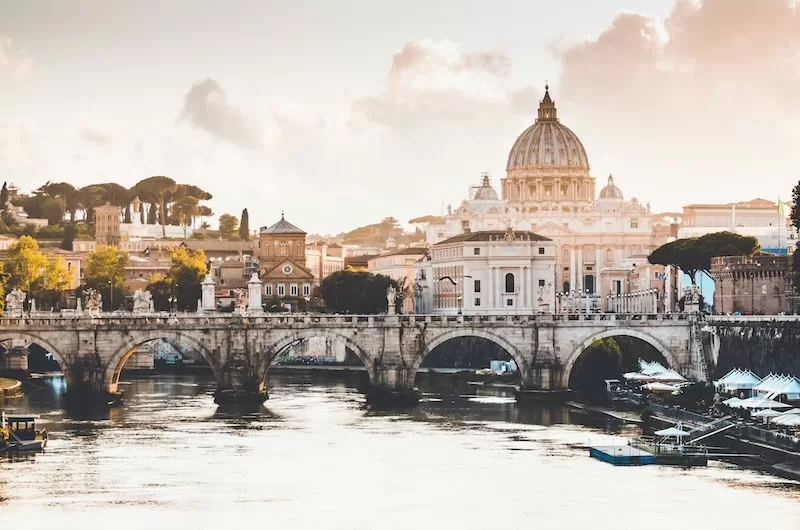
Rome: The Capital of Culture, History, and Academic Variety
Rome gives students something different. Something vast. Something unforgettable. The city blends ancient ruins with modern life in a way no other place can match. For a student, that environment changes how you think. It slows you down in the best way.
Rome is also kinder on budgets than people expect. Food is affordable. Shared housing expands in every district. Transit is imperfect but workable. And the sheer number of students spreads costs evenly.
Life here is immersive. You don’t “visit” Rome while studying. You live inside it. Every walk feels educational. Every errand takes you past architecture older than most countries. That kind of daily exposure shapes mindset, creativity, and academic motivation.
Rome grows on students gradually. And deeply.
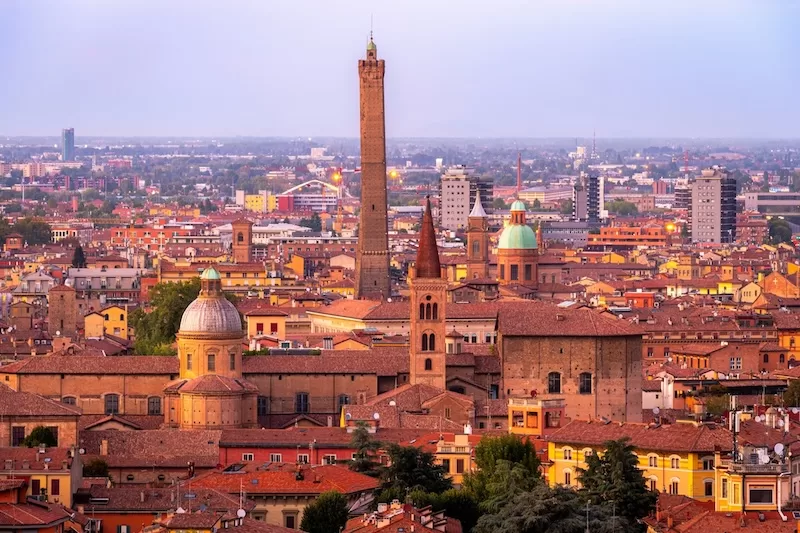
Florence: The Best City for Art, Design, and Creative Students
In Florence, everything around you teaches you something. Light. Color. Composition. Structure. History. Technique. Students studying architecture, fashion, visual arts, sculpture, and restoration find endless inspiration.
Rent can be high in the center. Students know this. They simply live just outside it. Transit makes the distance irrelevant. The payoff is extraordinary. Museums become weekly destinations. Study breaks happen along the Arno. Libraries feel like sanctuaries.
Florence’s international community is large but calm. Students meet easily. Creative communities form fast. Workshops exist everywhere. Internships fill quickly. And professors maintain strong industry connections.
Florence also benefits students who want a slower, more intentional lifestyle. The pace is gentle. Thoughtful. Almost meditative. For academic work, that atmosphere helps.
International students sometimes face heavy academic seasons. They manage deadlines, group projects, internships, and personal adaptation all at once. Some search for academic tools when they need to pay someone to do my homework during peak stress, while others look for ways to structure study time
Students become more focused. More expressive. More open to experimentation.
Padua: One of Italy’s Smartest Hidden Gems
Padua doesn’t get as much international attention as Milan or Rome. It should. It is one of Italy’s most intelligent, research-driven cities. The University of Padua ranks among Europe’s best, especially in medicine, psychology, biology, and engineering.
The city is affordable. Very affordable. Students pay far less for housing here than in bigger cities. Food costs are low. Transit is simple. Safety is excellent. Life feels easy to navigate.
Academic resources are strong. Research labs, libraries, and faculty networks make the city ideal for focused study. Students who want a quieter environment — without losing access to academic depth — thrive here.
These situations happen in every study abroad community. Students simply balance workloads differently. Italy gives them the space — and the environment — to ask for help to write my homework efficiently.
Padua also sits near Venice. Students can access an entirely different world in minutes without paying Venetian prices.
For many students, Padua becomes the perfect balance.
Trento: Quiet, Safe, and Exceptionally High-Quality
Trento offers a different experience. Calm. Orderly. Focused. Students who value concentration over nightlife find Trento ideal.
The University of Trento is small but powerful. Research output is high. International rankings, especially in social sciences, engineering, and cognitive sciences, continue to rise.
The city is also one of Italy’s safest. Clean streets. Mountain views. Outdoor activities everywhere. For students dealing with heavy workloads or big transitions, Trento offers comfort.
Affordability is excellent. Transport is reliable. Life feels structured, which helps academic routines.
Not every student wants a party city. Trento serves those who want clarity and stability.
Final Thoughts: Why These Cities Stand Out for Students
This guide focused on the real question: Which Italian cities support students best, from arrival to graduation?
Bologna supports community.
Rome supports curiosity.
Florence supports creativity.
Padua supports research.
Trento supports focus.
Each city gives students a different kind of growth. A different kind of challenge. A different kind of comfort.
Students looking for meaning, opportunity, and expansion will find all three here. Italy rewards curiosity. And it rewards effort.
Contact Author
"*" indicates required fields
Stay Ahead on Every Adventure!
Stay updated with the World News on Escape Artist. Get all the travel news, international destinations, expat living, moving abroad, Lifestyle Tips, and digital nomad opportunities. Your next journey starts here—don’t miss a moment! Subscribe Now!


