
In an increasingly interconnected yet unpredictable world, the concept of a single, geographically tethered income stream is becoming an anachronism. For the globally mobile individual, the expat, or the digital nomad, cultivating a decentralized income stream is not merely a luxury but a strategic choice.
This approach offers a robust shield against economic volatility, political instability, and the ever-shifting sands of global taxation. It is about creating a financial ecosystem that thrives independently of any single nation-state or corporate entity, providing true freedom and resilience.
The traditional model of employment, where one’s livelihood is tied to a specific employer in a specific country, inherently carries significant risks. Economic downturns, industry shifts, or even personal circumstances can abruptly sever this lifeline. For those living abroad, these risks are amplified by currency fluctuations, complex tax regulations, and the potential for sudden changes in visa or residency policies. A decentralized income stream, by contrast, diversifies these risks across multiple sources, geographies, and even asset classes, creating a financial fortress that is far more difficult to breach.
At its core, decentralization in income generation involves leveraging technology and global connectivity to earn from various avenues that are not centrally controlled. This could mean working for multiple clients across different continents, investing in diverse global markets, or building businesses that operate independently of physical borders. The goal is to achieve a state where no single point of failure can derail one’s financial well-being. This philosophy extends beyond mere diversification; it embraces the principles of sovereignty and self-reliance, allowing individuals to dictate their financial destiny rather than being subject to external forces.

The Pillars of Decentralized Income
Building such a system requires a multi-faceted approach, integrating various strategies that complement each other. The primary pillars typically include remote work, entrepreneurial ventures, and strategic investments. Each pillar, when thoughtfully constructed, contributes to the overall resilience and autonomy of the income stream.
Remote Work and Freelancing: The Foundation of Flexibility
The advent of high-speed internet and sophisticated collaboration tools has made remote work a cornerstone of decentralized income. For expats, this means the ability to work for employers or clients located anywhere in the world, often in currencies stronger than their local spending currency. Platforms connecting freelancers with global opportunities, such as Upwork, Fiverr, and Toptal, have democratized access to international projects. Beyond these platforms, direct client relationships cultivated through networking and personal branding can provide more stable and lucrative engagements.
The key to successful remote work in a decentralized context lies in cultivating highly sought-after skills that transcend geographical boundaries. Expertise in software development, digital marketing, content creation, graphic design, and virtual assistance are consistently in demand globally. Furthermore, specializing in niche areas, such as cybersecurity consulting for international businesses or multilingual content localization, can command premium rates and reduce competition. The flexibility of remote work also allows for dynamic adjustments to one’s work schedule and location, adapting to personal preferences or external circumstances without disrupting income flow.

Entrepreneurial Ventures: Building Borderless Businesses
Beyond working for others, creating one’s own borderless business is perhaps the purest form of decentralized income. This involves building enterprises that can operate from anywhere, serving a global customer base. E-commerce stores, online courses, software-as-a-service (SaaS) products, and digital agencies are prime examples. These businesses often leverage cloud infrastructure, international payment gateways, and global shipping networks to function seamlessly across jurisdictions.
The beauty of these ventures lies in their scalability and their inherent detachment from physical location. An online course creator can educate students in dozens of countries simultaneously. A SaaS company can serve clients from Tokyo to Toronto with the same digital product. The initial investment might be in time and intellectual capital, but the long-term rewards include passive income potential and the ultimate freedom to live and work from virtually any corner of the globe. The strategic choice of business model, focusing on digital products or services, is crucial here, as it minimizes logistical complexities and maximizes global reach.
Strategic Investments: Diversifying Capital Across Borders
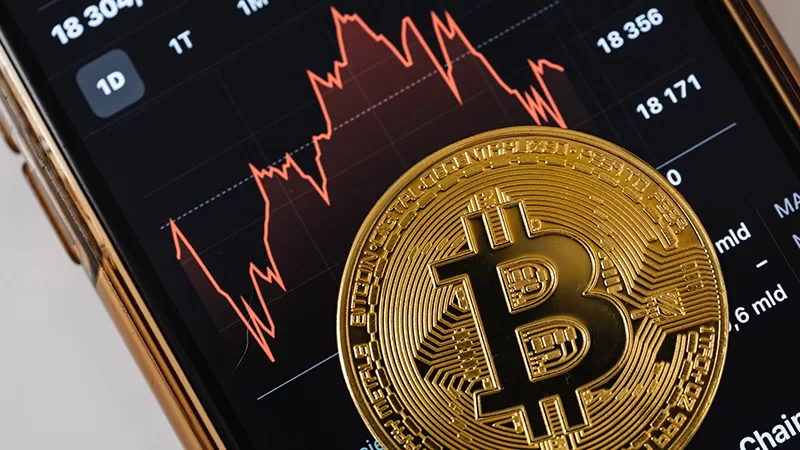
While remote work and entrepreneurship focus on active income generation, strategic investments are vital for building passive income and preserving wealth. For the globally mobile, this means looking beyond domestic markets and diversifying across international assets. This includes global stock markets, real estate in stable foreign jurisdictions, and increasingly, decentralized finance (DeFi) and cryptocurrencies.
Investing in global equities through internationally diversified exchange-traded funds (ETFs) or directly in foreign companies can hedge against localized economic downturns. Real estate investments in countries with strong property rights and growing economies can provide both rental income and capital appreciation. However, the most revolutionary aspect of decentralized investing comes from the digital realm. Cryptocurrencies and DeFi protocols offer opportunities for earning interest, lending, and participating in global financial markets without intermediaries, often with higher yields than traditional banking systems. This digital asset class, while volatile, embodies the very essence of decentralization, operating on global, permissionless networks. It is crucial, however, to approach these investments with a deep understanding of the underlying technology and associated risks, integrating them as part of a broader, diversified portfolio.

Navigating the Challenges of Decentralization
While the allure of a decentralized income stream is strong, its construction is not without its complexities. Expats must navigate a labyrinth of international taxation, legal frameworks, and logistical hurdles. Proactive planning and expert advice are indispensable.
Taxation and Legal Compliance: The Global Maze
One of the most significant challenges for individuals with decentralized income is managing their tax obligations across multiple jurisdictions. The concept of tax residency can be particularly intricate, often differing from physical residency. Expats must understand their tax liabilities in their country of citizenship, their country of residence, and any countries where their income is generated. Double taxation treaties can offer relief, but their application requires careful interpretation. Engaging with international tax specialists is not an expense, but an investment, ensuring compliance and optimizing tax efficiency. Similarly, understanding the legal implications of operating a business or holding investments across borders, from intellectual property rights to contract law, is paramount.
Banking and Financial Infrastructure: Bridging the Gaps
Traditional banking systems are often ill-equipped to handle the needs of the globally mobile with decentralized income. Opening bank accounts in foreign countries can be a bureaucratic nightmare, and transferring funds internationally can be slow and expensive. This is where modern financial tools become invaluable. Fintech solutions offering multi-currency accounts, low-fee international transfers, and virtual banking services are transforming the landscape. Furthermore, the strategic use of stablecoins and other cryptocurrencies can bypass traditional banking altogether for certain transactions, offering instant, low-cost global transfers and a hedge against currency devaluation in less stable economies. The key is to build a robust financial stack that integrates traditional and decentralized tools, optimizing for speed, cost, and accessibility.
Building a Global Network: The Human Element
While technology facilitates decentralized income, human connection remains vital. Building a strong professional network across different countries and industries provides access to new opportunities, partnerships, and mentorship. Attending international conferences, joining online communities for digital nomads and expats, and actively engaging in professional groups can open doors that would otherwise remain closed. These networks are not just about business; they also provide a crucial support system, offering advice, camaraderie, and a sense of belonging in a world that can sometimes feel isolating for the globally mobile.

The Future of Work and Wealth for Expats
The trend towards decentralized income is not a fleeting fad, but a fundamental shift in how individuals interact with the global economy. As technology continues to advance and geopolitical landscapes evolve, the ability to generate income independently of geographical constraints will become an increasingly valuable asset. For expats, this means a future of unprecedented freedom, resilience, and opportunity.
Embracing this paradigm requires a mindset shift, moving away from conventional notions of employment and towards a more entrepreneurial, globally-minded approach. It demands continuous learning, adaptability, and a willingness to navigate complexity. However, the rewards—financial independence, personal autonomy, and the freedom to live life on one’s own terms—are profoundly compelling. The decentralized income stream is not just a financial strategy; it is a blueprint for a sovereign life in the 21st century.
Read More Like This: Low-Tax Living Abroad Has Changed. Here’s How to Keep Up.
Key Takeaways
Q: What is a decentralized income stream for expats?
A: A decentralized income stream involves generating earnings from multiple sources, geographies, and asset classes that are not centrally controlled by a single nation or entity. This strategy aims to provide financial resilience and autonomy for globally mobile individuals.
Q: Why is a decentralized income stream important for expats?
A: It offers protection against economic volatility, political instability, currency fluctuations, and sudden changes in tax or residency policies. By diversifying income, expats can reduce reliance on any single source of livelihood.
Q: What are the main components of a decentralized income strategy?
A: The primary pillars include remote work and freelancing, entrepreneurial ventures (like e-commerce or SaaS), and strategic investments in global markets, real estate, and digital assets such as cryptocurrencies and DeFi.
Q: What challenges do expats face when building decentralized income?
A: Key challenges include navigating complex international taxation and legal compliance, managing traditional banking limitations, and effectively building a global professional network. Expert advice and modern financial tools are crucial for success.
Q: How can technology support a decentralized income stream?
A: Technology enables remote work, facilitates borderless businesses through cloud infrastructure and global payment gateways, and provides access to decentralized financial markets via cryptocurrencies and DeFi protocols for efficient global transactions.
Q: What is the long-term outlook for decentralized income for expats?
A: The trend towards decentralized income is expected to grow, offering expats unprecedented freedom, resilience, and opportunities. It represents a fundamental shift towards financial independence and personal autonomy in the global economy.
Contact Author
"*" indicates required fields
Stay Ahead on Every Adventure!
Stay updated with the World News on Escape Artist. Get all the travel news, international destinations, expat living, moving abroad, Lifestyle Tips, and digital nomad opportunities. Your next journey starts here—don’t miss a moment! Subscribe Now!


