For decades, the idea was simple. Finish school. Get a stable job. Work from nine to five. Retire one day. But that story no longer feels solid.
According to surveys by Gallup, around 60% of employees worldwide say they are not engaged at work. Many feel tired, bored, or stuck. Remote work during the pandemic changed expectations too. People saw that time, not just money, matters.
Books play a quiet but powerful role here. They do not shout. They suggest. They ask uncomfortable questions. Slowly, they plant ideas that grow.
Some readers close a book and return to the office. Others start planning an exit.
What These Books Really Do
Books and novels don’t say “Quit your job now.” But reading free novels online still helps you escape reality and push you to the next step, which many hesitate to take. These range from romance novels on FictionMe that touch a nerve, to books that teach financial literacy and help you break out of your routine. Everyone chooses their own path and their own book from the list of free novels online on FictionMe. This is simply a list of popular books and novels online that tell stories of people who made different choices. Often, that’s enough.
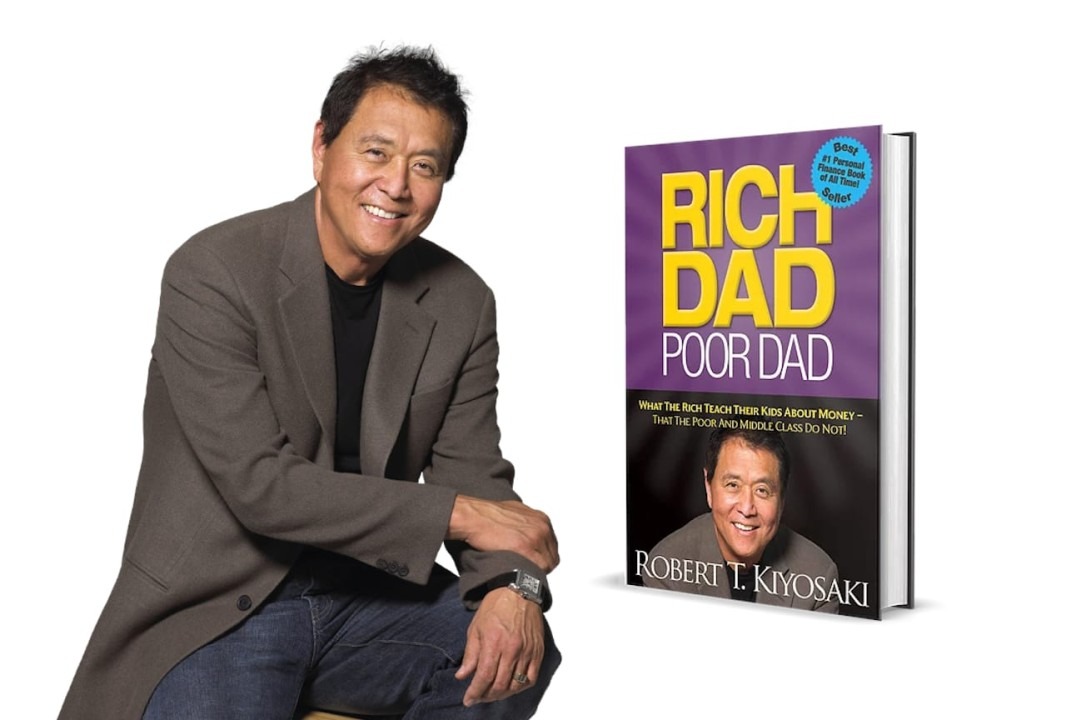
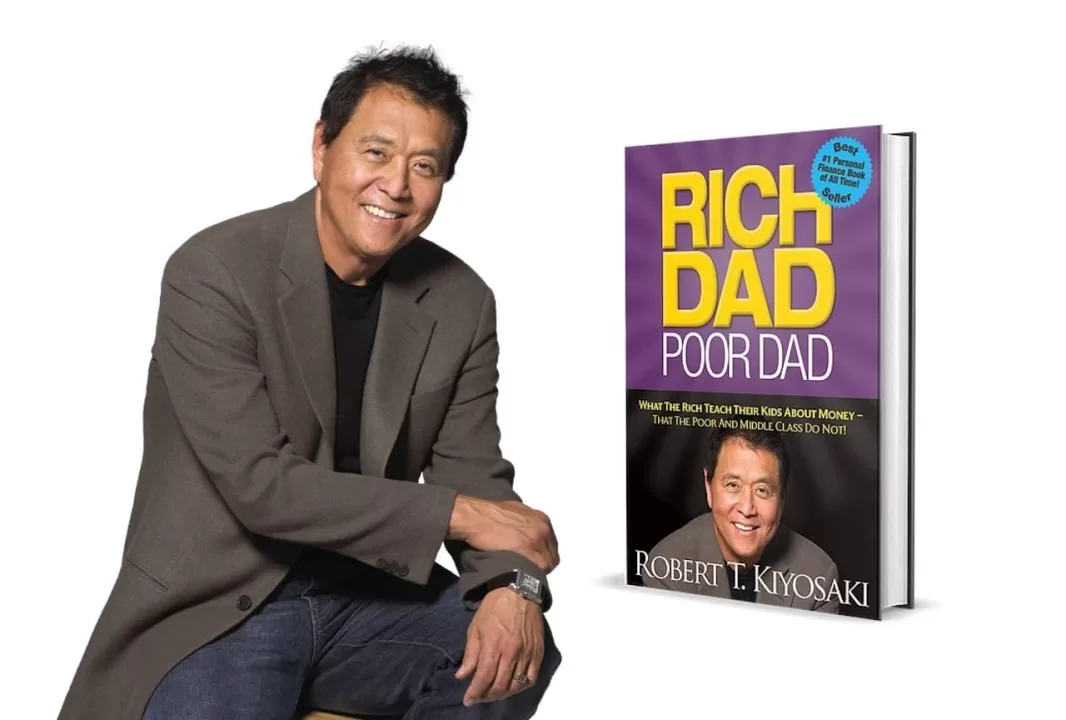
“Rich Dad Poor Dad” by Robert Kiyosaki
This book is one of the most famous in the world of personal finance. Over 40 million copies sold globally. Its message is simple, sometimes repetitive, but effective.
Work for assets, not just a paycheck. Understand money, don’t fear it. School teaches you how to be an employee, not how to be free. Many readers do not become real estate investors. That is fine. What stays with them is the shift in thinking.
The idea that a salary alone is fragile. The idea that time should not always be traded for money.
“The 4-Hour Workweek” by Tim Ferriss
This book directly challenges the traditional work model. Tim Ferriss introduces the concept of lifestyle design. Not retirement at 65. Mini-retirements now.
Some advice feels extreme. Outsourcing everything. Automating income. Not everyone follows that path. But the impact is clear.
After its release, searches for “remote work” and “passive income” increased sharply. Today, over 30% of the global workforce works remotely at least part-time. This book helped normalize the idea that work doesn’t need a fixed location or fixed hours. This also applies to reading; having a physical book nearby isn’t necessary if you can download the iPhone app. Even readers who stay in office jobs often renegotiate flexibility after reading it.
“Your Money or Your Life” by Vicki Robin and Joe Dominguez
This book takes a calmer tone. No hype. No hustle.
It asks one core question:
Is this job worth your life energy?
The authors help readers calculate how much time they truly spend earning money, including commuting, stress, and recovery. The numbers surprise many people. The book also connects money to values. Not status. Not comparison. Values.
Statistics show that households who track spending mindfully save up to 20% more annually. For many readers, saving more becomes the first step toward freedom, not luxury.
“Into the Wild” by Jon Krakauer
This is not a business book. It is a story. The story of Christopher McCandless, who left comfort behind to seek meaning. His journey is controversial. Some admire him. Others criticize his choices. That debate is part of the book’s power.
It reminds readers that rejecting the standard path has risks. Real ones.
But it also shows how deeply some people crave purpose over security.
Many readers do not want McCandless’s life. They want his courage.
“Atomic Habits” by James Clear
This book does not tell you to quit your job. It helps you change your life quietly. Clear explains how small habits compound over time. One percent better each day.
That idea applies strongly to escaping the 9–5. Learning one skill a day. Saving a little each month. Building a side project slowly.
According to research cited in the book, habits account for over 40% of daily behavior. Change the system, and the outcome follows. For many people, this book becomes a practical bridge between dissatisfaction and action.
“The Alchemist” by Paulo Coelho
Simple language. Short chapters. Huge influence. Over 65 million copies sold worldwide.
This book speaks to something emotional, not logical.
The idea of a “Personal Legend.”
The feeling that life should mean more.
Readers often say they felt seen. Not informed. Seen. It does not give instructions. It gives permission. Permission to dream. Permission to leave. Permission to fail. That matters more than advice.
Memoirs That Show Real Escapes
Some books inspire by example, not theory.
“Wild” by Cheryl Strayed.
“Eat, Pray, Love” by Elizabeth Gilbert.
These stories are messy. Emotional. Imperfect. They show that leaving a routine does not lead to instant happiness. It leads to confusion first. Fear. Doubt. But they also show growth.
Sales data shows memoirs about personal transformation consistently rank among bestsellers. People want real stories, not perfect plans.
What These Books Have in Common
Different styles. Different voices. Same core ideas. Time is valuable. Meaning matters.
There is more than one way to live. None of these books guarantee success.
They offer perspective. And perspective changes behavior.
A study from the University of Texas found that reading narrative nonfiction increases openness to change and long-term planning. In simple terms, books can rewire how people see their future.
The Quiet Impact on Real Life
Not everyone quits their job after reading these books. Most don’t. Instead, they do smaller things.
They negotiate remote days.
They start freelancing at night.
They save more aggressively.
They say no more often.
Over time, those changes add up.
According to OECD data, people who report higher autonomy at work also report 20% higher life satisfaction. Escape does not always mean leaving completely. Sometimes it means redesigning the cage.
Final Thoughts
Books that inspire people to escape the 9–5 life are not about rebellion. They are about awareness. They ask uncomfortable questions and then step back.
What you do next is up to you. Some readers close the book and return to work on Monday. Others close the book and open a new chapter of their life. Both choices are valid. But once the idea is planted, it rarely disappears.
Contact Author
"*" indicates required fields
Stay Ahead on Every Adventure!
Stay updated with the World News on Escape Artist. Get all the travel news, international destinations, expat living, moving abroad, Lifestyle Tips, and digital nomad opportunities. Your next journey starts here—don’t miss a moment! Subscribe Now!