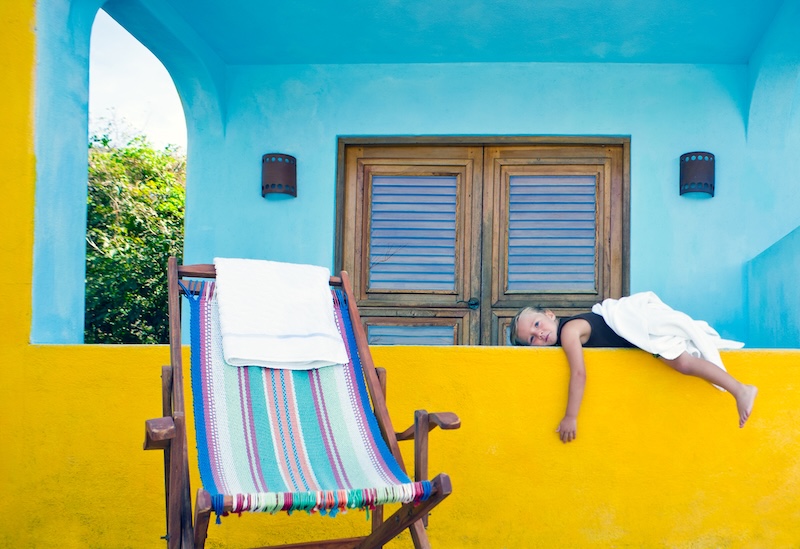
The differences between the healthcare system in Nicaragua and the US are stark. In the thirteen years I spent growing up in Managua, Nicaragua, I received all my care locally. It wasn’t until I moved back to the US as a teenager that I realized how different the systems are.
I think the quality of healthcare in Nicaragua is excellent. The healthcare system itself has both public and private sectors. The national public healthcare provider, MINSA, provides free universal healthcare through health centers, clinics, and hospitals. Most of the country is covered by MINSA, paid for by the taxpayer.
Anyone, even expats and tourists, can receive free public emergency services. Some caveats of these free services are that the wait times to see providers can be long and resources are limited. It is also expected that medical supplies and medications are paid for out of pocket.
The other available option is private healthcare, made up of both for-profit and nonprofit providers. Although the costs may seem low compared to American standards, they are often unaffordable to local communities, and these facilities mostly serve the upper classes and foreigners. In major cities like Managua, hospitals are top-tier.
Many doctors have medical degrees from the US, Mexico, or Europe, and many speak English, which is very helpful if you have just moved and do not speak Spanish yet. Many doctors practice in both private and public hospitals and often run clinics in rural areas as well.
Sick? Get a Same-Day Appointment
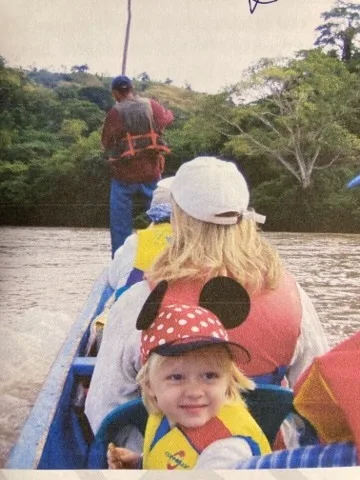
When we moved to Nicaragua, I almost immediately got sick, a classic reaction for a two-year-old who had just moved to a foreign country. My mom, naturally, was worried and took me to a doctor, who, to her surprise, could see me right away. She was used to the way appointments take forever to open up in the US, but here, I could receive the care I needed that same day. That is how it was generally at the private hospitals and doctors’ offices in Managua. If you needed an appointment, you could get in to see your pediatrician the same day. My sister and I would often go for checkups and appointments together. Our doctor had an area with toys in his office that we would take turns playing with while the other got their checkup. For the most part, I liked going to the doctor, except for the shots, of course.
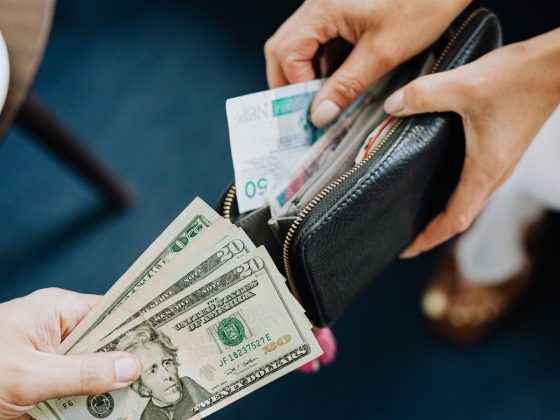
My family didn’t have any sort of expat insurance, and we paid out of pocket for all of the medical care we received, which was much more affordable than the going rates back in the US. On top of that, there were itemized lists of all the services with prices listed. You simply paid for what you received. It was all much more straightforward.
A Trip to the Emergency Room
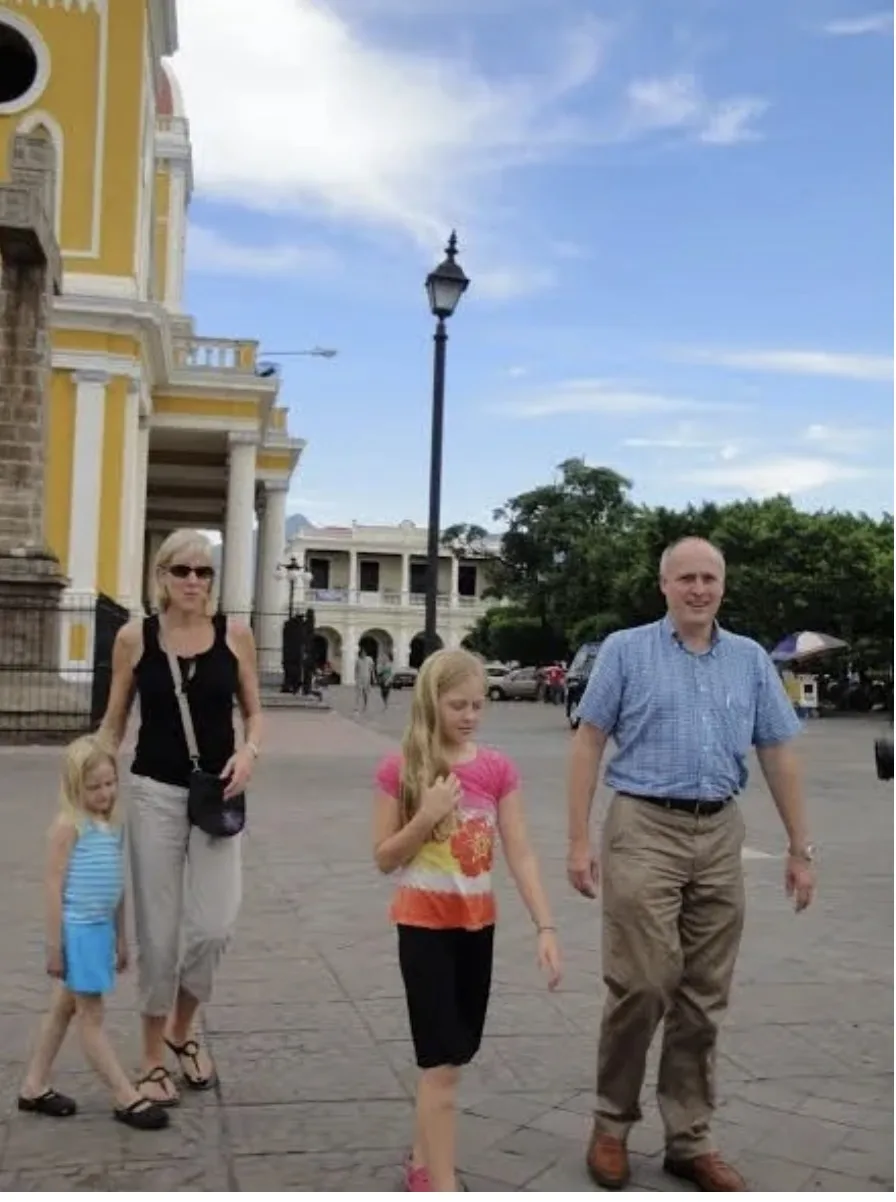
One afternoon, I went with my mom to pick my little sister up from school. While waiting for us to arrive, she was playing with her friends on a rope swing and accidentally punctured her hand on the top of a chain-link fence. She ran up to my mom, face pale, holding her cupped hand that was rapidly filling with blood. We tried to see how bad the wound was, and it wasn’t a pretty sight. We couldn’t see how deep it was, but thankfully, it hadn’t gone all the way through. The only thing I could think to do in that moment was get help, so I told my mom, “Let’s go to the hospital!”
We got in the car and drove to the emergency room at the same hospital where we usually saw our pediatrician. We walked in, were immediately checked in, and waited no more than a few minutes before we were led back to see a physician. My sister had her hand examined while my mom and I sat next to her, doing our best to reassure and comfort her. The doctor determined that she needed stitches and asked her if she wanted to listen to some music to distract her while they worked. My sister chose to play Becky G’s hit “Shower” on repeat. By the fifth or sixth time the song restarted, I had reached my limit, so I tried suggesting some of her other favorite songs. She refused, and we continued to listen to the lyrics “singing in the shower” over and over until all of her stitches were complete.
Thankfully, there wasn’t any serious damage to her hand, and once the stitches healed, she was left with only a small scar on her palm. This was the first and only time I had ever had to go to the emergency room while living in Nicaragua. The process was quick and painless. Given that it was a private hospital, there was no wait time to see a doctor. My mom was given a bill, and we went on our way. Luckily, emergency services in Nicaragua are much more affordable compared to what is charged in the US, and there is always the option of free care at public hospitals as well. Although I cannot speak to the wait times there, I have a feeling they might have been a bit longer.
Undergoing Foot Surgery
When I was twelve, I developed a sharp, stabbing pain in both of my feet. At first, we attributed it to growing pains, but it was persistent and especially painful when playing sports and at dance class. My dad told me that he had the same foot pain, which started when he was about my age, and it still bothered him to this day. We soon found out that this was because we both had an overly large navicular bone, which is located on the inside of the foot, right under the ankle. It made sense now why I had always been confused about where my ankle was. When people said it was the big knobby bone above your foot, I was confused to find two!
After a lot of doctor’s appointments and careful consideration, my family and I decided that the best course of action would be to have these bones reduced in the hope that it would get rid of the pain. We found a local orthopedist with a phenomenal reputation who consulted with us about our options and was willing to perform the surgery. I remember sitting in his office as he described the procedure of shaving down the bone on both feet. The recovery would require both legs to be bound in casts for six weeks post-op. I was nervous, but mostly that the surgery wouldn’t get rid of the pain, not about the surgery or recovery itself. I had complete confidence in my surgeon and didn’t bat an eyelash at the fact that I was undergoing this surgery in Nicaragua.
Before the surgery, all the costs were laid out upfront. It cost $500 per foot for the surgery, plus supplies and the hospital stay. There wasn’t any insurance involved, and the bill was itemized and agreed upon ahead of time.
I went in on the day of my surgery in high spirits; my days of pain were almost over! We checked in, I changed into my gown and lunch lady hair cover, and I rolled into the operating room at the Hospital Metropolitano Vivian Pellas. This was the same hospital I had been going to my whole life and is one of the best private hospitals in the region. When the surgery was over, I awoke in a private room with my family. The doctors and nurses were so kind and attentive. The food was also surprisingly good; of course, after surgery, maybe I was a little biased, but regardless, it was a very nice experience.
I went home in a wheelchair, my means of transportation for the next few weeks as I healed. I lay in bed listening to the latest Taylor Swift album. I had regular checkups with my surgeon throughout my recovery. He removed my stitches, took off my casts himself, and was always available to answer any questions. After weeks of being stuck in bed, I was itching to get back on my feet. I may have snuck in a few steps here and there before I was out of the casts, much to my parents’ horror. But ultimately, my feet healed, and my pain was finally gone. It was a success. Even though my lower legs had lost a significant amount of muscle, as a growing child, I recovered very quickly and was back to school, sports, and dance in no time.
My parents quote me as saying that I loved everything about getting surgery and that I would’ve done it all again. It was a very smooth experience. I felt like I got great medical care, got rid of my pain, and was pampered for a good six weeks. What more could I ask for? Given the relative affordability and ease of the surgery, to this day I would consider going back to Nicaragua if I needed a similar procedure.
Drugs: No Prescription, No Problem
Another seemingly unique feature of medical care in Nicaragua is accessing medications. A common alternative to going to the doctor if you have an ailment is to pop into your local pharmacy. The pharmacist will ask you about your symptoms and propose some solutions. It is a bit different from drugstores in the US because almost everything is behind the counter, so you do need to ask the pharmacist for what you want.
However, they will sell you any medication, with the exception of narcotics, without a prescription. Much of what you will find is available in the US, but some of the medications are different, so knowing the generic name in Spanish is especially helpful. Sometimes one pharmacy may not have what you need, but there are likely two more right around the corner. Medications are also much more affordable, and doubly so if you skip the doctor’s visit and opt for your pharmacist’s recommendation instead.
Growing up, we went to our pharmacy to get stomachache remedies frequently. More recently, on a trip to Medellín, Colombia, I was sent to the pharmacy on a similar mission and was happy to see that they have the same system there. After chatting with the pharmacist about all the intimate details of my friend’s stomach ailments, I was sent on my way with BisBacter, their version of Pepto-Bismol, which reportedly tastes way better than what they sell in the US.
Dentists and Orthodontists
Other medical services like dentistry and orthodontics are readily available and relatively affordable in Nicaragua as well. Dentistry is a surprisingly popular career, so there are lots of options when it comes to choosing a good dentist. I got braces when I was 13 and thankfully only had to wear them for a year. My orthodontist came highly recommended, and many of my friends also went to him. Invisalign was just becoming available in Nicaragua around this time, and I opted for it as my retainer once I was done with my braces. Again, my mom was pleasantly surprised by the price tag after hearing how costly braces had been for our friends living back in the US.
Acupuncture and Alternative Medicine
Alternatives to Western medicine were also available to me growing up in Managua. There was a Japanese clinic that offered a range of services, including acupuncture, herbalism, and massages, that my mom discovered when I was in my early teens. I went to my first acupuncture appointment for an injury that I got at dance, and my mom had read that it could help speed up my recovery. For my first appointment, I was led into a large room divided by curtains, where I lay on a cot and had numerous needles stuck in me. Then, a person with incense came by and provided heat therapy called moxibustion.
At first, this was terrifying because they were burning what looked like little bits of cloth directly on my skin, but it was painless, and I soon came to enjoy the effects. Afterwards, we were instructed to pick up dried herbs and leaves, including my favorite, mango leaves, to make a tea that I had to drink every day. While I actually enjoyed the acupuncture aspect, I did not enjoy forcing down multiple liters of tea every day. Regardless, I went back and found that acupuncture was helpful for a number of other ailments as well, ranging from allergies to stress management. To this day, I am grateful to have discovered acupuncture and often wish that I could go back to my favorite practitioner at the clinic.
What I Learned: A Simple Approach
There are plenty of other healthcare services that you can get in Nicaragua, ranging from cosmetic to senior care. In major cities like Managua, there are many options that vary in cost and caliber, while the options in rural areas can be quite limited. If you have the financial means, you don’t have to wait to receive care.
I feel very fortunate to have been able to receive quality care in the thirteen years that I lived in Managua. Compared to the sterile and streamlined approach that I often find in the healthcare system in the US, I felt a sense of being genuinely cared for there. I always felt like I was in very good hands. Straightforward pricing is also something I often miss. There was no fighting with insurance companies about who was in-network. Overall, the approach to healthcare in Nicaragua is very different from what you experience in the US. Not better, just different, and a lot of the time I miss the simplicity of it.
Healthcare in Nicaragua: Common Questions
Is healthcare free in Nicaragua?
Public healthcare, run by the Ministry of Health (MINSA), is free at the point of use. Waits can be long, resources are limited, and patients are often expected to pay for medicines and supplies.
Can foreigners use Nicaragua’s public hospitals?
Foreign residents can use MINSA facilities. Most expats, though, use private hospitals and clinics, mainly in Managua, where waits are short and many doctors speak English.
How good is private healthcare in Nicaragua?
Private hospitals in Managua are well regarded, and Hospital Metropolitano Vivian Pellas is the best known. Many doctors trained in the US, Mexico or Europe. Bills are itemized and agreed before treatment, and prices are far below US rates, so ask for a written quote first.
Can you buy medicine without a prescription in Nicaragua?
In the author’s experience, pharmacists sell most medicines over the counter after asking about your symptoms, but not narcotics. Knowing the generic name in Spanish helps. Rules can change, so check before relying on it.
Do you need health insurance to live in Nicaragua?
Not for everyday care: the author’s family paid cash for everything, including surgery. For serious illness or a medical evacuation, insurance is worth having, since costs can climb quickly.
About the Author
Amanda grew up in Managua, Nicaragua. She moved to NYC as a teenager to pursue ballet and currently dances professionally in Annapolis, Maryland.
Contact Author
"*" indicates required fields
Stay Ahead on Every Adventure!
Stay updated with the World News on Escape Artist. Get all the travel news, international destinations, expat living, moving abroad, Lifestyle Tips, and digital nomad opportunities. Your next journey starts here—don’t miss a moment! Subscribe Now !
The differences between the healthcare system in Nicaragua and the US are stark. In the thirteen years I spent growing up in Managua, Nicaragua, I received all my care locally. It wasn’t until I moved back to the US as a teenager that I realized how different the systems are.
I think the quality of healthcare in Nicaragua is excellent. The healthcare system itself has both public and private sectors. The national public healthcare provider, MINSA, provides free universal healthcare through health centers, clinics, and hospitals. Most of the country is covered by MINSA, paid for by the taxpayer.
Anyone, even expats and tourists, can receive free public emergency services. Some caveats of these free services are that the wait times to see providers can be long and resources are limited. It is also expected that medical supplies and medications are paid for out of pocket.
If you'd like to read the full story, simply enter your email to subscribe to our newsletter.
For even more expert insights, unmissable resources, and exclusive invites, explore our premium subscription offers here.
OR
Already a Subscriber? Click here to login
Subscription required
You've reached your limit of free articles. For full access to Escape Artist, and all of our insights on travel, moving abroad, and the digital nomad life, click here to Subscribe.
Already a Subscriber? Log in here