Puerto Rico sells itself well. No passport for Americans. The US dollar. Beaches an hour from almost anywhere. A tax deal that made headlines for a decade.
All of that is real. But the same few problems show up again and again in the data. Power bills. Slow access to specialists. Paperwork in Spanish. A tax break that turned out smaller than they expected.
This article is the other side of the story. It is not a reason to rule Puerto Rico out. It is a list of what to plan for before you sign a lease. If you want the full picture of daily life first, read our guide to living in Puerto Rico.
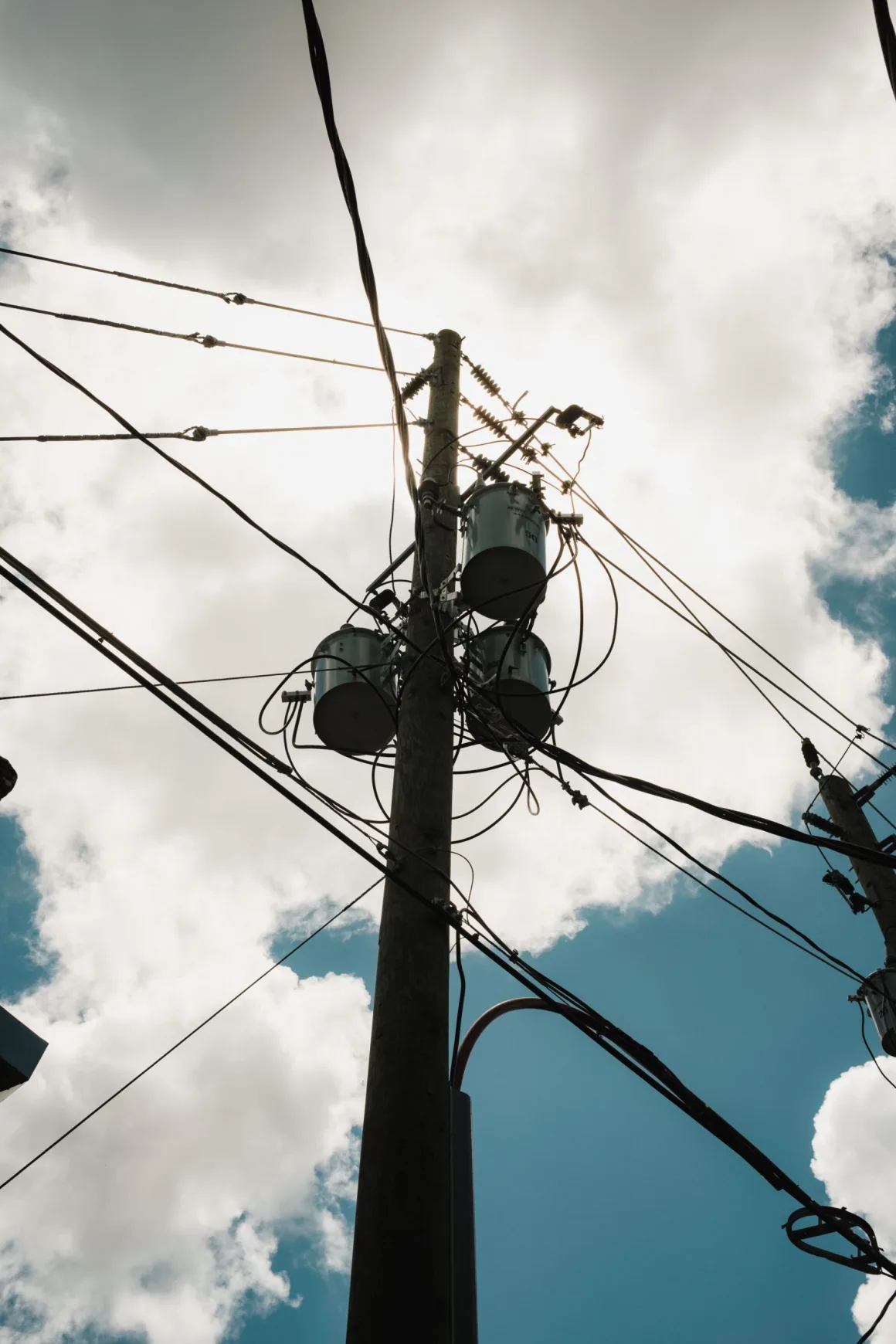
1. You will pay nearly double for electricity, and it still goes out
This is the biggest one, and the numbers back it up.
On 1 October 2026 the Puerto Rico Energy Bureau approved a new residential rate of 33.86 cents per kWh. The mainland average is 18.3 cents, according to the US Energy Information Administration. A typical home using 800 kWh a month now pays about $271, up from $229, according to Fortune.
Most of the island still runs on imported fuel. In 2024, petroleum made up 63% of energy use and renewables just 1%. When world oil prices move, your bill moves with them.
Paying more does not buy reliability. On 16 April 2025 the whole island lost power, all 1.4 million customers, as PBS reported. That came less than four months after the previous island-wide blackout on New Year’s Eve. In late September 2026, a single substation fire cut power to more than 200,000 customers.
The chairman of the Energy Bureau wrote in May 2026 that “reliability remains poor”. That is the regulator speaking, not a critic.
What to plan for: Budget for solar panels and a battery, or at least a generator, on top of your purchase price. Many residents treat this as a normal cost of owning a home here. Ask any landlord how the property handled the April 2025 blackout.
2. Hurricane season is a real part of the calendar
The Atlantic hurricane season runs from 1 June to 30 November. In Puerto Rico, people plan around it.
Hurricane Maria hit on 20 September 2017 as a Category 4 storm. It caused nearly 3,000 deaths and destroyed most of the power grid. Five years later, Hurricane Fiona made landfall on 18 September 2022 and knocked out power to the whole island again, ABC News reported. Fiona was only a Category 1 storm.
You do not need a direct hit to have a hard month. Flooding, landslides in the mountains and weeks without power or water all follow storms that pass nearby.
What to plan for: Check the windstorm and flood cover on any home insurance quote, not just the headline price. Keep water storage, a generator and cash at home from June onward. If you are a part-time resident, think about who will check your home after a storm.
3. Finding a specialist can be slow
Puerto Rico is losing doctors faster than it trains them.
A June 2025 article in JAMA Health Forum set out the numbers:
- 9,809 doctors serve about 3.2 million people.
- Between 365 and 500 doctors have left each year over the past decade. That is more than twice the number of new local graduates.
- More than 40% of specialists will be at or near retirement age by 2027.
- 69% of doctors work in just 10 metro areas.
Some specialties are very thin. Rheumatologists, endocrinologists and ear, nose and throat doctors each make up less than 1% of the island’s active doctors.
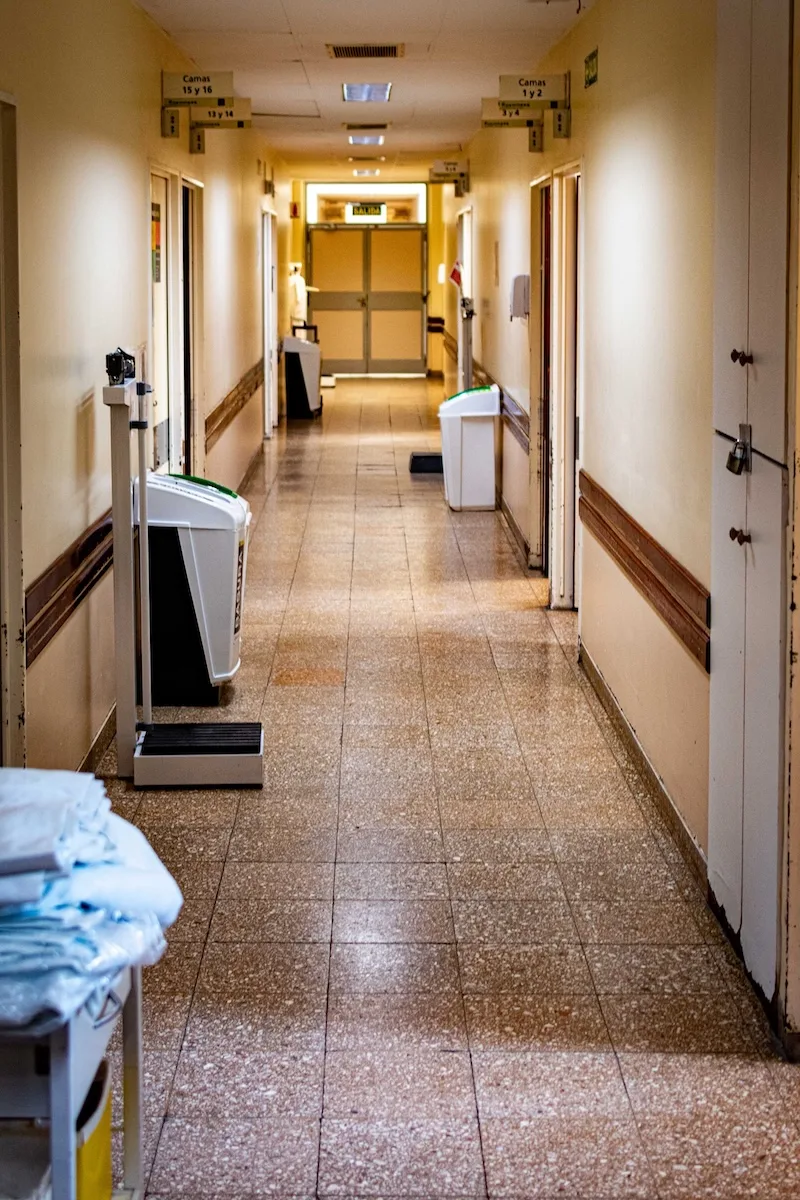
In practice, care is easiest to find in and around San Juan. Outside the main metro areas, you may drive a long way to see a specialist, and waits can be long.
What to plan for: If you manage a long-term condition, find your specialist before you move, not after. If you are planning to stay into your 80s, read our guide to long-term care options abroad. Many of the same questions apply here.
4. Medicare works here, but not quite like on the mainland
This surprises a lot of retirees. Puerto Rico is part of the US, so Medicare applies. But the details are different.
Extra Help, the federal program that lowers drug costs for people on low incomes, is not available in Puerto Rico. Medicare.gov says so plainly. There are local programs instead, but they vary.
Funding is also lower. The JAMA authors found Medicare Advantage payments in Puerto Rico are about 38% lower than on the mainland. Federal Medicaid matching is capped at 55%, while states get open-ended matching. Lower funding is one reason doctors leave.
What to plan for: Compare Medicare Advantage plans on the island before you move. Check that your doctors and hospital are in the network. If you rely on Extra Help today, work out what your drug costs will be without it. Our Puerto Rico retirement guide covers the basics.
5. The Act 60 tax deal is getting smaller, and the rules are strict
For many people, Act 60 is the reason they looked at Puerto Rico in the first place. It is still generous. But it is changing.
In March 2026 Puerto Rico passed Act 38-2026, which extends the program to 2055. The catch is in the rates for new applicants, as tax attorneys at MZLS explain:
| Apply by 31 Dec 2026 | Apply from 1 Jan 2027 | |
| Tax on interest and dividends | 0% to 2035 | 4% to 2055 |
| Tax on gains made after you move | 0% to 2035 | 4% to 2055 |
| Years you must have lived outside Puerto Rico | Current rules | Six years |
You still need to give $10,000 a year to a Puerto Rico nonprofit, file a yearly report, and pass three residency tests. The main one is generally spending at least 183 days a year on the island. MZLS notes that the new law still needs final sign-off from the island’s Financial Oversight and Management Board.
The IRS also watches this program closely. It launched a compliance campaign aimed at Act 22 and Act 60 holders in January 2021, Baker Tilly reports. It looks for people who claim the benefits without truly living on the island.
What to plan for: If Act 60 is your main reason to move, talk to a tax adviser now. The 0% window for new applications closes on 31 December 2026. Do not move only for the tax deal. If you hate living there, the savings will not feel worth it. For other rule changes coming next year, see our guide to expat rule changes in 2027.
6. Shopping costs more than you expect
Puerto Rico’s sales tax, called the IVU, is 11.5% on most purchases. That is 10.5% for the island plus 1% for the town, according to Kintsugi’s tax guide. That is higher than the combined rate in most US states.
Most goods are also shipped in. A US law called the Jones Act requires goods moving between US ports to travel on US-built, US-crewed ships. How much this adds to prices is disputed. One 2019 report highlighted by the Cato Institute put the extra cost to consumers at $1.1 billion a year. A former shipping executive writing in FreightWaves argued that repeal would cut freight rates to the island by only about 10% to 15%.
Either way, groceries, cars, appliances and building materials often cost more than on the mainland. Local produce and eating out can be cheaper.
What to plan for: Do a test shop before you move. Price your normal weekly basket at a supermarket in the area you like. Add 11.5% to any big purchase you plan to make on the island.
7. Daily life runs in Spanish
English is an official language, and most tourist areas work fine in English. Daily admin is different.
Government offices, utility companies, contractors and many doctors work mainly in Spanish. In the 2015 to 2019 American Community Survey, 76.6% of Puerto Ricans aged five and over said they did not speak English “very well”, as summarised on Wikipedia.
You can get by in parts of San Juan, Dorado and Rincón with English only. But a power bill dispute, a building permit or a car registration will go much more smoothly in Spanish.
What to plan for: Start Spanish lessons before you go. Budget for a bilingual helper, often called a gestor, for paperwork in your first year.

8. Crime is higher than on the mainland
Puerto Rico recorded 471 homicides in 2025, according to preliminary figures from the Puerto Rico Institute of Statistics. With about 3.18 million residents, that works out to roughly 15 per 100,000 people. The US rate in 2024 was about 5 per 100,000, according to the FBI. So the rate is about three times higher.
Context matters. In the last quarter of 2025, 93% of homicide victims were men, mostly aged 20 to 39, and 92% of cases involved guns. That pattern points to targeted violence, not random attacks on residents or visitors. Even so, it is a real difference from most mainland suburbs.
What to plan for: Visit the exact neighborhood at night, not just during the day. Ask local residents, not only the agent. Gated communities and buildings with staff are popular with new arrivals for a reason.
9. Dengue is a year-round risk
Puerto Rico has had a dengue problem for years. In 2025 there were 3,385 cases, and 51.7% of patients were admitted to the hospital.
2026 has been quieter, but not quiet. From January to mid-September there were 922 cases. Almost half needed hospital care, and four deaths were linked to the disease, The Rio Times reported from Health Department data.
What to plan for: Use screens, repellent and air conditioning. Clear standing water around your home. If you get a high fever, see a doctor quickly.
What Puerto Rico still does well
None of this cancels out the real benefits. For many people, they still win.
- No visa, no residency permit. US citizens can move with a driver’s license. Your Social Security and Medicare still work.
- The US dollar and US banks. No exchange rate risk, which matters more than people think. Compare that with our piece on how a stronger colón cut Costa Rica pensions.
- Short flights home. Many daily direct flights connect San Juan with the East Coast.
- US legal protections. Federal law, US courts and US consumer rules apply.
- Act 60 is still available to people who qualify, even after 2026.
If those points matter most to you, the downsides above are things to manage, not deal breakers.
Who should think twice
Puerto Rico can be a hard fit if you:
- need regular care from a specialist, or depend on Extra Help for drug costs
- run medical equipment at home and cannot afford a battery or generator
- want to move mainly for the tax deal and plan to apply after 2026
- will not learn any Spanish
If that sounds like you, look at the US Virgin Islands too. They have their own trade-offs, which we cover in our guides to living in the US Virgin Islands and moving to St. Croix.
FAQs
What is the biggest disadvantage of living in Puerto Rico?
For most residents it is electricity. Power costs about 33.86 cents per kWh from October 2026, close to double the mainland average, and island-wide blackouts still happen. Most long-term residents add solar, a battery or a generator.
Is Puerto Rico cheaper than the mainland US?
Housing and eating out can be cheaper than in many US cities. Electricity, imported groceries, cars and appliances usually cost more. Sales tax is 11.5% on most purchases.
Does Medicare work in Puerto Rico?
Yes. Puerto Rico is part of the US Medicare system. But Extra Help for drug costs is not available on the island, and Medicare Advantage payments are lower than on the mainland, which affects how many doctors take part.
Can I still get the Act 60 tax break?
Yes, if you qualify. Applications filed by 31 December 2026 keep the 0% rate on interest, dividends and new capital gains until 2035. Applications from 2027 pay 4%, and you must have lived outside Puerto Rico for six years first. Always check with a tax adviser.
Is Puerto Rico safe for expats?
The homicide rate is about three times the US average. Most victims are young men and most cases involve guns, which points to targeted violence rather than random crime. Choose your neighborhood with care and visit it at night before you commit.
About the Author
Contact Author
"*" indicates required fields
Stay Ahead on Every Adventure!
Stay updated with the World News on Escape Artist. Get all the travel news, international destinations, expat living, moving abroad, Lifestyle Tips, and digital nomad opportunities. Your next journey starts here—don’t miss a moment! Subscribe Now !
Puerto Rico sells itself well. No passport for Americans. The US dollar. Beaches an hour from almost anywhere. A tax deal that made headlines for a decade.
All of that is real. But the same few problems show up again and again in the data. Power bills. Slow access to specialists. Paperwork in Spanish. A tax break that turned out smaller than they expected.
This article is the other side of the story. It is not a reason to rule Puerto Rico out. It is a list of what to plan for before you sign a lease. If you want the full picture of daily life first, read our guide to living in Puerto Rico.
If you'd like to read the full story, simply enter your email to subscribe to our newsletter.
For even more expert insights, unmissable resources, and exclusive invites, explore our premium subscription offers here.
OR
Already a Subscriber? Click here to login
Subscription required
You've reached your limit of free articles. For full access to Escape Artist, and all of our insights on travel, moving abroad, and the digital nomad life, click here to Subscribe.
Already a Subscriber? Log in here