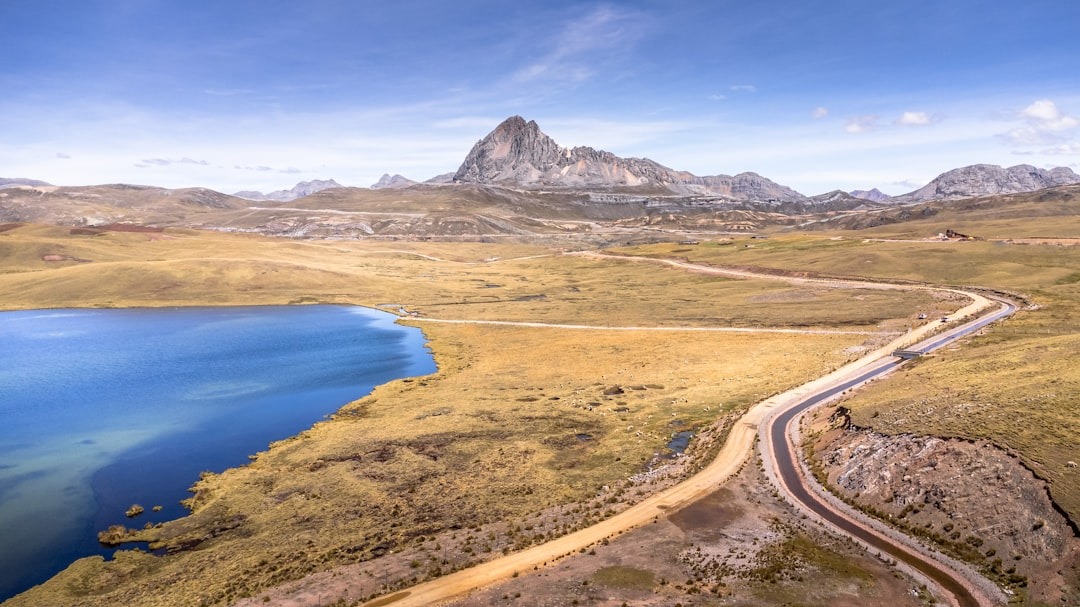
The listings look like a typographical error. Twenty hectares with a river frontage, in a region most people would describe as the end of the world, for less than a parking space in a major city.
They are not errors. Chile’s Aysén Region runs along the Carretera Austral and holds fewer than 110,000 people across an area the size of a small country. The market for land in patagonia for sale there is genuinely thin, and thin markets produce low prices and slow exits. That is the whole trade.
The question worth answering first is not whether you can buy. It is which of the obvious worries are real.
Can Foreigners Actually Own Land In Chile?
Yes, outright, with no requirement to be a resident and no local-partner structure.
This surprises people who have shopped in Mexico or Indonesia. There, coastal and rural ownership often runs through trusts or leases. Chile has no such mechanism. A foreign buyer takes the same title a Chilean does, and the investment and trade framework is unusually open by regional standards.
You will need a RUT, the Chilean tax identification number, which is obtainable without residency. The purchase itself is done by public deed before a notary, then registered with the regional property registry. Until that registration completes, you do not own anything.
Does the Argentine Border Change Anything?
For most buyers, no, and this is the single most misunderstood point about Patagonian land.
Chile restricts land near its frontiers under Decree Law 1,939 of 1977. The restriction is narrower than the rumor, and it turns on your passport. Nationals of countries sharing a land border with Chile, meaning Argentina, Bolivia and Peru, cannot acquire property within 10 kilometers of those borders without authorization from the President.
A buyer from the United States, Canada, the United Kingdom or almost anywhere else is not covered by that rule at all. What does apply universally is a separate provision on state-owned land, which within 10 kilometers of the border may only pass to Chilean persons.
So the practical position is straightforward. Private land bought from a private owner is open to you. State land in the frontier strip is not, whoever you are.
What Actually Complicates a Patagonian Purchase?
Not nationality. Four other things, in roughly this order of nuisance:
- Water rights. Chilean law treats them separately from the land, so a river running through a property does not mean you may use it.
- Access. Many parcels have no registered right of way, reaching them across a neighbor’s land by long-standing habit rather than by title.
- Boundaries. Rural surveys in the region are often old, and the deed description may not match what a modern survey finds.
- Winter. Parts of the Carretera Austral are effectively seasonal, and a property that is charming in January is unreachable in July.
The first two cause the most litigation. Both are checkable before you commit, and neither is visible from a listing photograph.
How Do You Check Any of This From Abroad?
Through a Chilean lawyer, and there is no substitute worth considering.
There are four essential checks. A title study going back at least 10 years. A registry search for liens. Written confirmation of water rights. A physical survey.
Budget weeks rather than days. The regional registries are not fully digitized.
- Confirm the seller’s title chain, not just the current deed.
- Check for registered easements, in both directions.
- Verify water rights separately, in writing.
- Establish legal access, not customary access.
- Visit in the worst month, not the best one.
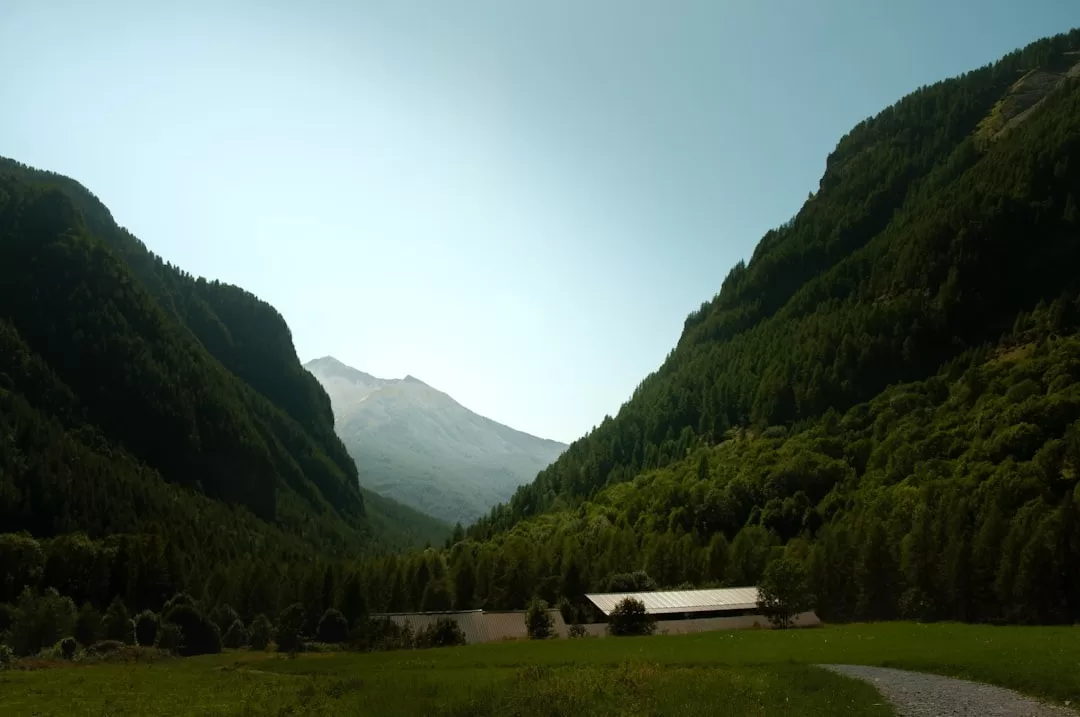
Photo by Mauryne Mty on Unsplash
That last point does more to prevent regret than any legal check. The region rewards a winter visit with an honest picture, and the practical travel side sits in the consular country information for Chile.
Budget for the trip properly. Flights into Balmaceda, a hired vehicle capable of gravel, and 5 days is a realistic minimum to see more than two valleys. People who buy after a summer weekend are the ones who sell at a loss.
What Owning Land There Does Not Give You
It does not give you residency. Property ownership and immigration status are unconnected in Chile, and buying a farm confers no right to live on it beyond your visa.
That catches people out regularly, and it is worth reading up on the residency routes available in Chile before assuming the two are linked. The sequence usually runs the other way: work out the visa, then buy.
Nor does it give you a liquid asset. A thin market takes buyers as slowly as it gave them to you, and 18 months to sell is unremarkable. Anyone treating overseas property as a way to hold wealth should weigh that against the entry price.
Going In With Your Eyes Open
Aysén is not cheap because something is wrong with the title. It is cheap because it is remote, the population is small and the market is slow.
If those are acceptable, the legal path is unusually clean for a foreign buyer. Check the water, check the access, and go in winter.
FAQ
Can a Foreigner Buy Land In Chile Without Residency?
Yes. Residency is not required, and foreign buyers take the same freehold title as Chileans. A Chilean tax identification number is needed to complete the purchase.
Are Border Areas Off Limits to Foreign Buyers?
Only for nationals of Argentina, Bolivia and Peru, who need presidential authorization within 10 kilometers of those borders. State-owned frontier land is separately reserved for Chilean persons.
Do Water Rights Come With the Land?
No. Chilean law treats water rights as separate from land title, so they must be verified and transferred explicitly.
How Long Does a Purchase Take?
Several weeks at minimum once due diligence starts, and longer in rural Aysén where registry records are not fully digitized.
Contact Author
"*" indicates required fields
Stay Ahead on Every Adventure!
Stay updated with the World News on Escape Artist. Get all the travel news, international destinations, expat living, moving abroad, Lifestyle Tips, and digital nomad opportunities. Your next journey starts here—don’t miss a moment! Subscribe Now !
The listings look like a typographical error. Twenty hectares with a river frontage, in a region most people would describe as the end of the world, for less than a parking space in a major city.
They are not errors. Chile’s Aysén Region runs along the Carretera Austral and holds fewer than 110,000 people across an area the size of a small country. The market for land in patagonia for sale there is genuinely thin, and thin markets produce low prices and slow exits. That is the whole trade.
The question worth answering first is not whether you can buy. It is which of the obvious worries are real.
If you'd like to read the full story, simply enter your email to subscribe to our newsletter.
For even more expert insights, unmissable resources, and exclusive invites, explore our premium subscription offers here.
OR
Already a Subscriber? Click here to login
Subscription required
You've reached your limit of free articles. For full access to Escape Artist, and all of our insights on travel, moving abroad, and the digital nomad life, click here to Subscribe.
Already a Subscriber? Log in here