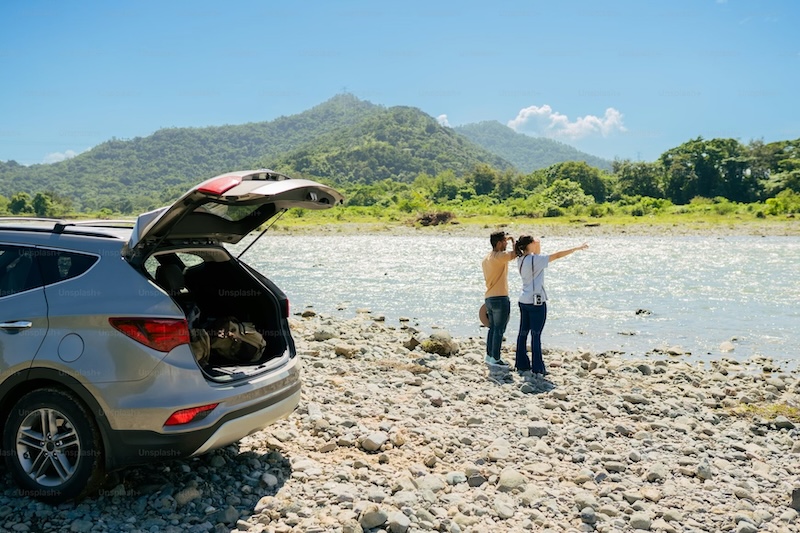
Costa Rica rarely unfolds in the way people expect. It is often presented as a destination that is easy to navigate, compact in size, and neatly organised around a handful of well-known stops. Yet the reality feels different the moment you begin to move through it. Roads bend through dense jungle, coastlines stretch far beyond resort towns, and some of the most memorable places exist just out of reach of the main routes. It is a country that rewards curiosity, but only if you have the freedom to follow it.
That freedom is not guaranteed. Without your own transport, travel quickly becomes structured around fixed schedules and limited connections, shaped more by logistics than by instinct. With it, the entire experience shifts. The pace changes. The choices expand. The journey becomes as significant as the destination.
This is why the decision to rent a car in Costa Rica with Jumbocar is not simply about convenience. It is about access. It allows you to move through the country in a way that feels responsive rather than restricted, and to experience Costa Rica not as a sequence of stops, but as something continuous and evolving.
A Country Defined by Movement
Costa Rica’s geography plays a central role in how it is experienced. Although the country appears small on a map, its terrain creates a sense of distance that is not immediately obvious. Mountain ranges divide regions, roads shift between smooth highways and uneven tracks, and travel times are often shaped by conditions rather than kilometres.
Public transport connects many of the main towns, but it operates on a system designed for function rather than exploration. Buses follow fixed routes, schedules can be inflexible, and reaching more remote areas often requires multiple transfers. For travellers with limited time or a desire to move beyond the obvious, this can feel restrictive.
Driving introduces a different rhythm. It allows for variation, for changes of plan, for the kind of decisions that are made in the moment rather than in advance. A turn taken out of curiosity can lead to a stretch of coastline that feels entirely your own. A delayed departure can become an opportunity rather than an inconvenience. Movement becomes part of the experience rather than something that simply connects it.
Beyond the Familiar Itinerary
There is a version of Costa Rica that most visitors encounter, built around destinations that are easy to access and widely promoted. Places like La Fortuna, Manuel Antonio, and Tamarindo offer a structured introduction to the country, combining natural beauty with a level of comfort that feels familiar. They serve a purpose, particularly for first-time visitors, but they represent only part of what Costa Rica offers.
The country’s character becomes more apparent once you move beyond these established routes. The Nicoya Peninsula, with its quieter beaches and slower pace, offers a contrast to more developed coastal areas. The Osa Peninsula feels more remote, less polished, and closer to wilderness. Inland regions reveal coffee plantations, small villages, and landscapes that shift from tropical lowlands to cooler, mist-covered forests.
Accessing these places requires a degree of independence. Roads are not always direct, signage can be minimal, and navigation often depends on a willingness to explore. Having your own vehicle makes this not only possible, but natural. It removes the need to justify detours or calculate every movement, allowing the experience to unfold in a more organic way.

Choosing the Right Car for the Terrain
Driving in Costa Rica is not difficult, but it does require consideration. Road conditions vary depending on location, and what works in one region may not be suitable in another. Coastal areas and major highways are generally well maintained, but rural routes can include gravel surfaces, steep inclines, and occasional river crossings, particularly during the rainy season.
For this reason, choosing the right vehicle is important. A standard car may be sufficient for urban travel and short distances, but for those planning to explore more remote areas, a four wheel drive option offers greater flexibility and peace of mind. It allows access to locations that might otherwise feel uncertain, and reduces the risk of disruption caused by changing conditions.
Reliability is equally important. Travelling in a country where distances can feel longer than expected makes it essential to choose a provider that offers well maintained vehicles and clear support. This is where working with an established company becomes part of the overall experience, rather than a detail to be overlooked.
The Role of Planning Without Overplanning
There is a balance to be found when travelling through Costa Rica. Planning is necessary, particularly when it comes to accommodation, seasonal conditions, and general routes. At the same time, overplanning can limit the very experiences that make the country unique.
Having a car allows you to strike that balance more effectively. It provides a structure without imposing rigidity. You can define a direction without fixing every detail, leaving space for the unexpected while maintaining a sense of control.
This approach is particularly valuable in a destination where conditions can change quickly. Weather may shift, roads may require adjustment, and recommendations from locals may lead you somewhere entirely different from your original plan. Flexibility becomes an advantage rather than a complication.
Safety, Navigation, and Practical Considerations
Driving in Costa Rica is generally straightforward, but there are practical details that make a difference. Navigation apps are widely used and reliable in most areas, although signal strength can vary in more remote regions. Downloading offline maps in advance is a simple step that can provide additional confidence when travelling outside main routes.
Road awareness is also important. Conditions can change quickly, particularly in rural areas, and driving at a measured pace allows you to respond to these changes more effectively. Night driving is best approached with caution, as visibility can be reduced and road markings are not always consistent.
Parking in towns and cities is usually manageable, with designated areas available in most locations. In more remote areas, informal parking is common, often guided by local knowledge rather than formal structure. These details become easier to navigate with experience, and quickly form part of the overall rhythm of travel.
The Experience of Moving Slowly
One of the most significant shifts that comes with driving in Costa Rica is the change in pace. Without the pressure of fixed schedules or organised transfers, time begins to feel less constrained. Journeys become opportunities to observe, to pause, and to engage with the environment in a more immediate way.
Stopping for fresh fruit at a roadside stand, pulling over to watch wildlife, or simply taking a moment to absorb a landscape that feels entirely removed from daily life are all part of the experience. These moments are not planned, but they often become the most memorable.
This slower, more deliberate way of moving aligns with the broader rhythm of Costa Rica itself. It reflects a way of experiencing travel that prioritises presence over efficiency, and depth over speed.
Why the Details Matter
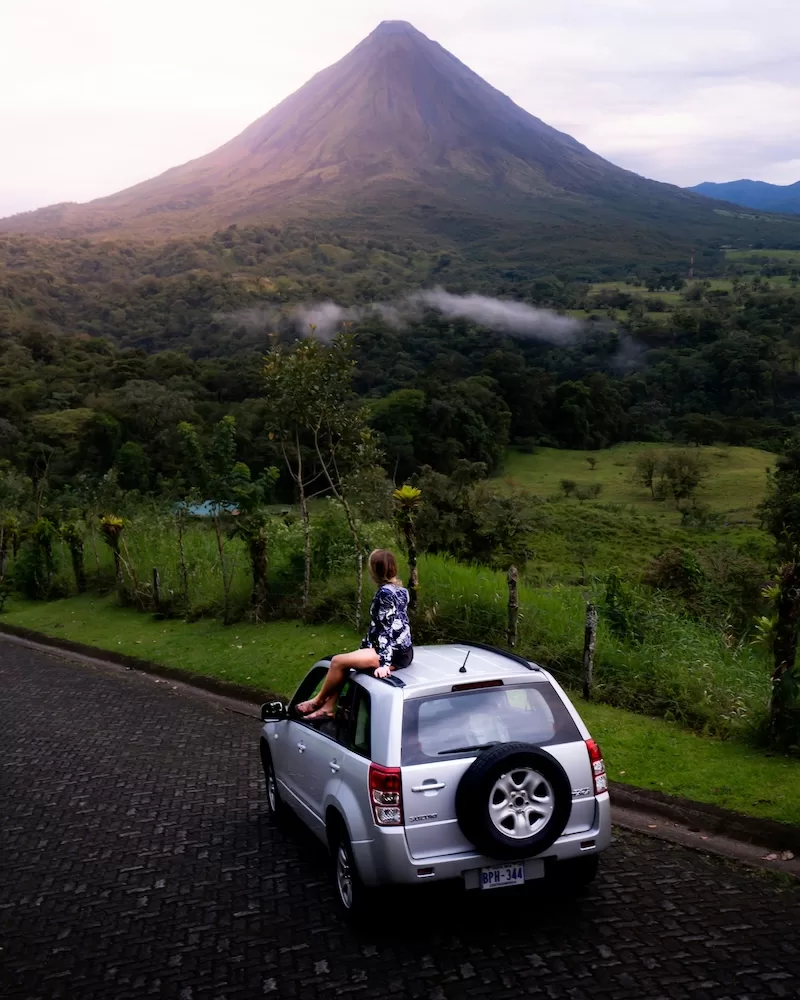
Choosing how you move through a country shapes everything that follows. It influences what you see, how you feel, and the extent to which you engage with your surroundings. In a destination like Costa Rica, where so much exists beyond the obvious, this choice becomes particularly significant.
Working with a provider that understands these dynamics adds an additional layer of ease to the experience. Clear booking processes, transparent pricing, and reliable vehicles remove unnecessary friction, allowing you to focus on the journey itself rather than the logistics behind it.
This is why many travellers choose to rent a car in Costa Rica with Jumbocar, recognising that the right support at the beginning of a trip can shape everything that follows. It is a decision that simplifies the practical aspects of travel while expanding the experiential ones.
A Different Way to Experience Costa Rica
Costa Rica is often described in terms of its highlights. Its national parks, its beaches, its biodiversity. These are all part of its appeal, but they do not define it entirely. The country’s character lies in the spaces between these points, in the transitions, the smaller moments, and the places that are not always visible at first glance.
Experiencing this requires a shift in approach. It means moving beyond structured itineraries and allowing space for exploration. It means choosing flexibility over convenience, and independence over predictability.
Driving offers that possibility. It transforms the country from a series of destinations into something more fluid, more immersive, and more personal.
Making the Most of the Journey
For those planning a visit to Costa Rica, the question is not simply where to go, but how to move between those places in a way that enhances the experience rather than limits it. Renting a car provides that opportunity. It creates a framework that supports exploration, while leaving room for the unexpected.
The key is to approach it with intention. Choose the right vehicle, understand the terrain, and allow time for the journey itself. Avoid the temptation to see everything, and instead focus on experiencing each place fully.
In doing so, Costa Rica reveals itself differently. Not as a checklist of destinations, but as a country that invites you to engage with it more deeply, one road at a time.
Contact Author
"*" indicates required fields
Stay Ahead on Every Adventure!
Stay updated with the World News on Escape Artist. Get all the travel news, international destinations, expat living, moving abroad, Lifestyle Tips, and digital nomad opportunities. Your next journey starts here—don’t miss a moment! Subscribe Now !
Costa Rica rarely unfolds in the way people expect. It is often presented as a destination that is easy to navigate, compact in size, and neatly organised around a handful of well-known stops. Yet the reality feels different the moment you begin to move through it. Roads bend through dense jungle, coastlines stretch far beyond resort towns, and some of the most memorable places exist just out of reach of the main routes. It is a country that rewards curiosity, but only if you have the freedom to follow it.
That freedom is not guaranteed. Without your own transport, travel quickly becomes structured around fixed schedules and limited connections, shaped more by logistics than by instinct. With it, the entire experience shifts. The pace changes. The choices expand. The journey becomes as significant as the destination.
This is why the decision to rent a car in Costa Rica with Jumbocar is not simply about convenience. It is about access. It allows you to move through the country in a way that feels responsive rather than restricted, and to experience Costa Rica not as a sequence of stops, but as something continuous and evolving.
If you'd like to read the full story, simply enter your email to subscribe to our newsletter.
For even more expert insights, unmissable resources, and exclusive invites, explore our premium subscription offers here.
OR
Already a Subscriber? Click here to login
Subscription required
You've reached your limit of free articles. For full access to Escape Artist, and all of our insights on travel, moving abroad, and the digital nomad life, click here to Subscribe.
Already a Subscriber? Log in here