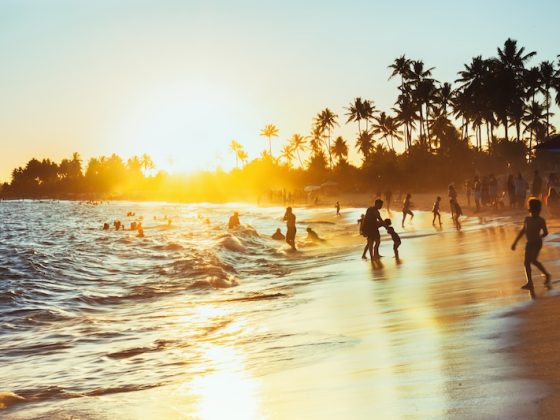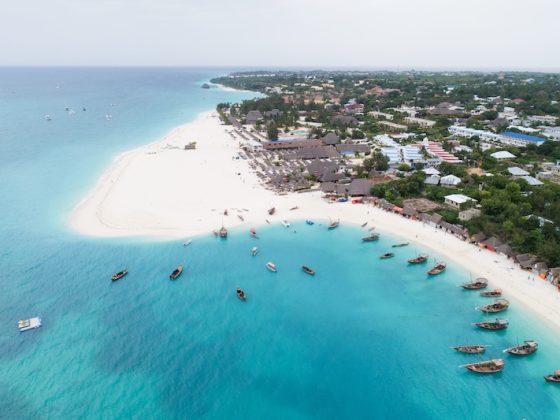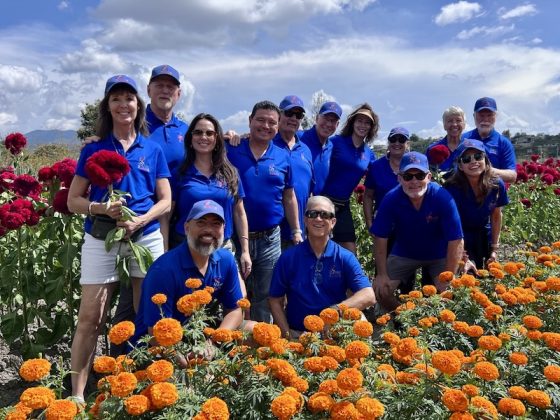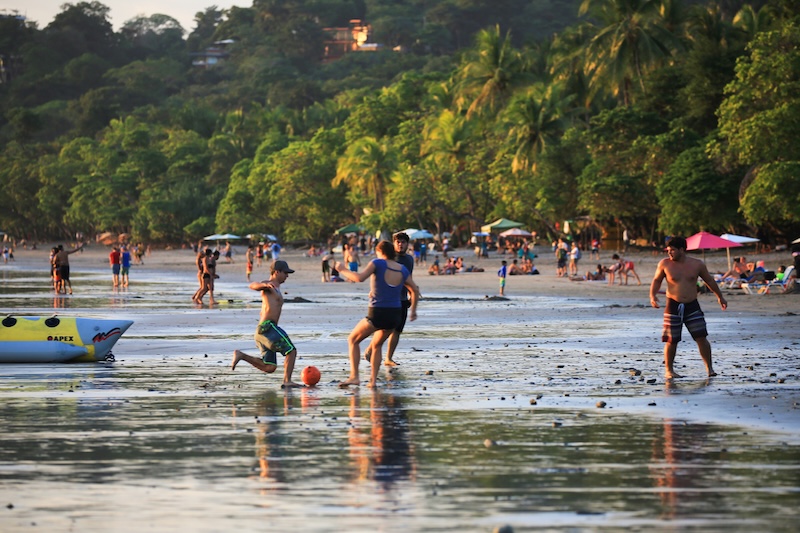
Community matters everywhere, but in Costa Rica, it feels even more essential. It’s a gentle net that rises beneath you on the days when the power flickers out, the water stops without warning, or you find yourself staring at a toolbox, wondering where on earth to buy a wrench.
Whether you arrive alone or with a family large enough to form a small choir, the people you meet here become your anchors. They are the ones who invite you to dinner before they even know your last name, who recommend the mechanic who charges fair prices, and who show up at your door with warm food and a homemade herbal remedy when you’re sick. They are a steady presence in a place where everything else, weather, travel, schedules, and the availability of butter, can change without warning.
When People Step In
I’ve lived in three different towns in Costa Rica, each unique in scenery, pace, and personality, but in every one of them, the community sat at the center. I understood that in a very personal way the year I broke my clavicle. One moment I was walking along an uneven pavement in cheap flip-flops, and the next I was on the ground, stunned, hurting, and furious at myself for ever believing rubber sandals counted as footwear.
What amazed me wasn’t the pain; it was the people. Neighbors I barely knew appeared in an instant, helping me to my feet, checking on me, and insisting I let them take me to the doctor. For an entire week, they walked my dogs, brought me food, checked on me, and made sure I never felt alone.
Two local women who worked in my complex came by to sweep my floors and wash my dishes without being asked. I had always heard that Costa Rica was full of kind people, but it wasn’t until I sat on my couch with my arm in a sling while two women who didn’t speak a word of English voluntarily cleaned my home and a neighbor arrived with a bowl of soup that I truly understood what community meant.
Building a Circle Before You Arrive
If you’re dreaming of moving to Costa Rica, you can begin building that circle long before you fold a single T-shirt into a suitcase. I joined a handful of expat Facebook groups months before I arrived, and soon I knew more about missing dogs, potholes, and which grocery store carried almond milk in Guanacaste than I did about the street I lived on back home.
Once you know the town you’re headed for, find the group dedicated to that area. Almost every community has one, filled with people who have already walked through the same confusion, excitement, overwhelm, and the never-ending debate over which insect repellent works. Introduce yourself. Ask questions. Let people help.
The warmth people extend on those pages may surprise you at first, but it will also steady you. You’ll recognize names long before you ever recognize faces.
Learning Spanish, Imperfectly
Another gift you can give yourself is to start learning Spanish early. It doesn’t need to be elegant or to have perfect grammar. My early attempts were so clumsy that I once ordered Thursday (jueves) instead of eggs (huevos). The waiter looked amused. I was confused. We both survived.
Costa Ricans care far more about kindness than precision. A shy “Hola,” a hesitant “buenos días,” or a mispronounced question still shows that you’re trying, and that effort softens hearts and opens doors in the most unexpected ways.
The Power of Saying Hello
Greet everyone. Truly, everyone. Costa Ricans say hello in grocery stores, parking lots, on sidewalks, in line at the bank, and sometimes because the moment calls for a little warmth. At first, this constant greeting felt unusual to me, coming from a place where people pretend they don’t see each other.
But soon, those daily “Holas” became tiny golden threads weaving me into my town. After a few weeks, people recognized me. They waved from motorcycles, called out from porches, and smiled when I walked into the cafe. That was the moment I realized I was no longer just visiting. I belonged. Even my dogs belonged, maybe more than I did.
Guests, Always
Getting to know both Ticos and expats can feel like learning two different but equally lovely languages. One thing every long-term expat should know is this: Costa Rica belongs to the Ticos, always. We are guests here, even if we hold residency, even if we’ve lived here for decades. Respect and humility are the foundation of every relationship. Trying to mold the country into what you left behind only creates tension. Loving Costa Rica as it is, imperfect, beautiful, layered, alive, is what creates connection.
Where Life Happens
Once you meet people, ask about the local WhatsApp groups. Someone will need to invite you. Every town has at least one, and many have several. Some are full of information, and others can be personal and dramatic. Join them all, even the Spanish-only ones. Google Translate will be your faithful companion.
WhatsApp is where daily life unfolds. When our town’s water pump failed, it was the WhatsApp group that warned us. That quick message allowed us to fill every container we owned, buckets, bowls, Tupperware, before the taps ran dry. The buckets kept us going until they repaired the pump and water was flowing. Without that message, we would have been standing in the pulpería empty-handed, wondering why everyone else looked so prepared and calm. These groups also help you form friendships in sweet, unexpected ways.
You recognize the voices behind the messages: the person who always posts about stray dogs, the jokester who adds humor to every situation, the fisherman who knows the tides better than the moon, the neighbor with the ladder everyone borrows, and the brave soul who reports every snake sighting, complete with blurry photos that spark intense debate.
As time passes, the contacts on your phone transform into real-life acquaintances. Community grows one word, one emoji, one shared moment at a time.
Showing Up Consistently
Another wonderful place to meet people is the farmers’ market. Most towns have one, whether it’s a modest gathering of a few vendors in the local restaurant or a colorful sprawl stretching down the street. Go every week, even if you don’t need anything. Half the magic is just showing up.
Talk to the vendors; they are often your neighbors, your future friends, or the people who will later save you when your car breaks down in the middle of a torrential downpour. Some vendors are expats reinventing themselves as bakers, farmers, candlemakers, or kombucha brewers. Many speak English, and those who don’t are happy to let you practice your Spanish. Over time, these tiny conversations about potatoes or pastries or the latest adopted street dog stitch you deeper into the heart of your town.
While you’re exploring your new town, pay attention to the cafes, sodas, and restaurants where people gather. Every community has its favorite morning spot, the place where everyone wanders in for coffee or gallo pinto and ends up staying longer than planned. Go once or twice a week. Even if you don’t meet anyone at first, you’re supporting a local business, and that alone ties you to your town.
Many newcomers are shy about sharing their interests and talents. It’s one of the easiest ways to connect. If you love to paint, write, dance, crochet, garden, meditate, or cook, you will find people eager to join you. Host a workshop at your home. Teach kids to draw. Offer a meditation circle. Bake bread with neighbors. Read poetry at a cafe. You don’t have to be a professional, just willing.
Tables That Bring People Together
Start a circle-dinner group. Invite six people; three you know well and three you barely know at all. Rotate houses, share simple meals, and laugh at the delightful unpredictability of who ends up around your table each time.
Some of the warmest friendships grow from these ordinary evenings, the ones where someone burns the rice or forgets to chill the wine. And be sure to include locals. They bring vibrancy, stories, lived wisdom, and often some of the best food you will ever taste. Their presence turns a casual dinner into a true cultural exchange.
Moving Together
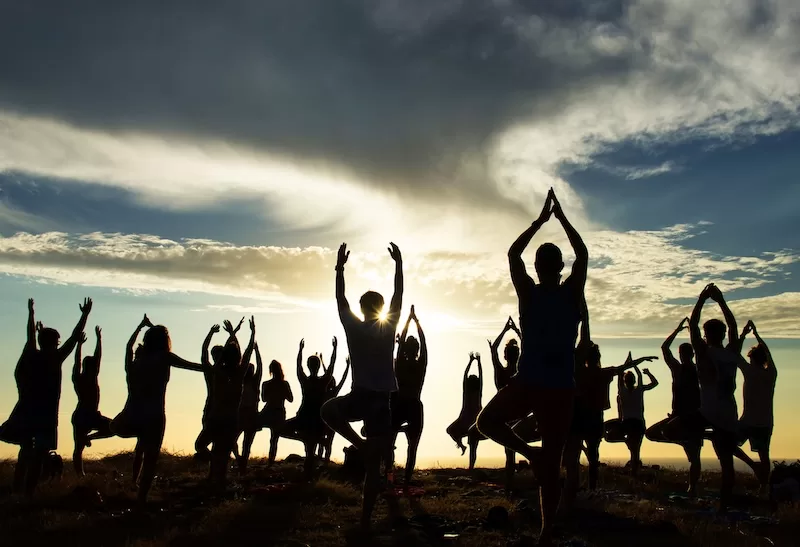
Join sports teams or create them. Some communities offer walking groups, hiking groups, running clubs, sunrise yoga, beach yoga, sunset yoga, and goat yoga. Ocean-swim groups have participants who often idle, discussing tides and gossip.

Surfers have tight-knit communities that are welcoming to newcomers, even if you are just learning to surf, unless you cut them off when it’s their wave. Never get between a surfer and their wave.
Churches can also be anchors, even if you’re not religious. Most towns have at least one, and larger areas often offer bilingual or English-speaking congregations. Many host dinners, youth programs, volunteer opportunities, and community events. Showing up for community gatherings, whatever the setting, creates belonging in natural, quiet ways.
Giving Back
And then there is volunteering. Oprah said it best: “The best way to find happiness is to find inspiration to serve a cause larger than yourself.” That truth shines especially brightly in Costa Rica. Organized opportunities include beach cleanups, teaching English, painting buildings, or working with local schools.
I once volunteered to teach swimming lessons to local children in a hotel pool. Then spontaneous moments arise: helping dig a ditch before a flood, pushing a car uphill, translating for a neighbor, searching for a lost dog with a flashlight. Each kindness strengthens the threads that tie you to this place.
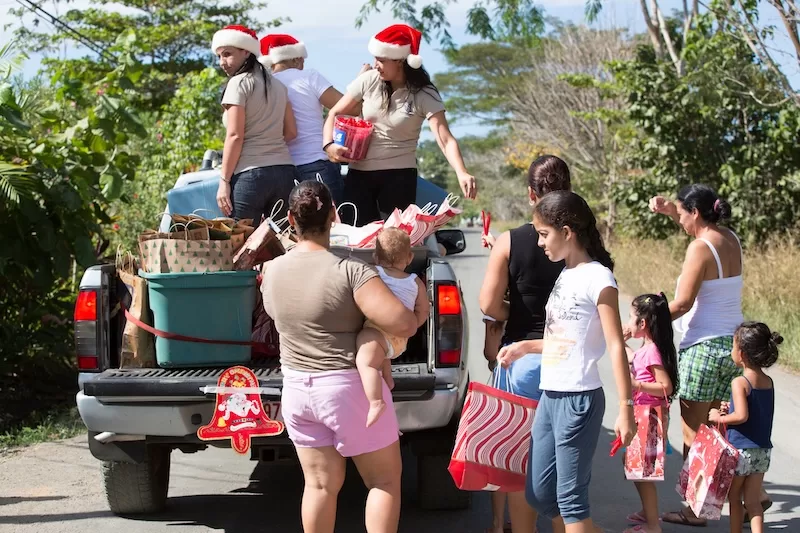
If you don’t find the right volunteer opportunity, create one. That is what Carl A. Becker did. His passions are children and children. When he moved to Costa Rica in 2016, he saw needs in both areas and stepped in. He created an annual Christmas celebration for the children, full of food, presents, music, and pure joy. It quickly became one of the most cherished traditions in town. Then he noticed the street dogs. Without hesitation, he began feeding them. Every day, he rides his green ATV to the beach with a gigantic bag of dog food strapped to the back. The dogs follow behind him like children chasing an ice cream truck.
With his do-rag, easy smile, and pockets full of dog biscuits, everyone knows him, human and canine alike. He accepts donations when he can get them and is working toward opening an animal sanctuary.
And while all this was happening, he saw another need: a farmers’ market. His small town was very isolated and didn’t have one, so he created it. It serves as a weekly lifeline for locals, expats, and tourists alike.
It offers everything from vegetables and homemade food to clothing and crafts. More importantly, it gathers people together. It’s where you meet your neighbors, share a laugh, and remember that despite cultural differences, language barriers, and the occasional cluster of unexpected challenges, we rely on each other.
How Community Is Built
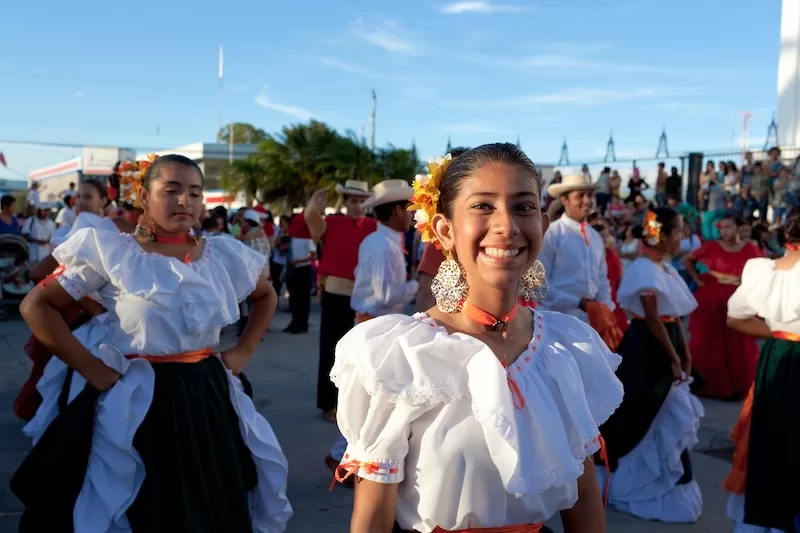
The heart of community in Costa Rica is ordinary people doing great things. It is built from simple greetings, shared meals, borrowed tools, stray dogs rescued, water buckets filled, WhatsApp messages answered, and neighbors who show up not because they must but because that is simply the way life works here. It takes effort, though, real, intentional effort. You won’t meet people or understand the rhythm of life here if you stay tucked inside your house behind a tall gate, peeking out like a cautious iguana and hoping community will appear.
Costa Rica isn’t a place you can experience through a window. Step outside, breathe the air, look up from your shoes, and let the world meet you halfway. Say hello to the people sweeping their porches, chat with the vendor selling mangos, linger at the cafe instead of grabbing your coffee to go.
Community doesn’t arrive uninvited; it grows from showing up, being seen, and allowing yourself to take part in the small, beautiful moments unfolding all around you.
Move here with an open heart. Offer what you can. Ask for what you need. Show up. And if you do, this place will stop being a destination and slowly, quietly, beautifully become home.
Key Takeaways
Why is community so important when moving to Costa Rica?
In Costa Rica, community serves as both a practical and emotional safety net. When power flickers out, water stops without warning, or you face unexpected challenges, your neighbors become your anchors. They invite you to dinner, recommend trusted services, and show up with food and support when you’re sick or injured. Community isn’t just a social benefit in Costa Rica, it’s an essential lifeline that makes the difference between feeling isolated and feeling genuinely supported.
Do I need to speak perfect Spanish to build relationships in Costa Rica?
Not at all. In fact, speaking Spanish imperfectly often opens more doors than speaking perfect English. Costa Ricans value kindness and effort over precision. Even a shy “Hola,” a hesitant “buenos días,” or a mispronounced question shows that you’re trying, and that effort softens hearts and opens doors in unexpected ways. Your willingness to attempt the language signals respect for the local culture, which matters far more than grammatical accuracy.
How do I become part of my community if I’m new to town?
Consistency and visibility are key. Show up repeatedly in the same places: visit the farmers market every week, go to the same cafe regularly, attend community events, and greet everyone you see. These small, consistent actions gradually weave you into the fabric of your town. After a few weeks of showing up and saying hello, people will recognize you, wave to you from motorcycles, call out from porches, and welcome you at the cafe. You’ll transition from being a visitor to being a recognized community member.
How should I approach the local culture as an expat?
Remember that you are a guest in Costa Rica, regardless of your residency status. Respect and humility are the foundation of every relationship. Avoid trying to mold the country into what you left behind, as this only creates tension. Instead, love Costa Rica as it is, imperfections and all. This approach to the culture is what creates genuine connection with both locals and other expats. Accepting the country on its own terms allows you to appreciate its beauty and build authentic relationships.
What’s the best way to deepen my roots in the community?
Give back through volunteering and sharing your talents. Volunteer for organized opportunities like beach cleanups, teaching English, or working with local schools. Or create your own opportunities by hosting workshops, starting a dinner group, leading meditation circles, or sharing your skills. When you serve causes larger than yourself and contribute meaningfully to your community, you create bonds that go beyond casual friendship. This generosity transforms you from a consumer of community to a creator and contributor.
About the Author
Semi-retired teacher and theater professional Tam Matthews moved to Costa Rica in January of 2023 with her two dogs. She writes about expat life on Substack.
Contact Author
"*" indicates required fields
Stay Ahead on Every Adventure!
Stay updated with the World News on Escape Artist. Get all the travel news, international destinations, expat living, moving abroad, Lifestyle Tips, and digital nomad opportunities. Your next journey starts here—don’t miss a moment! Subscribe Now !
Community matters everywhere, but in Costa Rica, it feels even more essential. It’s a gentle net that rises beneath you on the days when the power flickers out, the water stops without warning, or you find yourself staring at a toolbox, wondering where on earth to buy a wrench.
Whether you arrive alone or with a family large enough to form a small choir, the people you meet here become your anchors. They are the ones who invite you to dinner before they even know your last name, who recommend the mechanic who charges fair prices, and who show up at your door with warm food and a homemade herbal remedy when you’re sick. They are a steady presence in a place where everything else, weather, travel, schedules, and the availability of butter, can change without warning.
When People Step In
If you'd like to read the full story, simply enter your email to subscribe to our newsletter.
For even more expert insights, unmissable resources, and exclusive invites, explore our premium subscription offers here.
OR
Already a Subscriber? Click here to login
Subscription required
You've reached your limit of free articles. For full access to Escape Artist, and all of our insights on travel, moving abroad, and the digital nomad life, click here to Subscribe.
Already a Subscriber? Log in here