Introduction
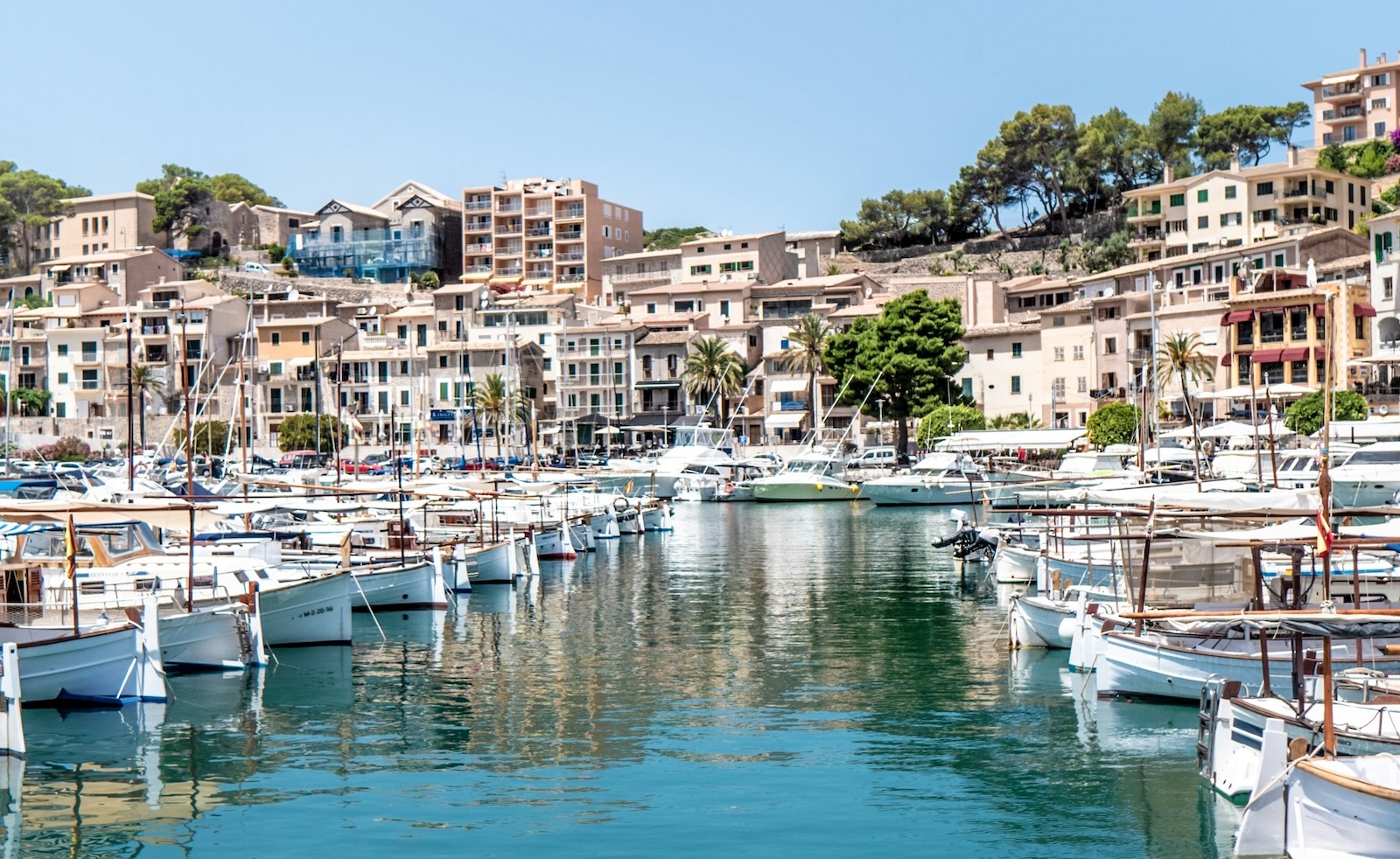
Living in Mallorca blends Mediterranean ease with modern convenience. Sun-lit streets in Palma, quiet coves along the coast, and mountain villages tucked beneath the Tramuntana create a daily backdrop that makes errands feel like small adventures. The island is a holiday postcard, a practical base with year-round flights, strong healthcare, reliable transport, and a growing community of remote workers and families all rolled into one. Search data and local statistics show steady demand, with Palma often ranking among Spain’s most in-demand markets. Add clear visa pathways for remote professionals, a lively food scene, and mild winters, and the choice begins to feel simple.
This article brings the essentials together so you can weigh costs, pick a neighborhood, and plan the paperwork. The goal is straightforward: help you decide if living in this Mediterranean haven fits your lifestyle and budget.
Why Living in Mallorca Appeals Right Now
The island at a glance
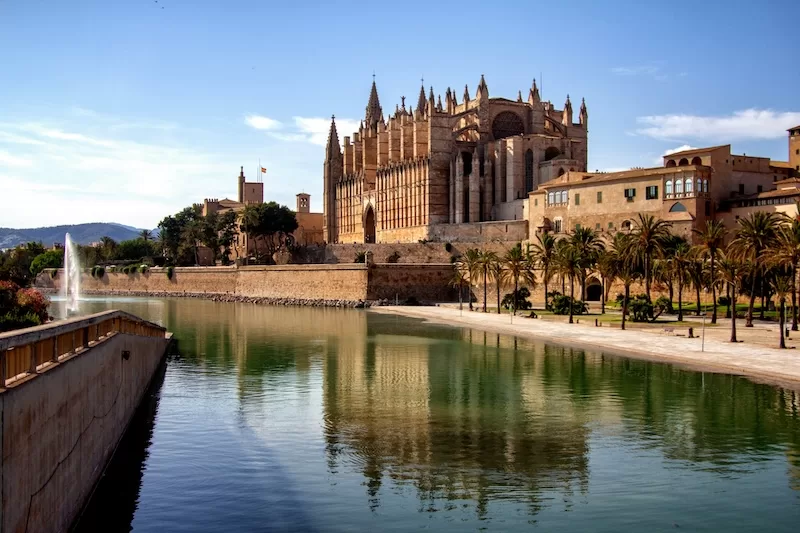
Mallorca is Spain’s most populous Balearic island, with Palma as its capital and transport hub. Palma’s Gothic cathedral mirrored on the bay, its narrow streets balancing café chatter with scooters zipping by, the sun reflecting on the ripples of the sea, all a part of its identity. While other islands ebb and flow with tourism, Mallorca has evolved into a full-time home for many. Recent figures show its population edging upward by roughly 1.4% each year, a steady growth driven by folks who decide to stay. Professionals, families, and entrepreneurs from across Europe continue to settle here, drawn by the island’s combination of climate, culture, and connection.
That connection is literal. Palma de Mallorca Airport handled around 33 million passengers in 2024, a 7% increase year-on-year, ranking among Spain’s busiest. Flights arrive daily from major European cities (London, Berlin, Paris, Amsterdam, and others), making Mallorca one of the most accessible in the Mediterranean. For residents, this means business meetings abroad can fit between breakfast and dinner at home. For visitors who become regulars, it means weekend escapes often turn into longer stays, sometimes into new lives altogether.
Who thrives here
Mallorca fits an impressive range of lifestyles. Remote workers find the broadband strong enough for video calls and the cafés chill enough to focus. Families appreciate a school system that includes several respected international academies and a healthcare network that rivals many mainland regions. Retirees savor mornings by the sea and the sense of safety that permeates even the smaller towns.
It is not an island that asks for constant motion. Life is anchored by the routine of morning markets and late sunsets. Yet Palma itself offers enough cosmopolitan energy to fill any weekday: galleries in repurposed palaces, co-working spaces overlooking marinas, rooftop bars that switch seamlessly from laptop meetings to sundowners. It’s the blend of Mediterranean ease with metropolitan access that makes living in Mallorca so enduringly appealing.
Cost of Living in Mallorca
Typical monthly spend for singles and couples
Mallorca isn’t cheap, but it rewards what it asks for. You pay for the light that spills through terrace doors and the calm that seeps into your evenings. Daily life in Palma (groceries, transport, dining out) lands roughly between €825 and €900 a month for one person, not counting rent. Couples usually fare better, splitting housing and utility costs while keeping the same standard. The real variable, as always, is where you choose to live.
Housing is Mallorca’s luxury and its challenge. Rental prices have climbed steadily, with average rates hovering between €17 and €19 per square meter, according to recent reports. That means a modest 60 m² apartment runs about €1,050 per month, easily more in renovated districts or with a sea view. Palma’s Old Town and waterfront neighborhoods often fetch mainland-Madrid prices now, reflecting the island’s enduring demand among digital workers, families, and retirees who stay year-round.
Groceries, dining, and utilities
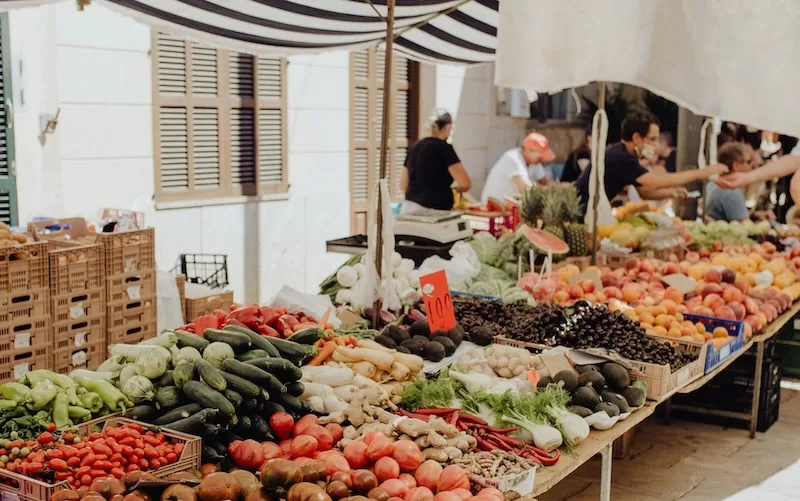
On the practical side, grocery bills mirror those of major Spanish cities. Chain supermarkets like Mercadona and Carrefour stock everything from local produce to international imports, and weekly markets in Palma or Sóller often end up cheaper and fresher. Dining out runs the spectrum: a menú del día in a neighborhood café still feeds you well for under €15, yet dinner at a Portixol seafood spot or at a Santa Catalina restaurant with an open kitchen and local wine can easily stretch into three leisurely hours and three figures.
Utilities tell a more seasonal story. Summers mean air-conditioning through siestas; winters, the slow burn of a space heater in a stone apartment. Older buildings can surprise new arrivals when electricity bills spike with the seasons. Stay long enough and you’ll pick up a few tricks: energy-efficient split units, morning ventilation instead of constant cooling, solar panels where possible. It’s all part of adapting to a climate that shapes everyday reality as much as any budget sheet.
What drives prices up or down
In spring and summer, as remote workers, retirees, and long-stay travelers return, demand ripples outward from Palma toward the coast. Beachfront areas like Portixol, Illetes, or Portals Nous see rents rise in sync with the weather. By late autumn, the pace softens again.
Still, the trend line points upward. Palma’s average rents sit around €17-€19 per square meter, some of the highest in Spain outside the big mainland capitals. Inland, though, you’ll find a different picture. In towns like Santa Maria, Binissalem, or Sencelles, the housing costs drop and gardens grow larger. You trade proximity to the sea for space, quiet, and the soft ring of church bells at noon.
Read More Like This: Why Are Brits Buying Homes in Mallorca, Spain?
Housing and Neighborhoods
Finding a home on this Balearic gem is an exercise in taste as much as budget. Each area tells a different story, from Palma’s tiled courtyards and morning market noise to the pine-scented calm of inland towns. The island’s scale allows for choice: urban convenience, village charm, or coastal solitude, all within an hour’s drive.
Palma and the Bay: Old Town, Santa Catalina, Portixol
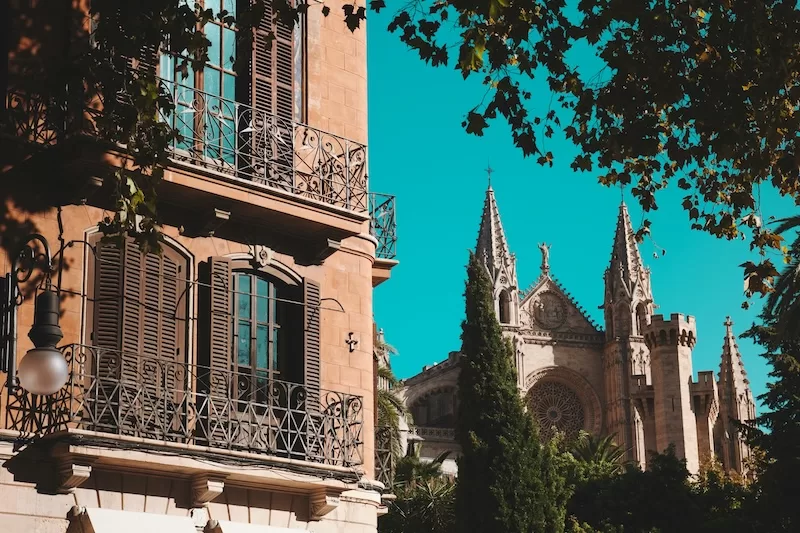
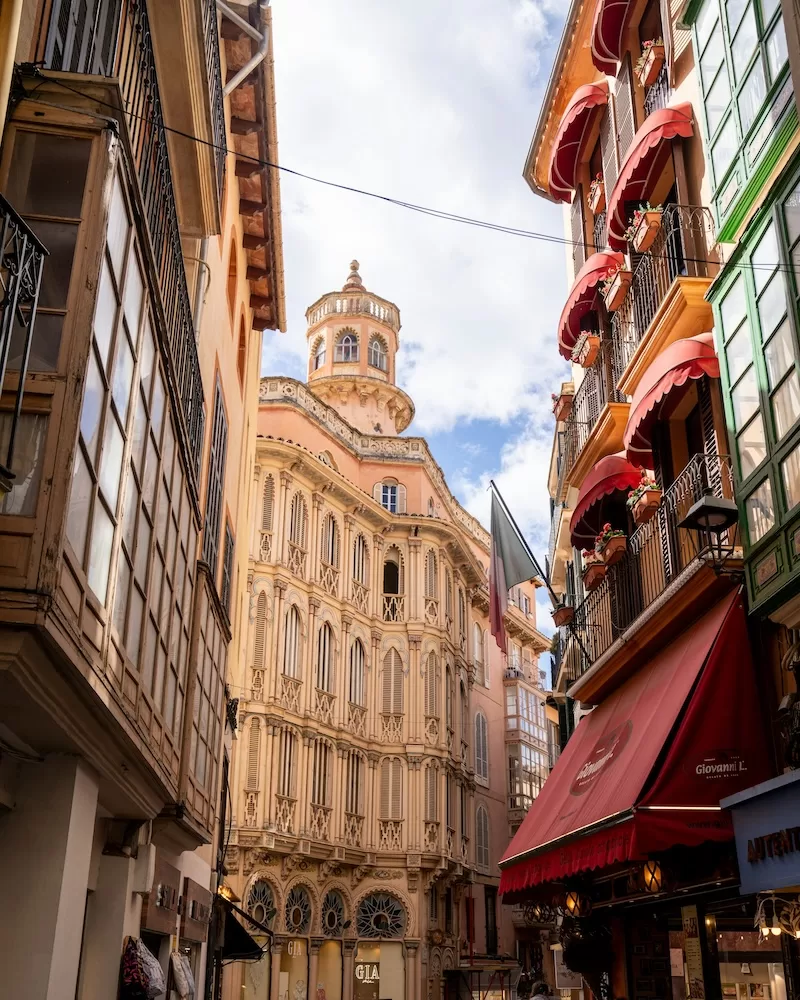
Palma’s Old Town is Mallorca’s architectural heartbeat. Apartments are carved out of centuries-old stone houses with balconies overlooking narrow lanes and bells echoing from the cathedral. It is beautiful, occasionally chaotic, and ideal for people who look for a life within walking distance of everything.
A few streets away, Santa Catalina has its very own creative charm. Markets bring color into the mornings, while cafés fill with freelancers and locals by noon. Rent runs high but feels justified by the daily liveliness.
Portixol, once a sleepy fishing village, now blends coastal calm with urban access. The promenade stretches all the way to Palma, perfect for morning runs or evening strolls. Apartments are bright and airy, but competition is fierce, and long-term listings vanish quickly.
Western Charm: Calvià, Andratx, and Portals Nous
To the west, the tone changes. Calvià sits among gentle hills, with villas and low-rise communities that attract families and second-home buyers. It feels spacious without losing connection to the coast.
Andratx, framed by mountains and sea, is quieter and more refined. Port d’Andratx adds marina views, boutique restaurants, and a tranquility that appeals to all who prefer privacy over nightlife.
Meanwhile, Portals Nous draws an international crowd with polished marinas, golf clubs, and easy Palma access. Expect some of the region’s priciest real estate, balanced by some of its most consistent amenities.
Northern Coast: Sóller, Pollença, Alcúdia
Further north, Sóller sits in an orange-scented valley that feels cinematic in spring. The town’s historic tram still rattles to Port de Sóller, where mountains meet turquoise water. It suits people who love authenticity and don’t mind the occasional tourist crowd in summer.
Pollença and Alcúdia offer a mix of history, outdoor adventure, and family-friendly energy. Villas here often include gardens and pools, and winter turns them back into quiet havens for locals.
Central and Inland: Santa Maria, Binissalem, Sineu, and beyond
The island’s middle is Mallorca at its most grounded. Santa Maria del Camí balances traditional town life with modern comforts and easy Palma access. Binissalem, known for its vineyards, offers beautiful stone houses at friendlier prices. Sineu and Llubí carry more rural character, ideal for folks who want space, gardens, and neighbors who still greet each other by name.
Eastern Mallorca: Santanyí, Felanitx, Artà
On the eastern side, Santanyí has become a magnet for design-conscious buyers. Its golden-stone houses and weekly market have charm without pretense. Felanitx offers similar warmth at lower prices, while Artà combines creative spirit with proximity to untouched coves and nature reserves.
Neighborhood Comparison
| Area / Town | Average Monthly Rent (€) | Best For | What Makes It Ideal | Vibe |
| Palma Old Town | €1,300 – €1,800 | History lovers, professionals | Walkable streets, heritage apartments, café culture | Lively, cultural, compact |
| Santa Catalina (Palma) | €1,500 – €2,000 | Digital nomads, creatives | Market mornings, terrace dining, co-working nearby | Trendy, social, energetic |
| Portixol | €1,800 – €2,400 | Beachfront living, professionals | Sea views, coastal path, short walk to Palma | Coastal, modern, active |
| Calvià | €1,400 – €1,900 | Families, second-home buyers | Spacious villas, schools, easy access to beaches | Peaceful, suburban |
| Andratx / Port d’Andratx | €2,000 – €3,000 | Retirees, luxury buyers | Marinas, mountain backdrop, refined atmosphere | Elegant, quiet, exclusive |
| Portals Nous | €2,200 – €3,200 | Expats, high-income residents | Golf, restaurants, short Palma commute | Polished, international |
| Sóller | €1,200 – €1,700 | Nature lovers, remote workers | Historic homes, valley scenery, tram to the port | Artistic, scenic, communal |
| Pollença | €1,100 – €1,600 | Families, outdoor enthusiasts | Trails, beaches, town squares | Balanced, relaxed |
| Alcúdia | €1,000 – €1,400 | Families, retirees | Villas, calm beaches, friendly locals | Easygoing, family-friendly |
| Santa Maria del Camí | €1,000 – €1,500 | Commuters, young families | Traditional town, quick Palma link | Traditional, well-connected |
| Binissalem | €950 – €1,400 | Wine lovers, rural dwellers | Vineyards, stone houses, solid social fabric | Rural, warm, authentic |
| Sineu | €850 – €1,200 | Remote workers, creatives | Space, affordability, authentic local vibe | Rustic, quiet, genuine |
| Santanyí | €1,400 – €1,900 | Designers, retirees | Art galleries, golden stone homes, near coves | Sophisticated, sunny |
| Felanitx | €900 – €1,300 | Families, budget-conscious expats | Larger properties, authentic town rhythm | Affordable, friendly |
| Artà | €1,000 – €1,500 | Artists, hikers | Nature nearby, artisan energy, historic charm | Bohemian, peaceful, green |
(Figures based 2024–2025 ranges.)
Work, Visas, and Paperwork
Digital Nomad Visa overview
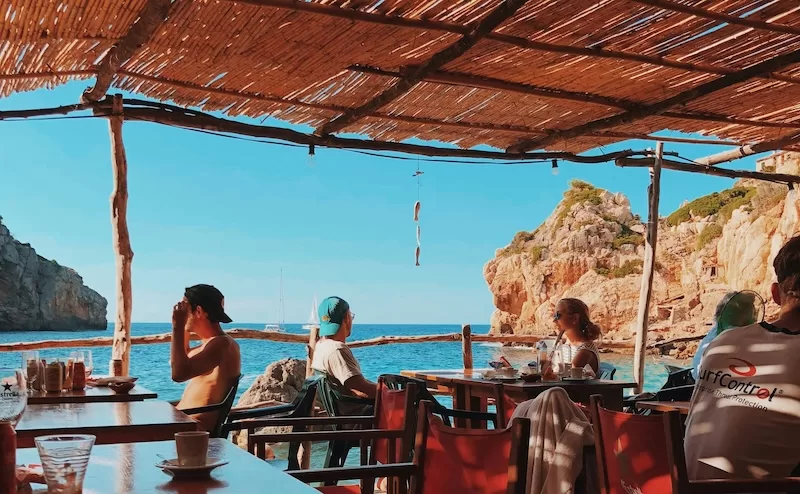
Spain’s Digital Nomad Visa opened a clear and appealing door for non-EU residents who work remotely. It allows remote employees and freelancers to live in Spain while earning from abroad, with the option to stay up to five years.
To qualify, applicants generally need to prove stable remote income of around €2,600 per month, health insurance valid in Spain, and clean criminal records. Freelancers can have up to 20 percent of their clients based in Spain, which makes it flexible enough for those who occasionally collaborate locally. The initial permit lasts one year and can be renewed in two-year increments.
For those coming from outside the EU, the Digital Nomad Visa has become the most popular path into Mallorca, replacing the older non-lucrative visa for many younger professionals. Application processes vary slightly between consulates, but local immigration offices in Palma are accustomed to the growing digital-nomad flow and typically efficient once appointments are secured.
Read More Like This: Digital Nomad Hotspots in Spain
Other Residency Options
For people planning to settle or retire, the Non-Lucrative Residence Visa remains a strong option. It requires proof of savings or passive income rather than active employment and suits people who want to live in Mallorca without working for a Spanish company.
Students enrolled in accredited Spanish institutions can apply for Student Visas, which allow part-time work and access to local healthcare. There are also Entrepreneur Visas for those launching projects that benefit the local economy, and Work Permits for employees hired by Spanish companies, though those are less common among newcomers drawn by lifestyle rather than corporate placement.
Within the EU, the process is simpler still. Citizens from EU and Schengen countries can live and work freely, needing only to register locally and obtain their Certificado de Registro de Ciudadano de la Unión (essentially the EU residence certificate).
Registration and First Steps Once You Arrive
Once the plane lands and the excitement fades into routine, the first task is bureaucracy.
You’ll need to secure an NIE (Número de Identificación de Extranjero), which functions as your tax and identity number. It’s required for almost everything: opening a bank account, signing a lease, or setting up utilities. The NIE can be applied for at Palma’s immigration office or through the Spanish consulate in your home country before you move.
Next, you register your address at the ayuntamiento (local town hall) to obtain your empadronamiento, or padrón certificate. This confirms your residence and is often needed for other paperwork. Many newcomers hire a gestoría (a local administrative consultant) to help navigate these steps, book appointments, and handle translations. It’s a small expense that often saves weeks of confusion.
Finally, set up health insurance. EU citizens can transfer public coverage using the European Health Insurance Card, while non-EU residents must show private insurance when applying for visas. Many choose hybrid plans that give access to both public hospitals and private clinics for faster service.
Working Life on the Island
Work may seemingly run slower than mainland cities, but efficiency exists behind the laid-back image. Palma’s growing collection of co-working spaces and innovation hubs cater to digital professionals who value community. Spots like The Hub Mallorca or EmprenBit combine reliable internet with networking events and workshops in multiple languages.
The broadband is reliable across most urban and suburban zones, with fiber connections common even in smaller towns like Santa Maria or Sóller. Those living in rural fincas can access decent speeds through 4G and emerging satellite options. Many expats build hybrid schedules: a few focused days at a co-working space in Palma, balanced by work-from-home days inland.
Remote workers often talk about the same pattern. Productivity rises not from pressure, but from balance: mornings of clear focus, long lunches that reset the mind, evenings purely focused on living the best way possible. It’s why so many who come for a season end up designing their lives to stay.
Getting Around
Public transport made easy
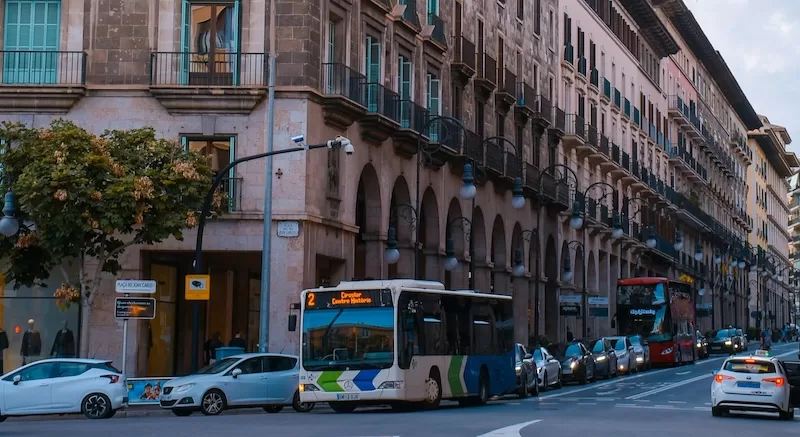
Palma’s transport network is surprisingly efficient for this Balearic gem built around leisure. The TIB (Transport de les Illes Balears) buses and trains link Palma to most major towns (Sóller, Inca, Alcúdia, Manacor) and the local EMT buses handle the city itself. Palma’s Intermodal Station, beneath the Plaza de España, is the main hub, connecting buses, trains, and even the metro line that serves the university area.
For residents, the Intermodal Card keeps fares affordable. It’s rechargeable, works across most lines, and cuts travel costs by up to half. Routes run frequently, with trains departing every 20 to 40 minutes during peak hours. The system is clean, punctual, and easy to navigate even for newcomers.
Public transport covers much of daily needs: commuting into Palma, reaching schools, or weekend trips to nearby towns. But for those living in coastal or rural areas, schedules thin out after dark.
Driving, parking, and car hire
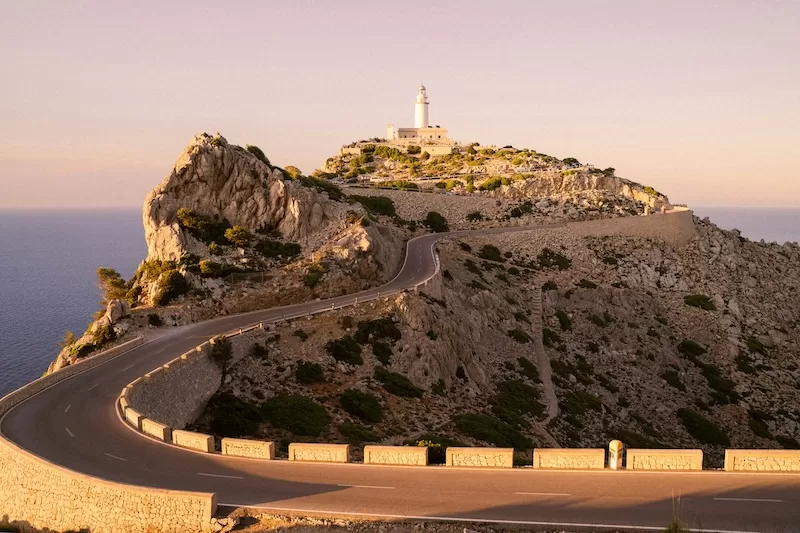
Which is why owning a car can add freedom, especially for those based outside Palma. Roads are smooth and scenic, with highways that cut cleanly across the interior and coastal roads that curve like film stills. A drive from Palma to Sóller through the Tunel de Sóller takes about 25 minutes; continue to Port de Pollença and you’ll cross mountains and olive terraces before descending to the sea.
However, parking in Palma can test patience. Most residents rely on resident permits for their district, and underground garages are prized commodities in older neighborhoods. Electric car use is growing, and charging stations are increasingly common in supermarket parking lots and service areas.
Car rentals remain an easy fallback for whoever prefers a base in the city and occasional road trips. Some long-term residents skip ownership altogether, relying on car-sharing apps or local cooperatives that lend vehicles by the hour.
Cycling and Walkability
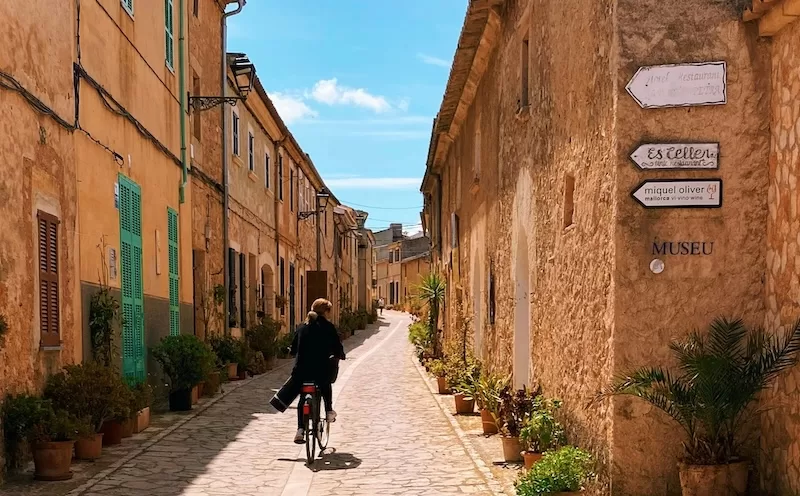
For short distances, the bicycle is king. Palma’s coastal promenade runs nearly 20 kilometers, from Portixol to Cala Major, perfect for morning rides and commutes with sea air for company. Inland towns often connect by quiet country lanes, and the sound of tires on gravel replaces city noise. Cycling culture runs deep and there are hundreds of kilometers of well-marked routes.
Within Palma, walking is a pleasure in itself. Streets are compact, shaded by palms, and lined with cafés that make every errand an excuse for an espresso.
Flights and Connectivity
Palma de Mallorca Airport may surprise newcomers with its size. Handling over 33 million passengers in 2024, it’s one of Spain’s busiest, but its design keeps the process smooth. Frequent flights connect Mallorca to mainland hubs like Madrid and Barcelona, as well as dozens of European cities. Year-round routes mean the island never feels isolated, even in winter.
Domestic flights to Menorca or Ibiza take less than half an hour, and ferries link Mallorca to the other Balearic Islands and mainland ports such as Valencia and Barcelona. For residents, this makes weekend getaways easy: a quick hop across the sea, then back home by Sunday evening.
Healthcare, Schools, and Services
Public and private healthcare
Mallorca’s healthcare system ranks among the best in Spain, and Spain itself is consistently rated high in global healthcare indexes. The region’s public network, managed by the Servei de Salut de les Illes Balears (IB-Salut), includes major hospitals such as Son Espases in Palma and Son Llàtzer on the city’s east side. Both are large, modern, and well-equipped, with staff who often speak English, German, and other languages thanks to the island’s international community.
Public care is available to all residents contributing to Spain’s social security system. For others, private insurance fills the gap. Private clinics like Clínica Juaneda and Rotger are known for quick appointments and English-speaking doctors. Many residents carry dual coverage: using public hospitals for emergencies and specialists, and private care for shorter waits or second opinions.
For routine care, local centros de salud (community clinics) provide general practitioners, pediatricians, and nurses for minor issues, vaccinations, and prescriptions. Pharmacies are plentiful, often open late, and pharmacists are well-trained to offer first-line advice.
International schools
Education in Mallorca reflects its dual identity: deeply Spanish yet comfortably global. Public schools teach primarily in Catalan and Spanish, a natural path for families planning to stay long-term and integrate into local life. But for international families, the range of private and semi-private schools is impressive.
In Palma, Bellver International College stands out as one of Spain’s oldest British-curriculum schools, serving students aged 3 to 18. The Academy International School, located near Marratxí, offers a British education with a strong social fabric. Agora Portals International School, overlooking the sea in Portals Nous, runs an International Baccalaureate program with bilingual classes. There are also German, French, and Scandinavian schools scattered across the island, each serving their communities with high academic standards.
Tuition varies widely, from about €5,000 to €12,000 per year, depending on grade level and institution. Many schools operate waiting lists, so early registration is key. Families who prefer a bilingual experience often mix systems, enrolling younger children in international schools, then transitioning into Spanish secondary education for linguistic immersion.
Everyday services and shopping
Practical life runs smoothly. Palma has all the convenience of a small European capital: supermarkets like Mercadona, Eroski, and Carrefour; organic shops such as Veritas; and weekly farmers’ markets where you’ll find everything from almonds and oranges to handmade ceramics. Outside the city, most towns host their own mercado semanal, the weekly open-air market that still serves as the social heart of Mallorcan vibe.
Home delivery services have caught up quickly. Amazon, Glovo, and local courier apps operate across most of the region, and Spanish banks make online payments and direct debits easy to manage. Utilities are generally reliable, though it’s wise to check broadband speeds before signing a lease, as not all rural areas have fiber yet.
Waste collection, water supply, and public maintenance are handled efficiently by municipal councils.
Climate and Seasons
Summer: Long Light and Salt on Skin
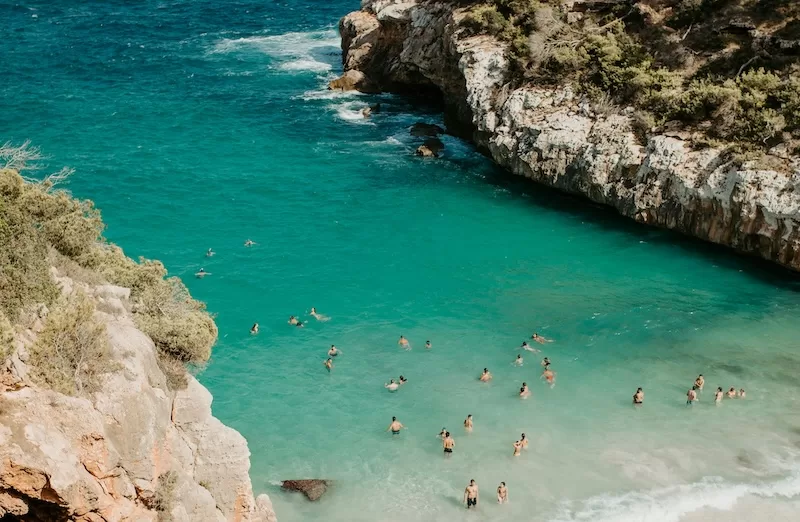
Summer arrives early, usually by May, and lingers through late September. By June, the air carries that faint shimmer of heat rising off stone. Daytime highs hover around 30°C, sometimes more in July and August, but the sea breeze keeps the heat from settling too heavily. Locals adapt instinctively: shutters drawn in the early afternoon, dinners pushed back to nine, swims slipped between errands.
Evenings stretch endlessly. Terraces stay full past midnight, and the scent of grilled fish mingles with jasmine in the air. It’s a season made for outdoor living: days spent by the water, nights marked by concerts in old squares, and festivals that run from Sant Joan to La Patrona.
For many, this is when Mallorca feels most alive. But it’s also when rent peaks, when traffic swells, and when patience becomes its own skill. Those who stay year-round learn to navigate by timing: early swims, late dinners, midday quiet.
Autumn: Breathing Again
When September fades, heat starts slowly loosening its grip and the island exhales. October and November are golden, with temperatures around 22–25°C and skies that stay clear for weeks. The crowds thin, the light softens, and everything feels a little slower, a little more local.
Markets brim with pomegranates and figs, and the hillsides shift to copper and green. It’s the perfect time for hiking the Serra de Tramuntana, when the paths are cool.
Winter: Soft Light
Winter is nothing like the mainland chill. Daytime averages hover between 14°C and 17°C, though mountain towns can dip lower at night. Rain comes in short bursts, and sunlight returns quickly enough to keep outdoor terraces busy most afternoons.
Palma feels especially graceful in winter. Locals reclaim the city’s vibe: morning coffees, museum visits, long lunches that spill into early evening. In Sóller and Deià, fireplaces come to life. Inland, almond trees begin to bloom by late January, painting the fields white and pink like a slow-motion snowfall.
Many consider winter the region’s secret season. Flights are cheaper, beaches empty, and the island’s silence is restorative rather than lonely.
Spring: The Gentle Awakening
By March, warmth returns and the days lengthen again. Spring brings back markets full of artichokes and fresh herbs, cafés busy with returning residents, and sea temperatures edging back toward swim-worthy.
April and May are some of the most balanced months: cool enough to sleep without air conditioning, warm enough for beach afternoons. Hillsides bloom with wildflowers, and hiking trails buzz softly with bees. For many long-term residents, this is the moment Mallorca feels most like itself.
Culture, Food, and Weekend Life
The Culture of Everyday Beauty
Culture in Mallorca catches the eye naturally. You see it in how people greet each other, in festivals that fill village squares, in the calm of shopkeepers who close for lunch because the day should have a pause.
Palma itself is the island’s cultural compass. The Es Baluard Museum of Modern and Contemporary Art holds works by Miró and Barceló, yet the museum’s terrace, which overlooks the sea and the cathedral, often steals the show. The Teatre Principal, dating back to the 17th century, still fills its seats with locals watching opera and dance performances.
Outside the capital, art galleries hide in village houses. Towns like Artà and Sóller host open studios and artisan fairs boasting work that feels intimate and handmade.
A Taste of the Island
Mallorca’s food scene mirrors its landscape: rustic, seasonal, and quietly sophisticated. Markets are the island’s real kitchens, and a morning walk through Palma’s Mercat de l’Olivar or Santa Catalina Market tells you what’s for dinner: figs, red peppers, fresh fish laid on ice.
Lunch is the main event of the day, eaten slowly and without distraction. The local menú del día remains a small miracle of value: three courses and a glass of wine for the price of a taxi ride.
Restaurants range from humble cellers (traditional stone taverns serving roast lamb and tumbet) to Michelin-starred spots in which chefs reinterpret Mediterranean classics with quiet elegance. Adrián Quetglas in Palma and Macarena de Castro in Alcúdia are two of the names that keep the island on the culinary map, but some of the best meals happen at chiringuitos: those low-key beach bars with fish sizzling on a grill and no schedule to be heard of.
Cafés, too, carry weight here. They are offices, meeting rooms, and rest stops all at once. You’ll see students studying over cortados, retirees reading the paper in the same seat they’ve held for decades, and remote workers claiming a corner table by 9 a.m.
Weekend Adventures
On Saturday mornings, locals fill markets from Inca to Sineu, baskets clinking with bottles of olive oil and wine. In the afternoon, the island splits: half the population heads for the mountains, the other half for the sea.
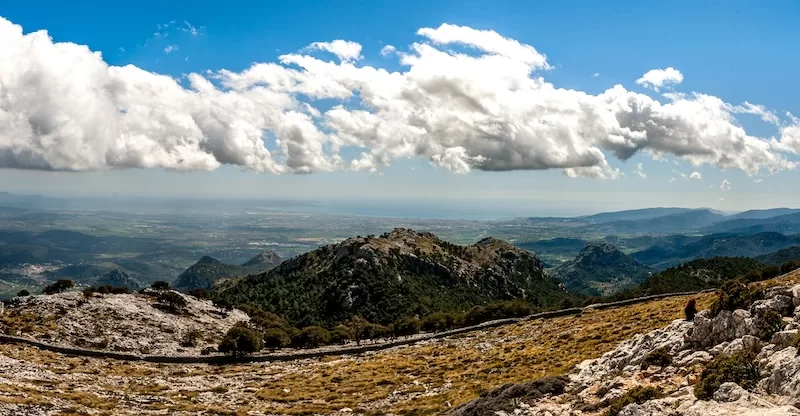
The Serra de Tramuntana, a UNESCO World Heritage Site, stretches like a spine along the northwest coast. Its hiking trails range from gentle valley walks to demanding ridgelines, all scented with rosemary and pine. The views over Deià and Fornalutx are ultimate showstoppers.
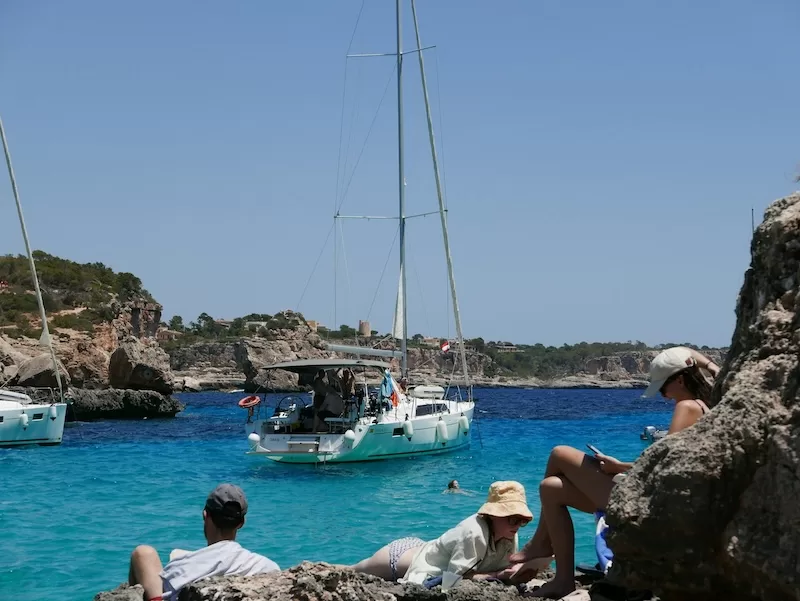
On the coast, weekends mean paddleboards, sailboats, and slow lunches by the water. In Port de Pollença, locals gather with folding chairs on the promenade at sunset. In Cala Figuera, fishing boats still unload their catch, granting the town a faint aroma of of salt and diesel.
Mallorcans hold tight to their rituals. Sunday lunches stretch for hours, always with family, friends, and enough food to outlast the conversation. Festivals punctuate the year. Sant Antoni in January with its bonfires and devils, Sant Joan in June with its midnight swims, La Beata in Santa Margalida with flowers, drums, and folklore.
Expats find it easy to blend in once they understand the island’s timing. No one rushes meals. Shops close when the heat demands it. But beneath the calm, there’s momentum: creative projects, local businesses, and community networks that make Mallorca feel alive beyond its postcard beauty.
Pros and Trade-offs
Who Mallorca suits best
Mallorca suits expats, travelers, entrepreneurs, digital nomads, and retirees who value outdoor living, good schools, and seamless European travel. Sunshine greets most mornings, and outdoor living isn’t a luxury, it’s routine. Everything is close: airports, cities, beaches, mountains. Commutes that take an hour on the mainland take twenty minutes here. You start to measure distance in music. Three songs to work, five to dinner, seven to the sea… Streets feel calm even at night, and communities are small enough that people still look out for one another.
Common pitfalls to avoid
Rushing into a summer lease can mean overpaying. Palma’s popularity has pushed rents higher each year, and finding a good apartment requires patience and quick decisions. Employment opportunities beyond tourism, real estate, and remote work can be limited. Salaries tend to trail behind mainland averages. This is why many expats work for companies abroad or run online businesses, choosing lifestyle over career proximity. Underestimating cooling and heating costs in older apartments creates budget friction. You also need to consider seasonality. The island swells in summer and quiets in winter. Shops close, flights thin, and some areas feel like they’re holding their breath until spring. For those used to city bustle, the slower pace takes adjustment. Some residents forget to check commute times across the bay or parking availability in historic districts. A scouting trip helps.
Practical Mini-Checklist
Three to Six Months Before Arrival
- Choose your visa path.
If you’re from outside the EU, decide between Spain’s Digital Nomad Visa, Non-Lucrative Visa, or another residency type suited to your plans. Requirements differ slightly by consulate, and processing can take up to two months. - Estimate your budget honestly.
Factor in not just rent but deposits, transport, healthcare, and small setup costs such as furniture or local insurance. A realistic starting figure for most singles in Palma is around €2,000–€2,500 per month including rent. Families will need more cushion. - Shortlist neighborhoods.
Research different zones: Palma’s Old Town for atmosphere, Santa Catalina for convenience, Sóller or Santa Maria for slower living. Each has a distinct vibe, and what feels perfect on holiday might feel busy long-term. - Gather essential documents.
You’ll need your passport, health insurance, proof of income or savings, clean background check, and sometimes medical certificate. Keep digital copies in cloud storage.
One to Two Months Before Arrival
- Arrange temporary housing.
Book an Airbnb, serviced apartment, or short-term rental for at least a month while you search locally. Photos rarely tell the full story. You’ll want to walk neighborhoods before committing. - Make appointments early.
Secure a slot for your NIE (foreigner ID number) and empadronamiento (local address registration). These documents unlock nearly everything, from utilities, to banking, car registration, and even mobile phone contracts. - Research healthcare coverage.
Compare private plans from insurers like Sanitas, DKV, or Cigna, or confirm public access if you’re contributing to Spain’s social security.
Your First Week on the Island
- Open a bank account.
Spanish banks such as CaixaBank, Sabadell, or BBVA have expat-friendly branches. Bring your passport, NIE, and proof of address. - Get connected.
Set up a local SIM card (Movistar, Vodafone, or Orange) and confirm home broadband availability. Urban areas have fiber; rural zones may rely on 4G or satellite. - Learn small phrases.
Basic Catalan greetings go a long way. Locals appreciate the effort, and it smooths daily interactions. - Familiarize yourself with transport.
Pick up an Intermodal Card from Palma’s station to access buses and trains at resident rates. Explore routes early so you understand how the island connects.
Once You’re Settled
- Join local networks.
Facebook and Meetup groups for expats, creative communities, or business owners are active across Mallorca. The more you connect, the faster you feel at home. - Adjust your pace.
Remember: things close for siesta. Bureaucracy moves slower in summer. Shops open late. Embracing the rhythm rather than resisting it is what turns living here into belonging here. - Keep exploring.
Don’t stop at Palma. Take weekend trips to Pollença, Artà, or Santanyí. Each corner of Mallorca feels like a slightly different country sharing the same sun.
FAQs
Q1. Is Mallorca expensive to live in?
Yes, slightly. Palma’s cost of living sits above the national average, mainly because of housing. Expect to pay around €1,200–€1,800 for a one-bedroom apartment in good areas, with prices easing inland. Groceries and dining are on par with major mainland cities, but utilities and summer electricity bills can add up.
Q2. Can foreigners buy property in Mallorca?
Absolutely. There are no restrictions for foreign buyers in Spain. Non-residents must obtain an NIE number and open a Spanish bank account, but the process is straightforward. Keep in mind that purchase taxes and fees add roughly 8–11% to the price, so budget accordingly.
Q3. Is it easy to get around without a car?
If you live in Palma, public transport covers most needs. The TIB train and bus networks reach nearly every major town. But if you live inland or plan to explore smaller beaches and mountain villages, having a car (or scooter) makes a big difference.
Q4. What is healthcare like?
Excellent. Mallorca has both public hospitals (like Son Espases and Son Llàtzer) and private clinics such as Juaneda and Rotger. English-speaking doctors are common, and emergency care is efficient. Many expats choose hybrid coverage, choosing public for general care, and private for speed and choice.
Q5. How safe is Mallorca?
Very safe. Violent crime is extremely rare, and petty theft is mostly limited to tourist hotspots in summer. Even in Palma, it’s common to see people walking alone at night or leaving doors open in small towns.
Q6. What’s the best time to move?
Early autumn or spring. September to November brings mild weather and more housing availability after the summer rush. March and April are ideal for settling in before high season.
Q7. How easy is it to meet people?
Easier than most expect. The island’s mix of locals, long-term expats, and digital nomads creates an open social scene. Language exchanges, yoga studios, co-working spaces, and international schools all serve as natural meeting points. Locals are friendly but value sincerity, and patience earns trust.
Q8. Do I need to speak Spanish or Catalan to live there?
You can manage with English in Palma and tourist areas, but learning Spanish will change everything. Catalan (and its local dialect, Mallorquí) is used in signage and schools, but Spanish works everywhere. Locals appreciate any effort to speak their language, even imperfectly.
Q9. What are winters really like?
Gentle. Expect 14–17°C days, chilly evenings, and occasional rain. Central heating isn’t common in older homes, so blankets and a heater help.
Q10. Are there good international schools?
Yes. Palma alone has several: Bellver International College, The Academy, and Agora Portals International School all teach in English with strong reputations. There are also German, French, and Scandinavian schools, especially in Calvià and Portals Nous.
Q11. How fast is the internet?
In Palma and most towns, fiber broadband delivers excellent speeds for remote work. Even inland areas often have 4G coverage, and satellite providers fill remaining gaps. Most digital nomads report consistent connections across the island.
Q12. Can I drink the tap water?
Technically yes, but locals often filter it. The water meets safety standards but carries a high mineral content, which can taste brackish and leave residue on kettles. Most homes use filters or refillable jugs.
Q13. What’s the social etiquette like?
Mallorcans are polite but reserved at first. Greetings matter: a handshake for new acquaintances, two kisses once familiarity grows. Showing impatience or rushing service rarely helps. Gratitude and respect go a long way.
Q14. What’s something new arrivals often overlook?
Heating. Everyone prepares for the sun, but Mallorca’s old stone houses get cold in winter. Bring blankets and plan for heating costs. The second is timing: bureaucracy, deliveries, and even renovations take longer than expected. Patience is part of island life.
Make Your Move to Mallorca
Living in Mallorca is less about leaving somewhere behind and more about finding a way of life that finally feels aligned. The island moves at a pace that restores balance without losing drive. Work feels lighter, mornings open slower, and small routines like a trip to the weekly fair, an evening walk, or a shared bottle of wine take on the ease of habit rather than duty.
Life here rewards intention. The paperwork, the rent searches, the patience it sometimes demands all lead to a simple reward: days shaped by light, sea, and genuine community. Mallorca’s real gift isn’t its coastline or climate, but the way it recalibrates priorities. It teaches how to live fully without rushing, how to work with purpose and still have room to breathe. For many, that is the luxury that matters most.
If you are thinking about a new chapter (a move abroad, a smarter investment, or a lifestyle that feels closer to who you are becoming) start by staying informed. Subscribe to our newsletter for global insights on emerging destinations, sustainable investments, digital nomad opportunities, and the evolving world of international living.
Contact Author
"*" indicates required fields
Stay Ahead on Every Adventure!
Stay updated with the World News on Escape Artist. Get all the travel news, international destinations, expat living, moving abroad, Lifestyle Tips, and digital nomad opportunities. Your next journey starts here—don’t miss a moment! Subscribe Now !
Introduction
Living in Mallorca blends Mediterranean ease with modern convenience. Sun-lit streets in Palma, quiet coves along the coast, and mountain villages tucked beneath the Tramuntana create a daily backdrop that makes errands feel like small adventures. The island is a holiday postcard, a practical base with year-round flights, strong healthcare, reliable transport, and a growing community of remote workers and families all rolled into one. Search data and local statistics show steady demand, with Palma often ranking among Spain’s most in-demand markets. Add clear visa pathways for remote professionals, a lively food scene, and mild winters, and the choice begins to feel simple.
This article brings the essentials together so you can weigh costs, pick a neighborhood, and plan the paperwork. The goal is straightforward: help you decide if living in this Mediterranean haven fits your lifestyle and budget.
If you'd like to read the full story, simply enter your email to subscribe to our newsletter.
For even more expert insights, unmissable resources, and exclusive invites, explore our premium subscription offers here.
OR
Already a Subscriber? Click here to login
Subscription required
You've reached your limit of free articles. For full access to Escape Artist, and all of our insights on travel, moving abroad, and the digital nomad life, click here to Subscribe.
Already a Subscriber? Log in here