This week’s World News Roundup covers looming military threats, quiet technological shifts, and ethical questions that refuse to fade. Donald Trump escalates rhetoric toward Venezuela, while a Florida convenience store becomes an unlikely epicenter of crypto crime. In the Himalayas, China pushes ahead with a vast hydropower project cloaked in secrecy. Meanwhile, new research challenges assumptions about artificial intelligence and jobs, and the death of a captive orca reignites global outrage over marine captivity. Here’s what’s making headlines this week.
Unfinished Threats
Donald Trump has renewed vows to strike Venezuela “soon,” extending months of warnings aimed at President Nicolás Maduro and his government. The rhetoric, which has resurfaced repeatedly without action, continues to keep markets, diplomats, and regional leaders on edge.
Analysts say the prolonged threat underscores both the volatility of US foreign policy messaging and the strategic uncertainty surrounding Venezuela’s future. While no military action has materialized, the sustained pressure has heightened tensions across Latin America and raised questions about whether words alone are shaping the battlefield.

Crypto Corner
A major convenience-store chain in Niceville, Florida, has become an unexpected hub for cryptocurrency scams, with victims reporting losses tied to ATM-style crypto machines installed inside everyday retail locations. Authorities say scammers coached targets over the phone, directing them to deposit funds under false pretenses.
The case highlights growing concerns about crypto fraud exploiting familiarity and convenience. Law enforcement officials warn that as digital currencies become more accessible, criminals are increasingly using ordinary spaces to carry out sophisticated financial deception.

China is constructing what could become the world’s most powerful hydropower system deep in the Himalayan region, a project shrouded in secrecy and limited public disclosure. The development is expected to dwarf existing dams and significantly expand China’s renewable-energy capacity.
Environmental groups and neighboring countries have raised concerns about seismic risk, water security, and downstream impacts, particularly for India and Southeast Asia. With few details released, the project has become a symbol of China’s opaque approach to mega-infrastructure in sensitive regions.

Job Paradox
Despite widespread fears that artificial intelligence is poised to replace human workers, new research suggests the opposite may be happening, at least for now. According to recent findings, jobs most exposed to AI automation are growing faster than they did before the pandemic, outpacing other occupations.
Economists say AI is currently acting more as a productivity amplifier than a replacement tool, creating demand for complementary skills rather than eliminating roles outright. While long-term disruption remains a concern, the data challenges the prevailing narrative of immediate mass job loss.
Captive End
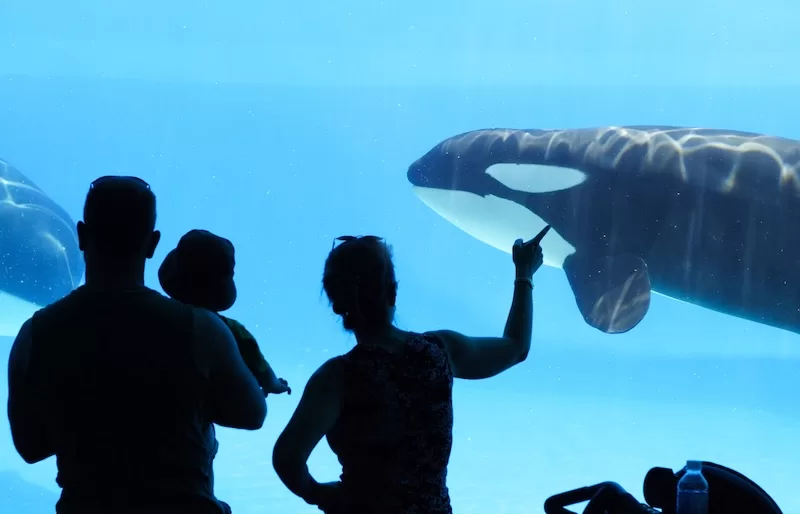
The death of a captive orca this week has reignited global outrage over marine animal captivity, with critics condemning the conditions that keep highly intelligent, wide-ranging animals confined for entertainment. Activists argue the loss underscores decades of warnings about the physical and psychological toll of captivity.
Scientists note that orcas in the wild live in complex social groups and travel vast distances, conditions impossible to replicate in tanks. As public pressure mounts, the death has renewed calls for an end to captivity programs and a reckoning over humanity’s treatment of marine life.
Contact Author
"*" indicates required fields
Stay Ahead on Every Adventure!
Stay updated with the World News on Escape Artist. Get all the travel news, international destinations, expat living, moving abroad, Lifestyle Tips, and digital nomad opportunities. Your next journey starts here—don’t miss a moment! Subscribe Now!