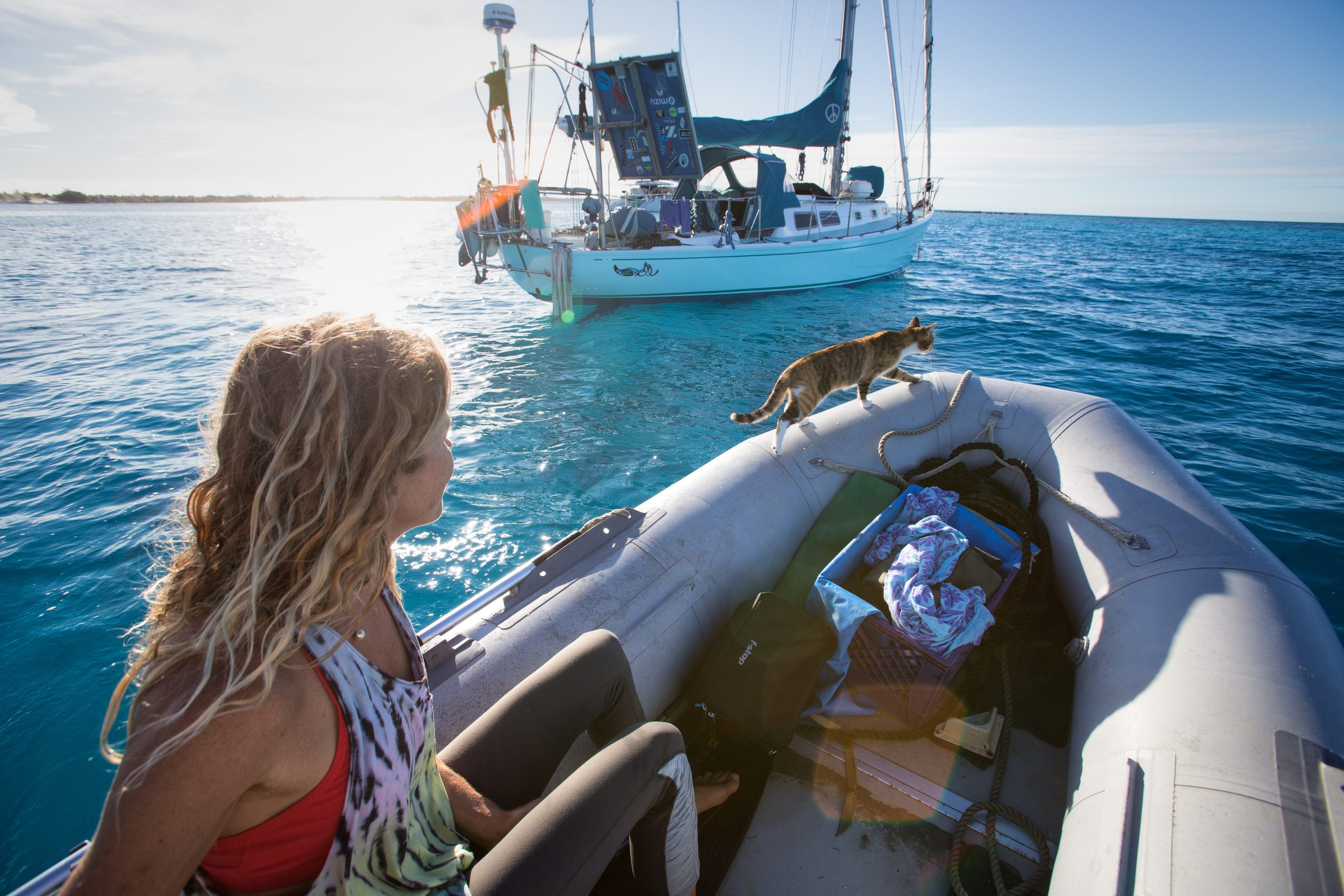
For most people, the idea of leaving behind a conventional life to sail across the world’s oceans alone would seem unthinkable. For Captain Liz Clark, it felt inevitable.
Raised along the California coast, Liz grew up immersed in the rhythms of the sea, sailing with her family and learning to read the moods of the ocean long before she could fully understand where that connection would lead her. Years later, dissatisfied with the pace and priorities of life on land, she made a decision that would transform her life: she would set sail.
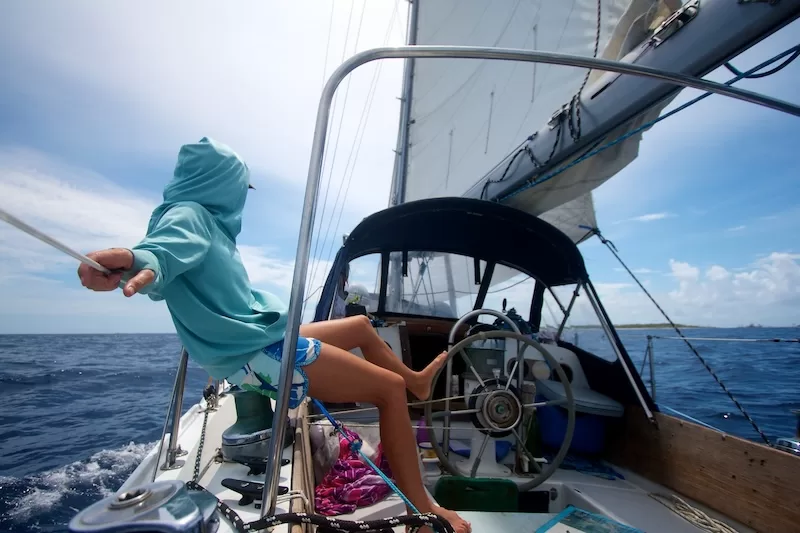
At just 26, Liz left Southern California aboard her 40-foot sailboat Swell, embarking on a journey that would span more than a decade across the Pacific. What began as a surf adventure evolved into something deeper. Living at sea demanded resilience, humility, and a profound trust in both herself and the natural world. It also sharpened her awareness of the fragile ecosystems she was navigating, eventually shaping her path as an environmental advocate and storyteller.
Today, Clark is widely recognized as a pioneering voice in ocean conservation and a symbol of a different way of living: one guided by curiosity, courage, and a willingness to follow the horizon. In this conversation with Escape Artist, she reflects on the lessons of life at sea, the meaning of freedom, and how solitude, surfing, and the ocean reshaped her understanding of home.
What first compelled you to trade life on land for a life at sea?
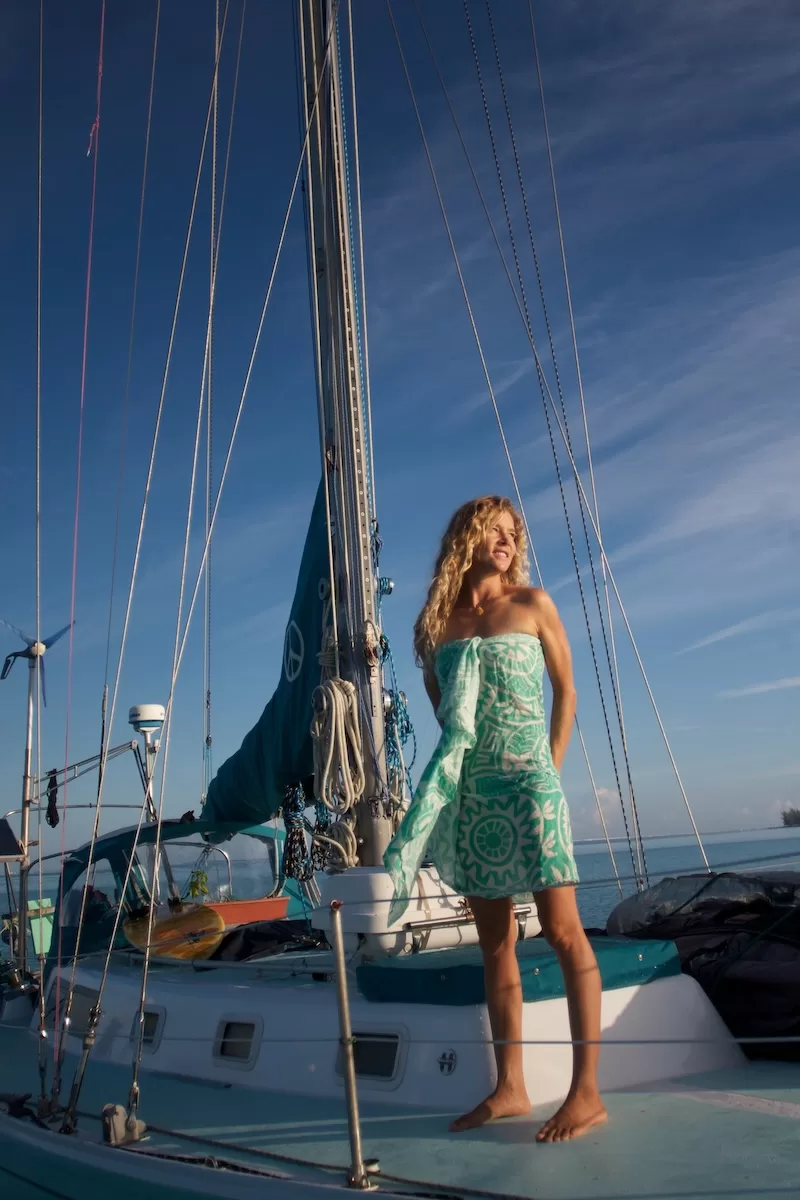
The seed was planted early. I grew up sailing with my family, and some of my most formative memories are from when we traveled to Mexico by sailboat when I was nine years old. I remember waking up anchored in serene coves, snorkeling through kelp forests, feeling free but also connected to the natural world.
That sense of magic and pull toward the natural world never left me. As I got older, I began to feel increasingly misaligned with the values I saw dominating Southern California culture. The pace, the consumerism, the idea of success being tied to accumulating more and more. A big part of my drive to sail away was to create a way of life that felt more in line with my values.
What did living on a sailboat teach you about independence, vulnerability, and trust in yourself?
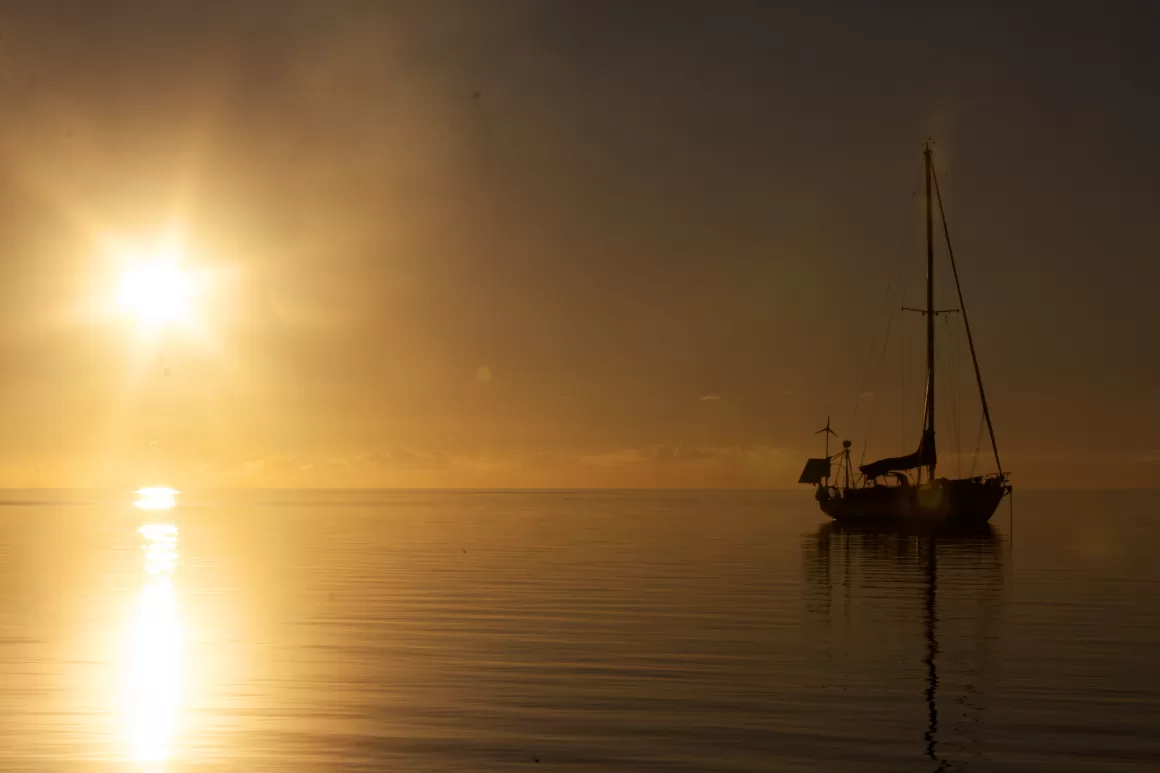
Living aboard Swell taught me that independence is an illusion. While I absolutely believe it is important to test our independence to build confidence in ourselves and learn who we are, my voyage taught me that even as a solo sailor in the middle of the Pacific, we are always dependent on others, and that creating a healthy community and interdependence is a strength, not a weakness.
As for vulnerability, well, I lived it every day in every way imaginable. I was constantly vulnerable to the elements, responsible for my sailboat, my decisions, my safety, and that of others when I had friends or family aboard. Vulnerability was unavoidable, whether it was bad weather, dealing with equipment failure, or being alone in new places. Over time, that ongoing exposure sharpened my intuition and taught me compassion for other beings in vulnerable situations.
Living on Swell also taught me to trust myself more and more. Not because I never made mistakes, but because I was constantly responding to new challenges and obstacles and coming out okay on the other side.
How did surfing influence your decision to pursue an ocean-based, nomadic life?
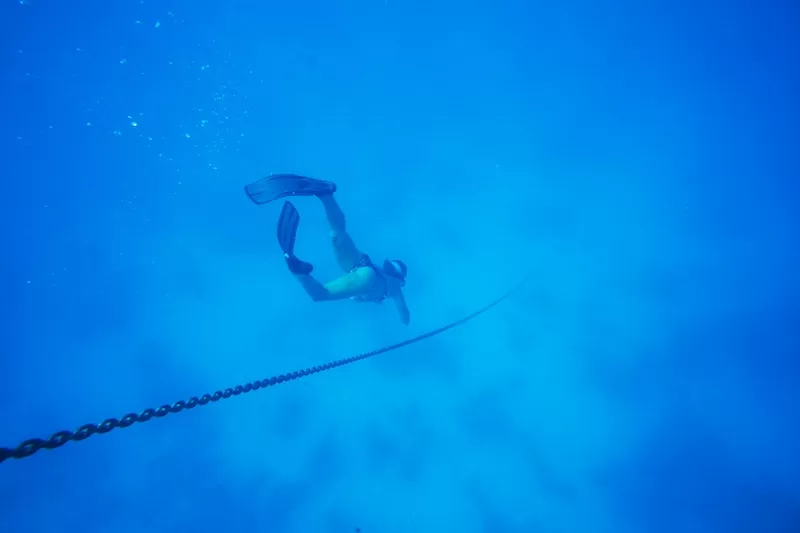
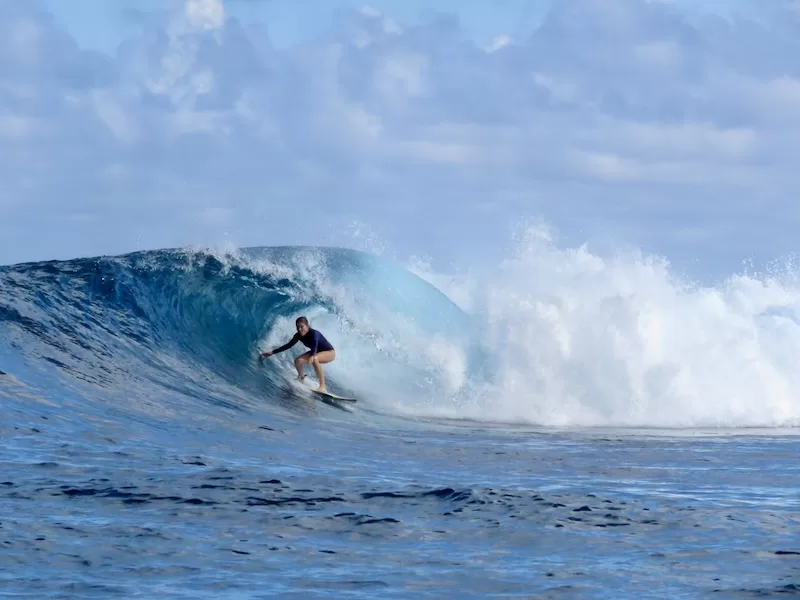
My love of surfing pushed me to go. All the elements of traveling on a sailboat mattered to me. Living lightly, aligning with my environmental values, living close to nature, seeing the world, and learning from different cultures. But surfing was the real heart and pull of it all.
I was hopelessly in love with riding waves, and exploratory surf experiences were really what charmed me. Surfing remote spots and pushing my skills as a surfer made worthwhile the exhausting night watches, endless repairs, uncertainty, and discomfort.
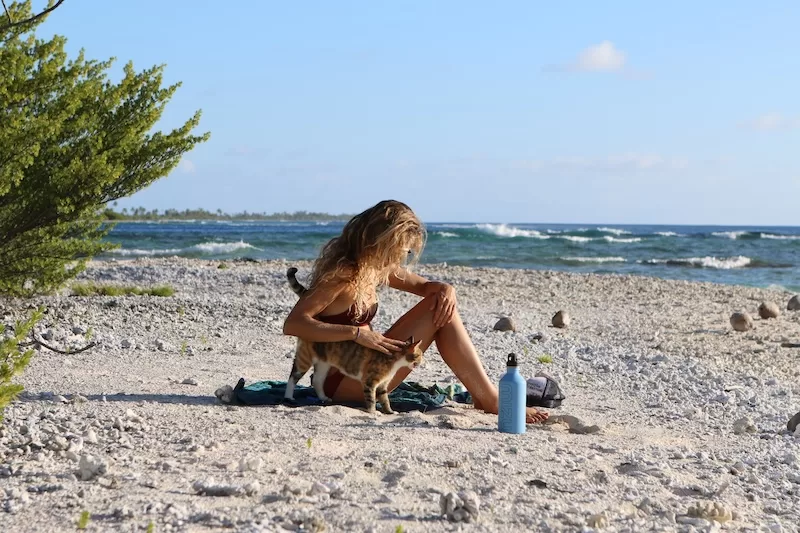
Sailing gave me access to places that otherwise could not be reached, places where the ocean and nature were still wild. For me, there was nothing better than surfing in those magical places. The best moments were arriving somewhere under sail and finding a wave, sharing it with a friend, surfing until our bodies could not do it anymore, feeling completely present and grateful. It took so much for all the elements to align for a moment like this to be possible, which made them even more meaningful, almost sacred.
What was the moment you realized you were truly going to leave the U.S.?
It was less a single moment and more a growing clarity and determination. I imagined sailing away ever since I was a kid, but when I met my mentor, Dr. Schuyler, at 22 years old, the “how” became clear. As we prepared Swell and I learned the systems, saved money, and slowly detached from land-based expectations, my mind had already sailed off over the horizon.
By the time I untied the dock lines, the emotional decision had long since been made. The fear was real. Fear of the unknown, fear of failing as a captain. But so was the certainty that I was choosing the right path for myself.
How has living abroad shaped your understanding of belonging, home, and identity?
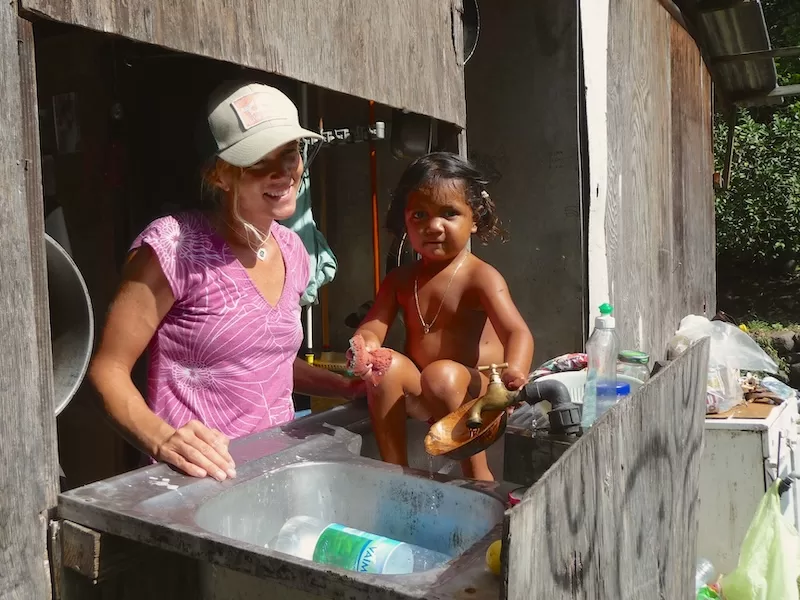
Living abroad reshaped my understanding of belonging as something that can be earned through humility and respect. It is not only about being born in a place. Home became less about a place and more about my relationship with myself and the universe.
I gradually stopped defining myself primarily by nationality and instead by who I was becoming after all I had learned and seen, and how I showed up, listened, and contributed wherever I was.
How did solitude and simplicity shape your sense of purpose?
Long ocean passages strip life down to its essentials. With no forms of external validation and few distractions, you are forced to be honest with yourself.
That simplicity clarified things about myself that I wanted to change. I realized that my purpose, and the purpose of the voyage, did not have to be glorious or externally impressive. For me, it became about living with integrity, curiosity, and care toward the ocean, animals, and the communities I moved through.
How did intimate exposure to the ocean influence your environmental activism?
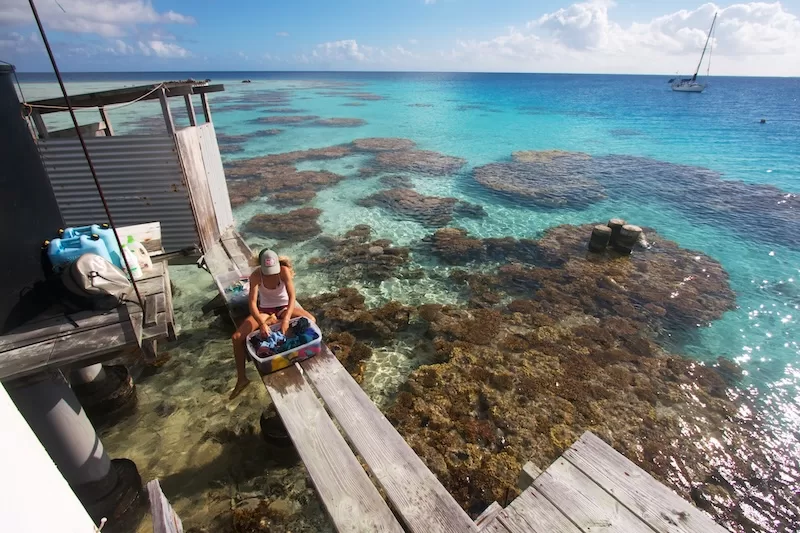
When you live on the ocean, you see directly how everything we do as humans affects our natural world. Not only did I see plastic drifting through remote anchorages, coral stressed by warming waters, and fishing gear tangled where it did not belong, but I saw my dish soap, body products, and spilled fuels go right into the sea.
That proximity made environmental stewardship tangible rather than abstract. It made me want to live lighter, consume more responsibly, and dedicate my life to advocating for the planet. It made me realize there is a responsibility that comes with loving and knowing wild places.
What inner capacities matter most for those reimagining their lives?
I would say adaptability, humility, and being able to find the positive side of things. Reimagining life rarely looks the way we think it will, especially at first.
Being willing to accept obstacles and imperfections, to be uncomfortable, and to let go of rigid outcomes is essential for moving toward the life you want. Perseverance and honesty with yourself matter too.
Can you share a moment when you felt deeply connected to a place abroad?
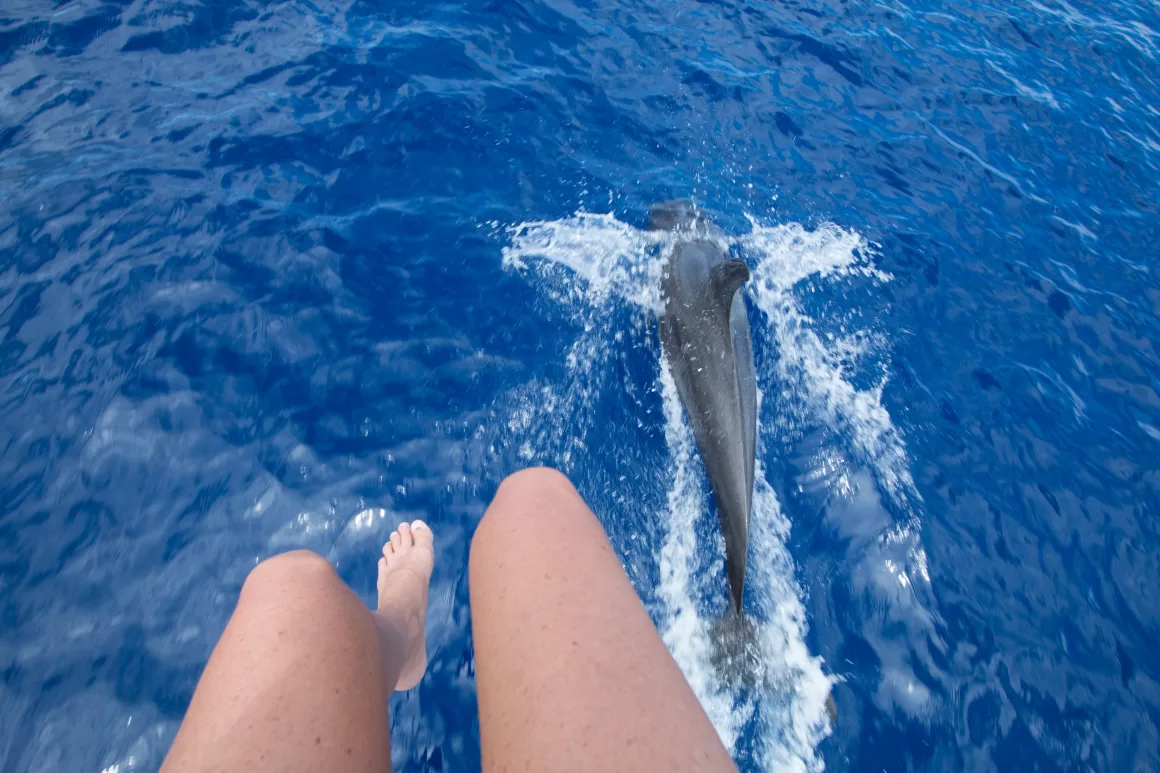
Some of the most meaningful moments of connection were subtle. Being welcomed ashore by women who had never met a female captain. Hearing dolphins sing under my hull at night while crossing the Pacific. The satisfaction of cleaning plastic trash off a remote beach. A local surfer gave me a wave. Seeing a spectacular reef ecosystem or a shooting star and feeling part of something so much bigger than myself.
Those moments of connection are full of joy and meaning. Sometimes, in some places, they come easily, and others require patience, humility, and listening. That is the beauty of travel. It is always a dance.
What does freedom look like for you today, and what do you hope readers take from your journey?
Today, freedom is having time, but it is also the ability to choose my relationships, work, and the rhythms of my days. I live a very busy life, juggling various hats to make ends meet, run a nonprofit, maintain my relationships, and take care of myself and my little world.
I do not have as much freedom as I used to, but I lived my big sailing and surfing dream. Now I dream of a simple life, giving back to the planet and my community in a significant way.
More than anything, I hope Swell readers feel freer to choose what they love, even when it feels uncertain or goes against what they have been told a “successful” life should look like. Security is comforting, but truly feeling alive comes from listening to what really moves you.
I also hope the book invites a new curiosity about one’s relationship to the planet and the other beings we share it with.

Captain Liz Clark is a sailor, surfer, environmental advocate, and author whose life changed when she set sail from California aboard her 40-foot sailboat Swell in her mid-twenties. Through her travels, Clark developed a deep commitment to environmental stewardship and sustainable living, sharing her story through writing, public speaking, and her book Swell: A Sailing Surfer’s Voyage of Awakening. Today, she continues to advocate for ocean conservation while inspiring others to rethink what freedom and home can mean. You can follow her journey here.


