Escape Artist
  • Features
    • Interview
    • Expat News
    • Field Notes
    • Trending
  • Your Plan B
    • Finance
    • Real Estate
    • Second Citizenship
    • Digital Nomad
    • Healthcare
  • Destinations
    • Europe
      • France
      • Germany
      • Italy
      • Portugal
      • Scandinavia
      • Spain
      • United Kingdom
      • Rest of Europe
    • Central America
      • Belize
      • Costa Rica
      • El Salvador
      • Guatemala
      • Honduras
      • Nicaragua
      • Panama
    • Others
      • Africa
      • Asia
      • Australia
      • North America
      • South America
      • Middle East
      • Rest of the World
  • Travel Tips
    • Know Before You Go
    • Packing List
    • Food + Culture
    • Health + Wellness
  • Subscribe
Escape Artist
  • Features
    • Interview
    • Expat News
    • Field Notes
    • Trending
  • Your Plan B
    • Finance
    • Real Estate
    • Second Citizenship
    • Digital Nomad
    • Healthcare
  • Destinations
    • Europe
      • France
      • Germany
      • Italy
      • Portugal
      • Scandinavia
      • Spain
      • United Kingdom
      • Rest of Europe
    • Central America
      • Belize
      • Costa Rica
      • El Salvador
      • Guatemala
      • Honduras
      • Nicaragua
      • Panama
    • Others
      • Africa
      • Asia
      • Australia
      • North America
      • South America
      • Middle East
      • Rest of the World
  • Travel Tips
    • Know Before You Go
    • Packing List
    • Food + Culture
    • Health + Wellness
  • Subscribe
👤

THE NUMBER ONE SOURCE FOR BUILDING A LIFE ABROAD

This field is for validation purposes and should be left unchanged.
  • Your Plan B

Brazilian Cuisine

  • BY EA Editors
  • April 24, 2015
Total
0
Shares
0
0
0

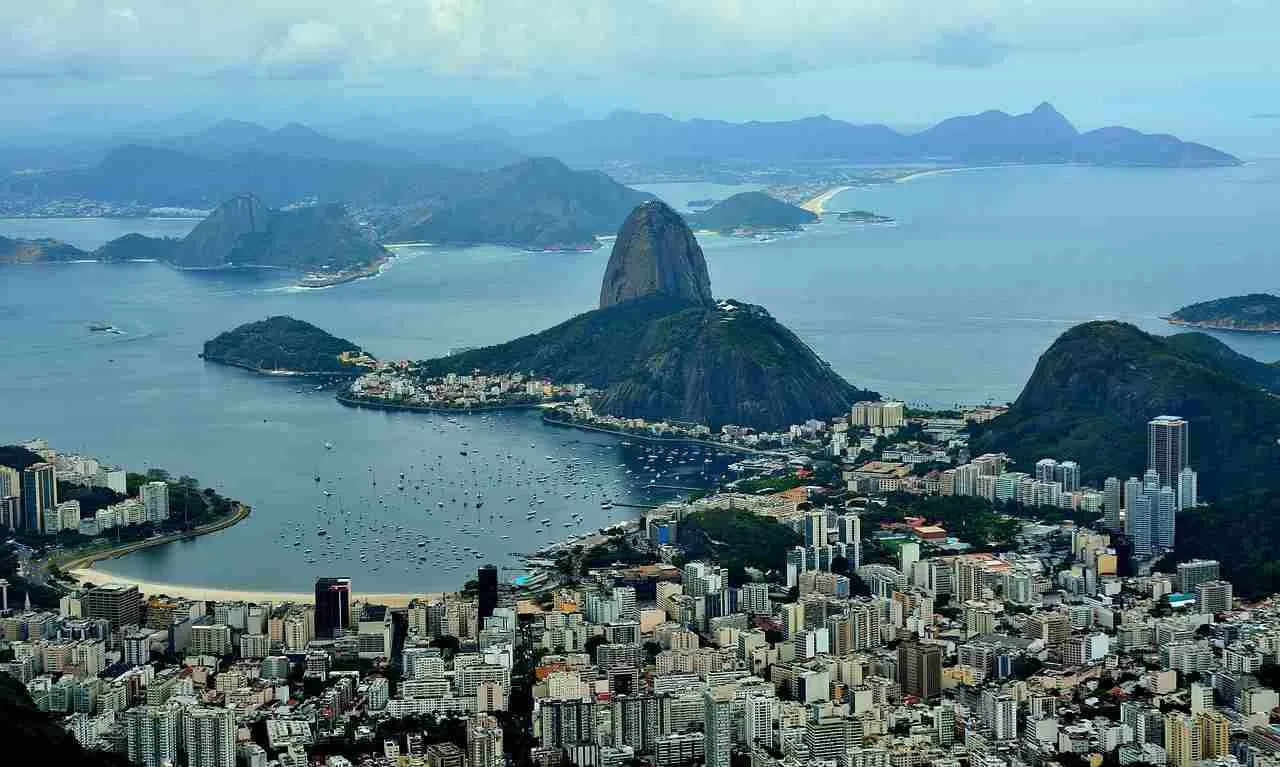
One of the most delicious ways to get to know a country is through its cuisine. And you won’t be disappointed when trying these dishes while living in Rio de Janeiro or any other part of Brazil.


Acarajé: Made with black-eyed peas that are rolled into balls and then deep fried in Palm Oil. It is then typically stuffed with shrimp, peanuts and some other ingredients depending on the region. It is typically found in the north of Brazil, especially in the city of Salvador.

Churrasco: has many different meanings throughout South America, but in Brazil it simply refers to a barbeque, which is almost comprised of large chunks of meat cooked on skewers. When in Brazil you may want to visit a churrasqueira, a restaurant that has all-you-can-eat barbecued meat, sometimes served impaled on swords.

Coxinha: a common snack in Brazil which is minced chicken shaped like a drumstick and deep fried in batter until golden brown. (Watch out! Sometimes there is a toothpick placed inside to represent where the bone should be)

Feijoada: Considered the national dish of Brazil, this is a thick stew of black beans with pieces of beef and pork added to it. It is traditionally prepared in a clay pot. Feijão is Portuguese for Beans.

Fruit: Brazilians all eat a large amount of fruit that mainly comes from the Amazon. The range includes but is not limited to: mango, guava, cashew fruit, pineapple, passion fruit, orange and plum.

Meat: The beef in Brazil is top quality, and is almost always prepared grilled with only a small amount of salt to bring out the flavor. Fancy cooking is not necessary.

Moqueca: Is a seafood stew made without adding any water. Different fish and shellfish are thrown together with a mixture onions, tomatoes,some garlic and Coriander). The recipe varies greatly depending upon location but in general, the option for liquid include palm oil and coconut milk or olive and soy oil. It simmers for hours in a traditional clay pot and becomes a viscous liquid, sometimes so that your spoon will stand up right.

Pamonha: This is a corn and milk paste wrapped in a corn husk and boiled. In some areas of Brazil you can find it prepared with coconut milk. It is similar to humitas in Chile.

Pão de queijo: These bread rolls are found throughout the country and are prepared in the home and also served at restaurants. If you don’t have time to make your own you can also find them in the supermarket freezer section. It is a simple roll with cheese and accompanies most meals, especially breakfast.

Picadinho de Jacaré: Found predominantly in the Northern Amazon region, it is a traditional indigenous meal made from alligator meat.

Pizza: In Southern Brazil pizza is often served in gourmet restaurants with high quality ingredients, whereas in the north, where they lack strong Italian influences it is commonly eaten with ketchup and sometimes even mustard or mayonnaise. Dessert pizza are also common in Brazil with toppings like chocolate, bananas, guava jam and cinnamon.

Roupa Velha: (literally means Old Clothes) shredded dried meat normally served with rice and mandiocas.

Vatapá: originally from the the north of Brazil, this is a creamy dish made from bread, shrimp, ground peanuts added to coconut milk and palm oil. It is usually served with rice.

Desserts
Desserts are always a delight no matter what country they come from. Here are some of the more typical ones from Brazil:


Arroz doce: A simple rice pudding, it is made with cinnamon and can be served as a simple dessert or sometimes alongside a meal.

Bolo de Rolo: This is a thin sponge cake rolled in to a log with a filling of Guava.

Brigadeiro: Probably the national dessert of Brazil they look like balls of chocolate similar to truffles. A thick mix of condensed milk, butter and chocolate powder is rolled into small balls and cooked. Once cooled, they are covered in chocolate sprinkles like a truffle. They are named after a Brigadier that helped stop a communist coup in Rio. They are incredibly yummy and I can see why they are so popular in Brazil!

Canjica: (called Mugunzá in the North of Brazil) a porridge cooked with milk, sugar and cinnamon. In the north of Brazil coconut milk is used.

Cuscuz branco: Tapioca pudding cooked in coconut milk with sugar. Yum!

Goiabada: A guava paste that is made with sugar and water, it is normally served with cheese. This combination is called Romeo and Juliet by many, although we can’t seem to find out why.

Papo de anjo: A mixture of egg yolks and whites, mixed separately, and then baked in muffin tins. Afterwards they are boiled in syrup and then coated in rum, vanilla or flavored with orange peel.


Source: http://www.southamerica.cl/Brazil/Food.htm

Contact Author

"*" indicates required fields

This field is for validation purposes and should be left unchanged.
Name*
Please let us know what's on your mind. Have a question for us? Ask away.

Stay Ahead on Every Adventure! 

Stay updated with the World News on Escape Artist. Get all the travel news, international destinations, expat living, moving abroad, Lifestyle Tips, and digital nomad opportunities. Your next journey starts here—don’t miss a moment! Subscribe Now!

One of the most delicious ways to get to know a country is through its cuisine. And you won’t be disappointed when trying these dishes while living in Rio de Janeiro or any other part of Brazil.


Acarajé: Made with black-eyed peas that are rolled into balls and then deep fried in Palm Oil. It is then typically stuffed with shrimp, peanuts and some other ingredients depending on the region. It is typically found in the north of Brazil, especially in the city of Salvador.

Churrasco: has many different meanings throughout South America, but in Brazil it simply refers to a barbeque, which is almost comprised of large chunks of meat cooked on skewers. When in Brazil you may want to visit a churrasqueira, a restaurant that has all-you-can-eat barbecued meat, sometimes served impaled on swords.

Coxinha: a common snack in Brazil which is minced chicken shaped like a drumstick and deep fried in batter until golden brown. (Watch out! Sometimes there is a toothpick placed inside to represent where the bone should be)

Feijoada: Considered the national dish of Brazil, this is a thick stew of black beans with pieces of beef and pork added to it. It is traditionally prepared in a clay pot. Feijão is Portuguese for Beans.

Fruit: Brazilians all eat a large amount of fruit that mainly comes from the Amazon. The range includes but is not limited to: mango, guava, cashew fruit, pineapple, passion fruit, orange and plum.

Meat: The beef in Brazil is top quality, and is almost always prepared grilled with only a small amount of salt to bring out the flavor. Fancy cooking is not necessary.

Moqueca: Is a seafood stew made without adding any water. Different fish and shellfish are thrown together with a mixture onions, tomatoes,some garlic and Coriander). The recipe varies greatly depending upon location but in general, the option for liquid include palm oil and coconut milk or olive and soy oil. It simmers for hours in a traditional clay pot and becomes a viscous liquid, sometimes so that your spoon will stand up right.

Pamonha: This is a corn and milk paste wrapped in a corn husk and boiled. In some areas of Brazil you can find it prepared with coconut milk. It is similar to humitas in Chile.

Pão de queijo: These bread rolls are found throughout the country and are prepared in the home and also served at restaurants. If you don’t have time to make your own you can also find them in the supermarket freezer section. It is a simple roll with cheese and accompanies most meals, especially breakfast.

Picadinho de Jacaré: Found predominantly in the Northern Amazon region, it is a traditional indigenous meal made from alligator meat.

Pizza: In Southern Brazil pizza is often served in gourmet restaurants with high quality ingredients, whereas in the north, where they lack strong Italian influences it is commonly eaten with ketchup and sometimes even mustard or mayonnaise. Dessert pizza are also common in Brazil with toppings like chocolate, bananas, guava jam and cinnamon.

Roupa Velha: (literally means Old Clothes) shredded dried meat normally served with rice and mandiocas.

Vatapá: originally from the the north of Brazil, this is a creamy dish made from bread, shrimp, ground peanuts added to coconut milk and palm oil. It is usually served with rice.

Desserts

Desserts are always a delight no matter what country they come from. Here are some of the more typical ones from Brazil:


Arroz doce: A simple rice pudding, it is made with cinnamon and can be served as a simple dessert or sometimes alongside a meal.

Bolo de Rolo: This is a thin sponge cake rolled in to a log with a filling of Guava.

Brigadeiro: Probably the national dessert of Brazil they look like balls of chocolate similar to truffles. A thick mix of condensed milk, butter and chocolate powder is rolled into small balls and cooked. Once cooled, they are covered in chocolate sprinkles like a truffle. They are named after a Brigadier that helped stop a communist coup in Rio. They are incredibly yummy and I can see why they are so popular in Brazil!

Canjica: (called Mugunzá in the North of Brazil) a porridge cooked with milk, sugar and cinnamon. In the north of Brazil coconut milk is used.

Cuscuz branco: Tapioca pudding cooked in coconut milk with sugar. Yum!

Goiabada: A guava paste that is made with sugar and water, it is normally served with cheese. This combination is called Romeo and Juliet by many, although we can’t seem to find out why.

Papo de anjo: A mixture of egg yolks and whites, mixed separately, and then baked in muffin tins. Afterwards they are boiled in syrup and then coated in rum, vanilla or flavored with orange peel.


Source: http://www.southamerica.cl/Brazil/Food.htm

Contact Author

"*" indicates required fields

If you'd like to read the full story, simply enter your email to subscribe to our newsletter.

For even more expert insights, unmissable resources, and exclusive invites, explore our premium subscription offers here.

This field is for validation purposes and should be left unchanged.


OR

Subscribe Now

Already a Subscriber? Click here to login

Subscription required

You've reached your limit of free articles. For full access to Escape Artist, and all of our insights on travel, moving abroad, and the digital nomad life, click here to Subscribe.

Already a Subscriber? Log in here

Total
0
Shares
Share 0
Tweet 0
Pin it 0
Previous Article
  • Your Plan B

Volunteering in Rio de Janeiro

  • BY EA Editors
  • April 24, 2015
View Post
Next Article
  • Your Plan B

Moving to Rio de Janeiro

  • BY EA Editors
  • April 24, 2015
View Post
You May Also Like
Chess pieces on a board overlaid with financial charts and data visualizations representing strategic financial planning
View Post
  • Finance
Building a Resilient Banking Strategy for Life Abroad
  • BY Isha Sesay
  • April 22, 2026
Two students walking across a university campus at sunset, representing international schooling, higher education, and study abroad opportunities.
View Post
  • Second Residency
Raising Global Kids Without Breaking the Bank
  • BY EA Editorial Staff
  • April 22, 2026
Panama City skyline at night with illuminated towers, coastal boulevard, and light trails running along the waterfront
View Post
  • Plan B
Ready to Leave the US? These Countries Might Trump the American Dream
  • BY Emily Draper
  • April 20, 2026
Aerial view of a coastal Portuguese city with hotels, residential buildings, mountains, and the Atlantic shoreline stretching into the distance
View Post
  • Golden Visa
Exploring Currency Considerations for Portugal’s Golden Visa
  • BY Iva Slavtcheva
  • April 15, 2026
Evening street scene in Dubai with illuminated digital billboards, pedestrians, and modern skyscrapers rising in the background
View Post
  • Plan B
Geopolitical Risk and the Shift Beyond the Gulf
  • BY Luigi Wewege
  • April 8, 2026
Two passports including a blue Cuban passport and a Canadian passport held together, representing international travel and dual citizenship documentation
View Post
  • Second Residency
The Ancestral Hedge for a Second Passport
  • BY EA Editorial Staff
  • April 8, 2026
Happy asian family that enjoys beach activities during the summer holidays. parent and children enjoy the sunset sea on beach.Holiday travel concept, Summer vacations.
View Post
  • Relocation
Why Families Are No Longer Raising Children in One Place
  • BY Isha Sesay
  • April 3, 2026
Senior couple enjoy sea water
View Post
  • Plan B
Retirement Abroad and the New Cost of Living
  • BY Isha Sesay
  • April 1, 2026
Trending Posts
  • Panama City skyline at night with illuminated towers, coastal boulevard, and light trails running along the waterfront 1
    • Plan B
    Ready to Leave the US? These Countries Might Trump the American Dream
    • April 20, 2026
  • Two people sitting on a beach at sunset with waves rolling in and rocky coastline silhouetted against the golden sky 2
    • Costa Rica
    Why Some Expats Leave Costa Rica (and Others Stay Forever)
    • April 17, 2026
  • Aerial view of a coastal Portuguese city with hotels, residential buildings, mountains, and the Atlantic shoreline stretching into the distance 3
    • Golden Visa
    Exploring Currency Considerations for Portugal’s Golden Visa
    • April 15, 2026
  • Woman walking down a narrow street in Havana lined with weathered pastel buildings beneath a bright blue sky 4
    • Cuba
    The Reality Behind Cuba’s Romance
    • April 13, 2026
  • Chess pieces on a board overlaid with financial charts and data visualizations representing strategic financial planning 5
    • Finance
    Building a Resilient Banking Strategy for Life Abroad
    • April 22, 2026
Know Before You Go
  • People enjoying the summer at the beach at Lake Ohrid in North Macedonia 1
    • Europe
    Inside North Macedonia: Europe’s Most Unexpected Reinvention
    • April 24, 2026
  • Panama City skyline at night with illuminated towers, coastal boulevard, and light trails running along the waterfront 2
    • Plan B
    Ready to Leave the US? These Countries Might Trump the American Dream
    • April 20, 2026
  • Two people sitting on a beach at sunset with waves rolling in and rocky coastline silhouetted against the golden sky 3
    • Costa Rica
    Why Some Expats Leave Costa Rica (and Others Stay Forever)
    • April 17, 2026
  • Woman walking barefoot along a beach in the Philippines with boats, waterfront buildings, and lush limestone hills in the background 4
    • Digital Nomad
    A Digital Nomad’s Complete Guide to the Philippines
    • April 10, 2026
  • Sunlit view of Valencia, Spain, featuring ornate historic buildings along a palm-lined street, with pedestrians and light traffic under a clear blue sky. 5
    • Spain
    Why Valencia Is on Everyone’s Radar
    • April 7, 2026
Learn More
  • About Us
  • Contact
  • Advertise
  • Subscribe
  • Shop
Why Subscribe

The newly imagined Escape Artist brings you fresh content with a global focus, and sharp, up-to-the-minute coverage of the joys, challenges, and opportunities of life abroad.

For a limited time, we’re offering a special discount on all subscription deals, so be sure to lock-in these incredible savings and start receiving top-notch travel and expat content today!

Sign up for the EA Newsletter

Get important news delivered directly to your inbox and stay connected!

This field is for validation purposes and should be left unchanged.
Escape Artist
  • Terms & Conditions
  • Privacy Policy
  • Cookies Policy
  • Disclaimer

Input your search keywords and press Enter.

Escape Artist

The Newsletter for a
Life Beyond Borders

Practical insights and real stories for those building a life abroad, trusted by 75,000 readers worldwide.

This field is for validation purposes and should be left unchanged.

Before you go, want $50 off your Summit registration?

Subscribe, and get $50 discount code for Plan B Summit registration.

Download Your Free Guide

Fill out the form below to get instant access to your guide + receive a $50 discount code for Plan B Summit 2026!

Download Your Free Guide

Fill out the form below to get instant access to your guide + receive a $50 discount code for Plan B Summit 2026!

Download Your Free Guide

Fill out the form below to get instant access to your guide + receive a $50 discount code for Plan B Summit 2026!

Newsletter Subscription