
Moving overseas sounds exciting. New country, fresh start, maybe even tax-free income.
But here’s the reality I’ve seen after preparing expat taxes for 25+ years: your finances get way more complicated the moment you leave US soil.
HSBC surveyed almost 22,000 expats worldwide. Three out of four said managing money abroad was harder than they expected.
I’ve watched clients get hit with $10,000 penalties for unreported bank accounts. Others paid taxes twice on the same income. Some lost thousands just moving money between countries.
The good news? All of these mistakes are avoidable if you know what to watch for.
Mistake #1: Not understanding US tax rules
Here’s what trips people up: they think leaving America means they’re done with American taxes.
Wrong.
The US is one of only two countries that taxes citizens no matter where they live. Even if you earn every penny in Singapore or Germany, Uncle Sam still wants his paperwork.
Why this hurts:
Skip your tax filing? The IRS can charge you $10,000+ for each year you don’t report foreign bank accounts. They’ll also add 5% per month for late filing, up to 25% of what you owe. In serious cases, they can even revoke your passport.
But here’s the kicker—you might be leaving money on the table, too. Americans abroad can exclude up to $130,000 of foreign income from taxes. But only if you file correctly and on time.
How to avoid it:
Before you board that plane, talk to an overseas tax consultant who knows expat rules inside and out. They’ll help you:
- Understand your filing deadlines (June 15 for most expats, with extensions available)
- Set up the right structure from day one
- Claim the Foreign Earned Income Exclusion if you qualify
- Report foreign accounts properly (anything over $10,000 needs reporting)
One more thing people miss: state taxes. California, Virginia, and South Carolina are especially aggressive. You need to officially cut ties before leaving, or they’ll keep taxing you even from overseas.
Mistake #2: Skipping international health insurance
Most people assume their US health plan covers them abroad. Or they figure the local healthcare system will handle everything.
Both assumptions are dangerous.
Medical evacuation from a remote area? That’s $100,000 or more. Emergency surgery in a private hospital in Thailand or Mexico? Plan on $30,000-$50,000 out of pocket.
US Medicare doesn’t work outside America. Most employer plans only cover emergencies abroad—not your regular doctor visits, prescriptions, or specialists.
What to do instead:
Check your current coverage before you leave. Call your insurance company and get answers in writing:
- What’s covered outside the US?
- What happens if I need emergency care?
- Am I covered when I visit home?
Then look into international plans. Companies like Cigna Global or GeoBlue offer worldwide coverage. Look for at least $1 million in medical evacuation protection.
Bonus tip: If you’re self-employed abroad, health insurance premiums are often fully deductible on your US taxes. Your overseas tax consultant can help you claim this—it saves most people hundreds or thousands annually.
Mistake #3: Messing up banking and currency
Some expats keep only US accounts and try managing everything remotely. Others close everything American the day they land overseas.
Both are mistakes.
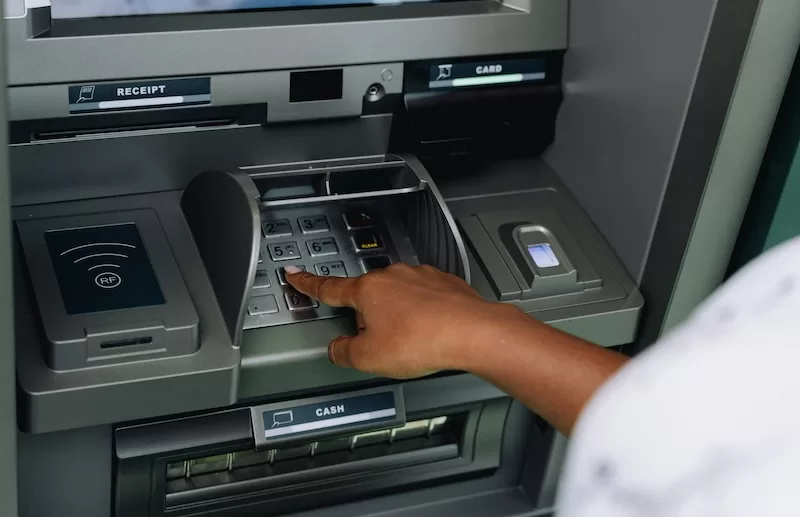
Using a US ATM card abroad costs you 3-5% in fees, plus another 2-4% in bad exchange rates. On a $50,000 salary, that’s $3,500-$4,500 disappearing into thin air.
Close your US accounts too fast? You’ll have trouble with credit cards, investment accounts, and dealing with anything back home. Some brokerages, like Vanguard, will even force you to liquidate your investments if you change to a foreign address.
The smart approach:
Think of it like having a backup generator. You want power in both places.
- Keep one US checking account with no foreign transaction fees (Charles Schwab reimburses all ATM fees worldwide)
- Open a local account within your first two weeks for rent, utilities, and salary deposits
- Use Wise or Revolut for moving money between countries—you’ll save 2-4% compared to banks
One heads-up: foreign banks have to report American account holders to the IRS under FATCA. Some foreign banks won’t even accept US citizens because of it. Research which banks in your destination will work with you.
Mistake #4: Ignoring retirement planning
When you move abroad, retirement accounts often get forgotten. Some people stop contributing entirely. Others do something worse—they cash out their 401(k) to fund the move.
That’s like burning money.
Cash out a $50,000 retirement account at age 35? You’ll pay a 10% penalty ($5,000) plus income tax ($12,000-$15,000). But the real cost is what that money could have become. Left alone for 30 years, that $50,000 could grow to $400,000 or more.
What works better:
- Keep contributing to your Roth IRA if you still have earned income under the FEIE limit (up to $7,000 yearly, $8,000 if you’re over 50)
- Never cash out your 401(k) or IRA—leave it invested
- Understand foreign pensions—some need special IRS reporting that creates surprise tax bills
This is where an overseas tax consultant really earns their fee. They’ll tell you if that foreign pension plan will create problems with the IRS before you sign up.
Mistake #5: Buying foreign investments without research
Foreign real estate at great prices. Local mutual funds your expat buddies recommend. Sounds tempting.
But the IRS has a nasty surprise waiting: PFIC rules.
PFIC stands for Passive Foreign Investment Company. It’s the IRS’s way of punishing Americans who invest in most foreign mutual funds and ETFs.
Instead of paying the normal 15-20% capital gains rate, you could pay up to 37% plus interest penalties. A $50,000 gain could cost you $25,000 in taxes instead of $10,000.
Plus, reporting each PFIC costs $500-$1,000 in accounting fees. Per fund. Every year.
Safer moves:
- Stick to US-based investment funds
- Open accounts with Charles Schwab International or Interactive Brokers before you change your address
- Research foreign real estate carefully—it creates tax obligations in both countries
- If you’re buying crypto abroad, keep detailed records (every transaction is taxable)
Before investing serious money, run the numbers with an overseas tax consultant. That “7% return” might only be 2% after taxes.
Mistake #6: Forgetting legal documents
Wills, powers of attorney, beneficiary forms—these slip to the bottom of your to-do list when you’re managing an international move.
But some countries have forced heirship laws that override your US will completely. In parts of the Middle East and Europe, the law decides who gets your assets, not your will.
Quick fixes:
- Update all beneficiary designations in your first month (life insurance, retirement accounts, bank accounts)
- Check if you need separate wills for each country
- Verify your US power of attorney works abroad (many countries don’t accept them)
- Research local inheritance rules before you move
Mistake #7: Not saving enough for year one
Most people budget for regular costs—rent, food, and utilities. They save 3-6 months of expenses and feel prepared.
Then reality hits.
Your first year costs 30-50% more than normal because of one-time expenses:
- Security deposits (often 2-3 months’ rent)
- Furniture and household items
- Visa and work permit fees
- Shipping or excess baggage
- Credential transfers and certifications
- Double rent while you overlap housing
Add it up, and you’re looking at $10,000-$31,000 in extras beyond your regular living costs.
Better plan:
Save 9-12 months of expenses, not 3-6. Keep it split between dollars and local currency (roughly 60/40) to protect against exchange rate swings.
Your action plan
These seven mistakes cost expats tens of thousands of dollars. But you can avoid all of them with some planning.
Six months before you move:
- Schedule a consultation with an overseas tax consultant
- Research international health insurance
- Open expat-friendly bank and brokerage accounts
- Build that bigger emergency fund
First month after arrival:
- Open your local bank account
- Set up Wise or Revolut for transfers
- Update your will and legal documents
- Register with the US embassy
Ongoing:
- Set quarterly calendar reminders for FBAR reporting
- Keep detailed records of foreign income and taxes paid
- Document all investment transactions
At Taxes for Expats, we’ve helped over 50,000 Americans in 193 countries handle their expat taxes.
Your first year sets the tone for your entire overseas experience. Spend time planning now, and you won’t spend years fixing expensive mistakes later.
The cost of good planning is always less than the cost of fixing problems.
Contact Author
"*" indicates required fields
Stay Ahead on Every Adventure!
Stay updated with the World News on Escape Artist. Get all the travel news, international destinations, expat living, moving abroad, Lifestyle Tips, and digital nomad opportunities. Your next journey starts here—don’t miss a moment! Subscribe Now!


