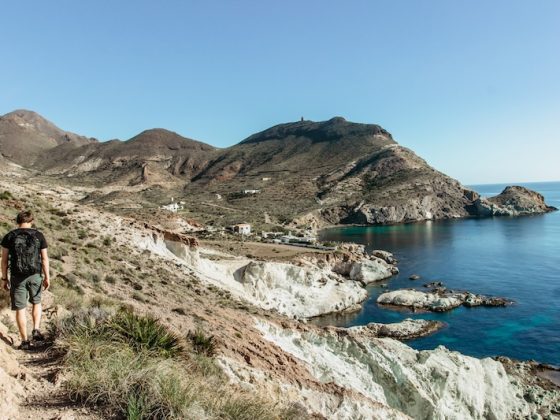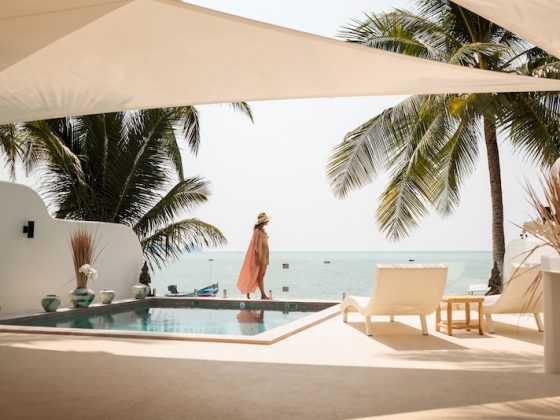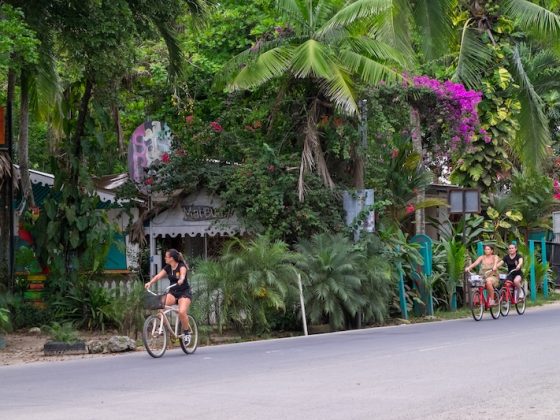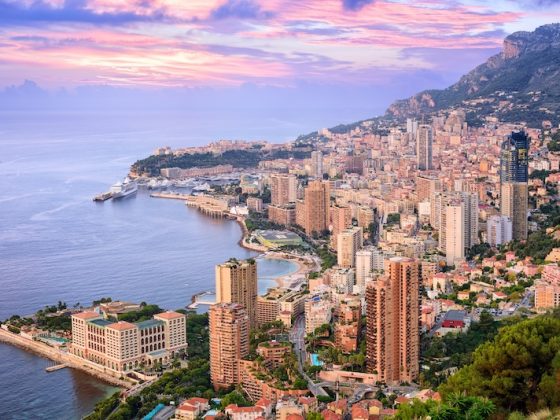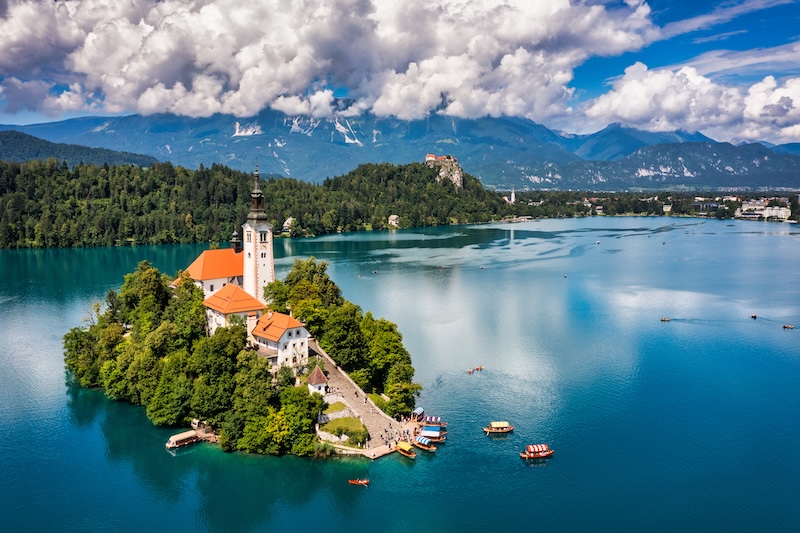
This summer, as heatwaves made traditional European holidays increasingly unbearable, a new generation of travelers discovered that rain, clouds and low temperatures could be exactly what they wanted. Repeated heatwaves pushed temperatures towards 40°C (104°F) across parts of Europe, and in response, a growing number of people did something that would once have seemed slightly perverse: they headed north, toward the coolcation destinations in Europe that had spent decades apologizing for their weather. Summer 2026, it turned out, was the summer the “coolcation” went mainstream, a holiday deliberately taken somewhere cooler, specifically to escape the heat.
The term itself isn’t new. It’s been around for several years, but 2026 took it from travel-industry curiosity to a phenomenon impossible to ignore. Collins English Dictionary now carries an entry for it, defining it simply as “a holiday in a place with a cool climate.” This year proved the dictionary right.
The Numbers Behind the Coolcation Shift
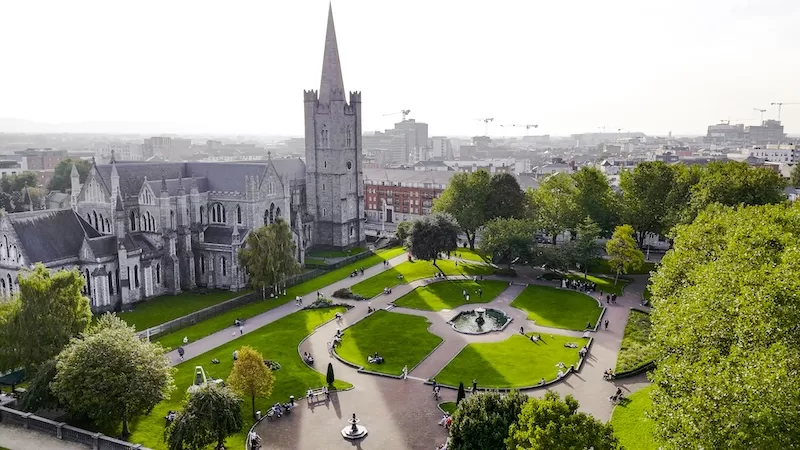
According to data reported by Euronews in July, searches for hotel rooms in Copenhagen on the French version of Hotels.com rose by 246% following the first heatwave that struck France in May. Searches for Dublin were up 151%. Travel agency Fora reported even sharper booking growth for Nordic capitals over the summer: Oslo climbed 154% year-on-year, Helsinki 124%, Stockholm 90% and Copenhagen 78%.
The reasons aren’t hard to find. Europe is warming rapidly, and 2025 was the continent’s third-warmest year on record, with temperatures averaging 1.17°C (2.1°F) above the 1991–2020 norm. Large parts of southern and central Europe experienced genuinely unbearable heat over the summer. Parts of Spain, Greece, Turkey and the Balkans saw “extreme” heat stress, a feels-like temperature of at least 46°C (115°F), and by late August, four consecutive heatwaves had contributed to an estimated 35,000 excess deaths across just over half the continent. Temperatures above 40°C (104°F) were recorded across regions home to more than 80 million Europeans.
There is a particular absurdity to spending thousands of euros traveling somewhere beautiful only to spend every afternoon hiding indoors in air conditioning. In Sweden, tour guide Terje Viblom Pedersen noticed the shift first-hand this year. Visitors arriving from southern Europe, he told Euronews, were amazed by daytime temperatures below 30°C (86°F), sea breezes and the absence of the crowds that define Mediterranean resorts. Two tourists from Marseille told him they were simply relieved to have escaped the heatwave back home. This summer, it seemed, travelers weren’t chasing cold, they were chasing comfort.
The Coolcation Destinations in Europe People Actually Chose
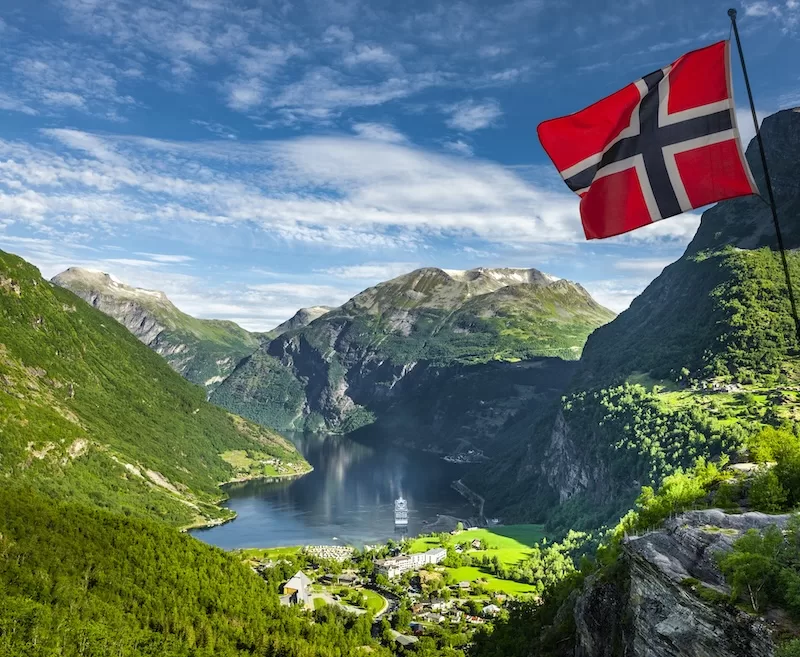
Norway looked like the archetypal coolcation destination this year. Its summer temperatures typically sat somewhere between 12°C and 23°C (54°F and 73°F), varying significantly by region, and in the north, the midnight sun let visitors hike, kayak and explore long after most European cities would have gone dark. A trip to Norway this summer meant escaping the traditional European holiday altogether: fjord hikes replaced poolside resorts. Norway’s tourism authorities reported that around one in five foreign visitors this year cited cooler summer temperatures as one of their reasons for choosing the country.
The Scottish Highlands were another major beneficiary. For decades, Scottish tourism had to sell visitors on the idea that the rain was part of the charm. This year, the weather itself became the sales pitch. “People used to come to the Highlands and say, ‘it’s beautiful but shame about the weather.’ Now they’re coming for the weather,” James MacLeod, a concierge at Glencoe House Hotel, told the BBC this summer. “They don’t seem to care about the midges or the rain anymore. They’re just glad it’s not too hot.” It was quite a reversal.
Further east, Finland’s Lakeland drew visitors with its forests, thousands of islands and lakeside saunas. Lake Saimaa’s average August daytime temperature sat around 20°C (68°F) this year. It’s also the only place in the world where the endangered Saimaa ringed seal can be found.
Coolcations grew within traditionally warm countries too. Many travelers this summer looked to Galicia in northern Spain, Trentino-Alto Adige in northern Italy, and Normandy and Alsace in France. Mountain destinations proved particularly attractive, since temperatures drop with altitude, especially overnight.
What This Summer Means for Planning Ahead
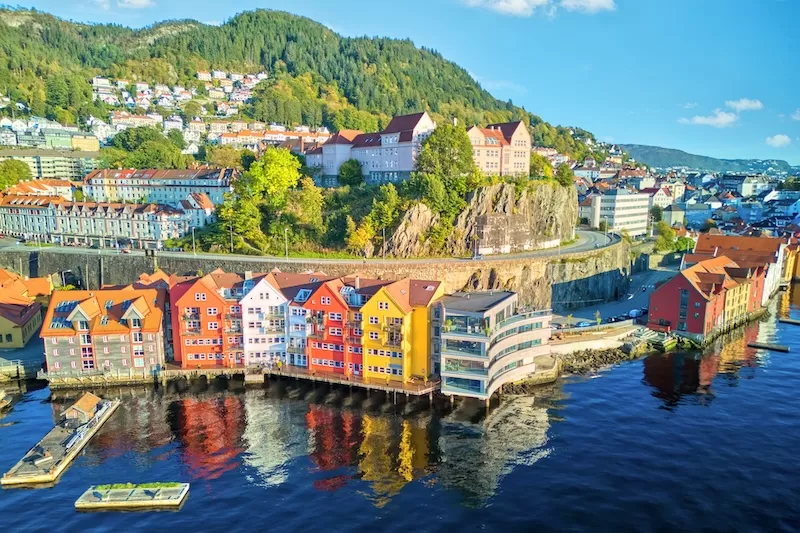
If there’s one lesson from this season, it’s that you shouldn’t book a destination merely because its average temperature looks low on paper. Weather remained unpredictable throughout the summer: Norway had stretches of glorious sunshine, Iceland turned wet and windy, and Scotland even saw its own brief heatwave. A coolcation, this year proved, should mean escaping extreme heat rather than guaranteeing permanent jumper weather.
The places that worked best were the ones where you could comfortably spend an entire day outdoors: northern cities with good museums, restaurants and nightlife; mountain regions where altitude kept evenings pleasant; or rural destinations built around hiking, swimming, cycling and kayaking.
Many travelers this year also looked beyond July and August altogether. The rising heat has caused a real breakdown of the traditional European holiday calendar. The European Travel Commission found that 28% of travelers from eight major European source markets planned to shift their travel to different months over the following two years, citing avoiding crowds, saving money and escaping extreme heat among their reasons. A September trip to the Mediterranean has increasingly become a kind of reverse coolcation: rather than moving north, you simply move your holiday to a time when southern Europe is pleasant again.

Worth noting, too: Norway, Iceland and much of Scandinavia remain considerably more expensive than southern Europe, and the growing popularity of these cooler destinations is already creating pressure on infrastructure and nature. In Norway, increased tourism this year brought fresh concerns over congestion, waste, emergency access and environmental strain in places like Lofoten and Geiranger.
Is This the Future, or Just One Hot Summer?
It would be premature to declare the Mediterranean summer dead. Southern Europe remains enormously popular, and for good reason: food, culture, beaches, history, infrastructure and relatively affordable living are hard to replace. Swedish tourism professor Stefan Gössling has warned against assuming that climate alone is redrawing the continent’s map. “Temperature is one aspect people take into account when they go on vacation,” he told AFP. “But there are many other elements.”
For decades, bad weather was one of the great risks of a European holiday. This summer, for a growing number of travelers, good weather started to mean something different: being able to walk around a city at three in the afternoon without melting, hiking in July without worrying about heat exhaustion, sleeping without air conditioning.
For anyone weighing not just where to holiday but where to actually live or invest, this summer’s pattern is worth sitting with. If 40°C Augusts become the norm rather than the exception across the south, the places quietly gaining ground (cooler, less crowded, increasingly infrastructure-ready) may be worth a longer look than a single week’s stay.
Perhaps that’s why the idea caught on so quickly this year. The ultimate luxury in a European summer may no longer be guaranteed sunshine. It might simply be 20 degrees, a cool breeze, and somewhere beautiful to be.
About the Author
Ethan Rooney is an Irish journalist covering global communities, culture, and niche movements. You can find more of his work here.
Contact Author
"*" indicates required fields
Stay Ahead on Every Adventure!
Stay updated with the World News on Escape Artist. Get all the travel news, international destinations, expat living, moving abroad, Lifestyle Tips, and digital nomad opportunities. Your next journey starts here—don’t miss a moment! Subscribe Now !
This summer, as heatwaves made traditional European holidays increasingly unbearable, a new generation of travelers discovered that rain, clouds and low temperatures could be exactly what they wanted. Repeated heatwaves pushed temperatures towards 40°C (104°F) across parts of Europe, and in response, a growing number of people did something that would once have seemed slightly perverse: they headed north, toward the coolcation destinations in Europe that had spent decades apologizing for their weather. Summer 2026, it turned out, was the summer the “coolcation” went mainstream, a holiday deliberately taken somewhere cooler, specifically to escape the heat.
The term itself isn’t new. It’s been around for several years, but 2026 took it from travel-industry curiosity to a phenomenon impossible to ignore. Collins English Dictionary now carries an entry for it, defining it simply as “a holiday in a place with a cool climate.” This year proved the dictionary right.
If you'd like to read the full story, simply enter your email to subscribe to our newsletter.
For even more expert insights, unmissable resources, and exclusive invites, explore our premium subscription offers here.
OR
Already a Subscriber? Click here to login
Subscription required
You've reached your limit of free articles. For full access to Escape Artist, and all of our insights on travel, moving abroad, and the digital nomad life, click here to Subscribe.
Already a Subscriber? Log in here