Moving abroad involves more than booking flights and finding a place to live. American expats often need to continue managing financial accounts, government paperwork, healthcare records, and personal documents long after leaving the United States. Preparing these practical details before departure can help avoid unnecessary complications later.
As of 2026, an estimated 9 million U.S. citizens live outside the United States. While every relocation is different, most expats face similar administrative responsibilities regardless of whether they’re moving for work, retirement, education, or family reasons.
What should you organize before leaving the U.S.?
The easiest time to prepare is before your move. Many tasks become more difficult once you’re overseas.
A practical checklist includes:
- Renew your passport if necessary.
- Save digital copies of important documents.
- Review your banking and credit card accounts.
- Confirm access to online banking and two-factor authentication.
- Update emergency contact information.
- Organize medical records and insurance details.
- Review subscriptions and automatic payments.
- Decide how you’ll receive important mail.
Keeping both digital and physical copies of key documents can make replacing lost paperwork significantly easier.
Which documents should you keep accessible?
Even if most of your records are stored digitally, certain documents remain important throughout your time abroad.
Common examples include:
| Document | Why it matters |
| Passport | International travel and identification |
| Birth certificate | Identity verification |
| Social Security documents | Government and financial services |
| Tax records | Annual filing requirements |
| Health insurance information | Medical care and claims |
| Banking information | Account management and verification |
Storing secure digital copies in encrypted cloud storage provides an additional layer of protection.
Why do many expats still receive physical mail?
Although many services have moved online, physical mail continues to play an important role for many Americans living overseas.
Organizations may still send:
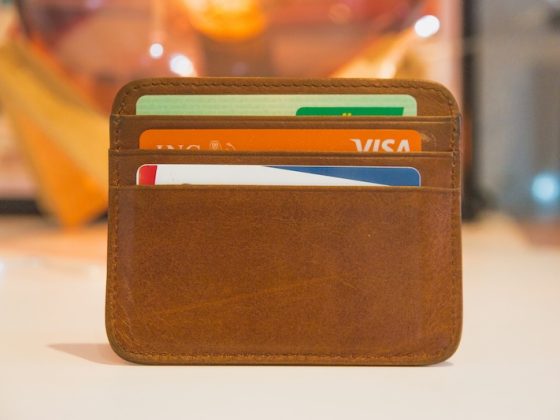
- Replacement debit and credit cards
- Insurance documents
- Investment statements
- Legal notices
- Tax forms
- Government correspondence
- Membership renewals
- Personal letters and packages
Knowing how you’ll receive this mail before relocating can help prevent delays if important documents are issued while you’re abroad.
How can you manage your mail while living overseas?
There isn’t one solution that works for everyone. Some expats ask trusted family members to receive mail on their behalf, while others choose mail forwarding or virtual mailbox services that allow them to manage correspondence remotely.
When comparing available options, it’s helpful to understand the differences between residential addresses, virtual mailboxes, and forwarding services. For expats who are deciding how to handle their correspondence while abroad, a great list of mail-forwarding services can make it easier to compare the features, costs, and limitations of different options.
What administrative mistakes do first-time expats often make?
Many common problems can be avoided with a little planning.
Frequent mistakes include:
- Forgetting to update contact information.
- Losing access to accounts because of authentication issues.
- Not planning how replacement bank cards will be delivered.
- Waiting until after relocation to organize important documents.
- Assuming every institution accepts an international mailing address.
- Missing important deadlines because correspondence wasn’t monitored.
Preparing these details before departure usually saves both time and stress.
A simple pre-departure checklist
Before leaving the United States, consider completing the following:
- □ Renew travel documents.
- □ Download copies of essential paperwork.
- □ Review your financial accounts.
- □ Update emergency contacts.
- □ Verify online account access.
- □ Organize medical records.
- □ Decide how important mail will be managed.
- □ Review recurring payments and subscriptions.
Completing these tasks before moving allows you to focus on settling into your new country instead of solving avoidable administrative issues.
Frequently asked questions
Do I need to keep a U.S. mailing address after moving abroad?
Not necessarily. Your needs depend on the organizations you work with and how often you receive physical mail. Many expats choose to maintain a reliable mailing solution for convenience.
Can I receive official documents while living overseas?
Yes. Many institutions can send documents internationally, while others continue using U.S. mailing addresses or forwarding services.
Is digital communication enough?
For many services it is, but some organizations still issue physical documents, replacement cards, or legal notices by mail.
What is the most important thing to prepare before moving?
Having organized documents, reliable access to financial accounts, and a clear plan for handling important correspondence can make living abroad much easier.
Final thoughts
Successful international moves depend as much on preparation as on choosing the right destination. Organizing your documents, maintaining secure access to important accounts, and planning how you’ll manage ongoing correspondence can reduce stress and help you stay connected to essential services while living abroad. Every expat’s situation is different, so reviewing your options before departure is one of the best investments you can make.
Contact Author
"*" indicates required fields
Stay Ahead on Every Adventure!
Stay updated with the World News on Escape Artist. Get all the travel news, international destinations, expat living, moving abroad, Lifestyle Tips, and digital nomad opportunities. Your next journey starts here—don’t miss a moment! Subscribe Now !
Moving abroad involves more than booking flights and finding a place to live. American expats often need to continue managing financial accounts, government paperwork, healthcare records, and personal documents long after leaving the United States. Preparing these practical details before departure can help avoid unnecessary complications later.
As of 2026, an estimated 9 million U.S. citizens live outside the United States. While every relocation is different, most expats face similar administrative responsibilities regardless of whether they’re moving for work, retirement, education, or family reasons.
What should you organize before leaving the U.S.?
If you'd like to read the full story, simply enter your email to subscribe to our newsletter.
For even more expert insights, unmissable resources, and exclusive invites, explore our premium subscription offers here.
OR
Already a Subscriber? Click here to login
Subscription required
You've reached your limit of free articles. For full access to Escape Artist, and all of our insights on travel, moving abroad, and the digital nomad life, click here to Subscribe.
Already a Subscriber? Log in here