Oklahoma often surprises first-time visitors. Many arrive expecting a simple stopover and leave talking about how comfortable their stay felt. From Tulsa to smaller towns near lakes and parks, the difference rarely comes from flashy design or high prices. Travelers often face the same problem after a night on the road: places that look good online but feel forgettable once you check out. The stays people remember tend to share one thing. They pay attention to small details that make guests feel at ease without trying too hard. Those details shape the entire experience, even when the trip itself is short.
A welcome that feels human
The first few minutes inside a hotel or lodge matter more than many owners realize. Guests often arrive tired, carrying bags, or distracted by plans. A simple, calm greeting can lower stress right away. Clear instructions, a friendly tone, and someone who looks up and smiles all signal that the guest matters. In many memorable stays, the front desk staff keeps things easy. They explain parking without rushing. They answer questions without sounding scripted. That brief interaction often sets the mood for the entire visit.
Service that pays attention
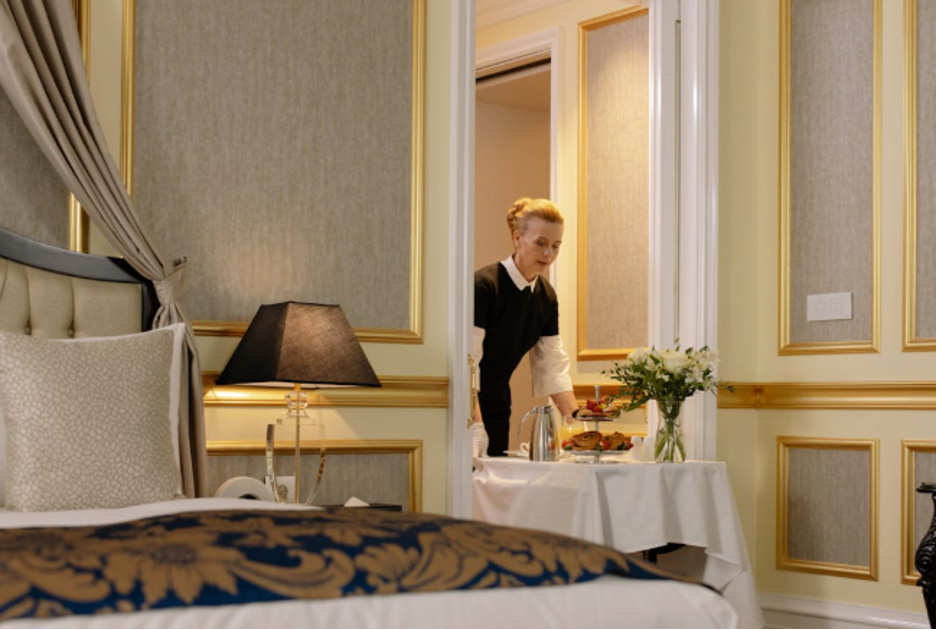
Good service often shows up in small moments rather than big gestures. Staff who remember a simple request or follow up on a minor issue leave a strong impression. This level of awareness does not happen by accident. It is shaped by training and real-world preparation, including principles taught in the Bachelor of Business Administration in Hospitality Management at Southeastern Oklahoma State University. The program focuses on practical leadership, communication, and day-to-day operations, helping students understand how service decisions affect real guests. Offered in a flexible online format and taught by the same faculty who teach on campus, the program reflects the university’s focus on applied learning and workforce readiness.
Guests may never think about where that training comes from, but they feel the result. When staff notice without hovering, the stay feels smooth, respectful, and well-managed.
Rooms designed for real life
A comfortable room is not about luxury. It is about whether the space works the way guests need it to. Travelers notice when there is enough light to read, outlets near the bed, and space to open a suitcase without blocking the walkway. These details save time and reduce frustration. Guests also notice when furniture placement feels natural instead of forced. A room that supports everyday habits makes people relax faster, which is often the main goal of travel.
Cleanliness you can trust
Cleanliness is expected, but trust is earned through consistency. Guests quickly notice when high-touch areas feel neglected, such as light switches, remotes, and bathroom counters. They also notice smells. A neutral, fresh scent tells guests that the room was prepared with care. When cleanliness feels reliable, guests stop worrying and focus on their stay. That peace of mind often becomes part of what they remember long after they leave.
Quiet spaces that allow rest
Many travelers judge a stay by how well they sleep. Noise from hallways, thin walls, or traffic can undo an otherwise pleasant experience. Places that manage sound well stand out. That includes soft-closing doors, thoughtful room placement, and clear quiet hours. Temperature control also plays a role. When guests can easily adjust the room to their comfort, they feel in control. Rest is not a bonus. For most travelers, it is the main reason they choose to stay the night.
Food service that respects the guest
Food options shape how guests start and end their day. Even simple offerings feel better when they are well organized and clearly labeled. Guests appreciate knowing when food is available and what to expect. Fresh items, clean serving areas, and steady restocking show care and planning. Long lines, empty trays, or unclear hours create stress, especially for travelers on tight schedules. A thoughtful food setup supports different routines, whether someone eats early, late, or on the go. Respecting the guest’s time often matters more than offering a large menu.

Handling problems with care
No stay goes perfectly every time. What guests remember is how issues are handled. Clear communication makes a big difference. When staff listen carefully, explain the situation, and offer a solution without delay, guests feel respected. Avoiding excuses and focusing on next steps builds trust. Even small problems, like a room change or maintenance issue, can leave a positive impression if resolved calmly. Guests value honesty and follow-through more than perfection. A quick response often prevents frustration from growing.
Ending the stay on a good note
The checkout experience shapes the final impression. Guests appreciate clear billing and a process that does not feel rushed. Confusing charges or slow systems can undo earlier positives. A simple question about how the stay went, without pressure, shows care. Friendly farewells matter, even when the stay was brief. Ending on a calm and respectful note helps guests leave with a positive feeling. That final moment often decides whether they recommend the place or return in the future.
Unforgettable stays rarely depend on big features or high prices. They depend on how well a place understands the guest’s daily needs. From working technology to quiet rooms and thoughtful service, small details shape how a stay feels from start to finish. Places that focus on comfort, clarity, and care stand out. When guests feel understood and supported, they remember the experience long after they check out.
Contact Author
"*" indicates required fields
Stay Ahead on Every Adventure!
Stay updated with the World News on Escape Artist. Get all the travel news, international destinations, expat living, moving abroad, Lifestyle Tips, and digital nomad opportunities. Your next journey starts here—don’t miss a moment! Subscribe Now !
Oklahoma often surprises first-time visitors. Many arrive expecting a simple stopover and leave talking about how comfortable their stay felt. From Tulsa to smaller towns near lakes and parks, the difference rarely comes from flashy design or high prices. Travelers often face the same problem after a night on the road: places that look good online but feel forgettable once you check out. The stays people remember tend to share one thing. They pay attention to small details that make guests feel at ease without trying too hard. Those details shape the entire experience, even when the trip itself is short.
A welcome that feels human
The first few minutes inside a hotel or lodge matter more than many owners realize. Guests often arrive tired, carrying bags, or distracted by plans. A simple, calm greeting can lower stress right away. Clear instructions, a friendly tone, and someone who looks up and smiles all signal that the guest matters. In many memorable stays, the front desk staff keeps things easy. They explain parking without rushing. They answer questions without sounding scripted. That brief interaction often sets the mood for the entire visit.
If you'd like to read the full story, simply enter your email to subscribe to our newsletter.
For even more expert insights, unmissable resources, and exclusive invites, explore our premium subscription offers here.
OR
Already a Subscriber? Click here to login
Subscription required
You've reached your limit of free articles. For full access to Escape Artist, and all of our insights on travel, moving abroad, and the digital nomad life, click here to Subscribe.
Already a Subscriber? Log in here