What these figures look like from the Dominican side, checked 11 September 2026. Every number in this guide is in US dollars. The wages here are in pesos, and putting the two next to each other is the part that actually tells you something.
- The legal minimum wage for the non-sectorised private sector, from 1 February 2026: RD$29,988.00 a month at a large company, RD$27,489.60 at a medium one, RD$18,421.20 at a small one and RD$16,993.20 at a micro business. These came from a 20 per cent rise agreed in February 2025 and paid in two steps.
- Convert those at today’s rate and set them beside the $700 to $1,500 rents quoted above. The gap is the whole story. These are expatriate prices in a country where the legal floor is a fraction of them.
- That is not an argument against going. It is the reason a dollar income goes far here. It is also why the $350 to $500 range mentioned for areas outside the centre is not the budget option, it is roughly where Dominicans on a decent wage actually live.
Minimum wage figures: Ministerio de Trabajo, announced 26 February 2025, second step effective 1 February 2026. The cost figures further down this page carry no source or date of their own.
Introduction
Thinking about relocating or spending extended time in the Dominican Republic? It literally pays to know what living there really costs. Being aware of the cost of living in the Dominican Republic means having an idea of what everything broadly costs, from rent and groceries to transport, healthcare, and utilities. A realistic budget helps you picture the life waiting for you, not just the idealized version.
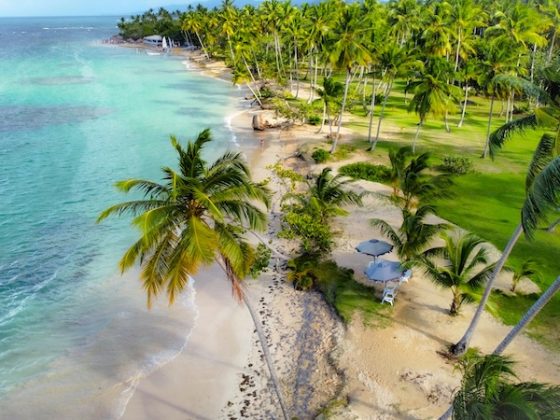
Because here, beauty does its best to take the lead. Sunlight falls differently on this island. Palm trees tilt toward the coastline as if drawn by the sound of the tide. On a weekday morning, markets open early. Vendors stack avocados in tall green pyramids and call out prices that might seem too low to be true. Colmados (the Dominican hybrid between a corner store and a neighborhood lifeline) send essentials straight to your doorstep, often cheaper than a supermarket run. But even paradise has a price structure. Life can feel easy, but costs shift if you want air-conditioned comfort all day, imported groceries every week or a beachside address designed for tourists.
This article blends recent pricing data with everyday realities to give you a clear picture of what a comfortable life might cost. What feels affordable, what pushes the budget, and where small lifestyle choices make all the difference. Consider it a map for both your calculator and your imagination.
Read More Like This: Dominican Republic
What Shapes the Cost of Living in the Dominican Republic
Cost in the Dominican Republic shifts a lot depending on how you live. A month in downtown Santo Domingo does not carry the same price tag as one in a small coastal town. Your budget gets written by numbers but also by choices you make.
- Location and neighbourhood: Where you choose to live shapes your entire budget. Dominican cities can feel like a collection of small worlds and each one has its own price tag. In central or upscale corners of Santo Domingo, rents rise with every convenience outside your door. Step a little farther from the main avenues or look beyond the capital and monthly costs soften noticeably. The map becomes a balance between access and affordability, and the sweet spot is often just one neighborhood away from the busiest streets.
- Type of housing and amenities: A simple flat with few extras will cost less than a modern condo with secure building, cooled air, or other perks. Features like air conditioning, elevators, security or proximity to major roads push up price.
- Lifestyle habits: How you eat, shop and spend free time makes a big difference. Buying groceries at local markets and cooking at home helps keep monthly costs low. Preferring imported goods, luxury groceries, frequent meals out or nightlife will raise expenses.
- Use of utilities and services: Electricity, water, internet and other utilities vary depending on use. Running air conditioning often will hike your bills. If you rely on modern conveniences and higher-end services, expect a bigger monthly load.
- Household size and dependents: More people living under the same roof means more food, water, electricity, maybe more space. Shared meals, local schools and economy of scale help but larger households still tend to cost more.
- Choices in healthcare, education and lifestyle upgrades: Using private health, international schools, imported goods or opting for premium lifestyle elements will push up your spending. If choices lean toward local, simpler solutions, costs stay more modest.
In short: location and housing choices set the base. Lifestyle, consumption habits and services define where on the spectrum you land. Live like many locals (simple apartment, home-cooked meals, modest services) and everyday living in the Dominican Republic can stay very manageable. Go for conveniences, imported comfort or tourist-style living and costs rise accordingly.
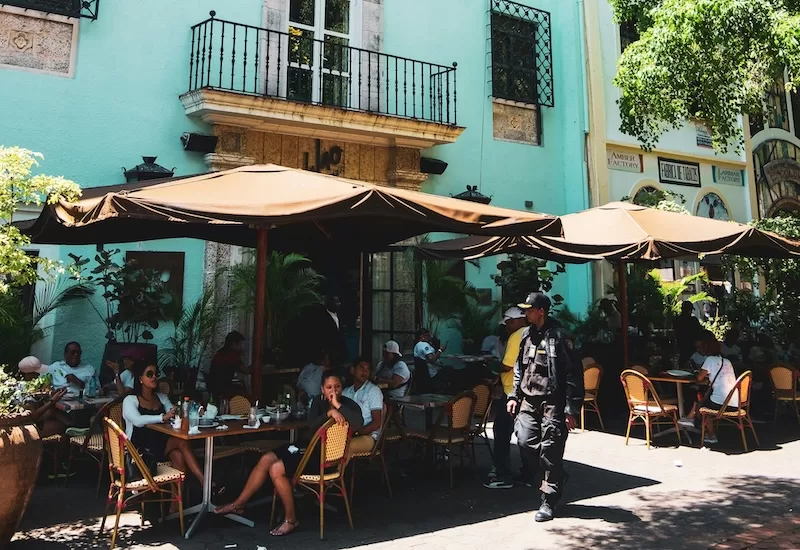
Typical Monthly Costs (2025 Estimates)
Big picture indicators:
- Compared with typical U.S. living expenses, everyday consumer prices in the Dominican Republic run significantly lower. The overall cost of living is estimated to be around 56.7% lower than in the United States.
- Rental housing (especially modest or mid-tier apartments) is estimated to be around 75% lower than in the United States.
- Because prices rise at a moderate pace, it’s sensible to build a small buffer (about 5–10% extra) into budgets for groceries, power bills, or unexpected expenses.
Directional monthly ranges (USD)
| Scenario | Without rent | Including rent (modest to mid-tier living) |
| Single person (living simply) | ~US $700–900 | ~US $1,100–1,500 (depending on apartment) |
| Single person (comfort-oriented) | — | ~US $1,500–2,200 (if choosing better neighbourhoods / amenities) |
| Couple or small family (basic/modest) | ~US $1,200–1,600 | ~US $1,900–2,500 (modest rent + living costs) |
| Family of four (balanced lifestyle) | ~US $1,900–2,500 | ~US $2,800–3,600 (with decent housing, groceries, modest extras) |
These ranges assume a modest-to-balanced lifestyle including groceries, utilities, and occasional dining out.
Why variations are wide
- City and neighbourhood: Living in central or expat-favoured zones costs more; rural areas or less touristy towns are cheaper.
- Housing type and amenities: Modern apartments with comfort features, or housing in high-demand areas, hike up rent.
- Food and lifestyle habits: Local markets and home cooking keep food costs down; imported goods, frequent dining out and luxury preferences inflate the budget.
- Use of utilities and extras: Heavy air-con use or reliance on imported comforts raises utility bills and overall spend.
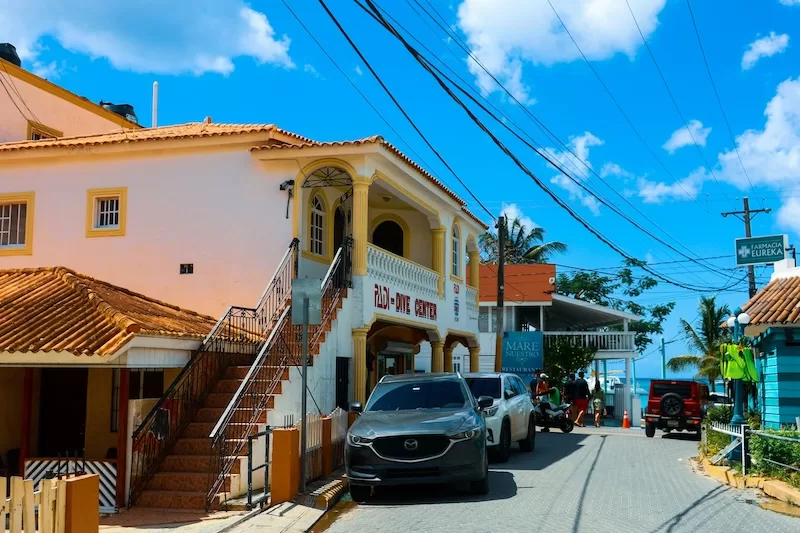
Breakdowns by Expense Category
Housing & Rent
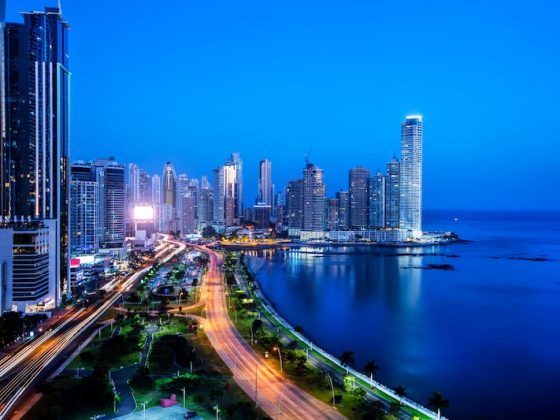
Housing in the Dominican Republic shifts with tiny details: see the ocean from your balcony and the price rises. Pick a local block where plantains and laundry lines are the landmarks and life costs much less. Santo Domingo’s towers rise over traffic below. Punta Cana trades concrete for palm trees and a resort premium. Smaller coastal towns often blend affordability with salty air. Your budget traces the distance from the beach and from tourist eyes.
- Santo Domingo:
Premium neighborhoods such as Piantini, Naco or Bella Vista often ask $700–1,500 for a modern one-bedroom, depending on building services and parking. Outside central areas, modest apartments start closer to $350–500. - Punta Cana:
Tourism keeps rents higher. Comfortable condos often land around $800–1,300. Resort-adjacent living takes budgeting into the $1,700+ conversation. - Smaller coastal or inland towns (Sosúa, Cabarete):
Local apartments can sit around $350–700, with more comfort near $900–1,200 if you want modern finishes and reliable water and power.
Save vs Splurge
Save by living a few streets back from the beach or beyond the most recognizable expat enclaves. Splurge if waking up to the ocean is non-negotiable.
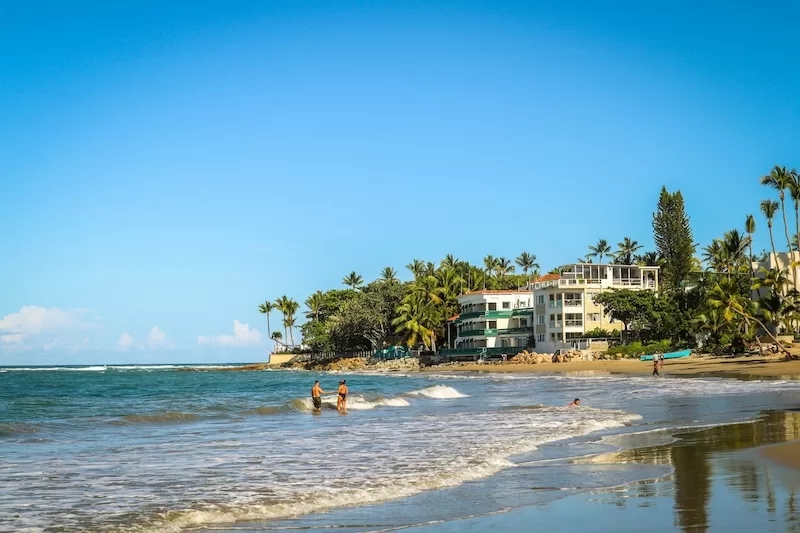
Utilities & Internet
Heat is constant across most of the country. Cooling takes the place of heating and often becomes the highest utility expense. Switching off AC when breezes flow through the windows keeps the electricity bill friendly.
- Electricity:
Moderate usage often costs $40–100 monthly in a one-bedroom. Heavy AC use raises the total quickly. - Water and trash:
Usually included in rent or inexpensive when itemized. Small line item, rarely a worry. - Internet:
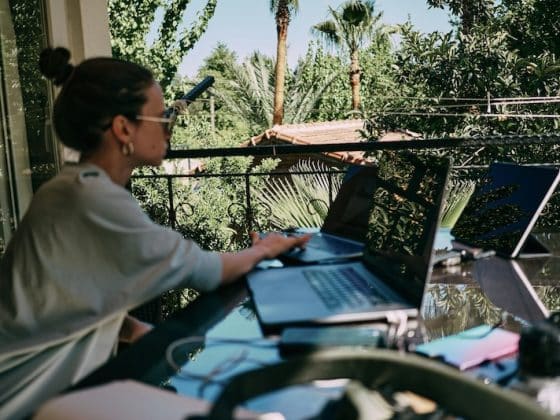
Internet in the Dominican Republic is affordable and often reliable, good news if you depend on a stable connection for work, streaming or staying in touch. Fixed broadband plans run around US $38–39 per month for unlimited service. Many larger towns and tourist areas offer fiber-optic or cable connections through providers such as Claro, Altice or WIND Telecom. Typical download speeds for fixed broadband are often around 30–35 Mbps, enough for video calls, remote work or streaming. For mobile or flexible internet, prepaid SIM cards and mobile data plans remain a solid fallback, especially useful if you move between towns or stay outside main cities. That said, coverage can vary. Big cities and tourist or expat-heavy zones tend to have the best service. Rural areas or remote towns sometimes struggle with slower speeds or interruptions.
Save vs Splurge
Save by taking advantage of the trade winds and a fan most days. Splurge if comfort means crisp AC in the afternoon and lightning-fast Wi-Fi.
Food & Groceries
Every neighborhood has a colmado that never sleeps. Inside: crates of ripe bananas, rice sacks stacked tall, cold sodas clinking. Street corners smell of empanadas fresh from hot oil. Local markets keep meals affordable and full of flavor.
- Groceries:
If you rely mostly on local produce, shop at markets or colmados, and cook at home (avoiding imported foods) a basic grocery budget of around US $150–250 per month per person is realistically possible. Add imported goods or frequent eating out and expect the cost to rise. - Eating out:
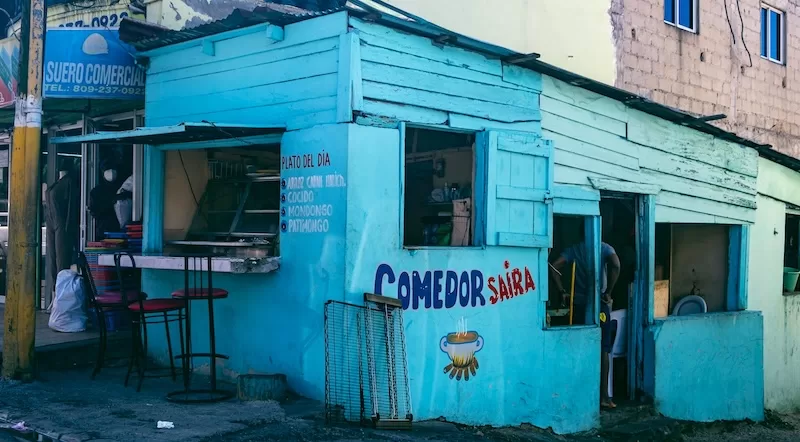
Cafeterias and comedores feed you well for $4–8 per plate. A casual restaurant sits around $12–25 per person. Date night at a fancier spot could be $30–60+.
Save vs Splurge
Save by buying local fruit and fresh seafood straight from the morning catch. Splurge on an oceanside dinner that turns a regular day into a core memory.
Transportation
Transportation in the Dominican Republic adapts to the landscape. In Santo Domingo, buses and shared vans weave through the city all day, and motoconchos buzz past traffic with the confidence of those who know every shortcut. It’s a system built for affordability, especially if you stick to the common routes.
In coastal towns, the pace changes. A scooter or even a golf cart becomes a second pair of legs, turning errands into breezy rides along palm-lined streets. Taxis and rideshares exist too, though using them daily will nudge your budget higher. Some expats choose the freedom of a car for weekend trips or surf-break mornings, but that brings new line items: insurance, fuel, and the occasional battle with parking.
Expect transport to stay a modest part of monthly spending unless driving long distances often.
Save vs Splurge
Save by letting buses, motoconchos and walkable town centers handle the commute. Splurge on car freedom if surf breaks or countryside trips call your name.
Healthcare & Insurance
Healthcare in the Dominican Republic blends accessible public services with a strong network of private hospitals, especially in major cities and expat hubs. Public facilities provide low-cost care and are part of everyday life for many residents, though wait times and resources can feel stretched. For anything urgent or specialized, most people turn to private clinics and hospitals, where service is faster, equipment is more modern, and English-speaking staff are easier to find.
In Santo Domingo, well-known private providers like Hospital General de la Plaza de la Salud anchor the capital’s medical landscape, while Hospital Metropolitano de Santiago (HOMS) offers major regional care in the north. Coastal expat areas also feature private clinics that cater to international patients. To navigate the system confidently, many foreign residents carry local or international private insurance, ensuring quick access and more comfort when health needs arise.
With the right mix of coverage and informed choices, medical care in the Dominican Republic stays reliable and affordable compared with many Western countries.
Save vs Splurge
Save by choosing reputable local clinics for routine care. Splurge on private coverage for comfort, convenience and peace of mind.
Leisure, Lifestyle & Extras
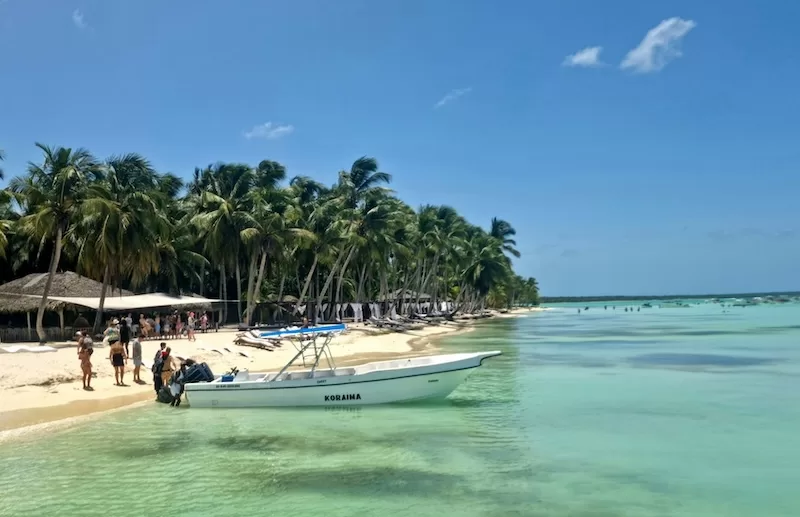
Leisure in the Dominican Republic is often a breeze, literally. The Caribbean makes relaxation the default setting. A morning walk on a sandy beach or a sunset swim costs nothing beyond sunscreen and your flip-flops. But when you want a night out, the budget remains friendly. A movie at a mainstream theatre often costs around US $5–6 for a ticket. Gyms range from budget neighborhood spots to full-service clubs; some allow daily entry for roughly US $20, letting you stay fit without committing to expensive memberships. When night falls and you mix cocktails or dinner with friends, the tab stays modest compared to many Western cities.
Save vs Splurge
Save by walking the shore at sunset and joining community festivals that fill plazas with music. Splurge on live shows, day trips or resort passes that feel like mini vacations.
Education & Childcare
Families find diverse schooling landscapes. Public schools keep costs down and immersion high. Private and international programs open bilingual pathways but increase budgets. Tuition varies widely depending on school type and location.

- Public schools: minimal direct fees.
- International programs: higher cost for curriculum and language continuity.
Save vs Splurge
Save by embracing the local classroom experience and quicker language learning. Splurge if international accreditation or cultural continuity matters most for children.
Sample Monthly Budgets in the Dominican Republic
| Category | Santo Domingo (Capital City) | Punta Cana (Tourist/Resort Zone) | Smaller Coastal or Inland Towns (Sosúa, Cabarete) |
| Housing, 1–2 bed apt | $300–1,500 depending on area and amenities | $800–1,500+ resort influence | $350–1,200 based on location/condition |
| Utilities (electricity, water, internet) | $60–120 typical use | $70–140 higher AC usage | $50–100 more natural ventilation |
| Groceries and home supplies | $150–350 depending on imports | $200–400 resort pricing | $150–300 strong local markets |
| Dining out and cafés | $120–260 depending on frequency | $160–300 higher restaurant markup | $100–200 casual and inexpensive |
| Transportation | $30–120 bus + occasional rideshare | $40–150 more reliance on taxis | $20–80 walkable or scooter-friendly |
| Healthcare / medical | $40–150 local clinics or private plan top-ups | $50–180 expat-oriented private services | $30–100 more local options |
| Leisure, fitness and entertainment | $60–140 gyms + cinemas + bars | $90–170 nightlife premium | $50–100 many low-cost outdoor activities |
| Miscellaneous / personal items | $60–120 | $70–140 | $50–100 |
| Estimated monthly total (single) | $1,350–1,800 | $1,600–2,200 | $1,100–1,500 |
| Estimated monthly total (couple) | $2,200–2,800 | $2,500–3,200 | $2,000–2,600 |
Rationale for Ranges
- Rent varies most, shifting with neighborhood appeal, distance from coast, modern amenities and generator access.
- Utilities reflect living in a warm climate, where cooling replaces heating and bills move with AC habits.
- Grocery and dining estimates assume a balance of local goods and occasional imports.
- Transportation depends on walking, public transit use or reliance on taxis and personal vehicles.
- Inflation has been manageable, but electricity and fuel can swing seasonally, so a small buffer remains a smart move.
Quick Takeaways
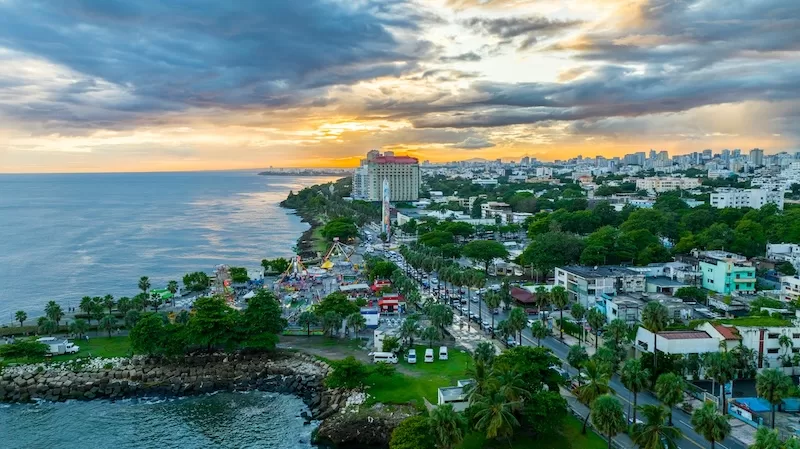
Santo Domingo
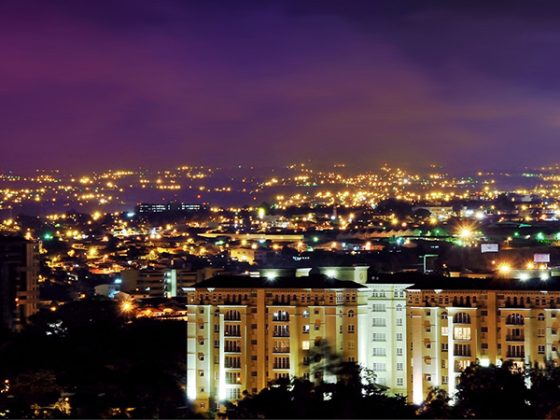
A capital with drive and layers. Piantini and Naco offer polished condos, rooftop lounges, and short walks to shopping plazas. Traffic can test patience, but everything is at your fingertips: international schools, private clinics, cinemas, and cafés where laptops stay open long after lunch. It costs more, yet the energy reminds you why many stay rooted here.
Punta Cana
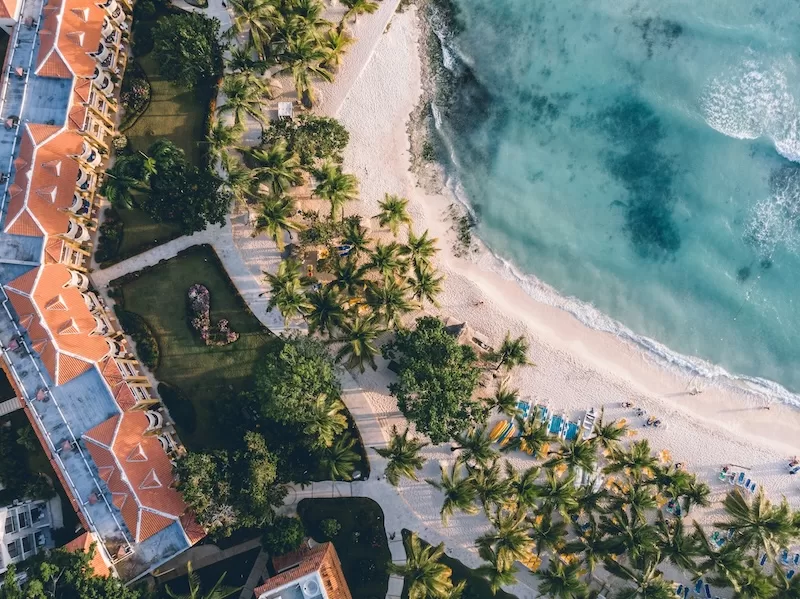
Built for sunshine and smooth days. Beach clubs, gated communities, expat conveniences, and weekend boat trips come standard. Prices rise with the resort lifestyle, and eating out can feel like vacation spending any day of the week. It suits those who want palm trees for neighbors and tourist-friendly comfort over big-city buzz.
Sosúa & Cabarete
North coast towns shaped by surf culture and open-air living. Grocery runs are quick and casual. Gyms, yoga studios, and kiteboarding spots become part of the weekly rhythm. Rentals tend to be friendlier on the wallet than Punta Cana, especially a few streets back from the sand. Life feels social, outdoorsy, and a little bohemian.
Las Terrenas
A French-influenced coastal community with bakeries that smell like Paris and seafood that came off the boat an hour ago. More upscale than other north-coast towns, with boutique gyms and beachside dining that tempt regular splurges. Still, costs stay gentler than fully resort-driven zones.
Smaller Inland Towns
Where daily life follows the sun instead of the clock. Market baskets fill for pocket change. Rent lets the budget breathe. If beaches are weekend treats rather than daily scenery, these places offer some of the most affordable and grounded living in the country.
Budget Tip: sea breeze can replace air conditioning most months. The simple act of opening windows keeps electricity bills calmer and makes island life feel like it should.
Cutting Costs in the Dominican Republic
- Look one barrio over from the tourist/expat hotspots
Moving a few blocks inland or away from the coast can make a big difference in rent and living costs. Apartments in high-tourist zones or resort-adjacent parts of cities like Punta Cana or central Santo Domingo come at a premium. Look in local-neighborhood districts or smaller towns and you’ll often find well-kept apartments at a fraction of the price. - Buy where Dominicans shop
Skip big supermarkets with imported goods. Local markets, colmados, and roadside fruit stalls tend to offer staples (rice, plantains, local produce, fish) at prices far lower than imported-goods aisles. Shopping there, especially early in the morning, stretches your food budget without sacrificing freshness. - Let the breeze and rhythm replace constant air-conditioning
Cool evening breezes, ceiling fans, open windows… they’re not just tropical aesthetics, they’re savings. Running AC all day turns modest utility bills into heavy ones. If you lean on natural airflow and use AC sparingly, monthly electric bills stay manageable. Locals often live this way and it works. - Ride local: guaguas, motoconchos, shared transport over taxis or cars
The cheapest rides don’t come in sleek packages. Public minibuses (guaguas), shared vans, motoconchos offer affordable mobility. Short trips often cost the equivalent of a few dollars. Use public/shared transport for everyday movement instead of relying on private cars, and you’ll keep transport costs low. - Negotiate longer-term leases or outside tourist-zone contracts
Landlords often value stable tenants. Offering a longer lease or paying a few months upfront can make them more open to lowering rent or including basic services. Deals often exist if you look beyond glossy, tourist-facing listings. - Check what’s included in your rent: utilities, water, water jugs, or extras
Many places bundle water supply (or water jugs) and basic services; some don’t. Confirm what’s included before signing. Water for drinking usually comes in jugs that households buy regularly. Factor that in. - Eat local, cook often, mix in occasional treats
Local eateries (comedores) and homemade meals keep food budgets low. Dining out at mid-range spots or enjoying seafood or imported groceries should be occasional treats, not daily habits if you’re budget-conscious. - Buy produce by the bag, not the piece
Markets often sell fruits and vegetables by the bundle. Five limes cost what one imported apple does. Go tropical and ride the season. - Drink what the island makes
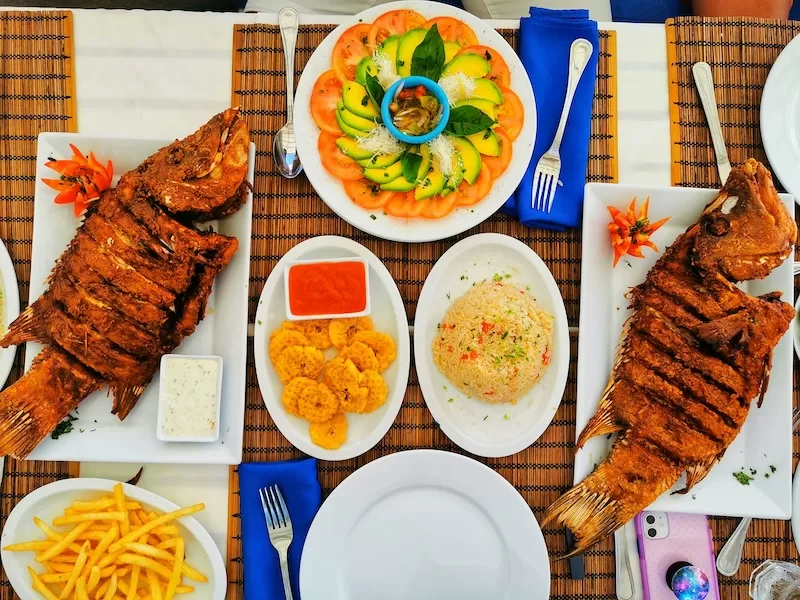
Imported wine and liquor get pricey. Rum is affordable and exceptional. Fresh juices (chinola, piña, tamarindo) come cheap. Your wallet will taste the difference. - Pick up fresh fish at port towns
Ask locals when the boats arrive. Fishermen often sell catch-of-the-day cheaper than any supermarket. Also: incredibly fresh.
- Balance public and private healthcare smartly
Public clinics handle many routine healthcare needs at low cost. For more comfort or speed, use private clinics but weigh the cost. Basic insurance or pay-as-you-go visits are often sufficient unless you want top-tier service. - Lean into local customs, not imported habits
Use less air-conditioning, hang clothes to dry in sun or breeze, carry reusable bags, buy local produce. Live like locals do. That humility translates into serious savings over time. - Build in a small buffer for unexpected spikes (utilities, transport, imports)
Tropical storms, fuel price changes, seasonal holidays… things can bump up costs temporarily. Having a 10–15% buffer in your monthly budget keeps surprises manageable.
Read More Like This: Ecotourism on a Budget: The Dominican Republic
FAQs
Q1. How much does it cost to live in the DR for a single person?
In a city like Santo Domingo or a resort area like Punta Cana, expect roughly $1,300–1,800 per month including modest rent. In smaller towns or non-tourist coastal zones, costs drop and you could aim for about $1,100–1,500 monthly with a simple lifestyle.

Q2. What is typical rent for a one-bedroom apartment in major cities?
In Santo Domingo, a one-bedroom in a non-central area typically falls around $300–500 per month. In desirable neighborhoods or newer buildings with amenities, rent usually ranges from $700–1,500 depending on location and services.
Q3. Are utilities expensive?
Cost fluctuates with usage. If you rely heavily on air-conditioning, electricity bills can rise. For moderate use (fan, occasional AC, basic water/internet) expect maybe $60–120/month.
Q4. How does cost of living in the DR compare to the U.S. or Western Europe?
Overall everyday expenses (groceries, public transport, local services) tend to run lower than many U.S. or European cities. Housing and food are often cheaper. Imported goods or luxury items bring you closer to international price levels.
Q5. Can I live in the DR on $1,200 per month?
Yes, if you choose modest living: modest rent outside prime zones, local groceries, minimal extras. Life will be simple but sustainable. Living centrally or in resort-areas on that budget would be tough.
Q6. Is healthcare affordable and reliable?
Basic healthcare, public clinics and local services tend to be affordable. Private clinics or private-insurance add convenience; cost stays generally lower than similar care in high-income countries.
Q7. How much does it cost to eat out?
A meal at a local diner or comedor might cost $4–8. A moderately nice restaurant dinner per person often runs $12–25, depending on setting and food choices.
Q8. Which cities or areas are easier on the wallet?
Smaller coastal towns or non-tourist inland communities tend to offer the most affordable living. Resort zones and major cities are pricier.
Q9. How reliable is internet and basic connectivity?
Internet in the Dominican Republic is generally affordable and functional, especially in urban centers, coastal towns, or popular expat zones. Major providers offer fiber-optic or cable broadband, often around US $38–40/month, delivering enough speed for streaming, remote work, or video calls. In many cities and resort areas, connections hold up well. However, service quality and availability vary: rural or less-developed zones may still rely on slower DSL or mobile data, and outages or slower speeds can happen. If you plan to work remotely or need stable internet, it is worth verifying the exact connection type (fiber or cable) and the local provider’s reliability before committing.
Smart Budget, Island Life Made Possible
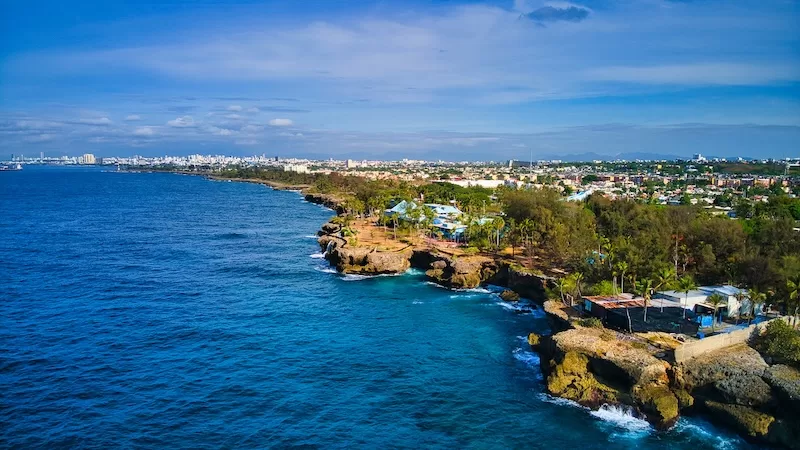
In the Dominican Republic, the tradeoff feels simple. Live near the coastline or in upscale capital districts and you pay for the view, the convenience, the polished touches. Live a little inland or in smaller coastal towns and money stretches in a way that gives space to breathe. The numbers turn into real experiences: a colmado owner who greets you like a friend, ocean breezes drifting through open windows, weekend afternoons that wander into music and conversation on the malecón.
If a move is on your horizon, take the time to explore. Compare neighborhoods, ask what utilities include, look at listings at different distances from the beach, and sample the way each area lives after sunset. Smart choices make the Dominican Republic feel both comfortable and realistic in the budget column. Stay curious and flexible, and the island makes room for you. Chase only the comforts you truly care about, and life opens up in surprising ways.
Want regular insights like this? Subscribe to our newsletter for cost updates, expat guides, and on-the-ground advice.
Contact Author
"*" indicates required fields
Stay Ahead on Every Adventure!
Stay updated with the World News on Escape Artist. Get all the travel news, international destinations, expat living, moving abroad, Lifestyle Tips, and digital nomad opportunities. Your next journey starts here—don’t miss a moment! Subscribe Now !
What these figures look like from the Dominican side, checked 11 September 2026. Every number in this guide is in US dollars. The wages here are in pesos, and putting the two next to each other is the part that actually tells you something.
- The legal minimum wage for the non-sectorised private sector, from 1 February 2026: RD$29,988.00 a month at a large company, RD$27,489.60 at a medium one, RD$18,421.20 at a small one and RD$16,993.20 at a micro business. These came from a 20 per cent rise agreed in February 2025 and paid in two steps.
- Convert those at today’s rate and set them beside the $700 to $1,500 rents quoted above. The gap is the whole story. These are expatriate prices in a country where the legal floor is a fraction of them.
- That is not an argument against going. It is the reason a dollar income goes far here. It is also why the $350 to $500 range mentioned for areas outside the centre is not the budget option, it is roughly where Dominicans on a decent wage actually live.
Minimum wage figures: Ministerio de Trabajo, announced 26 February 2025, second step effective 1 February 2026. The cost figures further down this page carry no source or date of their own.
If you'd like to read the full story, simply enter your email to subscribe to our newsletter.
For even more expert insights, unmissable resources, and exclusive invites, explore our premium subscription offers here.
OR
Already a Subscriber? Click here to login
Subscription required
You've reached your limit of free articles. For full access to Escape Artist, and all of our insights on travel, moving abroad, and the digital nomad life, click here to Subscribe.
Already a Subscriber? Log in here