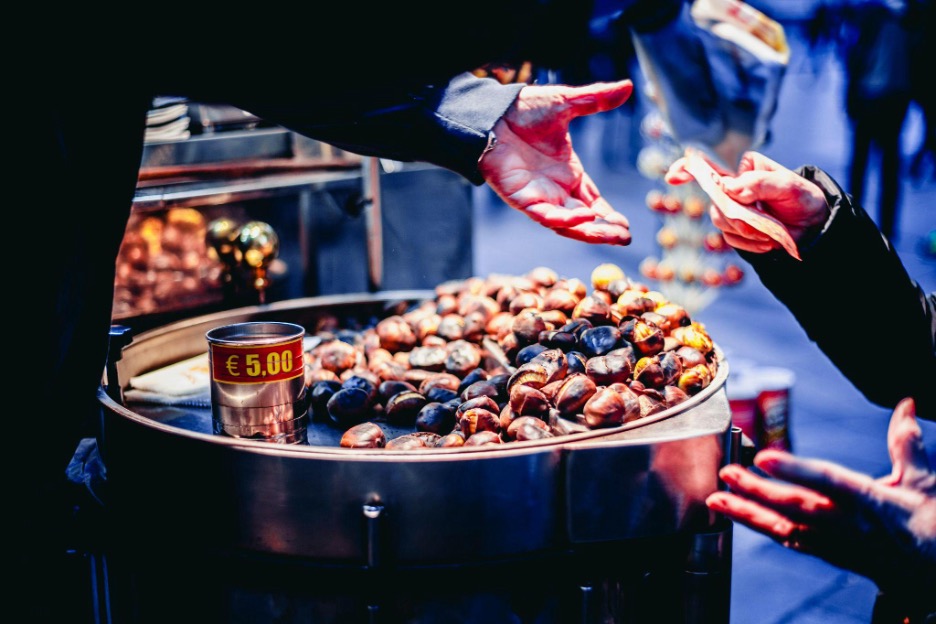
Street food is the heartbeat of a destination. It’s the spiced steam rising from a wok in Bangkok at midnight, the grilled meats sizzling under lantern light in Marrakech, the sweet doughnuts passed from hand to hand in a Spaniard’s fiesta.
Street food gets under your skin in ways that restaurant dining never does — and sometimes under your skin in ways you’d rather avoid.
The world’s best bites often come from tucked-away carts, market stalls, and alleyway grills that locals swear by. But there’s a flip side: the same food that tastes like travel’s greatest gift can also be the trigger for cramps, bloating, or unwelcome evenings hugging a bathroom floor. That’s where a little knowledge — and smart attention to your gut — comes in handy.
As Enclave says, “true wellness starts with a balanced microbiome,” helping your body manage the unexpected twists and turns of real-world eating. And that balance matters more than most travelers realize. Your microbiome does more than digest food. It supports immune resilience, influences inflammation, and even plays a role in mood regulation. When your gut is steady, you feel clearer, lighter, more energized. When it’s off, everything can feel off — from digestion to mental sharpness.
Travel amplifies that effect. New spices, unfamiliar bacteria, different water sources, disrupted sleep, dehydration, and long transit days all test your internal ecosystem. If you uphold your microbiome — through hydration, fiber, mindful food choices, and consistent gut support — street food becomes an adventure instead of a gamble. Your body adapts faster. Your mood stays level. Your energy holds.
Because street food is fun — and funny. It’s where culinary daring meets cultural tradition, and where your stomach’s tolerance can become as much of a souvenir as the food itself. The difference between a great food memory and a regrettable one often comes down to how prepared your gut was for the journey.
Asia: Bubble Tea, Bugs, and Bun Cha
Asia is street food central — and for good reason. From the slurpy charcoal bowls of ramen in Japan to fiery curries in India, to the sweet decadence of Malaysian desserts, it’s a buffet of the unexpected.
In India, panipuri — crisp hollow spheres filled with spicy water and chutneys — is fun to eat but a stomach challenge if you’re not used to the spices or the water used to make it. In Thailand, the vibrant street noodle stalls in Bangkok tease you with pad Thai and boat noodles at all hours, but ice in fresh fruit juices may carry bacteria your body hasn’t met before.
In Japan, yatai cart classics like piping hot yakitori or steaming bowls of ramen are safe bets — they’re cooked at high temperature right before your eyes.
The lesson? Hot, fresh, and fast often equals safer — and always pair those stands with hydration. Never underestimate the restorative power of a cold bottle of clean water after a fiery serving of Malaysian laksa or a chili-spiked plate of Sichuan street dumplings.
Africa: Sweet Treats and Unexpected Textures
Head across the Red Sea and you encounter flavors some travelers adore and some they question fondly.
In Ghana, ice kenkey — a chilled street dessert blending fermented corn dough with water, milk or groundnuts, and ice — is delightfully cool on a hot day, but its manual preparation means your gut needs to be on alert for unfamiliar microbes.
In Morocco, sweet mint tea poured beside grilled meat skewers gives you a chance to sip slowly, rest your legs, and let your digestive system digest both food and culture. Keep up your fluids here: that mint tea isn’t just refreshing — the ritual of sipping it matters as much as the flavor.
Europe: From Gelato to Ferments
Europe brings its own street food quirks. In Istanbul and along the Mediterranean, stuffed mussels (midye dolma) are a salty, rich snack perched at seaside stands — delicious but potentially heavy on unfamiliar fats and spices, so pace yourself.
In Scandinavia, the Disgusting Food Museum in Malmö celebrates edgy food culture with exhibits like fermented herring that might turn your stomach before you try it yourself. It’s a reminder that food that everyone else loves might not always love you back.
Europe’s gelato, crêpes, and street pretzels are lighter bets, but even a scoop at midday under a warm sun means bringing a water bottle and pacing sweet with salty snacks.
Latin America: Sweet, Savory, and All In Between
Latin America is a carnival for the palate and a test of intestinal fortitude. Mexican streets brim with tacos al pastor sizzling off vertical spits, but watch out for salsas made with water or uncooked veggies — your gut may not love them.
El Salvador’s pupusas and Argentina’s empanadas are cooked to order and a little easier on an unsure stomach — yet you’ll still want hydration between bites of chimichurri and spicy sauces.
In Peru, adventurous eaters chase anticuchos — skewers of marinated meat grilled over coals — and ceviche made fresh with citrus. Ceviche’s raw fish is a cultural delight, but when you add raw seafood to new microbes, that’s a time to slow down, drink water, and let your stomach adjust.
Oceania: Sweet Breads and Savory Sides
In Australia and New Zealand, street food is a mash-up of global favorites and local twists. Think gourmet meat pies, flaky pastries, and fresh fish ’n’ chips by the harbor. These are generally gentle introductions for most travelers’ digestive systems — but keep water at hand, especially under warm sun at outdoor markets.
Street Food Mistakes You’ll Laugh (or Cry) About
Everyone makes these mistakes at least once:
- Dehydration duels — Spicy chilis + sun + beer = a rapid march toward regret unless you intersperse with plain water.
- Raw-veggie gamble — In places where water quality is variable, unpeeled fruits and leafy salads are sometimes the culprits behind traveler’s tummy woes.
- Traveler’s timing — Eating late at night without staying hydrated or pacing your plates can turn a fun memory into a fog of discomfort.
The smart rule of thumb is simple: if you’re eating something wild, pair it with something familiar and keep your water bottle full. Hydration isn’t just a cliché on tropical beaches — it’s a travel essential when your stomach is doing the tango with unfamiliar spices, bacteria, and cooking methods.
Your Gut: The Ultimate Travel Companion
Your gut is both a translator and negotiator in your body — especially when street food is involved. Beneficial bacteria in your digestive tract help break down food, support immunity, and keep everything moving smoothly. When you introduce foreign foods, new bacteria populations, and unfamiliar oils and spices, your digestive system goes to work deciphering it all.
Staying hydrated is paramount because water helps digestion, supports nutrient absorption, and keeps the intestinal lining functioning efficiently. Slow sipping your way through a day of street markets — from hot chilies in Mexico City to sweet churros in Madrid — keeps your system from “overheating” and lets your microbiome adapt at its own pace.
Wise Bites Around the Globe
Here’s a quick, cheeky street-food checklist for the smart traveler:
- Asia: Go for cooked items with visible heat sources, like grilled meats and soups.
- Africa: Sample fermented desserts in moderation; hydrate between bites.
- Europe: Balance bold flavors with hydration and lighter fare.
- Latin America: Start with simple grilled proteins before diving into raw or pickled offerings.
- Oceania: Enjoy baked goods and fish, but keep water flowing under the sun.
Street food is a joy — a sensory passport to culture, people, and place. It’s also a fun test of your body’s resilience and adaptability. With a sense of humor, a bottle of water, and a touch of curiosity about how your gut reacts, you’ll collect memories that are rich, bold, and digestible too.
Contact Author
"*" indicates required fields
Stay Ahead on Every Adventure!
Stay updated with the World News on Escape Artist. Get all the travel news, international destinations, expat living, moving abroad, Lifestyle Tips, and digital nomad opportunities. Your next journey starts here—don’t miss a moment! Subscribe Now!


