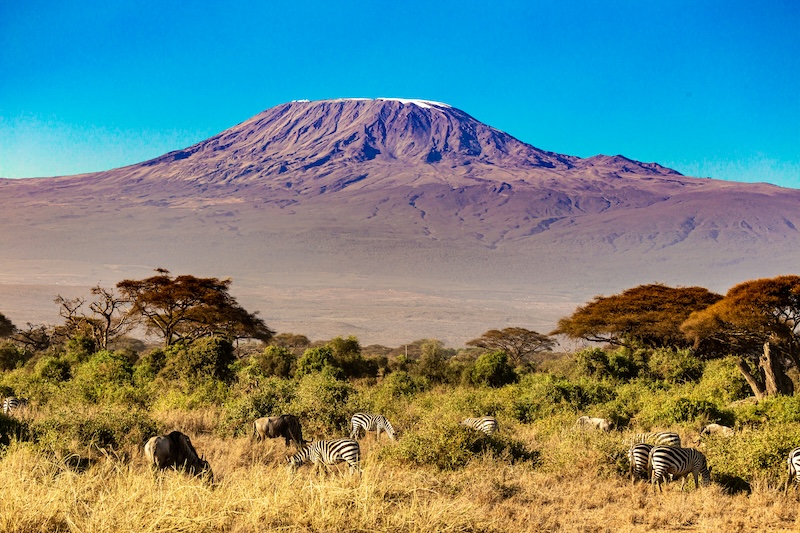
Mount Kilimanjaro, standing majestic at 5,895 meters, is a treasure trove of natural beauty and a challenge that beckons climbers from across the globe. The allure of this iconic peak is undeniable, from its stunning landscapes to the diverse ecosystems you traverse on your ascent. However, to fully appreciate this incredible journey, meticulous planning and expert guidance are essential. Here, we’ll explore the critical aspects of preparing for your trek, ensuring your experience is not only memorable but also safe and enjoyable.
Understanding the Routes
Kilimanjaro boasts several established routes, each with unique characteristics, landscapes, and challenges. The most popular routes include Machame, Lemosho, Marangu, and Rongai.
- Machame Route: Often referred to as the “Whiskey Route,” Machame is known for its scenic beauty and varying terrain. It’s a popular choice for seasoned climbers who enjoy camping along the way.
- Lemosho Route: This route is favoured for its less crowded paths and stunning views, perfect for those who want solitude amid the beauty of Kilimanjaro.
- Marangu Route: Sometimes called the “Coca-Cola Route,” this is the only option offering hut accommodation. While it is the easiest route, it also has the highest failure rate, emphasizing the necessity of acclimatisation.
- Rongai Route: Starting from the northern side, this route is less frequented, making it ideal for those looking for peace during their climb.
Choosing the right route often depends on your fitness level, experience, and personal preferences. Engaging with experts can help clarify these options and guide you toward a choice that suits your needs.
The Importance of Expert Guidance
Planning a Kilimanjaro trek without proper guidance can be overwhelming. This is where partnering with a reliable tour operator becomes crucial. Experts in the field provide knowledge that not only enhances your trekking experience but also ensures your safety.
A reputable operator will offer safe and professional climbing experiences, featuring knowledgeable guides who are adept at navigating the terrain and managing potential risks. For instance, they will help monitor your acclimatisation, prepare you for the climate, and ensure that you have the necessary gear. Furthermore, they can provide additional support through porters who carry most of your equipment, allowing you to focus on the experience itself.
One such resource for expert guidance is Mauly Tours. They offer an array of services geared towards making your Kilimanjaro experience enjoyable and safe, ensuring you can fully appreciate every moment of your ascent without unnecessary worries.
Preparing Physically and Mentally
Physical preparation is arguably the most significant aspect of your journey. Climbing Kilimanjaro requires a level of fitness that may surprise some trekkers. Here are a few activities that can help get you ready:
- Cardio Workouts: Incorporate aerobic exercises like running, cycling, or swimming into your routine. These will enhance your cardiovascular fitness, crucial for high-altitude trekking.
- Strength Training: Focus on your legs, core, and back with exercises such as squats, lunges, deadlifts, and planks. A strong core will help with balance and stability.
- Hiking Practice: If possible, practice on hikes that mimic the altitude and terrain of Kilimanjaro. Spend time on uneven ground with a weighted backpack to simulate your experience on the mountain.
Mental preparation is equally vital. Climbing Kilimanjaro isn’t just a physical challenge; it’s a mental journey that tests your resilience. Developing a positive mindset can help you face the inevitable challenges you’ll encounter. Techniques like meditation or visualization can help prepare you mentally for the trek ahead.
Understanding Altitude Sickness
One of the most significant challenges facing trekkers is altitude sickness. As you ascend, the air pressure decreases, leading to a lower oxygen level, which can induce symptoms ranging from mild headaches to severe nausea.
Here are some tips to minimise the risk:
- Ascend Gradually: Always adhere to the “climb high, sleep low” principle. Gradual ascent will allow your body to adapt to changing altitudes.
- Drink Plenty of Water: Staying hydrated is essential for combating altitude sickness. Aim for 3-4 litres of water daily.
- Recognise Symptoms: Be aware of the symptoms of altitude sickness and communicate openly with your guides. Early detection can prevent serious complications.
Packing Wisely
The packing list for Kilimanjaro often balances essentials with the need to travel light. Key items to include are:
- Layered Clothing: The weather can change dramatically; layers help you adapt.
- Quality Hiking Boots: Invest in sturdy, well-fitted boots and break them in before your trip.
- Sleeping Bag: A well-rated sleeping bag is crucial for comfort during cooler nights.
- Water Bottles: Hydration is key; insulated bottles can help keep your water from freezing.
Remember, you will carry your own daypack, so pack light yet efficiently, taking only what you need.
Final Thoughts
Climbing Mount Kilimanjaro is a journey of a lifetime—a blending of adventure, culture, and personal challenge. Through careful planning and collaboration with expert guides, you can ensure that your trek is not just an ascent, but a holistic experience that you will cherish.
Whether you’re drawn by the allure of reaching the summit or the beauty of the diverse landscapes, the key to enjoying this incredible mountain lies in preparation and the wisdom of the experts guiding you. Take the leap, take a deep breath, and embark on this unforgettable journey with assurance.
Contact Author
"*" indicates required fields
Stay Ahead on Every Adventure!
Stay updated with the World News on Escape Artist. Get all the travel news, international destinations, expat living, moving abroad, Lifestyle Tips, and digital nomad opportunities. Your next journey starts here—don’t miss a moment! Subscribe Now!


