If you time it right, Old Town Alexandria gives you everything in one sweep: brick sidewalks still slick from morning rain, river air cutting clean across the Potomac, and by afternoon, a surprising warmth that invites you to shed a layer and keep walking.
Weather here has a mood swing personality. One day can open with gray skies and freezing drizzle, then pivot into sun and 70-degree optimism before the week is out. That variability isn’t a nuisance. It’s part of the experience. Alexandria rewards walkers, and shifting skies make the light bounce differently off every cobblestone and Federal façade.
Set just south of Washington, DC, Alexandria feels independent from the capital’s monument-heavy energy. It moves slower. It leans into its history without turning into a costume drama. And in Old Town, the past isn’t staged, it’s structural.
A Grid with Backbone
Old Town is built on a precise 18th-century grid. Streets run straight toward the river as if they have something to prove. King Street is the spine, sloping gently downhill until it spills you onto the waterfront. Walk it once for orientation. Walk it again for discovery.
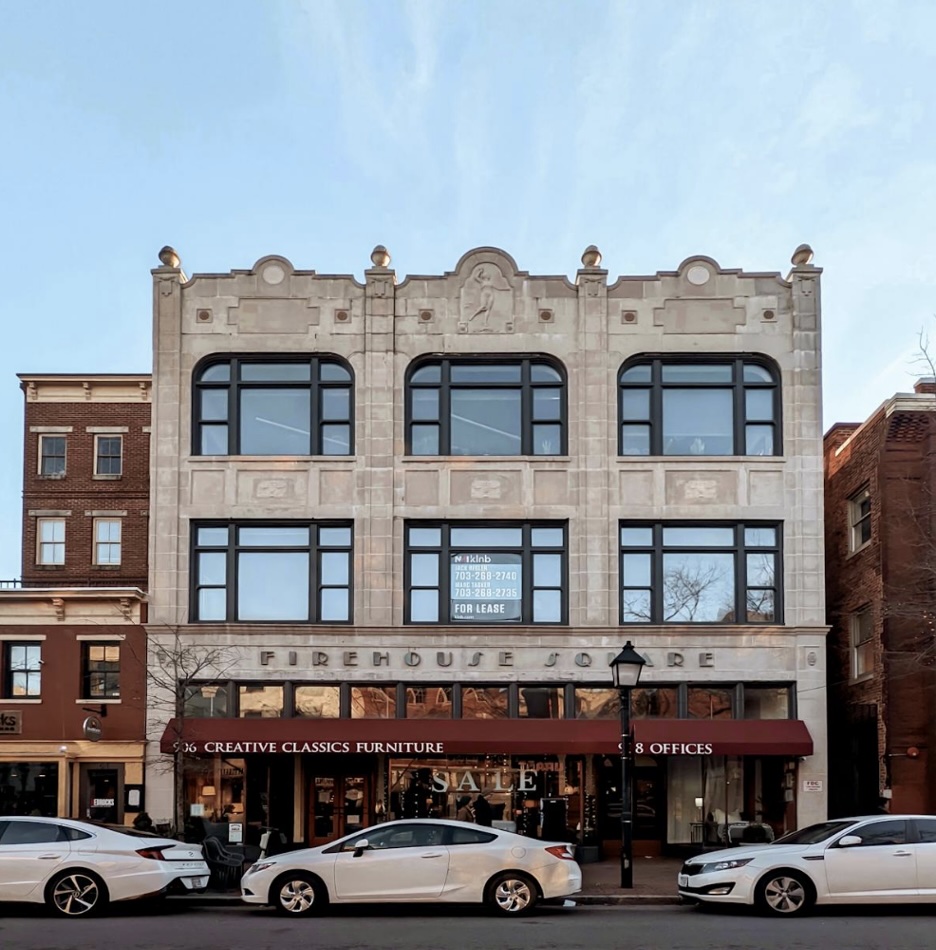
The architecture here isn’t decorative nostalgia. These are preserved row houses with tight staircases, working shutters, and front doors painted in colors that border on competitive. Some buildings date back to the 1700s. Others look old but have been quietly adapted for boutiques, restaurants, and offices. The effect is cohesive, not contrived.
You’ll pass the former townhouse of George Washington, reminders of Alexandria’s colonial clout, and plaques marking moments that shaped early America. But this isn’t Williamsburg. You’re not dodging reenactors. You’re walking through a neighborhood where people live, commute, and argue about parking.
The Waterfront Reset
At the bottom of King Street, the Potomac opens wide. The Potomac River is less dramatic than the Hudson and less mythologized than the Mississippi, but it delivers something better here: breathing room.
The waterfront has been reimagined in recent years, adding green space, benches, and unobstructed views across to Maryland and the DC skyline. On a clear day, you’ll see planes descending toward Reagan National. On a breezier one, you’ll watch whitecaps flicker under shifting light.
Take the water taxi north toward Washington if you want contrast. The monuments loom, the scale grows, the symbolism thickens. Then come back to Alexandria in the late afternoon. That return trip, when the city feels compact again, is the point.
The Market That Keeps It Real
Every Saturday morning since 1753, vendors have set up at Market Square. The Old Town Farmers’ Market isn’t curated for Instagram. It’s produce, bread, flowers, local honey, and neighbors greeting each other by name.
This is where Old Town shrugs off any suspicion of being a polished historic set piece. People shop here because they need groceries, not because it’s charming. The charm is a side effect.
Stories That Don’t Flinch
Alexandria’s past isn’t all polished brass and founding fathers. The city was once a major domestic slave trading hub. The Alexandria Black History Museum and the Freedom House Museum confront that history directly, detailing the lives disrupted and the systems built on forced labor.
This matters. Old Town isn’t interesting because it’s old. It’s interesting because it contains contradictions. You can admire the symmetry of 18th-century architecture and still grapple with what those walls witnessed. That tension gives the place weight.
Food That Knows Its Setting
Old Town dining isn’t flashy. It doesn’t need to be. Restaurants lean into exposed brick, low beams, and candlelit corners without turning theatrical. You’ll find oyster bars that nod to Chesapeake traditions, refined Southern kitchens, and modern American menus that treat seasonal produce seriously.
Grab coffee early and walk it toward the river. Come back later for dinner and linger. The pace encourages it.
If you want something different, step slightly outside the tourist corridor. A few blocks west and the vibe shifts toward local haunts, less polished but often more revealing.
Weather as a Strategy
Back to that weather. Alexandria sits in a transitional zone. Summers can be humid and heavy, spring and fall are the sweet spots, and winter swings between crisp sunshine and damp chill.
Layering is not optional. Comfortable shoes are mandatory. The streets are brick, sometimes uneven, and you’ll cover more ground than you expect because Old Town invites detours.
In spring, cherry blossoms drift down from residential streets that feel quietly cinematic. In autumn, the brick and brownstone glow under slanted light. Even in winter, when cold air rolls off the river, the town holds its character. It doesn’t rely on foliage or festival energy to feel alive.
Beyond the Postcard
Old Town Alexandria works best when you let it unfold. Duck into side streets like Prince or Cameron. Notice how residential blocks soften the commercial buzz. Look up. The details live above eye level, ironwork balconies, fanlight windows, discreet plaques.
Step inside Torpedo Factory Art Center on the waterfront, where former naval munitions storage has been transformed into working artist studios. You can watch painters, sculptors, and printmakers at work, not as a show, but as routine. The building’s industrial bones remain visible. Creativity here feels grounded, not precious.
Then head uphill toward quieter blocks where stoops host potted plants and bicycles lean casually against railings. This is where Alexandria stops performing and simply exists.
A Strategic Base
One of Old Town’s smartest advantages is proximity. You’re minutes from Reagan National Airport. The Metro connects you to DC without the need to navigate federal traffic snarls. Yet when you’re here, the capital’s urgency feels distant.
For travelers considering longer stays, Alexandria offers a compelling mix: historic atmosphere, waterfront access, and metropolitan adjacency. It’s not a weekend novelty. It’s a livable city with depth beyond its colonial façade.
The Takeaway
Old Town Alexandria isn’t trying to overwhelm you. It doesn’t compete with DC’s scale or drama. It operates on texture. Brick underfoot. River wind in your face. Church bells cutting through afternoon air.
The weather might start your day in drizzle and end it in sunlight. That’s fitting. Alexandria reveals itself in layers too. Walk it once and you’ll appreciate the symmetry. Walk it twice and you’ll notice the subtleties. Stay longer and you’ll understand why people choose to anchor here rather than just visit.
No fluff, no spectacle, no forced charm. Just a town with history in its bones and enough present-day energy to keep it relevant. Old Town Alexandria uncovered is not a checklist. It’s a rhythm.
Contact Author
"*" indicates required fields
Stay Ahead on Every Adventure!
Stay updated with the World News on Escape Artist. Get all the travel news, international destinations, expat living, moving abroad, Lifestyle Tips, and digital nomad opportunities. Your next journey starts here—don’t miss a moment! Subscribe Now!


