Oregon’s landscapes unfold like a visual manifesto — rugged coastline and windswept dunes, volcanic peaks and ancient forests, rivers that carve deep canyons and vineyards that spill across rolling hills. It’s a state where geography isn’t background scenery, it is the destination.
Most visitors know Portland and the Columbia River Gorge, but Oregon’s true character takes shape in its breadth — small towns that feel lived-in rather than curated for tourists, natural wonders that reward time off the highway, and communities where living here makes sense beyond the postcards. Whether you’re planning a long weekend or a multi-week trek, Oregon invites you to explore deeply, move deliberately, and see beyond the usual highlights.
In the first half of your journey — before you hit snow-capped peaks or wind-whipped beaches — Oregon’s towns and cities deserve attention in their own right.
From affordable mountain hamlets to riverfront communities with vibrant arts scenes, understanding where people actually choose to make a life in Oregon adds another layer of meaning to your travels.
You’ll find inland towns with tight-knit communities, unexpected economic resilience, and access to outdoor life that rivals better-known places.
Portland: Urban Culture on a Human Scale
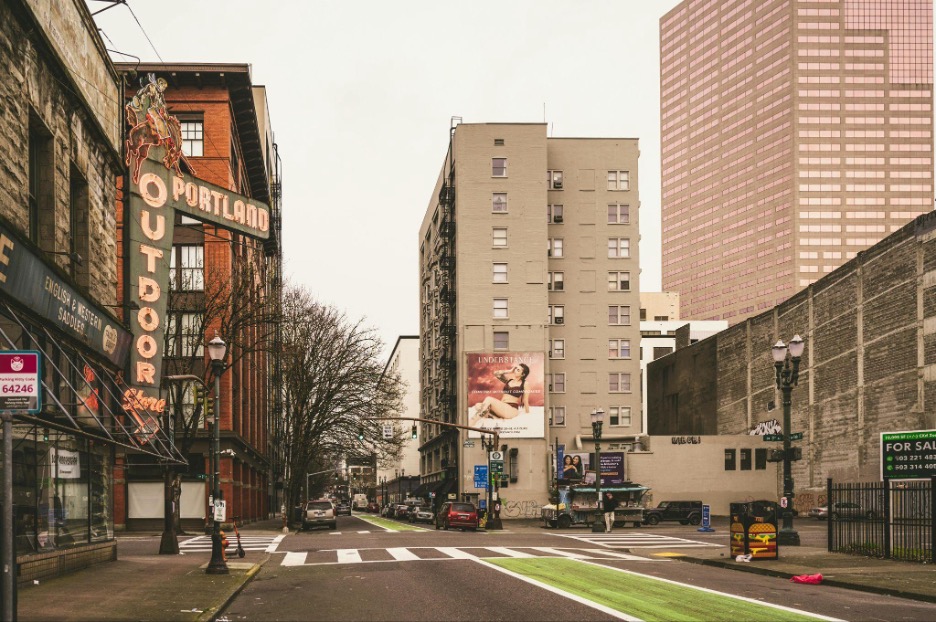
Start your Oregon odyssey in Portland, a city that feels like many worlds at once: micro-brew corridors, forested parks, food-cart pods, indie bookstores, and riverfront cycling paths. Downtown sits on the Willamette River, and crossing its bridges can feel like moving between neighborhoods with distinct personalities.
What makes Portland work is scale. It’s big enough to sustain world-class dining, music venues, and cultural institutions, yet small enough that a day on a bike can easily take you from Asian fusion breakfast tacos to waterfront sunset. If urban neighborhoods fuel your curiosity, spend at least two days here: beat up Powell’s Books for paperbacks, wander Alberta Street’s galleries, and let the Bánh Mì Beckon.
Still, downtown’s buzz and coffeehouse hum can feel like just one face of Oregon. To see the state’s character more fully, you need to move beyond the bridges.
Columbia River Gorge: Water and Rock
Heading east from Portland, the highway begins to widen, and so does your view. Soon you’ll be skirting the Columbia River Gorge, where wind and water have carved imposing cliffs, plunging waterfalls, and high desert outposts.
Multnomah Falls — Oregon’s most visited waterfall — is worth the crowds early in the morning, but true Gorge exploration lies on lesser-known trails like Eagle Creek or Wahkeena. When the river turns broad and slow, windsurfers dot the water like hummingbirds, and vantage points along Highway 14 open into postcard sweeping views that make you forget you’re still on a road.
If you want a gorge town as your base, Hood River delivers: breweries with mountain views, orchards surrounding town, and a downtown that mixes wind-worn adventure culture with surprising sophistication.
Bend: High Desert Heartbeat
Bend is where Oregon’s dry side begins — a place of sagebrush, basalt outcroppings, and high desert light that feels cinematic. Yet for all its arid landscapes, Bend is lush with lifestyle diversity.
Outdoor pursuits dominate: mountain biking, fly fishing, rock climbing, and hiking in the nearby Deschutes National Forest define local life. Breweries and coffee shops punctuate town, and a spirited downtown main street rewards evening exploration.
Bend also serves as a gateway to the Cascade Lakes, a string of alpine lakes rippling with mirror reflections and swimming holes that make hot days feel effortless. Stop here long enough and you’ll see why people move to Bend and stay — not just to visit, but to build community.
Crater Lake: Deep Blue Wonder
You can’t describe Oregon’s landscape without honoring Crater Lake National Park. Formed in a volcanic caldera and filled by snowmelt, the lake’s deep blue hue is unlike anywhere else on Earth.
Approaching the rim feels like entering a hidden amphitheater. The 33-mile Rim Drive circles the crater with lookout after lookout, each begging a pause. The water — impossibly clear and cold — sits far below, isolated by sheer walls.
Even if your schedule is tight, dedicate an early morning or late afternoon to Crater Lake. The light catches differently on the caldera edges as the sun moves, and the silence near the water’s edge is its own reward.
Oregon Coast: Foggy Lighthouses and Wide Beaches
From Crater Lake turn west — and eventually north again — to reach the Oregon Coast, a place where ocean breezes shape the rhythm of life.
The coastline feels archetypal: miles of sandy beaches, rocky headlands crowned with lighthouses, sea stacks rising from the surf like stoic sentinels. Each seaside town — from Cannon Beach’s art galleries and Haystack Rock, to smaller pivots like Pacific City and its iconic Cape Kiwanda — carries its own vibe.
Don’t just drive the coast — walk it. Mornings here are worth the delay. Bring layers; the wind off the Pacific can be cool even in summer. A long stretch of beach with tide pools and foam-flicked waves can easily become your best Oregon memory.
Umpqua Valley: Quiet Vineyards and Hidden Tasting Rooms
Turning inland from the coast brings you into the Umpqua Valley, one of Oregon’s best-kept wine regions. If you think of Oregon wine and default to Willamette pinot noir, diverging to Umpqua feels like a delicious detour.
Here you’ll find varietals that match the warm valley climate: tempranillo, syrah, cabernet sauvignon — plus pinot noir that carries a distinct regional signature. Tasting rooms dot the valley, each offering views into vineyard life and a slower pace that’s easy to settle into.
Pair wine tasting with a stop in Roseburg, a welcoming town that’s long been a hub for outdoor access, local art, and straightforward comfort.
Mount Hood Territory: Peaks and Pines
Loop back north toward Portland and set your compass for Mount Hood, Oregon’s highest peak and an iconic volcano. The mountain presides over a land of alpine lakes, hiking trails, and winter slopes that carry snow well into spring.
For a short but elevated experience, Timberline Lodge deserves its own stop. Built in the 1930s and still in use, it’s a historic refuge with fireplaces, wood beams, and views that pull your attention outward toward the mountain’s shoulders.
The surrounding forest opens into trails of every difficulty; whether you need an easy scenic walk or a full-day summit trek, Hood’s trails are waiting.
Eugene and the Southern Rivers
Before you close your loop northward, head south again to Eugene, home to the University of Oregon and a lively cultural scene. The Willamette River runs through town — a spine of activity lined with parks and paths — and downtown Eugene buzzes with music venues, farm-to-table restaurants, and independent shops.
If you crave river time without leaving the city, kayak or paddleboard rentals on the Willamette let you see Eugene from the water. It’s a local favorite for unwinding after hikes, tastings, or long drives.
Final Stop: Back to the Bridges
Return north to Portland with a deeper appreciation for Oregon’s richness — not just in its scenic variety, but in how people live within it. Communities here are rooted in place, from coastal towns shaped by surf and fog to inland valleys defined by vineyards and rivers.
Your fast track through Oregon will be full — but also flexible. Let the landscape pace you rather than the clock, and keep your itinerary open for detours that don’t show up in guidebook highlights. Some of Oregon’s best experiences are hidden, humble, and easy to overlook — and that’s exactly why they’re worth the stop.
Contact Author
"*" indicates required fields
Stay Ahead on Every Adventure!
Stay updated with the World News on Escape Artist. Get all the travel news, international destinations, expat living, moving abroad, Lifestyle Tips, and digital nomad opportunities. Your next journey starts here—don’t miss a moment! Subscribe Now!


