Moving to another country can be exciting, but the financial adjustment often takes longer than expected. You might arrive thinking your monthly expenses will be lower, only to discover that rental deposits, transportation and everyday purchases cost more than you anticipated.
Even familiar activities, such as grocery shopping or paying utility bills, can require a different approach. Currency exchange rates, unfamiliar banking systems and local spending habits all influence how far your money goes.
Managing finances while living abroad becomes easier once you understand your new expenses and develop a routine that fits your circumstances.
Understand What Everyday Life Actually Costs
A destination might have a reputation for affordable living, but that doesn’t mean every expense will be inexpensive.
Housing costs can vary dramatically between neighborhoods. A furnished apartment near a city center may cost considerably more than one outside the main residential districts.
Groceries, transportation and healthcare expenses also depend on local conditions.
Before settling into a long-term arrangement, spend some time comparing prices. Visit supermarkets, check public transportation fares and research rental listings beyond popular expat neighborhoods.
Avoid relying entirely on cost-of-living estimates published online. They’re useful for initial research, but actual prices can differ depending on your lifestyle and location.
Adjust Your Budget to Your New Lifestyle
The budget you followed at home probably won’t work exactly the same way overseas.
Some expenses may decrease, while others become more important. You might spend less on transportation but more on health insurance or international travel.
During your first few months, track essential expenses before deciding how much you can comfortably spend on entertainment and other activities.
This is also a good opportunity to rethink your saving habits. If you’re unsure how to start saving money while adjusting to unfamiliar expenses, begin by identifying small costs you can reduce without affecting your basic needs.
For example, preparing more meals at home or choosing a monthly transit pass may free up money for unexpected expenses.
Don’t expect your budget to be perfect immediately. Adjust it as you learn what everyday life actually costs.
Pay Attention to Currency Exchange and Banking Fees
Managing money across different currencies can make ordinary transactions more complicated.
If your income arrives in US dollars but your expenses are in another currency, exchange rate changes can affect your purchasing power.
International transfers and ATM withdrawals may also involve fees that aren’t immediately obvious.
Before moving, check whether your current financial accounts support international transactions and what charges apply.
It’s worth researching local banking requirements too. Some countries require specific identification or residency documents before allowing newcomers to open accounts.
Keeping track of exchange rates and transaction fees can help you understand the actual cost of moving money between countries.
Prepare for Expenses That Come With Settling In
The first few months abroad can be surprisingly expensive, even when your regular living costs are manageable.
Rental deposits, temporary accommodation, furniture and utility setup charges often arrive within a short period.
You may also need to pay for residence permits, translated documents or other administrative requirements.
These expenses are easy to overlook when you’re concentrating on flights and accommodation.
A separate relocation budget can help prevent setup costs from consuming money intended for everyday living.
Before signing a rental agreement, ask which payments are required upfront and whether utilities or maintenance charges are included.
Learn How Local Financial Systems Work
Every country has its own approach to banking, payments and financial regulations.
In some places, paying with a card is common even for small purchases. Elsewhere, cash remains important for markets, transportation and neighborhood businesses.
Understanding local payment habits can make daily life considerably easier.

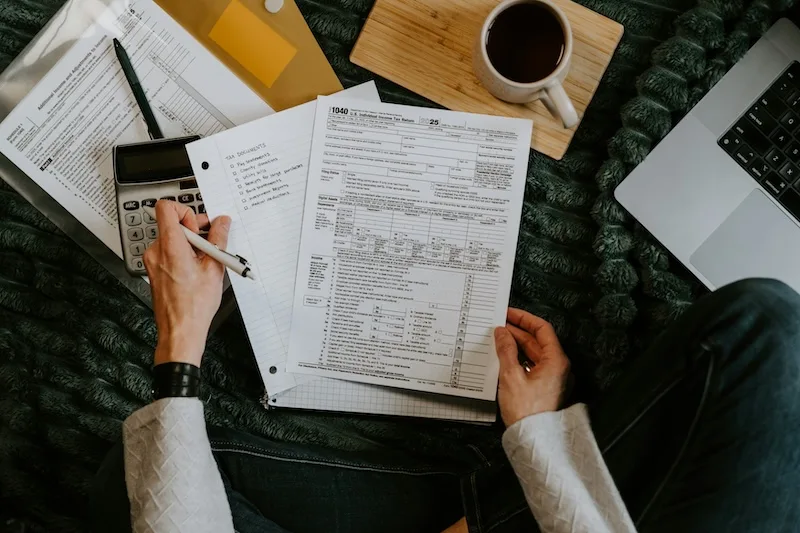
Taxes and residency rules deserve particular attention. Working remotely from another country doesn’t automatically mean your financial obligations remain unchanged.
Depending on your circumstances, you may have reporting or tax responsibilities in more than one jurisdiction.
When these questions become complicated, consulting a qualified professional familiar with international taxation is generally more reliable than depending on informal advice.
Keep an Emergency Fund Accessible
Unexpected expenses can become more complicated when you’re far from home.
A medical appointment, urgent flight or sudden housing problem may require money quickly. Losing access to your usual banking services can create another challenge.
Consider keeping emergency savings in an account you can access reliably from your new country.
Some people also maintain funds in their home country to cover unexpected travel or financial obligations there.
The amount you need depends on your employment situation, essential expenses and access to healthcare.
Most importantly, check how quickly you can transfer or withdraw emergency funds before you actually need them.
Avoid Overspending During Your First Year
Living somewhere new naturally encourages exploration.
You might want to visit every interesting restaurant, take weekend trips and decorate your apartment immediately. Individually, these purchases may seem reasonable. Together, they can consume a substantial portion of your budget.
Give yourself time to settle in before making expensive commitments.
Exploring local markets, cooking familiar meals at home and learning public transportation routes can help reduce costs.
You don’t need to experience everything during your first few months. A slower approach often makes it easier to enjoy your surroundings without constantly spending money.
Keep Your Long-Term Financial Goals in Sight
Moving abroad changes your everyday routine, but it shouldn’t automatically replace your existing financial priorities.
If you’re saving for retirement, paying down debt or building a larger emergency fund, consider how those goals fit into your new circumstances.
International living may also introduce financial responsibilities that require additional planning, particularly when your income, savings and expenses involve different currencies.
Review your finances periodically as your situation becomes more stable.
Once you understand your regular expenses, you’ll have a clearer idea of how much you can save while maintaining the lifestyle you moved abroad to enjoy.
Finding Financial Stability in Your New Home
Adjusting to life in another country takes patience, and managing money is part of that process.
You won’t understand every local expense or financial requirement immediately. What matters is paying attention to your spending, asking questions and making changes when necessary.
A realistic budget, accessible emergency savings and an understanding of local financial practices can make everyday decisions less stressful.
The more comfortable you become with your finances, the easier it is to focus on building a life in your new surroundings rather than worrying about what every purchase might cost.
Contact Author
"*" indicates required fields
Stay Ahead on Every Adventure!
Stay updated with the World News on Escape Artist. Get all the travel news, international destinations, expat living, moving abroad, Lifestyle Tips, and digital nomad opportunities. Your next journey starts here—don’t miss a moment! Subscribe Now !
Moving to another country can be exciting, but the financial adjustment often takes longer than expected. You might arrive thinking your monthly expenses will be lower, only to discover that rental deposits, transportation and everyday purchases cost more than you anticipated.
Even familiar activities, such as grocery shopping or paying utility bills, can require a different approach. Currency exchange rates, unfamiliar banking systems and local spending habits all influence how far your money goes.
Managing finances while living abroad becomes easier once you understand your new expenses and develop a routine that fits your circumstances.
If you'd like to read the full story, simply enter your email to subscribe to our newsletter.
For even more expert insights, unmissable resources, and exclusive invites, explore our premium subscription offers here.
OR
Already a Subscriber? Click here to login
Subscription required
You've reached your limit of free articles. For full access to Escape Artist, and all of our insights on travel, moving abroad, and the digital nomad life, click here to Subscribe.
Already a Subscriber? Log in here