This week’s World News Roundup moves between economic uncertainty, extreme weather, environmental surprise, and mounting political recalibration. Amazon announces fresh job cuts as winter storms paralyze parts of the United States. In India’s capital, a prolonged water crisis deepens public anger, while Washington cautiously reopens diplomatic channels with Caracas. Elsewhere, polar bears in the Arctic defy expectations, an Italian village pushes back against viral tourism, and rare snowfall wreaks havoc across the American Southeast. Here’s what’s making headlines this week.
Amazon Cuts
Amazon has announced another round of layoffs, affecting employees across multiple divisions as the company continues to rein in costs after years of rapid expansion. The cuts come amid broader restructuring efforts and follow several waves of job reductions that began in 2023 as growth slowed and investor pressure intensified.
Company executives say the changes are intended to streamline operations and refocus spending, but the layoffs have reignited concerns about job security across the tech sector. For workers, the move underscores how quickly fortunes can shift in an industry once defined by relentless hiring.

Southern Snow
The heaviest snowfall in years has swept across parts of the southeastern United States, catching communities off guard and triggering hundreds of traffic accidents on icy roads. States including Georgia, Alabama, and the Carolinas saw rare accumulations that closed highways, grounded flights, and overwhelmed local emergency services.
Officials urged residents to stay off the roads as temperatures dropped and untreated surfaces became dangerously slick. The storm has highlighted how regions unaccustomed to winter weather remain particularly vulnerable when extreme conditions strike.

Delhi’s Thirst
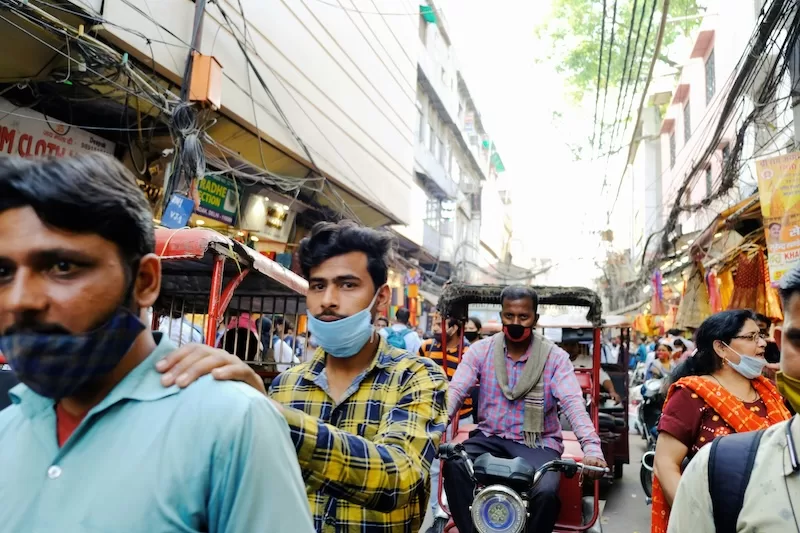
Millions of residents in India’s capital went without reliable water for days after contamination and supply disruptions affected treatment plants drawing from the Yamuna River. Even as water service resumed in some areas, many households reported discolored or foul-smelling water they said was unsafe to use.
The crisis has sparked public outrage and renewed scrutiny of Delhi’s fragile water infrastructure, which struggles under pollution, population pressure, and climate stress. Officials have pledged corrective measures, but residents remain skeptical after years of recurring shortages.
Caracas Return
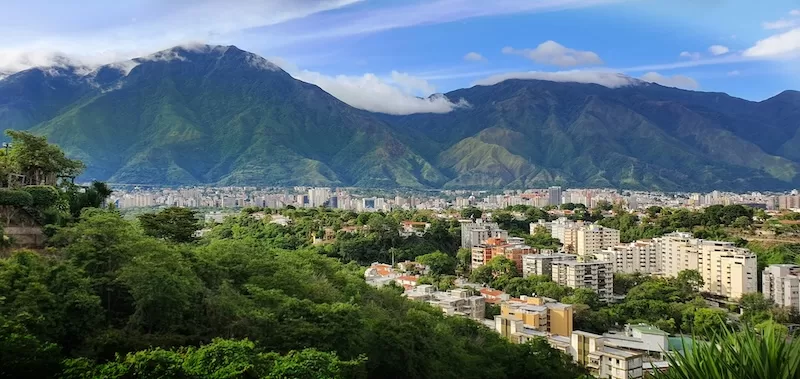
A new U.S. envoy has arrived in Caracas as Donald Trump’s administration moves to reopen the American embassy in Venezuela, marking a dramatic shift after years of isolation and open hostility. The visit follows Trump’s recognition of Venezuela’s opposition leadership and his renewed push to assert U.S. influence over the country’s political transition.
The move has drawn sharp reactions across Latin America, with critics warning it risks inflaming tensions while supporters frame it as a bid to reassert American leverage in the region. With sanctions still in place and Venezuela’s future uncertain, the envoy’s arrival underscores Trump’s willingness to re-engage diplomatically—on his own terms.

Arctic Paradox
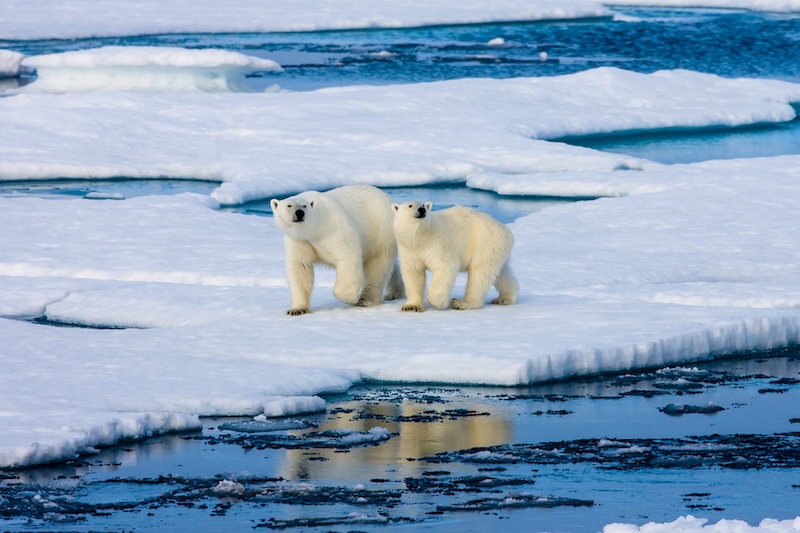
Polar bears in Norway’s Arctic archipelago of Svalbard are, on average, getting fatter and healthier — a surprising finding as sea ice continues to retreat rapidly. Scientists say the bears appear to be adapting by shifting their diets and hunting strategies, relying more on land-based food sources.
Researchers caution that the trend may be temporary and does not negate the long-term threat climate change poses to polar bear populations. Still, the findings complicate assumptions about uniform decline and highlight the species’ short-term resilience.
Tourism Pushback
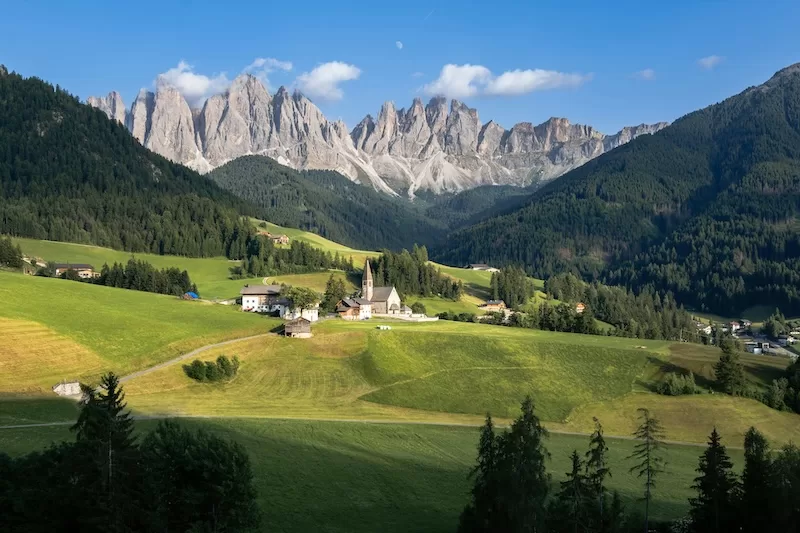
The alpine village of Santa Maddalena in Val di Funes, in Italy’s South Tyrol region, has restricted access to its postcard-perfect church after the site went viral on Instagram. The surge in visitors brought traffic jams to narrow mountain roads, trespassing on private farmland, and daily disruption to residents in a community of just a few hundred people.
Local authorities have introduced traffic limits and designated viewing areas to protect both the landscape and village life. The move reflects a wider backlash across Europe against social-media-driven overtourism, as small communities struggle to balance global visibility with local sustainability.
Contact Author
"*" indicates required fields
Stay Ahead on Every Adventure!
Stay updated with the World News on Escape Artist. Get all the travel news, international destinations, expat living, moving abroad, Lifestyle Tips, and digital nomad opportunities. Your next journey starts here—don’t miss a moment! Subscribe Now !
This week’s World News Roundup moves between economic uncertainty, extreme weather, environmental surprise, and mounting political recalibration. Amazon announces fresh job cuts as winter storms paralyze parts of the United States. In India’s capital, a prolonged water crisis deepens public anger, while Washington cautiously reopens diplomatic channels with Caracas. Elsewhere, polar bears in the Arctic defy expectations, an Italian village pushes back against viral tourism, and rare snowfall wreaks havoc across the American Southeast. Here’s what’s making headlines this week.
Amazon Cuts
Amazon has announced another round of layoffs, affecting employees across multiple divisions as the company continues to rein in costs after years of rapid expansion. The cuts come amid broader restructuring efforts and follow several waves of job reductions that began in 2023 as growth slowed and investor pressure intensified.
If you'd like to read the full story, simply enter your email to subscribe to our newsletter.
For even more expert insights, unmissable resources, and exclusive invites, explore our premium subscription offers here.
OR
Already a Subscriber? Click here to login
Subscription required
You've reached your limit of free articles. For full access to Escape Artist, and all of our insights on travel, moving abroad, and the digital nomad life, click here to Subscribe.
Already a Subscriber? Log in here