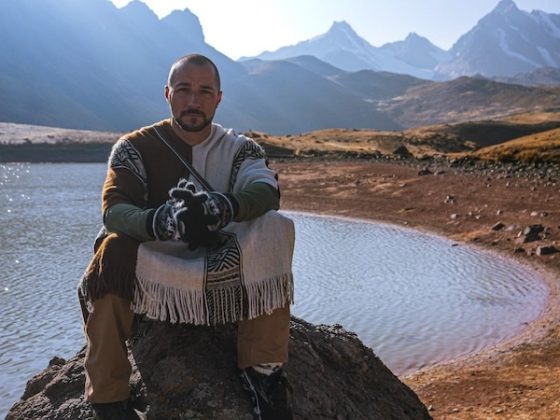
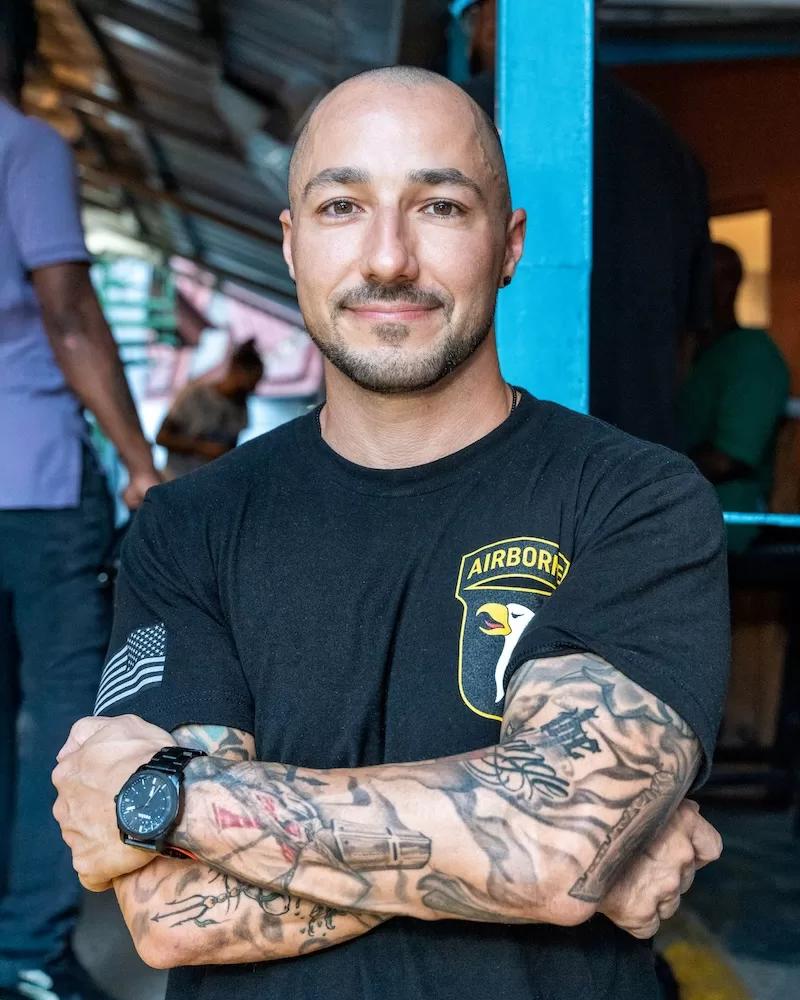
John H. Davis has lived more than one lifetime. He served in the U.S. Army, deployed to war, rebuilt himself through higher education, earned a master’s degree from Harvard, and then, when the weight of home felt heavier than the world, left the United States in search of something peace-shaped. Now living abroad his path has taken him from Thailand to the Dominican Republic, and now to Colombia, where he speaks openly about trauma, healing, purpose, and the complicated journey of becoming someone new after the uniform comes off.
Through his book Combat To College, now an official AUSA title, and through his viral “Combat Vet Abroad” videos, Davis has become an unexpected guide for veterans who feel stuck between the person they were trained to be and the person they’re still trying to become. His story is not one of escape, but of reclamation—of choosing a life defined not by survival mode, but by self-determination, community, and clarity.
In this conversation, Davis speaks with rare honesty about identity, reinvention, mental health, the realities of living abroad as a veteran, and what freedom means when you finally allow yourself to step outside the life you were told to live.
Read more like this: Why Living Abroad Works
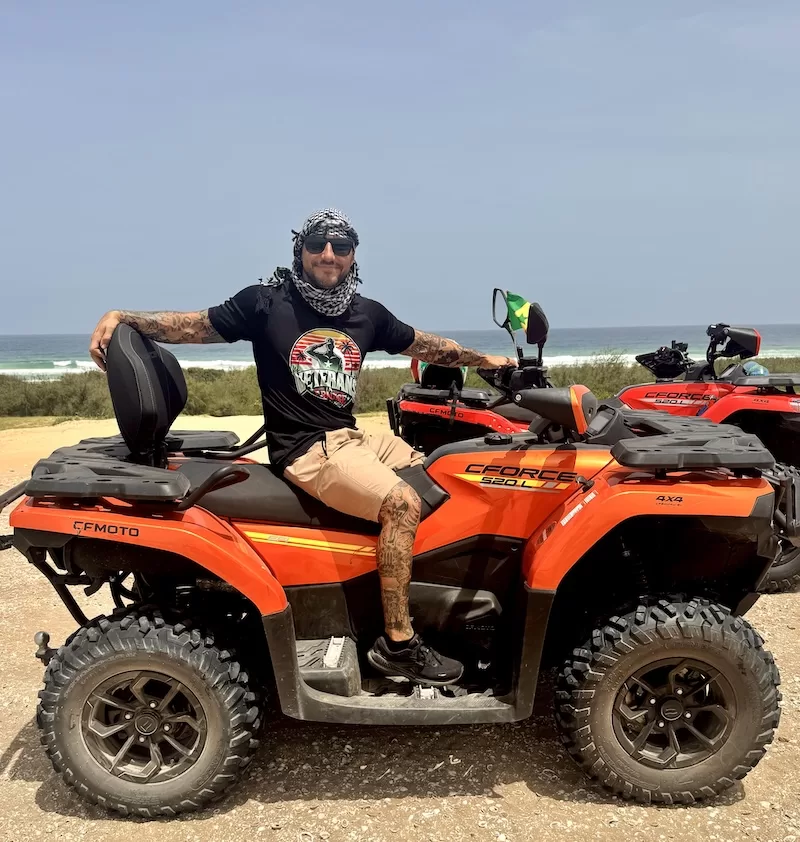
You served in the U.S. Army, earned a master’s from Harvard, and are now living abroad in the Dominican Republic. What inspired that move, and what has life outside the U.S. given you that you didn’t find back home?
Getting out of the military is a complicated thing. The Army gave me purpose and identity—it’s not like leaving another job. It’s an existential change that makes you question who you are, because you can’t go back to being the person you were before you joined. That person doesn’t exist anymore.
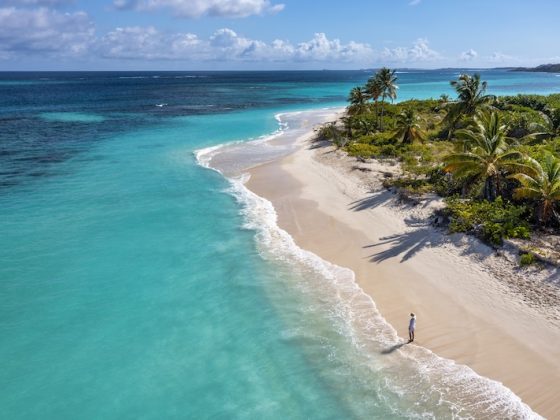
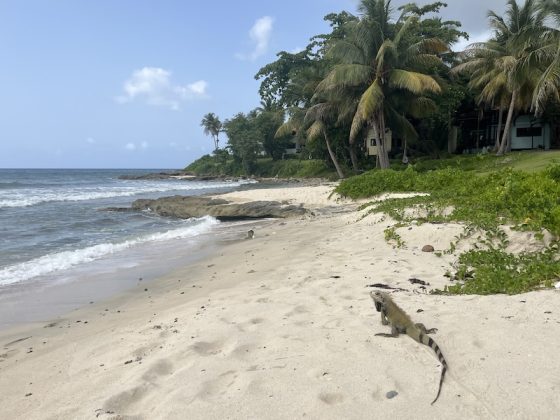
I felt out of place in my hometown, like an alien pretending to be human. Oddly enough, I felt more at home in a foreign country. Moving abroad gave me a fresh start, a place where I could control my time, my life, and my healing after combat. Since then, I’ve lived in Thailand, the Dominican Republic, and now Colombia.
Your book Combat to College has become an official AUSA title. What was the deeper mission behind writing it, and what do you hope veterans carry away from your story?
College is often the first stop for veterans leaving the military, but transitioning into higher education is more complicated than people realize. Many of us move across the country—or even across the world—get out of the military, and begin school all at once, all while navigating identity, responsibility, and daily life.
I wanted to give veterans a blueprint for college success. I wrote the book because it didn’t exist, and I needed it myself. I failed out of community college before joining the Army, but after learning how to apply military discipline and skills to academics, I ended up at Harvard.
I want veterans to know we belong in higher education. We deserve success. And our stories matter.
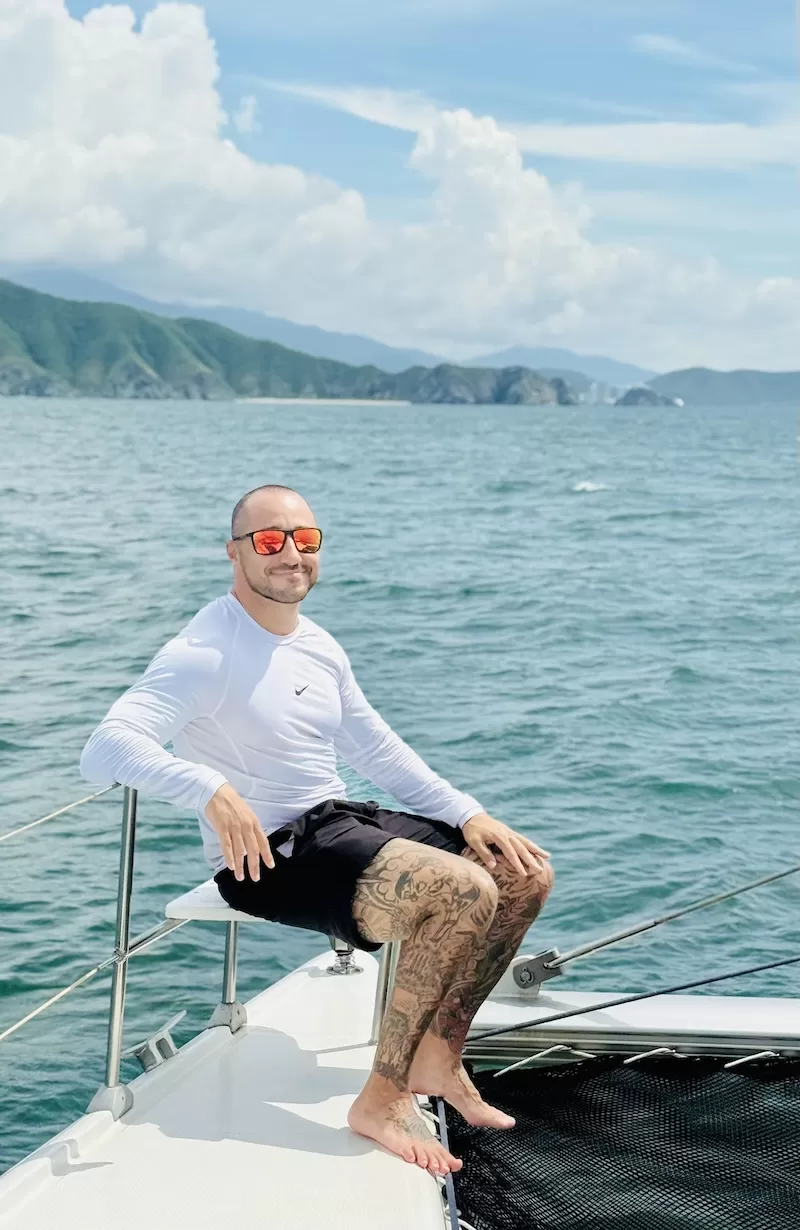
So much of your content is about building a new chapter after military service. What does reinvention look like when you’re doing it abroad, as a veteran, creator, and entrepreneur?
Living abroad helped me simplify my life. I don’t feel the need to rush anymore, or treat every day like a checklist. We’re conditioned to believe consumerism equals happiness, but for me—and for a lot of people—experiences are better than possessions.
Abroad, I get endless experiences, adventure, and peace of mind. Time is wealth, and living outside the U.S. disconnects you from the things that constantly steal your time in the Western world.
Reinventing yourself abroad means becoming the person you always wanted to be without the weight of your past. Success becomes something deeper than your bank balance. And there’s no better feeling than waking up unbothered.
Read more like this: One Family Discovers the Joys of Life Abroad
What are the biggest practical differences you’ve experienced living abroad as a veteran—healthcare, safety, cost of living, community? What should others know before making the move?
Moving abroad isn’t for everyone. It takes independence, curiosity, and a willingness to build your own tribe. For me, it’s been a more peaceful, higher-quality life at a lower cost, and I wanted other veterans to know that was possible.
Healthcare is a big one: I get better care abroad than I did in the U.S. as a veteran. I also feel safer. Violence in the U.S. has a randomness to it that you don’t feel in many other countries.
And the veteran community abroad is strong. We support each other, host events, and build something that feels like the camaraderie we lost. You can learn more at VeteransInParadise.com or on my social media.
I also wrote a free guide for veterans moving abroad—it covers the practical side of visas, healthcare, safety, and the emotional side of transition.
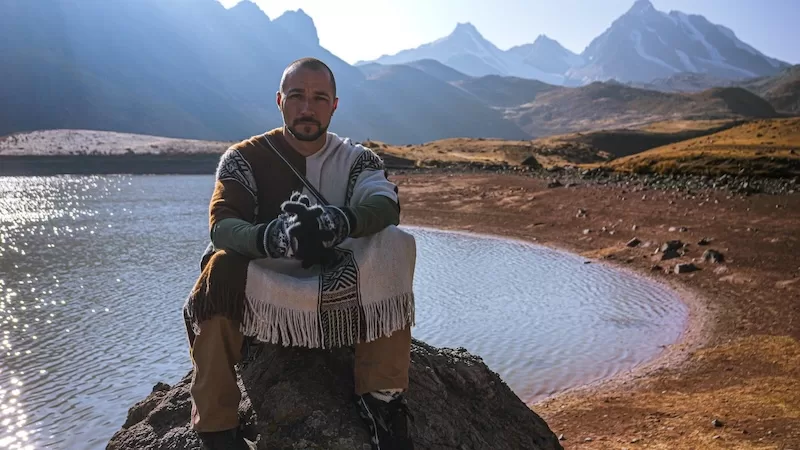
Your “Combat Vet Abroad” videos resonate widely. Why tell this story publicly—not just as a veteran, but as an expat choosing joy, peace, and self-determination?
I moved abroad and found peace. I stopped needing the PTSD medication I’d taken for years. My emotional and mental health improved together. I realized a lot of veterans abroad thrive—and a lot of veterans in the U.S. are stuck in survival mode.
One veteran I helped relocate to the Dominican Republic told me it saved his life. Changing environments changed everything for him. He got healthy, he found joy, and I realized this was bigger than showing veterans that life is cheaper abroad.
It became about letting them know life can be better abroad.
The military gives you a built-in tribe. Leaving it can feel like you’ve been dropped into a society that doesn’t know you, doesn’t hold you, and doesn’t care. That’s why I tell these stories—so veterans know they’re not alone.
What does freedom mean to you now, after the structure of military life and the openness of living overseas?
Moving abroad lets you finally enjoy the freedom you fought for. In the military, you’re trained to put yourself last—the mission first, the unit first, the country first. You learn to believe your needs don’t matter. Living abroad reverses that.
But freedom can be dangerous too. I’ve seen veterans move abroad and not know what to do with all the free time, slipping into unhealthy habits. That’s one reason we started Veterans in Paradise—to create support, connection, and healthy routines abroad.
When you live abroad, you exist outside the algorithm. Nobody cares who you were. You’re free to rebuild yourself—or free to destroy yourself.
You’ve spoken openly about trauma, resilience, and mindset. What tools or shifts have helped you heal, grow, and lead from where you are today?
I struggled hard after the military. Divorce, addiction, jail—I’ve lived through all of it. A few things helped turn my life around.
First, moving abroad changed my environment completely. I went from a stressful, unhealthy rhythm to one where I ate fresh food, scuba dived, and found peace. My Ayahuasca journey was also transformational, and I think more veterans should explore healing in nontraditional ways.
Writing saved me. I started to help others, but it helped me make sense of myself. More veterans need to tell their stories—not just for the world, but for themselves.
What have you learned about U.S. identity—its privileges and limitations—after living abroad and seeing your country from the outside?
Being born American is lucky. We often focus on the top 1% inside the U.S., but globally, earning $60,000 places you in the top 1% of the world. Living abroad makes those comparisons impossible to ignore.
America is still the best country to be born poor in. Economic mobility is real in the U.S. in a way most countries never experience.
But from afar, the U.S. also looks chaotic—like a reality show. It’s loud, divided, and dramatic. Yet it’s still home. It’s like your crazy family: you shake your head, but you love them anyway.
What would you say to veterans or Americans considering a move abroad, not just for adventure, but for healing or reinvention?
Do a trial run. Stay in your ideal country for 30 days and live a normal life, not a resort life. Don’t fall for the margarita effect. Healing abroad is possible, but your problems don’t disappear because you bought a plane ticket. Sometimes they follow you.
But a new environment can give you a new version of yourself. It can offer peace, distance, clarity, and a chance to reset your identity on your own terms.
Read morel like this: Retiring Abroad
Lastly, what’s next for you—another book, a new country, or something else entirely?
I’m going more nomadic. Carry-on suitcase, backpack, new cities, new stories. I’ll be writing about living and traveling abroad on my blog and developing more resources for veterans overseas.
We’re expanding Veterans in Paradise globally. Our mission is simple: build community, support veterans abroad, and give back to the countries we now call home. Our next event is Veterans Day in Medellín, raising funds for a local orphanage. We want to be the right kind of expats—givers, not takers.
If anyone wants to connect, reach out on social media. And I’m always looking for great travel, whiskey, and book recommendations.
————————————-
John H. Davis is a U.S. Army veteran, Harvard graduate, and author of Combat To College an official AUSA title. He writes about military transition, mental health, global mobility, and the expat experience, and is the creator behind Combat.Vet.Abroad. Learn more at www.johnhdaviswriter.com, or follow him @john.h.davis.writer
About the Author
Contact Author
"*" indicates required fields
Stay Ahead on Every Adventure!
Stay updated with the World News on Escape Artist. Get all the travel news, international destinations, expat living, moving abroad, Lifestyle Tips, and digital nomad opportunities. Your next journey starts here—don’t miss a moment! Subscribe Now !
John H. Davis has lived more than one lifetime. He served in the U.S. Army, deployed to war, rebuilt himself through higher education, earned a master’s degree from Harvard, and then, when the weight of home felt heavier than the world, left the United States in search of something peace-shaped. Now living abroad his path has taken him from Thailand to the Dominican Republic, and now to Colombia, where he speaks openly about trauma, healing, purpose, and the complicated journey of becoming someone new after the uniform comes off.
Through his book Combat To College, now an official AUSA title, and through his viral “Combat Vet Abroad” videos, Davis has become an unexpected guide for veterans who feel stuck between the person they were trained to be and the person they’re still trying to become. His story is not one of escape, but of reclamation—of choosing a life defined not by survival mode, but by self-determination, community, and clarity.
In this conversation, Davis speaks with rare honesty about identity, reinvention, mental health, the realities of living abroad as a veteran, and what freedom means when you finally allow yourself to step outside the life you were told to live.
If you'd like to read the full story, simply enter your email to subscribe to our newsletter.
For even more expert insights, unmissable resources, and exclusive invites, explore our premium subscription offers here.
OR
Already a Subscriber? Click here to login
Subscription required
You've reached your limit of free articles. For full access to Escape Artist, and all of our insights on travel, moving abroad, and the digital nomad life, click here to Subscribe.
Already a Subscriber? Log in here