This week’s Global News Roundup spans dramatic geopolitical moves, unexpected travel disruptions, cultural curiosities, and discoveries that reshape our understanding of the distant past. From a high-stakes U.S. maritime operation against a sanctioned tanker to renewed talk of Greenland’s geopolitical value, and from foreign tourists stranded on a remote Yemeni island to curious interest in Georgia’s Pankisi Valley, the global news cycle refuses to slow. Here’s what’s making headlines around the world.
Tankers Targeted
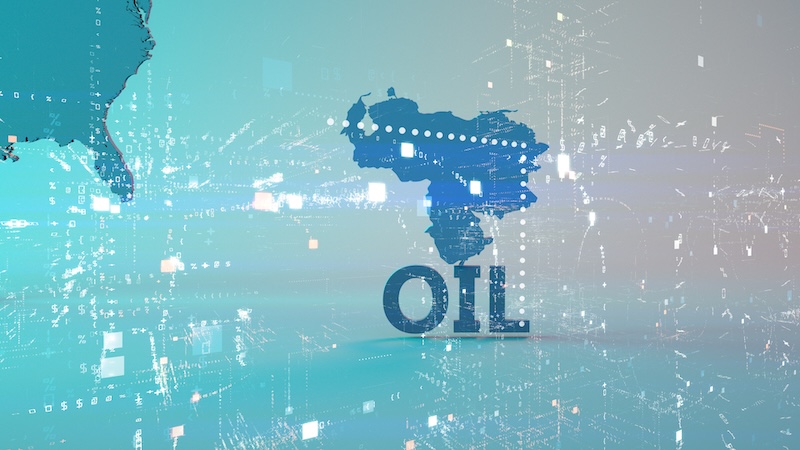
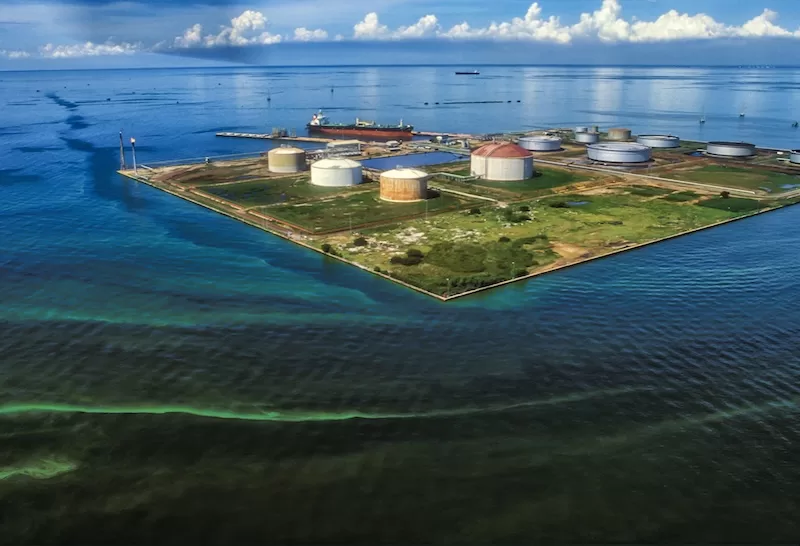
U.S. forces have launched an operation to seize a Russian-flagged oil tanker linked to Venezuelan oil sanctions, intercepting the vessel in the North Atlantic after a weeks-long pursuit. The tanker, renamed Marinera and previously known as Bella-1, had evaded a U.S. blockade in the Caribbean before heading north, and its capture marks a rare direct action against a sanctioned vessel tied to Moscow’s trading networks.
The operation comes amid the Trump administration’s broader efforts to tighten pressure on Venezuelan oil exports and enforce sanctions on a “shadow fleet” of tankers that underpin illicit shipments. While no overt confrontation with Russian naval assets has been reported, the seizure underscores rising U.S.-Russia maritime tensions and the strategic importance of energy routes tied to Caracas’s economy.
Greenland Debate
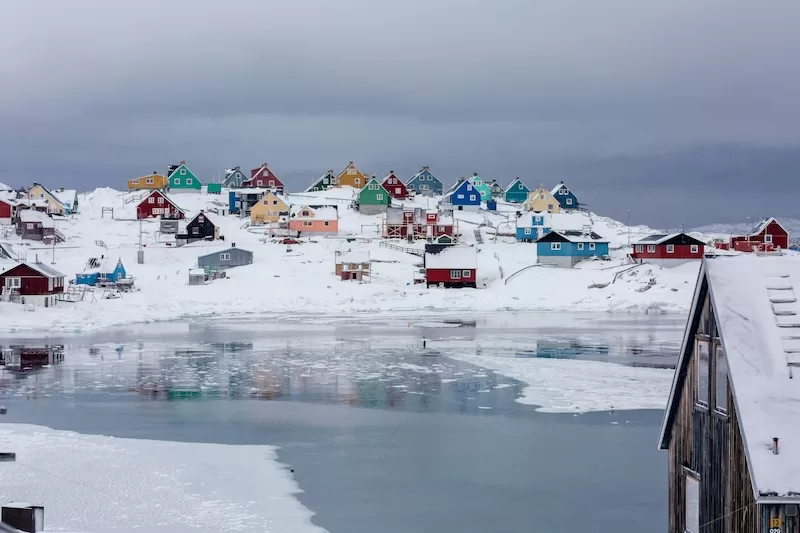
President Donald Trump has reignited controversy over U.S. interest in Greenland, suggesting that the Arctic island remains a strategic priority for national security and broader geopolitical influence in the polar region. The administration has framed Greenland’s location and potential mineral resources as vital for monitoring Russian and Chinese activities, even as Danish and Greenlandic leaders push back against any notion of sale or takeover.
While Secretary of State officials have downplayed the likelihood of military action, Trump’s rhetoric echoes past proposals to purchase the territory, stirring unease among NATO allies and prompting Copenhagen to reassure its Arctic partners. Denmark has bolstered regional defenses and emphasized that Greenland’s sovereignty must be respected, even as Washington touts partnership and shared security interests.
Socotra Stranded
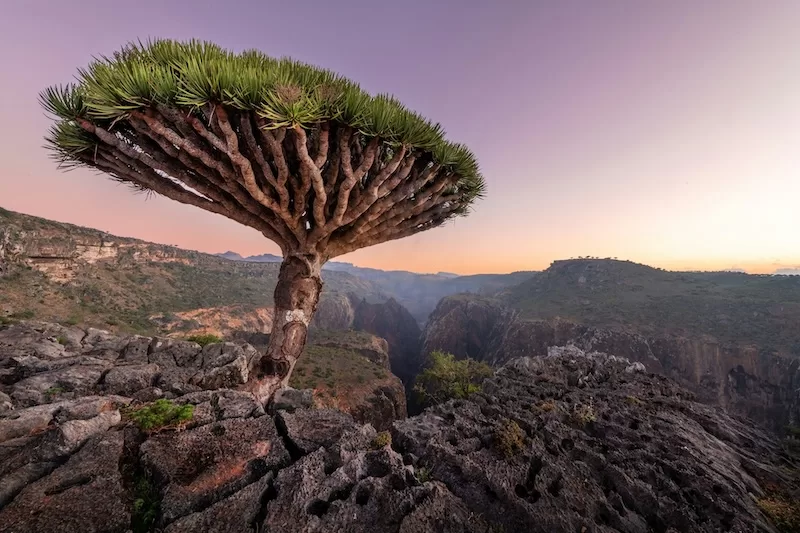
Scores of foreign visitors are stuck on Yemen’s remote Socotra Island after flights were halted amid rising tensions on the mainland, leaving a strikingly beautiful but fragile travel hub effectively cut off. The suspension of air services followed a shift in control between rival factions backed by the UAE and Saudi Arabia, leading to airport shutdowns and disruptions in essential services.
Socotra, known for its unique flora and dramatic landscapes, had attracted increasing numbers of international tourists in recent years despite security advisories warning of risk. With resources dwindling and infrastructure strained, many visitors now await uncertain departures while residents protest the shutdown, highlighting just how quickly regional instability can affect even isolated tourism destinations.
Pankisi Rising
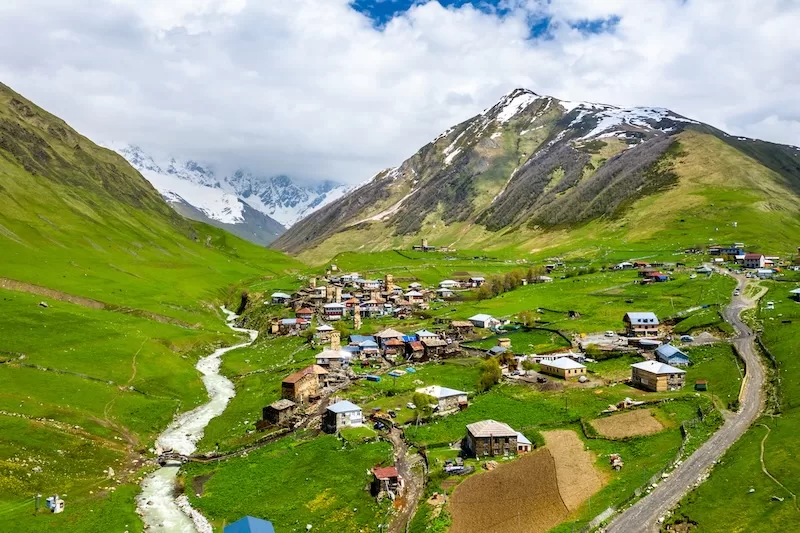
Once notorious for headlines tied to conflict on the fringes of the former Soviet world, Pankisi Valley in Georgia is now attracting visitors who find a destination far removed from its old reputation. The region’s rugged landscapes, distinct Kist culture, and traditional cuisine are drawing curious travelers eager to explore a place that long endured stereotypes about militancy and instability.
Although Pankisi’s past included episodes of foreign fighters using the valley as refuge in the early 2000s, recent years have seen a concerted effort by local communities to reshape the narrative, hosting tourism initiatives, cultural events, and peaceful exchanges that emphasize hospitality over fear. Today’s visitors are discovering a valley whose reality is far more nuanced than the headlines once suggested.
Ancient Fire
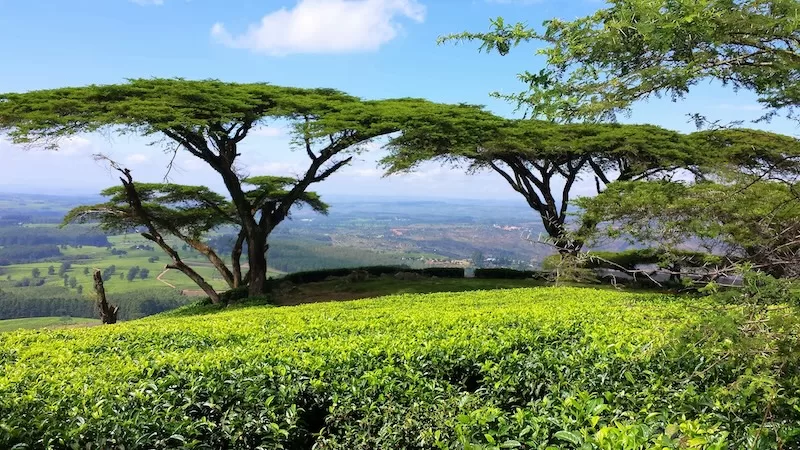
Archaeologists in northern Malawi have uncovered the oldest known cremation pyre in Africa, revealing that intentional burning of human remains was practiced nearly 9,500 years ago. The site at Mount Hora yielded layers of ash, charcoal, and burned bone fragments that likely belonged to an adult woman, suggesting deliberate funeral ritual rather than natural fire.
The discovery not only extends the continental record of mortuary practices by several millennia, it also offers new insight into the social and symbolic lives of ancient hunter-gatherer communities. Researchers propose that such elaborate funerary behavior reflects complex belief systems and collective cooperation, pushing back assumptions about early human ritual in tropical Africa.
Flu Season Surges
As winter deepens across much of the Northern Hemisphere, health officials are warning of an intense and early flu season driven by a dominant influenza strain, with hospitals in Europe and the United States reporting higher-than-usual case volumes and pressure on health systems. Recent public health data show influenza activity ramping up weeks ahead of typical seasonal peaks, prompting renewed calls for vaccination and preventive measures.
The spread of the H3N2 subclade K variant, sometimes dubbed “super flu”, is being linked to early outbreaks in Spain, the UK, and the U.S., where increased hospital admissions and respiratory illness have already been observed. Experts emphasize that while the virus’s mutations may not make it inherently more deadly, its ability to evade immunity from prior infection or vaccination could drive more widespread infection this season.
Contact Author
"*" indicates required fields
Stay Ahead on Every Adventure!
Stay updated with the World News on Escape Artist. Get all the travel news, international destinations, expat living, moving abroad, Lifestyle Tips, and digital nomad opportunities. Your next journey starts here—don’t miss a moment! Subscribe Now!