This week’s World News Roundup moves through political controversy, technological misfires, and stories of unintended consequence. Donald Trump once again dominates headlines with fresh provocation, while Italy reels over the deployment of U.S. immigration agents on European soil. In Colombia, a fatal plane crash claims the lives of all on board, and in Australia, an AI-powered tourism tool sends travelers chasing destinations that don’t exist. Meanwhile, proposed U.S. social-media screening rules threaten to reshape global travel flows, and the work of an accidental climate scientist offers a reminder of how individual curiosity can change the world. Here’s what’s making headlines this week.
Fresh Provocation
Donald Trump has reignited global backlash after unveiling a new slate of proposals that include expanded tariffs on European imports, tougher immigration enforcement, and renewed pressure on allies over security and territory, including fresh remarks on Greenland that prompted condemnation across Europe. The comments, delivered during a campaign-style address, triggered protests and sharp diplomatic responses within hours.
Critics say the episode reflects a familiar pattern of escalation that creates uncertainty for governments, markets, and travelers alike. Even without immediate policy implementation, analysts warn that the rhetoric alone is reshaping international relationships, reinforcing perceptions of volatility at a moment when global cooperation is already under strain.
Olympic Backlash
Italians have reacted with anger after reports that U.S. Immigration and Customs Enforcement agents will be deployed to assist with security during the upcoming Winter Olympics. The presence of ICE officers, typically associated with U.S. immigration enforcement rather than international sporting events, has provoked protests and political condemnation.
Italian officials and civil-rights groups argue the move blurs jurisdictional boundaries and risks importing U.S. immigration politics into a European setting. The controversy has fueled broader debate over security, sovereignty, and the expanding reach of American law-enforcement agencies abroad.

No Survivors
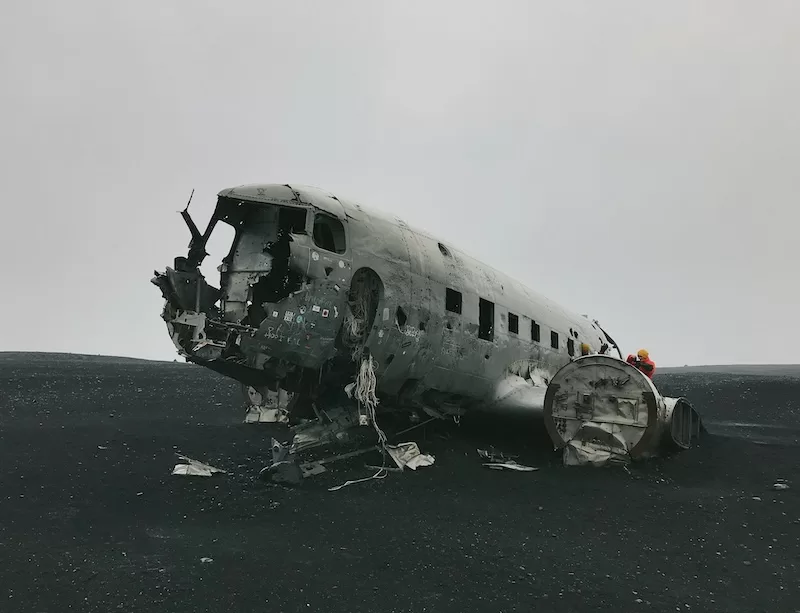
Authorities in Colombia have confirmed that no survivors were found after a small plane crashed with 15 people on board, including a sitting lawmaker. The aircraft went down in a remote area, complicating search and recovery efforts and delaying confirmation of casualties.
The tragedy has sent shockwaves through the country’s political and aviation communities, with officials pledging a full investigation into the cause of the crash. Tributes have poured in as Colombia mourns the loss of passengers whose journey ended abruptly and without warning.
Phantom Springs
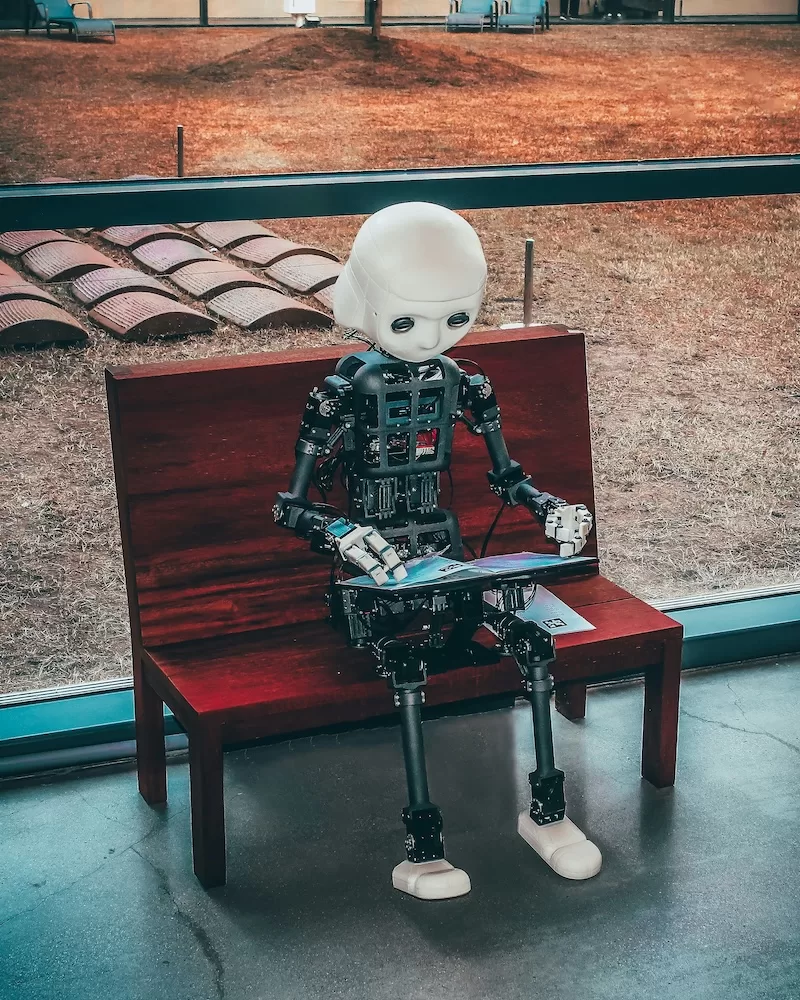
An Australian travel company has been forced to apologize after an AI-generated feature on its website directed tourists to hot springs that do not exist. The fabricated destinations appeared convincing enough to prompt inquiries and travel plans before the error was discovered.
The incident has raised fresh concerns about the unchecked use of artificial intelligence in tourism and marketing. Industry experts warn that while AI can enhance efficiency, overreliance without human oversight risks misleading travelers and damaging trust.

Visitor Drop
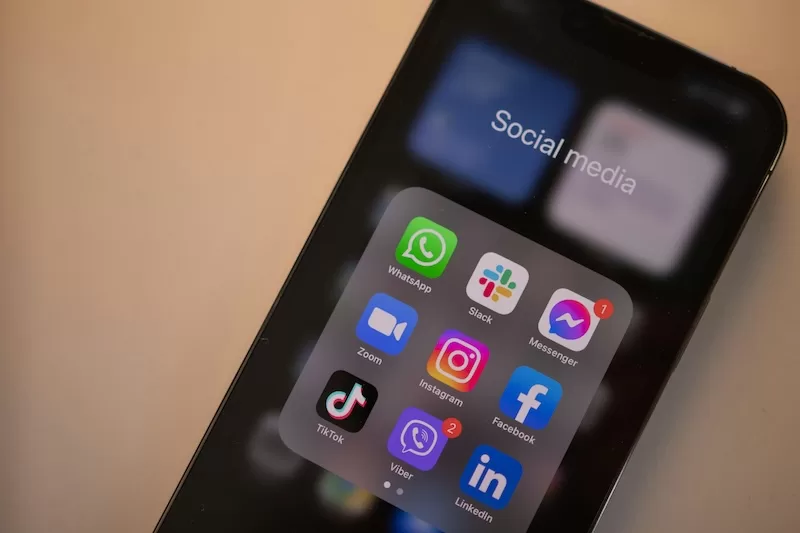
Millions of travelers may rethink visits to the United States if proposed policies requiring social-media disclosures from foreign visitors move forward, according to industry experts. Travel and tourism groups warn the measure could deter tourists, students, and business travelers concerned about privacy and surveillance.
The potential impact comes as the U.S. tourism sector continues to recover unevenly from pandemic losses. Critics argue the policy risks reinforcing perceptions of the country as unwelcoming, at a time when global competition for visitors is intensifying.
Unlikely Scientist
Veerabhadran Ramanathan never set out to become a climate pioneer. Growing up in southern India in the 1960s, he dreamed of the American ideal. Even imagining himself behind the wheel of a Chevrolet Impala. Instead, his scientific curiosity led him to discoveries that reshaped understanding of global warming.
Ramanathan’s work revealed the powerful role of short-lived climate pollutants in accelerating planetary heating, influencing decades of environmental research and policy. His journey stands as a reminder that some of the most consequential scientific breakthroughs emerge not from grand ambition, but from unexpected paths.

Contact Author
"*" indicates required fields
Stay Ahead on Every Adventure!
Stay updated with the World News on Escape Artist. Get all the travel news, international destinations, expat living, moving abroad, Lifestyle Tips, and digital nomad opportunities. Your next journey starts here—don’t miss a moment! Subscribe Now !
This week’s World News Roundup moves through political controversy, technological misfires, and stories of unintended consequence. Donald Trump once again dominates headlines with fresh provocation, while Italy reels over the deployment of U.S. immigration agents on European soil. In Colombia, a fatal plane crash claims the lives of all on board, and in Australia, an AI-powered tourism tool sends travelers chasing destinations that don’t exist. Meanwhile, proposed U.S. social-media screening rules threaten to reshape global travel flows, and the work of an accidental climate scientist offers a reminder of how individual curiosity can change the world. Here’s what’s making headlines this week.
Fresh Provocation
Donald Trump has reignited global backlash after unveiling a new slate of proposals that include expanded tariffs on European imports, tougher immigration enforcement, and renewed pressure on allies over security and territory, including fresh remarks on Greenland that prompted condemnation across Europe. The comments, delivered during a campaign-style address, triggered protests and sharp diplomatic responses within hours.
If you'd like to read the full story, simply enter your email to subscribe to our newsletter.
For even more expert insights, unmissable resources, and exclusive invites, explore our premium subscription offers here.
OR
Already a Subscriber? Click here to login
Subscription required
You've reached your limit of free articles. For full access to Escape Artist, and all of our insights on travel, moving abroad, and the digital nomad life, click here to Subscribe.
Already a Subscriber? Log in here