Teak trees have numerous benefits worth extolling. Teak lumber is sturdy, resistant to both moisture and fungal rot, and aesthetically pleasing – with its rich hue and even grain. It is one of the most valuable, sought-after hardwoods in the world, thanks to its unique combination of beauty and practicality. The downside to all this, of course, is that such a desirable commodity is almost guaranteed to be exploited by unscrupulous profiteers, and teak is no exception to this unfortunate reality.
For all its positive qualities, teak is limited by its need for very particular growing conditions: near-constant sunlight, sufficient rain, and fertile soil. As a result, teak only grows naturally in certain regions of Southeast Asia where these conditions can be met. Indonesia, Myanmar (formerly known as Burma), Thailand, and Bangladesh are some of the only locations in the world where teak has been able to thrive without external aid. These particular trees are known as “old-growth” teak. Unfortunately, the global demand for teak has outstripped the available supply in these select locations. As teak continues to be one of the best materials for buildings, furniture, boats, and more, a growing need for lumber will only exacerbate strain on the dwindling supply of it.
In an effort to combat the pillaging of their natural resources, national governments have attempted to legislate against the threat of deforestation. Harvesting teak is now banned outright in Myanmar, but laws alone aren’t enough to prevent the improper sale of Burmese teak. Logging bans haven’t saved teak forests, only driven the sale of their timber into the black market. Improperly managed teak operations have also been implicated in the questionable use of human labor, as local populations who once happily made their living from the land are forced to work for low wages for the very companies that deforested their homes. This “conflict teak,” sourced from regions of Asia where its legality is now in question, carries with it the stigma not only of environmental destruction but also political corruption and human rights violations. Conflict teak is not the type of teak worth investing in.
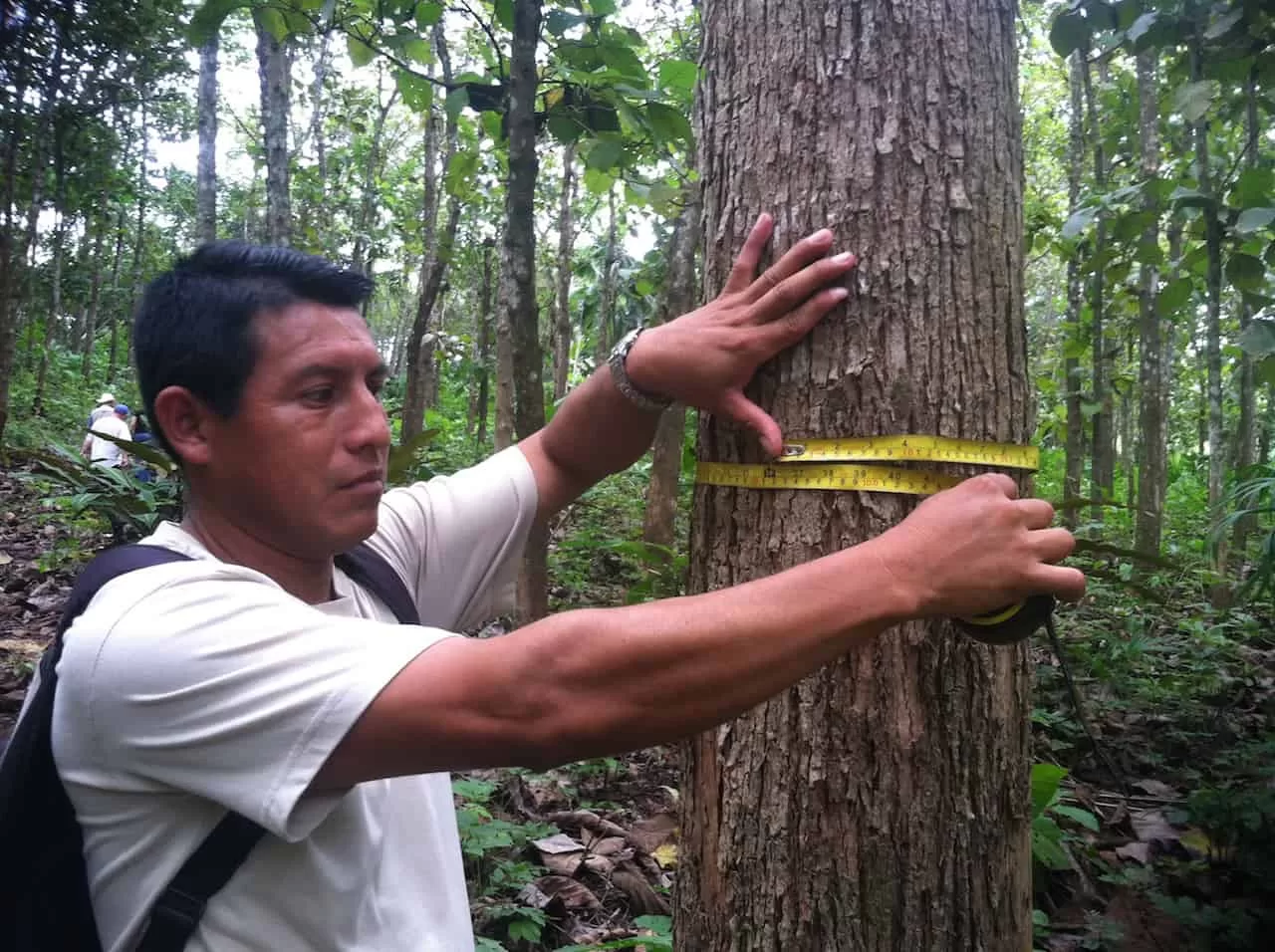
Fortunately, tropical environments like those in Central America can also sustain teak forests. These plantations are both environmentally sustainable and ethical, not to mention completely legal. In fact, governments in Nicaragua and Panama encourage the development of teak in their countries as a means of bringing in foreign investment dollars, with the potential to gain residency and its associated perks for serious teak investors. There are also incentives to potential investors beyond the simple benefit of the teak profits alone. Plantation teak, if managed properly, does the opposite of its controversial cousin overseas. Teak plantations can bring jobs into financially struggling regions, take advantage of land that might otherwise go unused, and offer a renewable source of lumber that can be harvested and regrown every 25 years.
Plantation teak offers benefits to multiple parties along the way, from lumber workers to timber buyers to the investors whose money makes the process possible. As far as investments go, owning teak is relatively low risk and high reward. Although there have been arguments that plantation teak is inferior to old-growth teak due to lower wood density, studies from the United States Department of Agriculture and India’s Forest Research Institute have debunked these claims, finding no significant relationship between teak’s growth rate and its density. In other words, plantation teak is just as good as old-growth teak, without the accompanying human or environmental rights violations.
While it is true that plantation teak may have a slightly different grain than old-growth Asian teak, due to its alternative growing conditions, these differences can be mitigated by the “slow growth” cultivation recommended by some forestry experts. The slow growth process eschews irrigation or fertilizers, allowing the teak trees to develop at their own pace and produce a grain not dissimilar to that of naturally grown teak from Southeast Asian forests. This makes plantation teak an option with many upsides and very few downsides.
Smart investors are catching on to the many benefits of investing in Central American teak plantations. If you’re interested in a sustainable, ethical, environmentally and financially sound investment opportunity, now is the time to jump on it. If you’re interested in learning how you can own plantation teak in Nicaragua or Panama, get in touch with us and we’ll be happy to answer any questions.
In-demand, yet of dwindling supply in the marketplace, Teak is a remarkably valuable hardwood that is extremely durable, practical, and beautiful. To learn more about this opportunity watch this special presentation by Rachel Jensen and Mikkel Thorup.

For an amazing read on all things Teak, here is an article just for you: The Ultimate Guide To Investing In Teak Wood
Contact Author
"*" indicates required fields
Stay Ahead on Every Adventure!
Stay updated with the World News on Escape Artist. Get all the travel news, international destinations, expat living, moving abroad, Lifestyle Tips, and digital nomad opportunities. Your next journey starts here—don’t miss a moment! Subscribe Now !
Teak trees have numerous benefits worth extolling. Teak lumber is sturdy, resistant to both moisture and fungal rot, and aesthetically pleasing – with its rich hue and even grain. It is one of the most valuable, sought-after hardwoods in the world, thanks to its unique combination of beauty and practicality. The downside to all this, of course, is that such a desirable commodity is almost guaranteed to be exploited by unscrupulous profiteers, and teak is no exception to this unfortunate reality.
For all its positive qualities, teak is limited by its need for very particular growing conditions: near-constant sunlight, sufficient rain, and fertile soil. As a result, teak only grows naturally in certain regions of Southeast Asia where these conditions can be met. Indonesia, Myanmar (formerly known as Burma), Thailand, and Bangladesh are some of the only locations in the world where teak has been able to thrive without external aid. These particular trees are known as “old-growth” teak. Unfortunately, the global demand for teak has outstripped the available supply in these select locations. As teak continues to be one of the best materials for buildings, furniture, boats, and more, a growing need for lumber will only exacerbate strain on the dwindling supply of it.
In an effort to combat the pillaging of their natural resources, national governments have attempted to legislate against the threat of deforestation. Harvesting teak is now banned outright in Myanmar, but laws alone aren’t enough to prevent the improper sale of Burmese teak. Logging bans haven’t saved teak forests, only driven the sale of their timber into the black market. Improperly managed teak operations have also been implicated in the questionable use of human labor, as local populations who once happily made their living from the land are forced to work for low wages for the very companies that deforested their homes. This “conflict teak,” sourced from regions of Asia where its legality is now in question, carries with it the stigma not only of environmental destruction but also political corruption and human rights violations. Conflict teak is not the type of teak worth investing in.
If you'd like to read the full story, simply enter your email to subscribe to our newsletter.
For even more expert insights, unmissable resources, and exclusive invites, explore our premium subscription offers here.
OR
Already a Subscriber? Click here to login
Subscription required
You've reached your limit of free articles. For full access to Escape Artist, and all of our insights on travel, moving abroad, and the digital nomad life, click here to Subscribe.
Already a Subscriber? Log in here