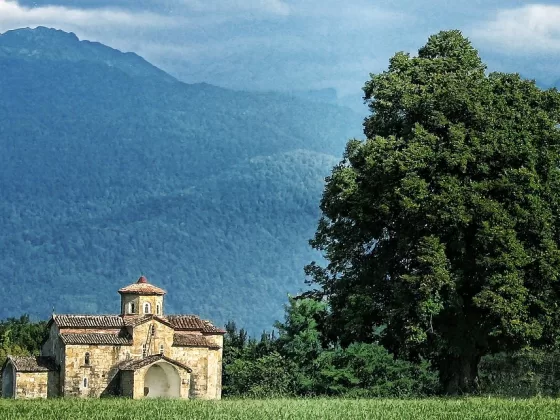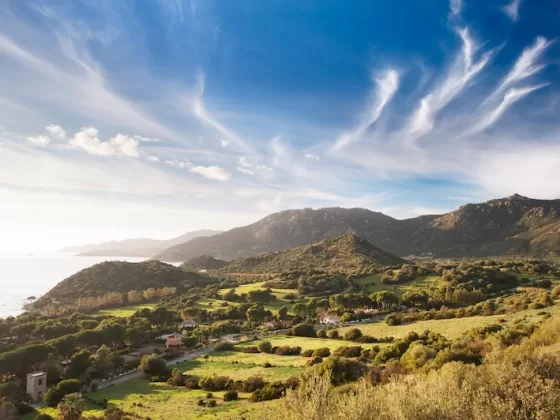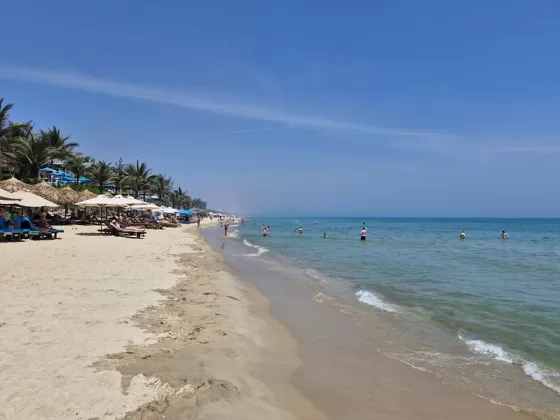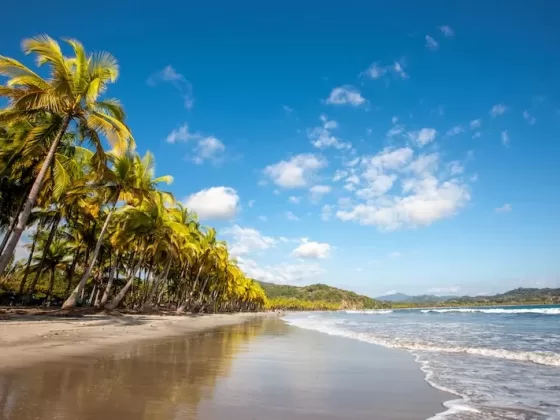
The word Ikaria slips off the tongue and lands like a smile. Fitting, really, for a place where people live not just longer, but with more ease, defying modern expectations of aging. Life expectancy on this remote Greek island stretches ten years beyond the average in Europe and the U.S., with those additional years largely free from the chronic diseases that shadow so many lives in the Western world. The Ikarians aren’t simply living longer; they’re thriving, quietly crafting a blueprint for a life well-lived.
The Ikarians aren’t simply living longer; they’re thriving, quietly crafting a blueprint for a life well-lived.
Blue Zone Beginnings
This jewel island, situated in the Aegean Sea not far from the more cosmopolitan party island of Mykonos, is one of only five Blue Zones in the world. The term “Blue Zone” was coined in 2004 by American journalist and researcher Dan Buettner, whose curiosity about longevity began with a single fact: Okinawans live significantly longer and healthier lives than most people elsewhere.
Read more like this: Global Experts Share Valuable Advice on Moving Abroad
Buettner assembled a team of experts—anthropologists, historians, dietitians, geneticists—and set out to interview centenarians across the globe. As they verified ages, they marked them with a blue pen on the map. Eventually, the map bloomed with blue clusters, and the name stuck. Since then, Buettner has dedicated himself to exploring and sharing the secrets of these longevity hotspots.
What’s So Special About Ikaria?
Ikaria officially joined the Blue Zone ranks in 2012, when researchers found that over a third of its population lives past the age of 90, many well beyond 100. By comparison, life expectancy in the U.S. and U.K. hovers around 78. But it’s not just about years lived—it’s about how those years unfold.
Ikarians over 90 have half the rate of heart disease, far fewer cancers, and remarkably low rates of dementia, a stark contrast to the U.S., where more than 40% of those over the age of 90 are diagnosed with some form of cognitive decline. And these aren’t frail elders merely surviving—they are active, alert, and joyful.
What’s more, by all accounts, they’re happy centenarians living productive lives.
There is indeed something special about this island. Or, not so much a thing as a combination of reasons. As you would expect, diet plays a major role in this demographic success story, and while there is so much more to the Ikarians than what they put on their plate, let’s look at their food first.
Longevity Food List
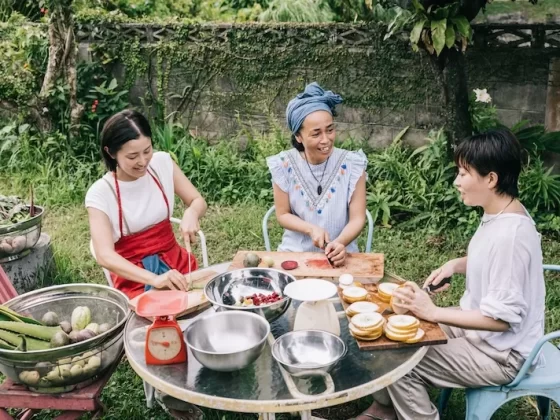
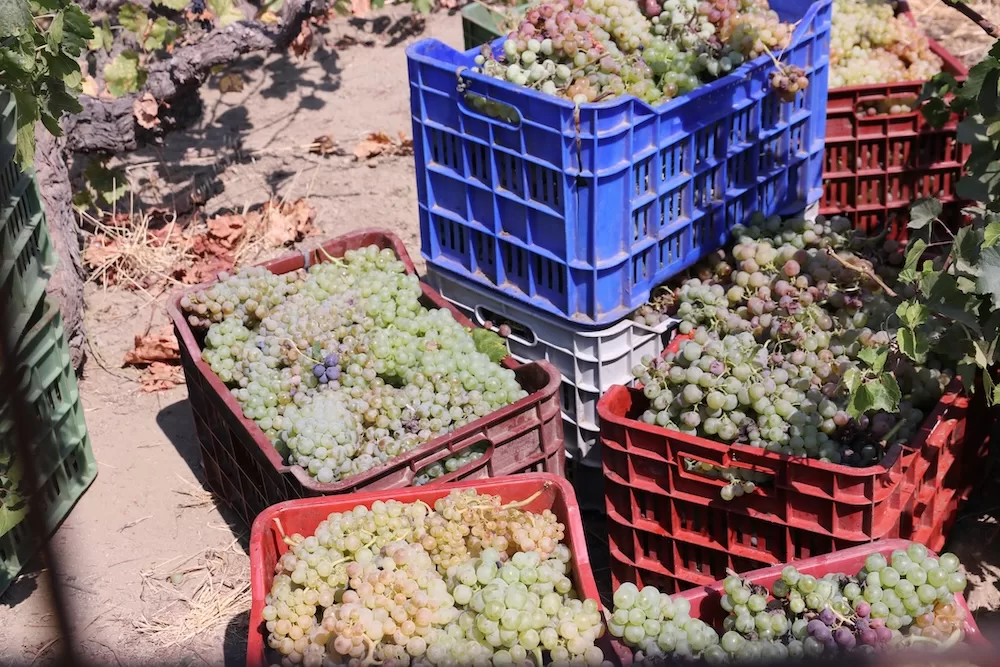
Most of Ikaria’s 8,000 or so inhabitants have their own lush vegetable gardens, fruit trees, and pots of fragrant herbs so their daily meals depend on what they can reach out and harvest just moments before cooking. What isn’t within reach is foraged from hills and fields, a practice born from hardship but now pursued out of preference.
Popular wild greens they consume, called horta—including asparagus, nettles, fennel, dandelion greens, Swiss chard, and mustard greens—are nutritional powerhouses, praised in ancient texts, their benefits are passed down through generations. Once gathered, they’re washed at least three times to remove any soil, then either boiled or served fresh with olive oil and the juice of a lemon plucked from the tree in the corner of the garden.
Read more like this: How to Move Abroad with Kids
There’s little appetite for exotic, out-of-season imports from faraway places here.
Around 80% of the Ikarian diet is plant-based, with pulses (the edible seeds of legumes) and beans, both fresh and dried, taking center stage: chickpeas, black-eyed peas, green runner beans, split peas, navy beans. Fish, caught locally that day, is eaten a few times a week, while meat—usually goat—is reserved for holidays and special occasions.
And then there’s the olive oil. Famous for its anti-inflammatory properties and extensive health benefits, even half a teaspoon of extra-virgin olive oil a day is linked to a lower risk of chronic disease. Ikarians, of course, use much more. Rarely measured, this liquid gold is poured liberally over salads and into saucepans. Honey, goat’s milk cheese, almonds… the list goes on. But what all these ingredients share is that they’re locally sourced, organically grown, and free from even a hint of ultra-processed food.
You Are What You Drink
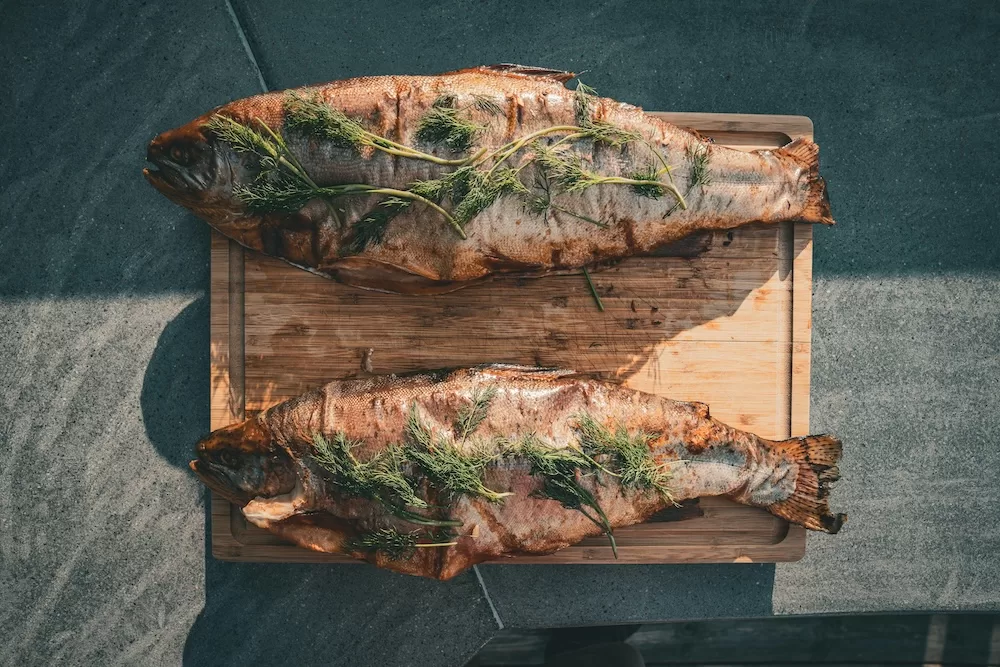
There are four main ways Ikarians like to quench their thirst: red wine, water, herbal teas, and goat’s milk. Ikaria is known for its robust red Pramnian wine, mentioned by Homer as part of a warrior’s concoction—along with barley flour and cheese—to promote strength and healing. Another historic island wine, dating back to at least 150 A.D., is made from the drought-resistant Fokiano grape. These and other varieties thrive in soil rich with limestone and slate, and have endured through the ages.
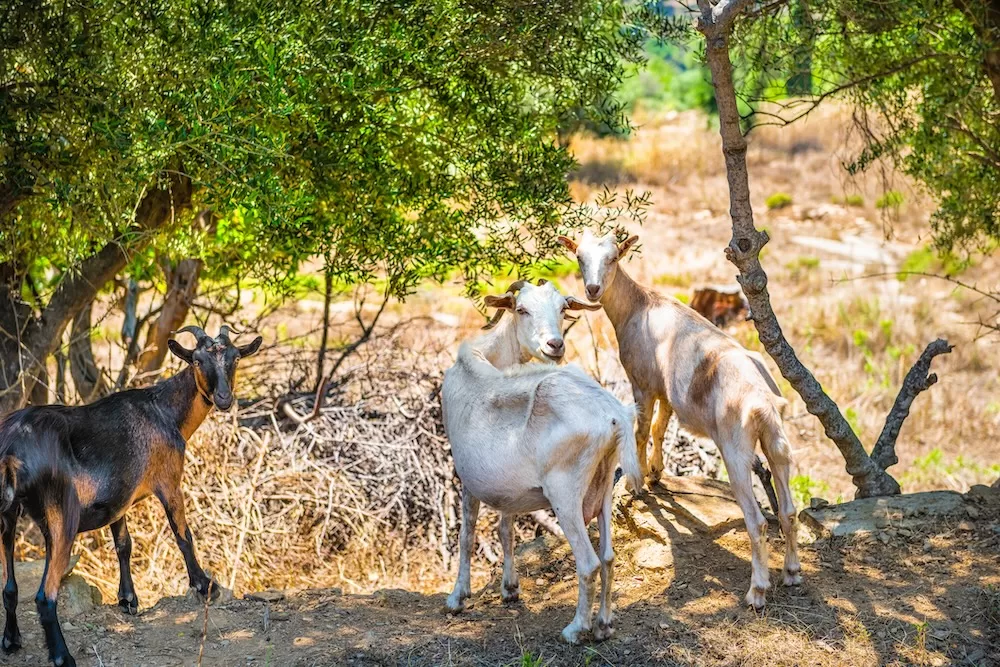
Goat’s milk is the milk of choice here since goats are endemic to the island, roaming freely across steep, barren rock and rugged mountains. Many families raise them for their meat and milk. Easier to digest than cow’s milk, goat’s milk is rich in potassium and tryptophan, a natural stress-reliever.
As for herbal teas, they deserve a book of their own. Found wild in the mountains or in pots by every kitchen window, herbs like oregano, sage, chamomile, mint, heather, and fennel are steeped daily, each known for its unique medicinal purpose: oregano for antioxidants, spearmint for digestion, peppermint to calm, rosemary as an antiseptic, sage to lower bad cholesterol, and chamomile for heart health, immune support, and restful sleep. This knowledge, passed down from generations of parent to child.
Water, Water Everywhere
The water of Ikaria deserves a paragraph of its own, because it plays a major role in the island’s Blue Zone designation. Drink it, bathe in it, swim in it—it’s so rich in therapeutic properties, it feels instantly rejuvenating.
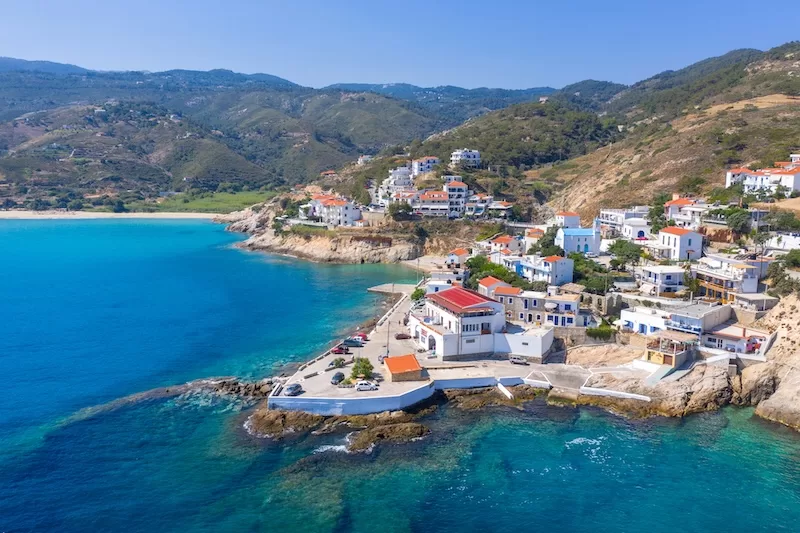
Just outside the village of Xylosyrtis lies the spring of immortal water—athanato nero in Greek. Cool water bubbles from a hot spring at the base of a white seaside cliff, and studies suggest its mineral elements can help treat conditions like gallstones and kidney ailments. Villagers follow the stone path beyond Xylosyrtis toward the sea, passing bougainvillea, lemon and fig trees, and grapevines—natural restoratives in their own right. Eventually, the rocks meet the Aegean, and the pilgrims drink their fill.
For bathing, there are eight thermal mineral springs, mostly on the southeast and northeast coasts, each with unique temperatures and levels of radio energy. For thousands of years, people from across Greece and Asia Minor have sought their therapeutic properties. In the spa town of Therma, the rocks are lined with sulphur. Locals soak in the mineral-rich water or retreat to a natural hammam carved from stone, sitting on benches in the steam. With saline radium and gaseous radon, the water has been shown to ease joint swelling, gout, skin and respiratory issues, and benefit the nervous system.
In the early morning before the sun gets too hot, or in the evening as it sets and leaves a golden path across the sea, Ikarians return to the water to swim in the clear, turquoise Aegean.
Where It All Comes Together
But there is still more. This is where everything—the food, the drinks, the healing waters—comes together and ties into one cohesive story. It’s in the island’s history and geography, the elements that shape a people, where the uniqueness of Ikaria truly lies.
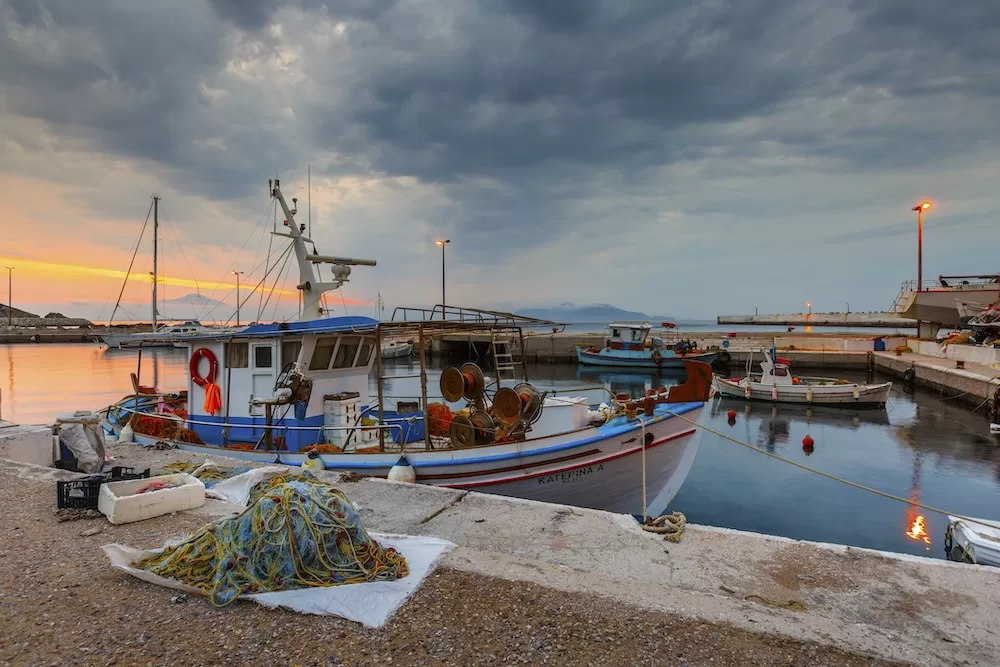
Set slightly apart from other Greek islands, Ikaria is not easily reached. It takes effort—two flights, two ferries, more time. And with no natural harbors or gulfs, the island is unprotected from the annual meltemi winds, which can turn the Aegean unpredictable and even dangerous. As a result, Ikaria has largely escaped the mass tourism that has changed many of its neighbours. And the Ikarians prefer it that way.
To understand something of their quietly rebellious character, we need to look to history. From the Roman era, which began in 31 BC, to the late 1940s, Ikaria was known as an island of exile, home to those who opposed the ruling elite. In the final wave of banishments, around 13,000 communists were exiled to Ikaria, and more than 30,000 passed through after the civil war that followed World War II.
They were poets, writers, composers, academics, and though they weren’t imprisoned, they were destitute and homeless, and food was scarce. The Ikarians took them in, offering clothing, food, and shelter, despite being desperately poor themselves and not necessarily sympathetic to the communist cause.
The Ikarians Themselves Are The Key
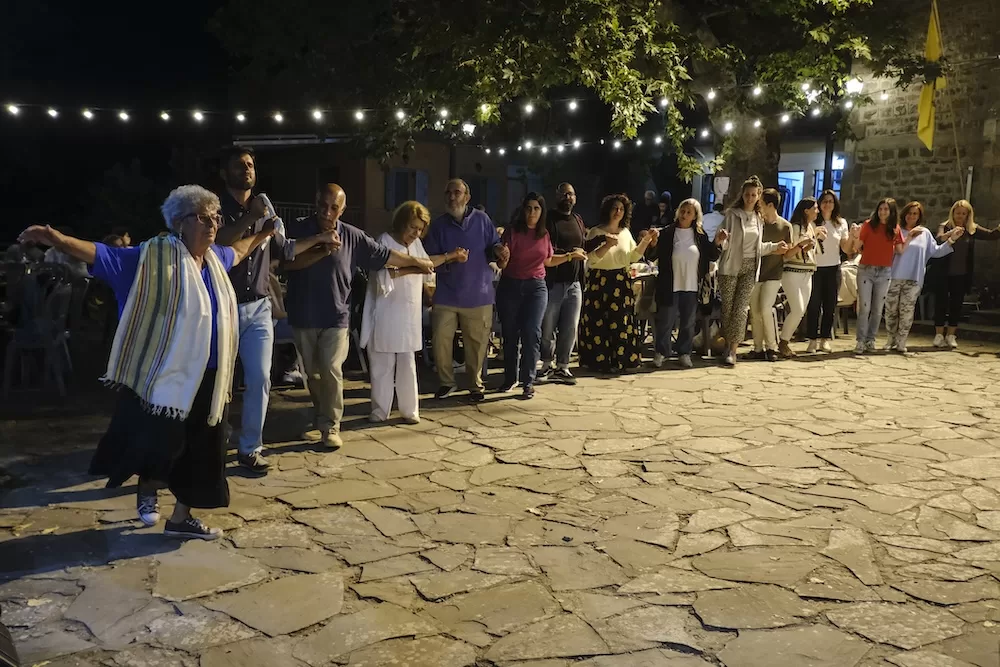
To be Ikarian is to be individualistic, self-sufficient, non-conformist—people who have created their own world and are perfectly happy in it. They raise their own livestock, farm their land, tend their gardens, harvest their olive oil, make their wine, produce their honey, and catch their fish. They nap when they please, open their shops when they’re ready, and, surprisingly, rise late—because they’ve been dancing into the early hours at one of the many village fiestas.
To be Ikarian is to be individualistic, self-sufficient, non-conformist—people who have created their own world and are perfectly happy in it.
In much of Greece, young people leave to build easier lives in towns and cities, avoiding the hard work and effort required to live without the support of modern infrastructure. But not in Ikaria. Here, the young tend to stay, ready to take on the physical labor that comes with self-sufficiency. And this, too, contributes to their long, healthy lives—natural, spontaneous, and constant movement.
What It Takes to Be a Blue Zoner
Buettner and his fellow researchers found that people living longer, healthier lives in Blue Zones share nine key behaviors, even though they live in very different parts of the world.
Read more like this: Why Living Abroad Works
Time is not measured by the clock but by nature’s rhythms and the body’s inclinations.
They move naturally, and everyone has a purpose. Even centenarians take part in the daily routines of preparing, planting, harvesting, and foraging needed to get a nourishing meal on the table. Time is not measured by the clock but by nature’s rhythms and the body’s inclinations. Their diet is plant-based, and socializing over a glass of wine in the village square is part of the everyday.
Relying on no one but family and friends, Ikarians feel a deep sense of connection to each other and to their wild, fertile, wind-swept island in the Aegean Sea. And that is something to smile about.
——————————-
Born in Australia, Marlene deWilde is a seasoned content editor and writer. Based in Heraklion, Greece, she enjoys exploring the world when she gets the chance and working with words over coffee. Contact her at marlenedewilde.com