Escape Artist
  • Features
    • Interview
    • Expat News
    • Field Notes
    • Trending
  • Your Plan B
    • Finance
    • Real Estate
    • Second Citizenship
    • Digital Nomad
    • Healthcare
  • Destinations
    • Europe
      • France
      • Germany
      • Italy
      • Portugal
      • Scandinavia
      • Spain
      • United Kingdom
      • Rest of Europe
    • Central America
      • Belize
      • Costa Rica
      • El Salvador
      • Guatemala
      • Honduras
      • Nicaragua
      • Panama
    • Others
      • Africa
      • Asia
      • Australia
      • North America
      • South America
      • Middle East
      • Rest of the World
  • Travel Tips
    • Know Before You Go
    • Packing List
    • Food + Culture
    • Health + Wellness
  • Subscribe
Escape Artist
  • Features
    • Interview
    • Expat News
    • Field Notes
    • Trending
  • Your Plan B
    • Finance
    • Real Estate
    • Second Citizenship
    • Digital Nomad
    • Healthcare
  • Destinations
    • Europe
      • France
      • Germany
      • Italy
      • Portugal
      • Scandinavia
      • Spain
      • United Kingdom
      • Rest of Europe
    • Central America
      • Belize
      • Costa Rica
      • El Salvador
      • Guatemala
      • Honduras
      • Nicaragua
      • Panama
    • Others
      • Africa
      • Asia
      • Australia
      • North America
      • South America
      • Middle East
      • Rest of the World
  • Travel Tips
    • Know Before You Go
    • Packing List
    • Food + Culture
    • Health + Wellness
  • Subscribe
👤

THE NUMBER ONE SOURCE FOR BUILDING A LIFE ABROAD

This field is for validation purposes and should be left unchanged.
  • Finance

4 Reasons Offshore Banks Hate Cryptocurrency

  • BY staffwriter
  • August 12, 2017
Total
0
Shares
0
0
0

Offshore banks and international financial institutions hate to open accounts for cryptocurrency investors. Here are 4 reasons why offshore banks hate cryptocurrency investors and what you can do to open accounts offshore.

First, banks hate cryptocurrency investors because they deposit large sums of money in the bank and then wire it out to a wallet or brokerage that will convert it to Bitcoin. This causes all kinds of issues for the bank.

One of the most common forms of money laundering includes sending wires around the world in an attempt to “wash” the cash or hide its origin. Banks don’t want to be party to any illegal activity, so they don’t like a lot of “in and out” transfers.

To prevent this, some offshore banks have an 80/20 rule. You should keep about 80% of the cash that you deposit in the bank. Thus, you can wire out about 20% to brokerages and other accounts.

The 80/20 rule is most commonly seen in Swiss investment banks and those who make money investing your cash. Because most offshore banks operate as investment banks, and not business or commercial banks, they only make money if you keep cash in the account.

And this gets me to the second reason banks hate cryptocurrency. The more money you hold in a bank the more profit that bank makes on overnights. That is to say, the bank profits from your deposits.

If you send most of your money to a bitcoin wallet, and keep a minimum balance, the bank makes nothing on the account. They have all the compliance costs of reporting and investigating a large account (because you deposited a large amount of money for a day or two) without any of the profits they would usually earn on such an account.

The third reason offshore banks hate cryptocurrency are the compliance costs they incur. Cryptocurrency investors often make a large deposit, so the bank needs to thoroughly investigate the beneficial owner on the account and the source of funds. The bank must be 101% sure the funds are clean and not from illegal activities.

Also, the bank must be sure that the person is tax compliant in his or her home country. If you’re from the United States, the bank must report the transaction to the US IRS under FATCA. If you’re from the EU, the bank has OECD CRS reporting requirements. All of this takes time and money to do.

Again, if you’re account has a large balance for a short period of time, the bank has all of the compliance costs and headaches associated with a large customer without any of the profit incentives.

The fourth reason offshore banks hate cryptocurrency investors is that there is no way for the bank to investigate the source of funds when money is sent from the cryptocurrency wallet back into the bank account.

In theory, you could prove the source of funds if you simply deposited money into a wallet, let it sit there for a while, and then sent all of the cash back to the bank. You could prove that the increase in value was due to appreciation over the time held as a cryptocurrency.

But, what if you’re transacting through your offshore cryptocurrency wallet? What’s the source of incoming transfers? There is no way for anyone to prove that the money being deposited into your wallet is clean. In fact, there’s no way to prove where the money came from and no way to prove how it was earned.

So, offshore banks view cryptocurrency accounts as high risk. There’s no way to check the source of funds coming out of these wallets and the bank could be liable if drug money or other ill gotten gains laundered through their system in this fashion.
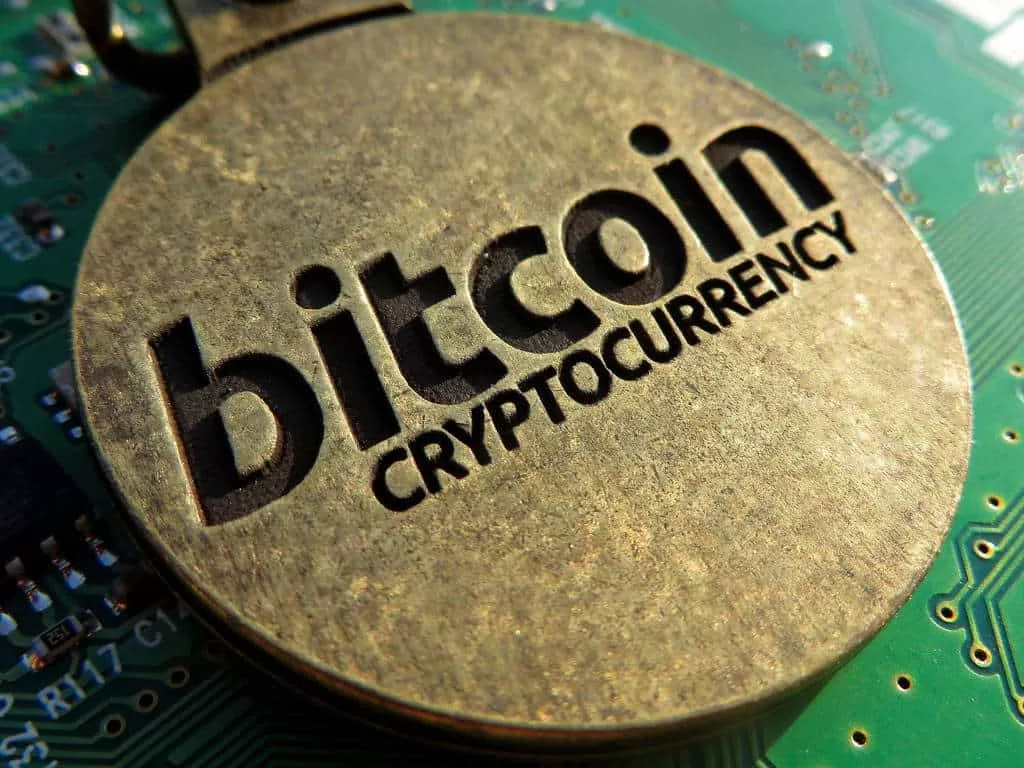
Considering that the banks make little money on accounts for cryptocurrency investors, have high compliance and reporting costs because they held money for one or two days, and the risk of being caught up in a regulatory nightmare is high, most offshore banks refuse to open accounts for cryptocurrency investors.

There are a few rays of hope for cryptocurrency in the offshore space. First, several large FX brokerages forming offshore banks and plan to offer currency investing and cryptocurrency investments. The most active jurisdiction for offshore bank licenses is the US territory of Puerto Rico. See: International Financial Entities Licenses in Puerto Rico

Also, I believe blockchain and cryptocurrency are the future of offshore banking. Currently, offshore banks are limited to offering investment banking services. The cost to send a wire is too high to allow them to offer business banking services. Once blockchain is capable of transmitting FIAT currency outside of these high cost legacy systems, offshore banks will be able to compete with local banks and offer all types of services.

I also think ICOs will become the prefered method of capitalizing an offshore bank. For more, see: How to Raise Money for an International Bank.Consumer Resource Guide

If you’re looking for a quality bank that will allow you to transact in Bitcoin today, the best are in Panama and Singapore. However, both of these jurisdictions are getting out of the offshore banking industry.

This means that only those with residency in Panama can open an account in Panama. Likewise for Singapore. You must have significant ties to these countries if you want to open an account. That is, you must prove to the bank that you need an account, not that you want an account.

The investment required to get residency in Singapore is about $1.2 million. If you’re from a top 50 country, you can get residency in Panama with an investment of only $20,000. For more on this, see: Best Panama Residency by Investment Program.

I hope you’ve found this article on why offshore banks hate cryptocurrency to be helpful. There are plenty of solutions in the pipeline, but Panama is the only one available today.

If you would like assistance setting up an offshore structure, or with residency in Panama, please contact us at info@premieroffshore.com or call us at (619) 550-2743. All consultations are free and confidential.

Contact Author

"*" indicates required fields

This field is for validation purposes and should be left unchanged.
Name*
Please let us know what's on your mind. Have a question for us? Ask away.

Stay Ahead on Every Adventure! 

Stay updated with the World News on Escape Artist. Get all the travel news, international destinations, expat living, moving abroad, Lifestyle Tips, and digital nomad opportunities. Your next journey starts here—don’t miss a moment! Subscribe Now!

Offshore banks and international financial institutions hate to open accounts for cryptocurrency investors. Here are 4 reasons why offshore banks hate cryptocurrency investors and what you can do to open accounts offshore.

First, banks hate cryptocurrency investors because they deposit large sums of money in the bank and then wire it out to a wallet or brokerage that will convert it to Bitcoin. This causes all kinds of issues for the bank.

One of the most common forms of money laundering includes sending wires around the world in an attempt to “wash” the cash or hide its origin. Banks don’t want to be party to any illegal activity, so they don’t like a lot of “in and out” transfers.

To prevent this, some offshore banks have an 80/20 rule. You should keep about 80% of the cash that you deposit in the bank. Thus, you can wire out about 20% to brokerages and other accounts.

The 80/20 rule is most commonly seen in Swiss investment banks and those who make money investing your cash. Because most offshore banks operate as investment banks, and not business or commercial banks, they only make money if you keep cash in the account.

And this gets me to the second reason banks hate cryptocurrency. The more money you hold in a bank the more profit that bank makes on overnights. That is to say, the bank profits from your deposits.

If you send most of your money to a bitcoin wallet, and keep a minimum balance, the bank makes nothing on the account. They have all the compliance costs of reporting and investigating a large account (because you deposited a large amount of money for a day or two) without any of the profits they would usually earn on such an account.

The third reason offshore banks hate cryptocurrency are the compliance costs they incur. Cryptocurrency investors often make a large deposit, so the bank needs to thoroughly investigate the beneficial owner on the account and the source of funds. The bank must be 101% sure the funds are clean and not from illegal activities.

Also, the bank must be sure that the person is tax compliant in his or her home country. If you’re from the United States, the bank must report the transaction to the US IRS under FATCA. If you’re from the EU, the bank has OECD CRS reporting requirements. All of this takes time and money to do.

Again, if you’re account has a large balance for a short period of time, the bank has all of the compliance costs and headaches associated with a large customer without any of the profit incentives.

The fourth reason offshore banks hate cryptocurrency investors is that there is no way for the bank to investigate the source of funds when money is sent from the cryptocurrency wallet back into the bank account.

In theory, you could prove the source of funds if you simply deposited money into a wallet, let it sit there for a while, and then sent all of the cash back to the bank. You could prove that the increase in value was due to appreciation over the time held as a cryptocurrency.

But, what if you’re transacting through your offshore cryptocurrency wallet? What’s the source of incoming transfers? There is no way for anyone to prove that the money being deposited into your wallet is clean. In fact, there’s no way to prove where the money came from and no way to prove how it was earned.

So, offshore banks view cryptocurrency accounts as high risk. There’s no way to check the source of funds coming out of these wallets and the bank could be liable if drug money or other ill gotten gains laundered through their system in this fashion.

Considering that the banks make little money on accounts for cryptocurrency investors, have high compliance and reporting costs because they held money for one or two days, and the risk of being caught up in a regulatory nightmare is high, most offshore banks refuse to open accounts for cryptocurrency investors.

There are a few rays of hope for cryptocurrency in the offshore space. First, several large FX brokerages forming offshore banks and plan to offer currency investing and cryptocurrency investments. The most active jurisdiction for offshore bank licenses is the US territory of Puerto Rico. See: International Financial Entities Licenses in Puerto Rico

Also, I believe blockchain and cryptocurrency are the future of offshore banking. Currently, offshore banks are limited to offering investment banking services. The cost to send a wire is too high to allow them to offer business banking services. Once blockchain is capable of transmitting FIAT currency outside of these high cost legacy systems, offshore banks will be able to compete with local banks and offer all types of services.

I also think ICOs will become the prefered method of capitalizing an offshore bank. For more, see: How to Raise Money for an International Bank.Consumer Resource Guide

If you’re looking for a quality bank that will allow you to transact in Bitcoin today, the best are in Panama and Singapore. However, both of these jurisdictions are getting out of the offshore banking industry.

This means that only those with residency in Panama can open an account in Panama. Likewise for Singapore. You must have significant ties to these countries if you want to open an account. That is, you must prove to the bank that you need an account, not that you want an account.

The investment required to get residency in Singapore is about $1.2 million. If you’re from a top 50 country, you can get residency in Panama with an investment of only $20,000. For more on this, see: Best Panama Residency by Investment Program.

I hope you’ve found this article on why offshore banks hate cryptocurrency to be helpful. There are plenty of solutions in the pipeline, but Panama is the only one available today.

If you would like assistance setting up an offshore structure, or with residency in Panama, please contact us at info@premieroffshore.com or call us at (619) 550-2743. All consultations are free and confidential.

Contact Author

"*" indicates required fields

If you'd like to read the full story, simply enter your email to subscribe to our newsletter.

For even more expert insights, unmissable resources, and exclusive invites, explore our premium subscription offers here.

This field is for validation purposes and should be left unchanged.


OR

Subscribe Now

Already a Subscriber? Click here to login

Subscription required

You've reached your limit of free articles. For full access to Escape Artist, and all of our insights on travel, moving abroad, and the digital nomad life, click here to Subscribe.

Already a Subscriber? Log in here

Total
0
Shares
Share 0
Tweet 0
Pin it 0
Previous Article
  • Finance

Where should Canadians set up an offshore business?

  • BY staffwriter
  • August 12, 2017
View Post
Next Article
  • Your Plan B

A Whole Lotta Pasta

  • BY Rachel Jensen
  • August 12, 2017
View Post
You May Also Like
Chess pieces on a board overlaid with financial charts and data visualizations representing strategic financial planning
View Post
  • Finance
Building a Resilient Banking Strategy for Life Abroad
  • BY Isha Sesay
  • April 22, 2026
Aerial view of a coastal Portuguese city with hotels, residential buildings, mountains, and the Atlantic shoreline stretching into the distance
View Post
  • Golden Visa
Exploring Currency Considerations for Portugal’s Golden Visa
  • BY Iva Slavtcheva
  • April 15, 2026
Evening street scene in Dubai with illuminated digital billboards, pedestrians, and modern skyscrapers rising in the background
View Post
  • Plan B
Geopolitical Risk and the Shift Beyond the Gulf
  • BY Luigi Wewege
  • April 8, 2026
Senior couple enjoy sea water
View Post
  • Plan B
Retirement Abroad and the New Cost of Living
  • BY Isha Sesay
  • April 1, 2026
Aerial view a woman gazing out over the ocean along the shoreline of Shoal Bay Beach with crashing waves and palm trees on the island of Anguilla.
View Post
  • Plan B
The Rise of the Plan B Portfolio
  • BY Luigi Wewege
  • March 25, 2026
digital dollar symbol on blockchain network representing cryptocurrency and decentralized finance
View Post
  • Finance
The 2026 Guide to Crypto-Friendly Jurisdictions
  • BY EA Editorial Staff
  • March 18, 2026
Upward arrow moving across rising steps representing growth and progress.
View Post
  • Plan B
Inflation Abroad Is Changing Life Overseas
  • BY Isha Sesay
  • March 4, 2026
The Countries Where Your Dollar Goes Furthest
View Post
  • Plan B
The Countries Where Your Dollar Goes Furthest
  • BY EA Editorial Staff
  • February 13, 2026
Trending Posts
  • Panama City skyline at night with illuminated towers, coastal boulevard, and light trails running along the waterfront 1
    • Plan B
    Ready to Leave the US? These Countries Might Trump the American Dream
    • April 20, 2026
  • Two people sitting on a beach at sunset with waves rolling in and rocky coastline silhouetted against the golden sky 2
    • Costa Rica
    Why Some Expats Leave Costa Rica (and Others Stay Forever)
    • April 17, 2026
  • Chess pieces on a board overlaid with financial charts and data visualizations representing strategic financial planning 3
    • Finance
    Building a Resilient Banking Strategy for Life Abroad
    • April 22, 2026
  • Aerial view of a coastal Portuguese city with hotels, residential buildings, mountains, and the Atlantic shoreline stretching into the distance 4
    • Golden Visa
    Exploring Currency Considerations for Portugal’s Golden Visa
    • April 15, 2026
  • People enjoying the summer at the beach at Lake Ohrid in North Macedonia 5
    • Europe
    Inside North Macedonia: Europe’s Most Unexpected Reinvention
    • April 24, 2026
Know Before You Go
  • Children touching bananas in the tropical climate of Costa Rica 1
    • Costa Rica
    Is Costa Rica the Fresh Start Your Family Is Looking For?
    • April 27, 2026
  • People enjoying the summer at the beach at Lake Ohrid in North Macedonia 2
    • Europe
    Inside North Macedonia: Europe’s Most Unexpected Reinvention
    • April 24, 2026
  • Panama City skyline at night with illuminated towers, coastal boulevard, and light trails running along the waterfront 3
    • Plan B
    Ready to Leave the US? These Countries Might Trump the American Dream
    • April 20, 2026
  • Two people sitting on a beach at sunset with waves rolling in and rocky coastline silhouetted against the golden sky 4
    • Costa Rica
    Why Some Expats Leave Costa Rica (and Others Stay Forever)
    • April 17, 2026
  • Woman walking barefoot along a beach in the Philippines with boats, waterfront buildings, and lush limestone hills in the background 5
    • Digital Nomad
    A Digital Nomad’s Complete Guide to the Philippines
    • April 10, 2026
Learn More
  • About Us
  • Contact
  • Advertise
  • Subscribe
  • Shop
Why Subscribe

The newly imagined Escape Artist brings you fresh content with a global focus, and sharp, up-to-the-minute coverage of the joys, challenges, and opportunities of life abroad.

For a limited time, we’re offering a special discount on all subscription deals, so be sure to lock-in these incredible savings and start receiving top-notch travel and expat content today!

Sign up for the EA Newsletter

Get important news delivered directly to your inbox and stay connected!

This field is for validation purposes and should be left unchanged.
Escape Artist
  • Terms & Conditions
  • Privacy Policy
  • Cookies Policy
  • Disclaimer

Input your search keywords and press Enter.

Escape Artist

The Newsletter for a
Life Beyond Borders

Practical insights and real stories for those building a life abroad, trusted by 75,000 readers worldwide.

This field is for validation purposes and should be left unchanged.

Before you go, want $50 off your Summit registration?

Subscribe, and get $50 discount code for Plan B Summit registration.

Download Your Free Guide

Fill out the form below to get instant access to your guide + receive a $50 discount code for Plan B Summit 2026!

Download Your Free Guide

Fill out the form below to get instant access to your guide + receive a $50 discount code for Plan B Summit 2026!

Download Your Free Guide

Fill out the form below to get instant access to your guide + receive a $50 discount code for Plan B Summit 2026!

Newsletter Subscription