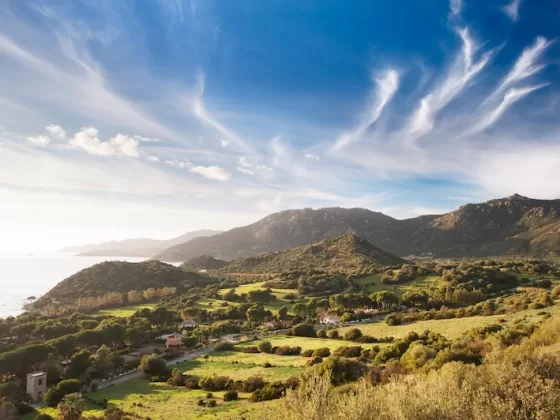
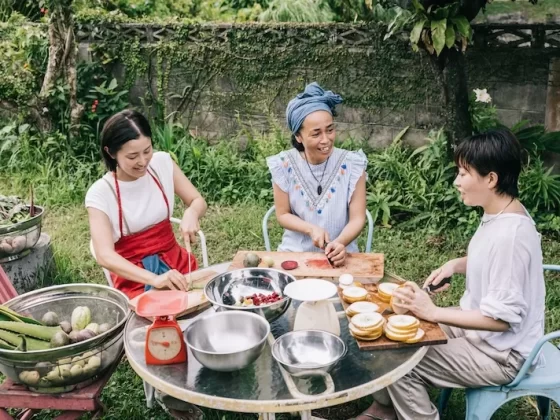
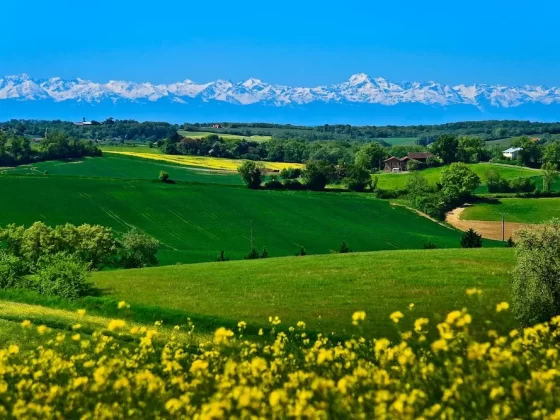
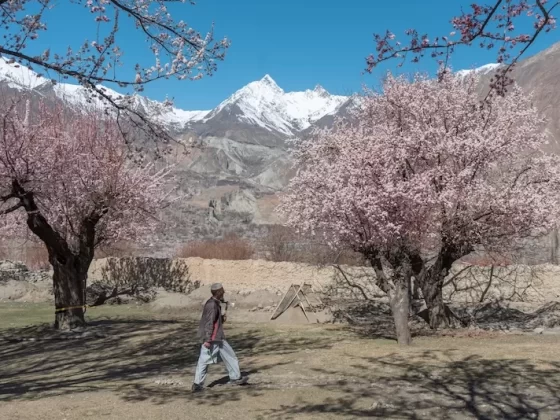
The Nicoya Peninsula in Costa Rica, with its rolling hills, verdant green farmlands, and breathtaking Pacific Ocean, has changed my outlook on life. Its beauty was one of the main attractions that brought me to Costa Rica. Another was its amazing people, and the many elements of their lives that lead to their incredible longevity. This region is home to the largest Blue Zone in the world, where many people live well into their 90s and beyond, often free from life’s larger stresses and major chronic illnesses.
Before visiting Costa Rica, I read Dan Buettner’s book Blue Zones: Lessons for Living Longer from the People Who’ve Lived the Longest. His research into the longevity of Nicoya’s residents left a lasting impression on me. Buettner’s book explores regions where people live significantly longer, healthier lives. Buettner identifies five “Blue Zones”, areas where the population experiences extraordinary longevity. These areas include the Nicoya Peninsula in Costa Rica; Sardinia, Italy; Okinawa, Japan; Ikaria, Greece; and Loma Linda, California. His research emphasizes the importance of lifestyle factors contributing to longevity, including diet, physical activity, and a sense of community. Buettner found that these regions offer valuable lessons that promote a longer, healthier life.

The Pura Vida Philosophy and Social Bonds
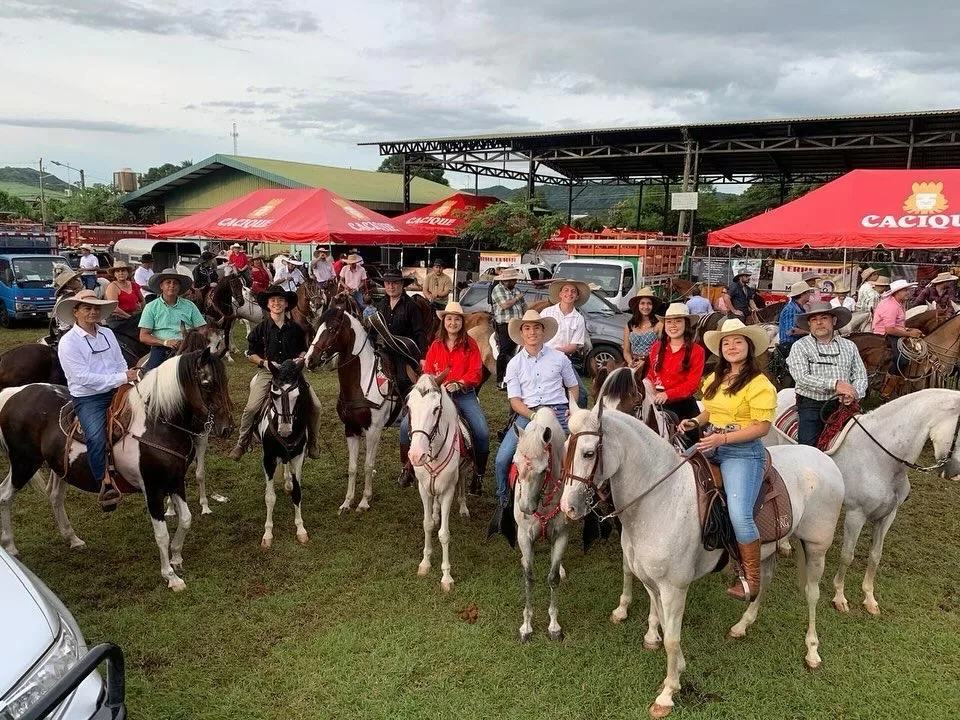
One of Nicoya’s most important aspects of life is the profound sense of community. Living here, I have witnessed firsthand how friendships and social connections thrive; soon after moving to the Nicoya Peninsula, I was invited to an end-of-season party for local workers. I saw local Ticos, an affectionate term for Costa Ricans, celebrating together. Many were from the same large families, dancing and singing joyfully. Young and old mingled with love and respect. This deep sense of belonging is not just a part of their lives. It’s a part of their identity. This sense of community is essential for the well-being of Nicoyans, offering emotional support and connection that many older adults in other parts of the world lack.
Read more like this: How to Build Wealth While Living Overseas
An important element in Buettner’s work is the role of social connections. In Nicoya, people often live with family members, including children and grandchildren, who provide daily support, keeping elders physically and emotionally engaged. A strong family bond and respect ensures older individuals remain connected to their community and feel a sense of belonging. The deep family ties and a strong community focus help Nicoyans maintain their mental health and avoid the isolation many older adults in other cultures experience.
One of Nicoya’s most important aspects of life is the profound sense of community. Living here, I have witnessed firsthand how friendships and social connections thrive
The social fabric of Nicoya is interwoven with the Pura Vida lifestyle. This philosophy throughout Costa Rica emphasizes living life with positivity, gratitude, and simple pleasures.
The social fabric of Nicoya is interwoven with the Pura Vida lifestyle. This philosophy throughout Costa Rica emphasizes living life with positivity, gratitude, and simple pleasures. The Pura Vida attitude is not just about being optimistic. It’s about living at a slower, more mindful pace. My friends who visit me in Costa Rica comment on the warmth and cheerfulness of the people. This open and welcoming atmosphere fosters a sense of belonging, essential for living a long, healthy life.
Since moving to Costa Rica, I have found that I worry less and enjoy more. I feel less burdened by the constant pressure of deadlines and expectations, and this change in mindset has impacted my overall health.
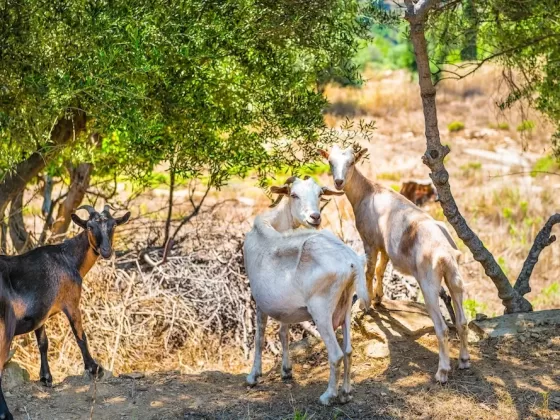
One of the key aspects of Pura Vida is stress reduction. In modern society, stress is often linked to a range of chronic conditions, including heart disease, diabetes, and depression. The Nicoyans take a more relaxed approach to life. They don’t rush to meet deadlines or barrel through their days, and this lower stress lifestyle contributes to their health and well-being. There is rarely any traffic (unless you are stuck behind a herd of goats). Work is often paced according to necessity rather than urgency, and people take time to appreciate nature, family, and the moment.
Since moving to Costa Rica, I have found that I worry less and enjoy more. I feel less burdened by the constant pressure of deadlines and expectations, and this change in mindset has impacted my overall health.
Read more like this: Top 10 Things to Know if You’re Moving to Costa Rica
A Purposeful Life
According to Buettner, a significant contributor to Nicoyans’ health is their “plan de vida,” a personal “life plan”, or reason to live that leads to a positive mindset. This concept is central to Costa Rican culture. Having a purpose, whether caring for family, tending to a farm, or contributing to the community, gives people a reason to get up every morning and stay engaged.
I recently interviewed Jorge Vindas, who worked with CRELES (Costa Rica Longevity and Healthy Aging Study) and assisted Buettner’s National geographic team. He has observed that this purpose-driven life is evident in the residents he works with. He has engaged with more than 600 centenarians on the Nicoya Peninsula and observes that many exhibit physical health, joyfulness, and tranquility. They are fulfilled because they contribute to their families and communities. Their sense of purpose, paired with a healthy lifestyle, helps them face the challenges of aging.
This concept of “plan de vida” is important in the face of modern challenges. It provides people stability and meaning, especially as they age. Individuals who feel they have a strong sense of purpose tend to live longer and have better mental and physical health than those who do not. On the Nicoya Peninsula, the cultural practice of living contributes to older adults maintaining cognitive function, emotional well-being, and physical vitality, which is associated with their longevity.
Diet: The Secret to Longevity
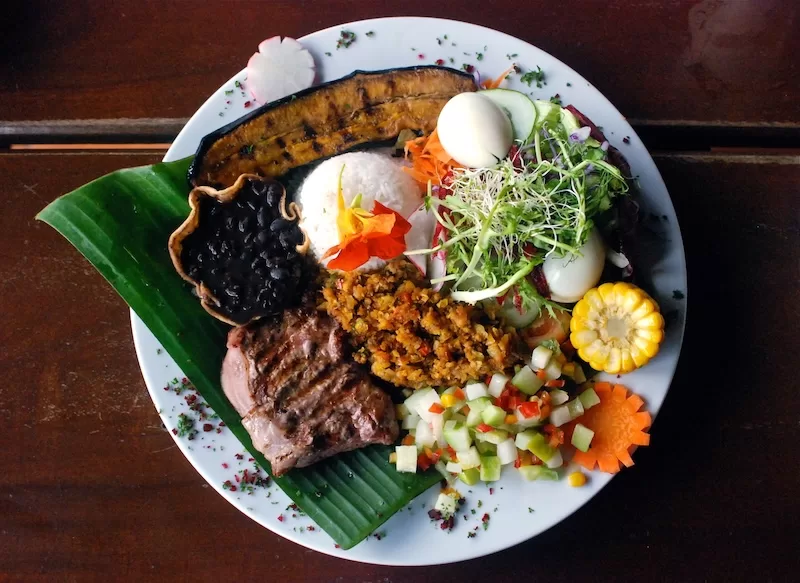
The diet in Nicoya is a cornerstone of the region’s health and longevity. Much of the peninsula remains rural, and family farms and ranches still produce most of the food consumed. According to Vindas, the Nicoyan diet is based on fresh, zero-processed, organic foods, with more than 90 percent of it locally grown. The traditional meals on the peninsula often feature rice, beans, pipián stew, chile stew, and corn-based dishes such as tortillas, tamales, and empanadas. They also eat plenty of locally grown vegetables like squash, yuca, chamol, and tiquisque, supplemented by eggs, milk, and cuajada (fresh cheese).
The abundance of fresh fruits and vegetables, without chemicals and preservatives found in much of the processed food we consume in more urbanized areas, is a significant contributor to the exceptional health of the local population.
This way of eating is a traditional Mesoamerican diet centered around agriculture’s “three sisters”: corn, beans, and squash. This diet is high in fiber, antioxidants, and essential vitamins, making it nutritious and filling. The three sisters are often grown together in the same field, improving soil quality and yielding a highly sustainable food source. This combination of foods provides a balanced intake of protein, fiber, and essential nutrients that support overall health. The region’s water is rich in calcium, which may contribute to lower rates of heart disease and help build stronger bones, reducing the incidence of fractures, especially in older adults.
Because of the area’s agrarian nature, Nicoyans eat local, seasonal produce, vital for maintaining health. The abundance of fresh fruits and vegetables, without chemicals and preservatives found in much of the processed food we consume in more urbanized areas, is a significant contributor to the exceptional health of the local population.
Over the past few years of living in Costa Rica, I’ve experienced the joy of eating freshly picked, locally grown produce. The flavors of the fruits and vegetables here are vibrant, and the fact that they are grown without using GMOs and fewer pesticides makes a noticeable difference in taste, health, and enjoyment.
Physical Activity: Integrating Movement into Daily Life
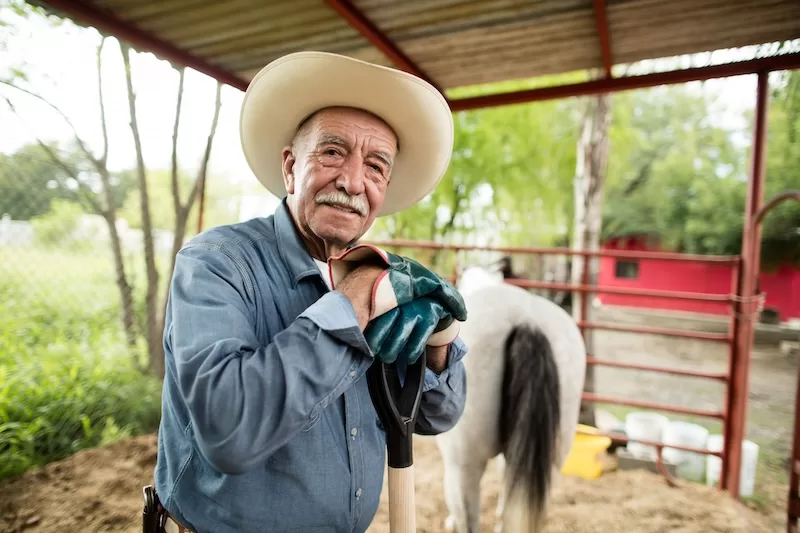
Physical activity is another critical factor contributing to Nicoyan’s longevity. Many residents engage in daily manual labor on farms or ranches, naturally incorporating physical exercise into their routines. Tasks like milking cows, walking long distances, using tools like machetes and axes, and washing clothes in rivers are part of daily life. This constant movement keeps people active, and daily exposure to sunlight helps them produce vitamin D, which is crucial for bone health and overall vitality. The level of physical activity in Nicoya is not the result of a formal exercise program. It’s simply a part of everyday life.
The active lifestyle is further enhanced by the social nature of many tasks. The walk to the local markets is often a social event where friends and family connect. There is no rush. People take their time, engage in conversations, and walk leisurely. This contrasts with the hurried, solitary nature of commuting in many urban areas, where stress and pollution affect one’s health.
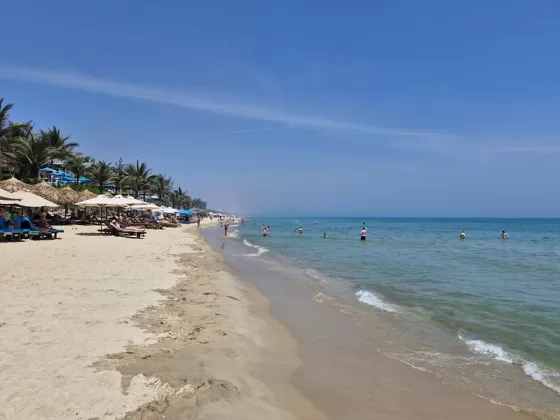
Living in Costa Rica, I’ve experienced the benefits of this daily movement. While I haven’t washed clothes in a river or milked a cow, I walk to most places, including the local markets and restaurants. Daily walks along the beach help keep my knees moving, provide essential exercise, and relieve the arthritis I’ve been battling for years. The natural environment of the Nicoya Peninsula encourages people to spend more time outdoors, breathing in fresh air and engaging in light physical activities.
Challenges and Concerns for the Future
Despite these positive aspects, there are growing concerns about the future of the Nicoya Blue Zone. Research by Luis Rosero Bixby, a public health and demography expert, suggests that younger generations born after 1930 in Nicoya may not live unusually long lives, signaling a shift in the region’s longevity advantage. The influx of tourism, globalization, and urbanization have introduced challenges, including rising obesity rates, higher levels of stress, and more sedentary lifestyles. These modern influences are eroding some of the traditional lifestyle factors that have contributed to the exceptional longevity of Nicoya’s older population.
Modern influences are eroding some of the traditional lifestyle factors that have contributed to the exceptional longevity of Nicoya’s older population.
It’s uncertain whether the next generations will maintain the same remarkable longevity. As the region becomes more integrated into the global economy and adopts more modern lifestyles, there is a risk that the traditional practices that have sustained the Nicoyan population for so long may fade. However, some researchers are seeing signs that new Blue Zones may be popping up in other areas of Costa Rica, which gives hope for the future.
The Nicoya Peninsula remains an inspiring example of how lifestyle, diet, and community can contribute to a long, healthy life. The factors that have helped many Nicoyans live well into their 90s, such as strong social bonds, a nutritious, plant-based diet, regular physical activity, and an outlook that emphasizes gratitude and purpose, continue to offer valuable lessons for those of us looking to live longer, healthier lives. During my time in this country, I’ve observed that adopting these straightforward principles can greatly influence how we age and live.
Stay updated with the latest news, global developments, and emerging trends from around the world. Subscribe now to receive in-depth analysis, expert perspectives, and real-time updates delivered straight to your inbox!
—————–
Semi-retired teacher and theater professional Tam Matthews moved to Costa Rica in January of 2023 with her two dogs. She writes about expat life on Substack.