Palau has made waves recently with their new digital residency program, with many people touting it as a potential workaround for crypto platforms that have banned users from certain jurisdictions such as Canada and the United States. But is it the real deal or too good to be true? Let’s discuss.
Where is Palau?
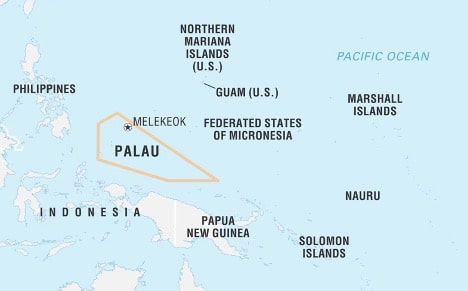
Before getting into the details of its digital residency program, it’s probably good to start with the basics, such as where Palau is located. You can find this nation in the southwestern corner of Micronesia, with New Guinea to the south and the Philippines to the west. It consists of 340 islands and is known for its fabulous scuba diving, due to its close proximity to a huge barrier reef system. It has a tiny population of only 18,000.
About the Palau Digital Residency program
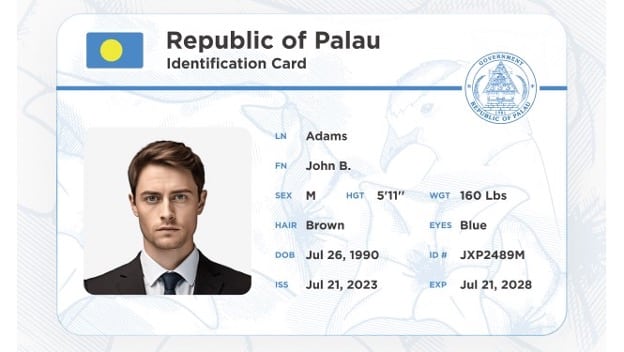
With Palau’s main draw being tourism, the Covid pandemic and resulting massive decrease in travel highlighted the importance of having other streams of revenue. Thus, the concept of the digital residency was born.
Using Estonia’s e-residency program as inspiration, Palau sought to create its own program to attract global citizens, which they officially launched in January 2022 via the RNS.id platform.
Options available
There are three Palau Digital Residency options available at different price points and durations:
- 1 year for $248
- 5 years for $1039
- 10 years for $2039
Current program benefits
The current main benefits of the program are:
- You can apply online and receive your digital and physical ID card within only a few weeks, all without ever visiting the country.
- Tax-free income for digital nomads.
- Visa extensions of up to 180 days, enabling you to stay in Palau longer.
- ID is backed by the Palau government, and can be used anywhere identity verification is required (or, so they claim).
Future program benefits
And here are some future benefits Palau is working towards offering:
- Palau mailing address
- Palau phone number
- Utilities
- 0% tax for digital corporations
- Digital banking
Why are crypto investors so excited?

In 2023, both the Canadian and American governments imposed more regulations onto crypto platforms, causing many of these platforms to completely ban citizens of those countries. I actually wrote about this at the time, as it affected me in real time when I first attempted to invest in crypto In May 2023. I had successfully transferred my funds to the crypto platform, only for them to immediately tell me the same day they could no longer work with Canadians.
This was all in response to the whole FTX debacle and served as a convenient way for these governments to prove how risky crypto is. (It definitely has nothing to do with them feeling like their absolute control is under threat.) Once again, they swoop in to save us from ourselves. Hurray!
While there are still some platforms that enable people from Canada and the U.S. to trade crypto, the options have become more limited.
But this is where the Palau Digital Residency comes in, and why it has gotten crypto investors so excited. Because the Palau ID is a quick and affordable option they can potentially use for identity verification on these crypto platforms, instead of their Canadian or U.S. ID, thereby sidestepping these bans.
The identity verification process is called KYC, which stands for Know Your Customer, and it has become a real issue for crypto investors. But does the Palau ID actually work for this? And, if it’s pretty common knowledge that the vast majority of people using the Palau ID are using it for this purpose, wouldn’t that cause the platforms to ban the use of the Palau ID for KYC? Is it a threat to the program itself?
Does the Palau ID work for KYC?

How successful this approach is seems to depend heavily on the platform. It was highly publicized that the founder of crypto platform Binance was initially in support of the program, however he withdrew his support after doing his “due diligence”.
Applicants for the Palau Digital Residency are required to provide ID and undergo anti-money laundering checks, so certainly due diligence is being done within the program. Given that Binance is one of the platforms that does not have a license to operate in the U.S., I think there is a strong possibility they knew U.S. citizens, in particular, were using the Palau IDs as a work-around for these rules.
That being said, according to this same article, 90% of crypto platforms will accept the Palau ID for identity verification. Some of the platforms mentioned were Kraken, Crypto.com, Huobi, and, oddly enough, Binance itself.
A quick search of a few Reddit forums found mixed results with the Palau ID, with it working for some crypto investors but not for others. One of the Redditors mentioned that you needed to use a VPN alongside your Palau ID, otherwise the platform would be able to detect your physical location and catch you that way.
Differing opinions abound

As you browse the internet looking for information about the Palau Digital Residency and its usefulness in the crypto space, you are going to come across people that love it and think it’s amazing, and people that think it’s a total scam. Here are a few of the resources I looked at that I haven’t yet cited in this article, that you may find helpful in your research to see if the Palau Digital Residency might be a fit for you.
- Can a Second Passport Help You Dodge the U.S. Crypto Crackdown?
- Digital Residency in Palau: A Comprehensive Guide with Jay Anson
- ‘Trojan horse’: Palau’s bid to become global crypto hub could turn it into scammers paradise, critics warn
- E-Residency of Estonia vs. Palau Digital Residency
- Reddit thread
- Another Reddit thread
My thoughts

As with everything, you should do your own research to see if the Palau Digital Residency might be a good alternative for you. If you are looking at using it as a workaround for KYC on crypto platforms, I would use caution. It looks like it can work for this purpose, but if these IDs are on the SEC’s radar and they choose to crack down on the platforms allowing them, you could find yourself unable to access your account or with your funds frozen.
If you plan on taking a chance on it, perhaps just go for the 1-year digital residency option first, and make sure you test it on a crypto platform with a small amount of funds. That way, if things go sideways, you won’t have exposed yourself too badly.
There’s always a certain amount of risk when we are investigating new investment strategies, just make sure it is an amount of risk you are comfortable with and can afford to lose if things don’t work out.
Conclusion

And that’s about it for this piece on the Palau Digital Residency. Would you ever try it out? I have to say, I find the concept very intriguing, but I’m not sure I’m willing to take the risk to give it a go, at least right now.
As I wrote this article, I got to wondering if this and the Estonia E-Residency are potentially the early adopters in a trend towards these sorts of digital residencies, sort of like what we saw with the adoption of digital nomad visas all over the world. It will be interesting to see what happens next in this realm, and I’ll definitely report back when we see some more developments occurring.
Wanting to stay on top of all the offshore trends? Looking for inspiration to build your Plan B? Then make sure you subscribe to Escape Artist Insiders magazine. Arriving right to your inbox every month, it is packed with great information and resources to help you on your offshore journey. Subscribe today for amazing value and insights from our offshore experts!
Thanks for reading and see you next week!
Lisa Richards