
Buying
Property in Brazil
Teresópolis
In The Serra dos Órgãos
by
James P. Kirby
|
|
.
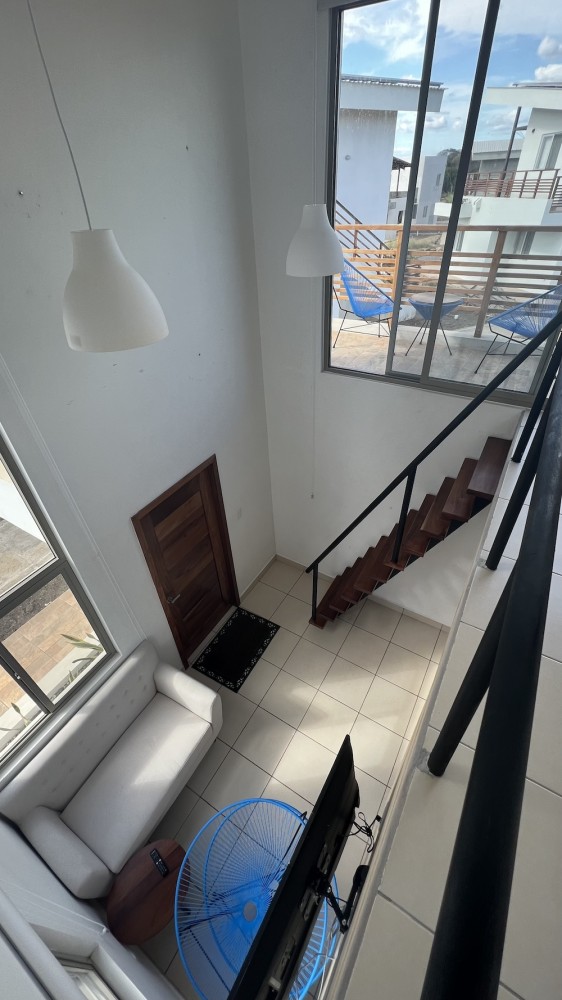
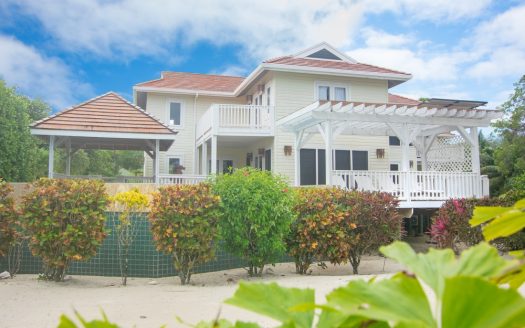
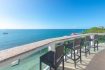
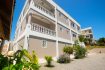
| Alameda Curupiras 689 as viewed
from my Santa Edwiges across the street. Jajá, Kathy and Luán
live above. Dani, Chri, Diogo and José live in the middle. Hermann
lives below. Fierce Frieda, the dog, guards the family estate. |
|
|
|
|
Hello,
Hello Brazil!
I have just
returned from Teresópolis, where I bought a 0.7 acre piece of property
named by the previous owner after Santa Edwiges, the patron saint of debt
and bankruptcy. Auspicious indeed.
Teresópolis
(affectionately called "Teré" by the locals) is located at 3000-foot
altitude and surrounded by the mountainous national forest called Serra
dos Órgãos, some 60 miles north from the center of Rio de
Janeiro, the fun and uniquely spectacular city of 11 million people on
the Tropic of Capricorn (23.5 degrees South Latitude). The pace of Teré,
a city of under 100,000, is very relaxed compared with that of Rio; there
are fine restaurants, orchid and trout farms and numerous opportunities
to swim, mountain-climb and hike among the tall granite peaks, waterfalls,
pools and rainforests. The climate is cool but humid, characterized by
mountain sun, breezes and occasional rain and morning fog. The sun rises
around 5:30 am and sets around 5:30 pm, year-round. Summer highs are in
the low 80's, while Winter highs often hover around 50 degrees Fahrenheit.
The mountain nights are always cool and very quiet. Residences never have
window screens, and seldom have central heating or air conditioning. Remember,
the seasons are reversed down there, but Spring still follows Winter! |
.
Santa Edwiges,
my new home, is located on a cobblestone street where one can view the
postcard-famous peak known as “Dedo do Deus” (Finger of God). The property
is defined by on three sides by a 200 meter-long 10-ft wall of rock and
concrete, and on the fourth side, where it borders the rainforest above,
by 50 meters of wire fencing overgrown with brambles and vines. It consists
of several dwellings (altogether with 5 bedrooms, 3 bathrooms and 2 kitchens)
and came mostly furnished. Inside the grounds are a 4-car parking lot,
swimming pool fed by a natural spring and a high-fenced concrete tennis/volleyball/soccer
court.
.
| The
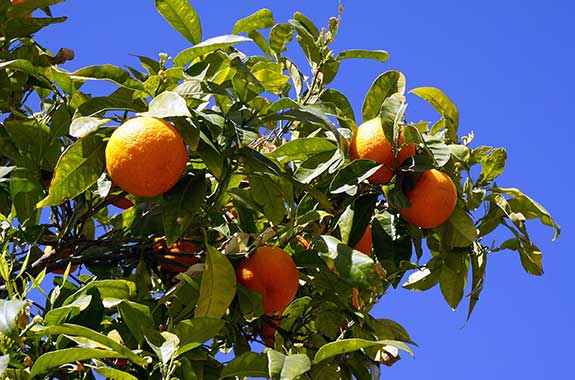
yard features numerous examples of more than 15 different fruit-bearing
trees, including varieties of caqui, goiaba, pitanga, orange, lime, banana,
avocado, jackfruit and mulberry. Sugar cane, alligator pear and sweet potato
are also available for harvest. The garden of about 1000 square feet is
planted with varieties of manioc, chicory, escarola, beet, carrot, onion,
cabbage, camomile, lettuce, salsa and medicinal herbs. Only apples, cranberries,
peaches, plums, pears and certain berries are hard to grow there, since
it never comes close to freezing. Bougainvillea, bromeliads, butterflies,
hummingbirds, frogs, lizards, spiders, snakes and ants abound. Neither
flies nor mosquitoes present a problem. Here in Central Taxes, we have
to water a lot but seldom mow; in Teré, they seldom have to water,
but do have to mow often and fight to keep down the invasion of the rainforest
and the leaf-cutter ants.
Santa Edwiges
is located right across the street from the property of a family of friends
who helped me immensely in my travails in acquiring the property – travails
that included importing over $30,000 in $100 bills, hiding them, changing
them, opening a bank account and acquiring the necessary documents including
power of attorney and a CPF (a tax number, like our social security number),
required to open a bank account and conduct most business in Brazil. |
|
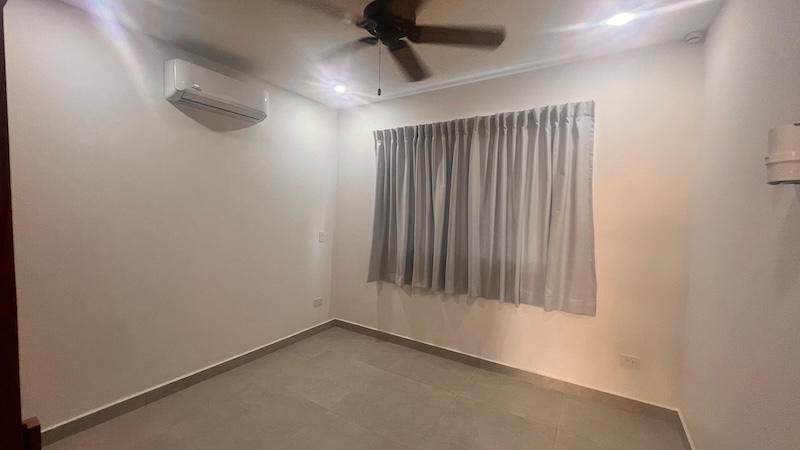
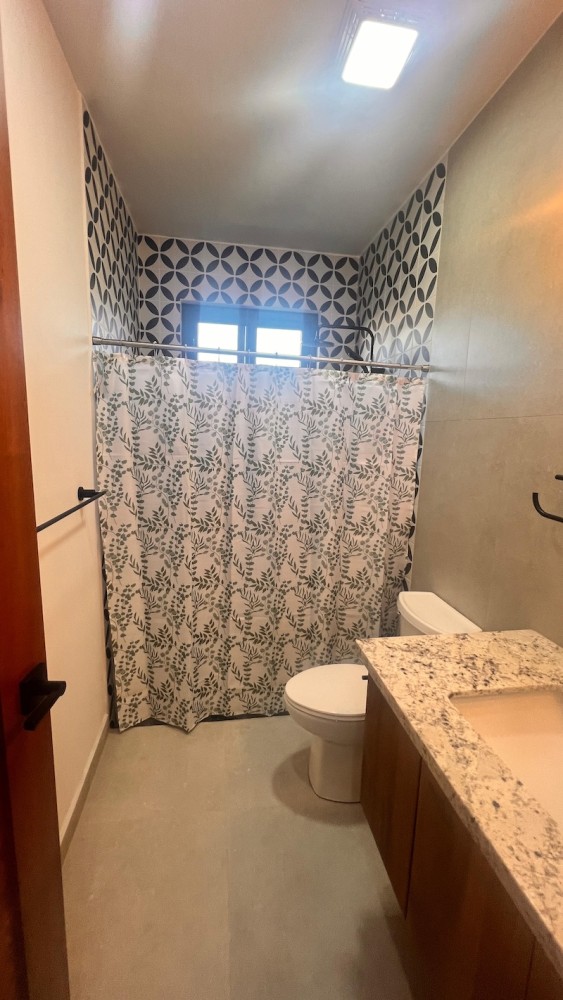
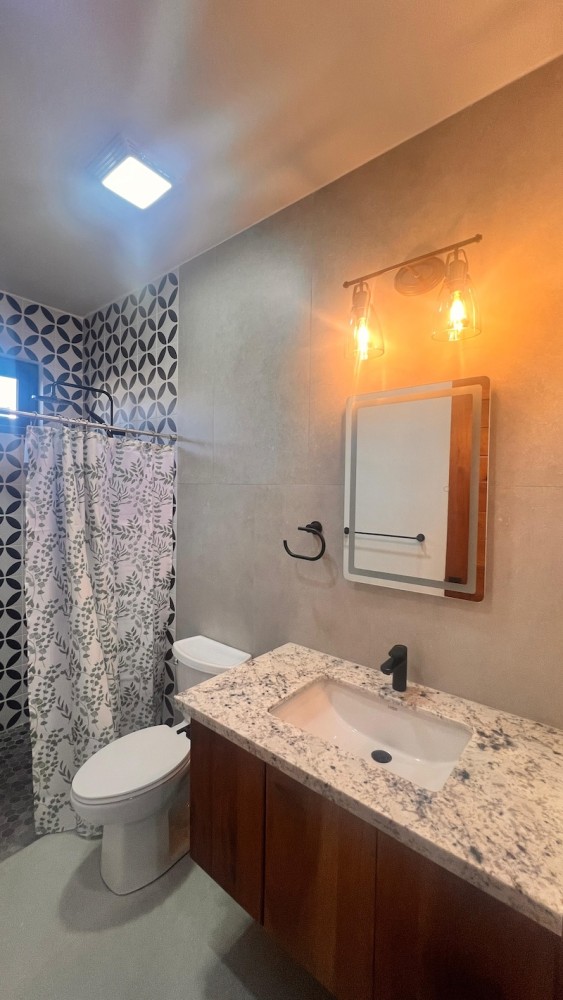
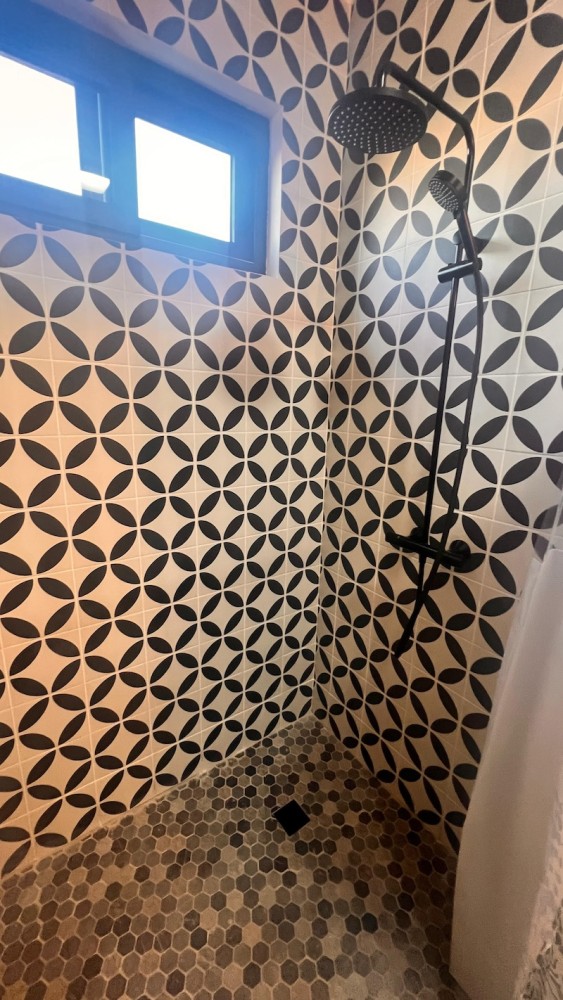
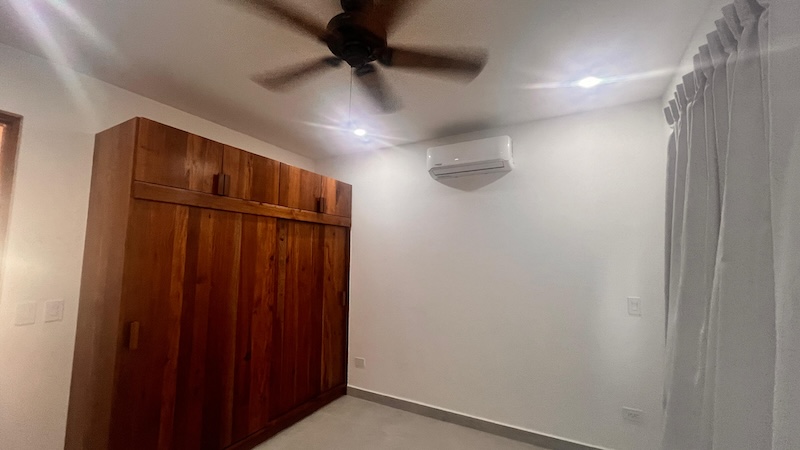
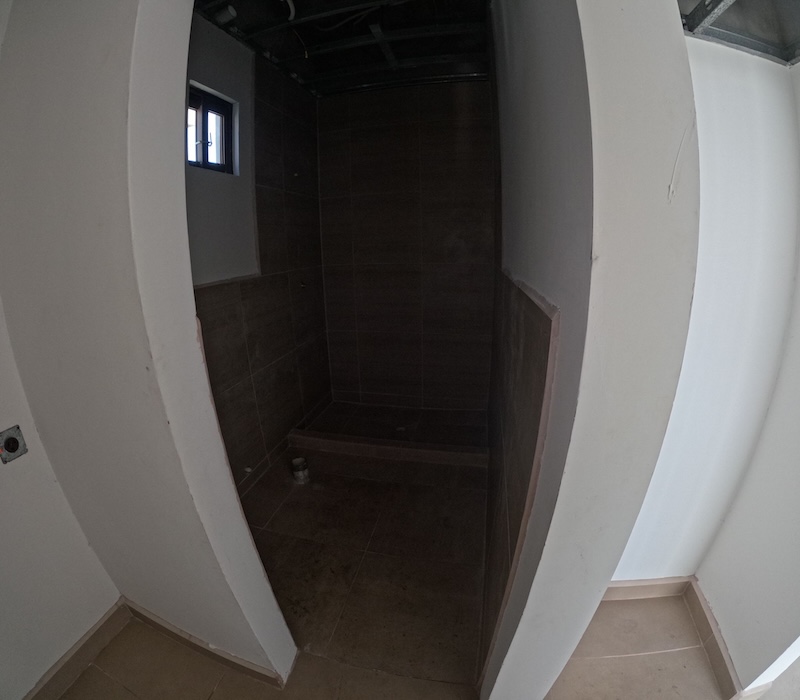
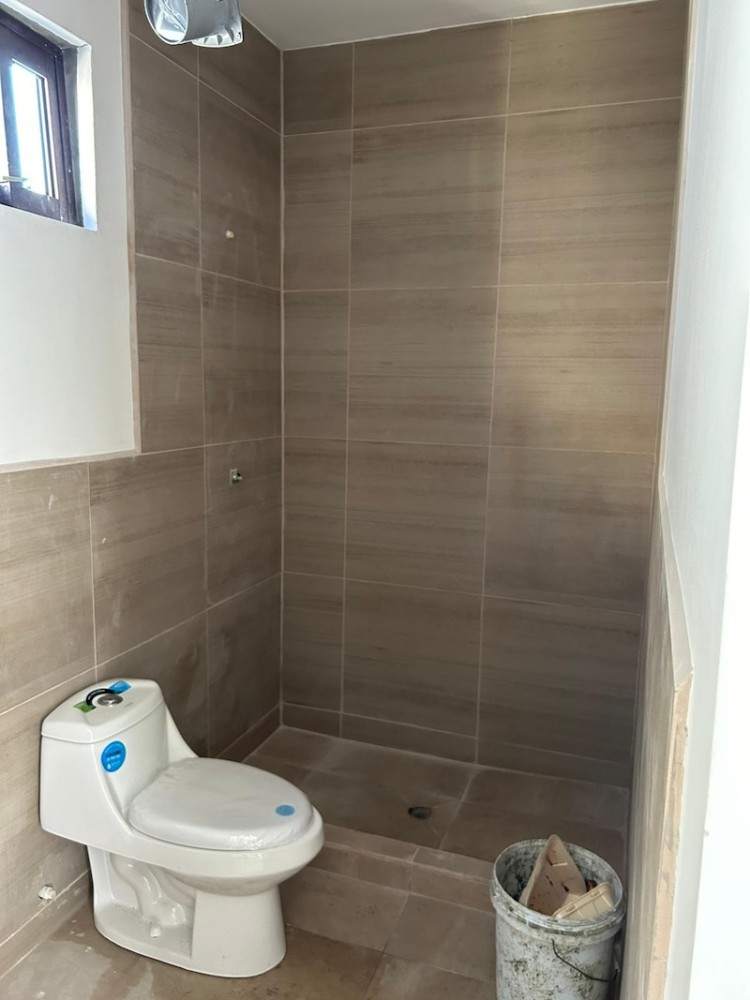
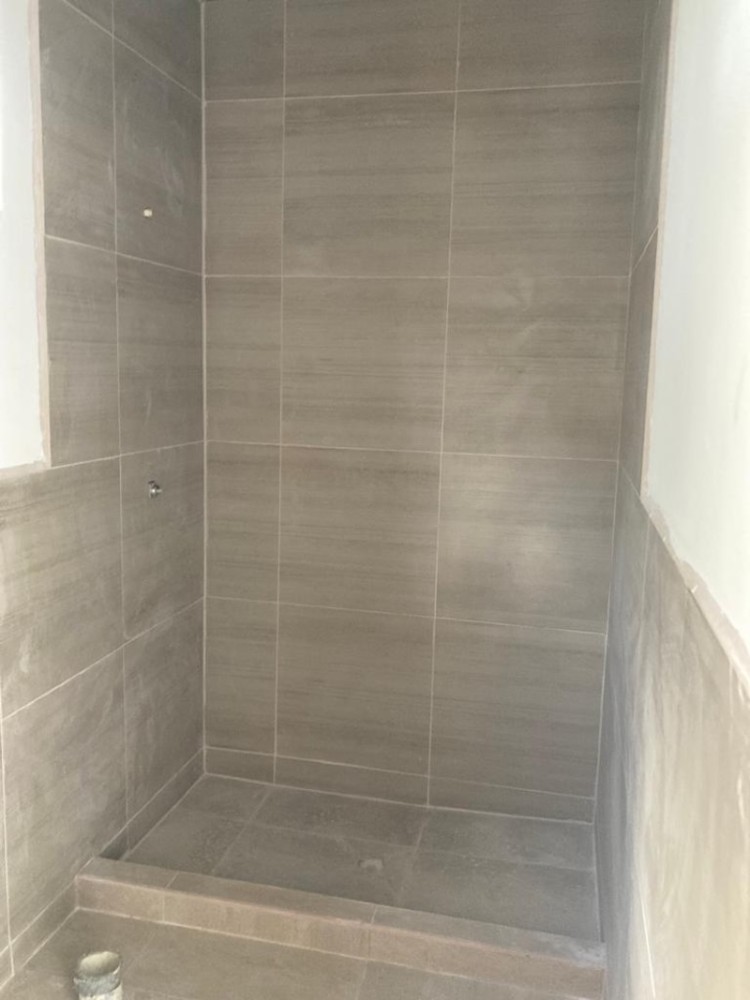
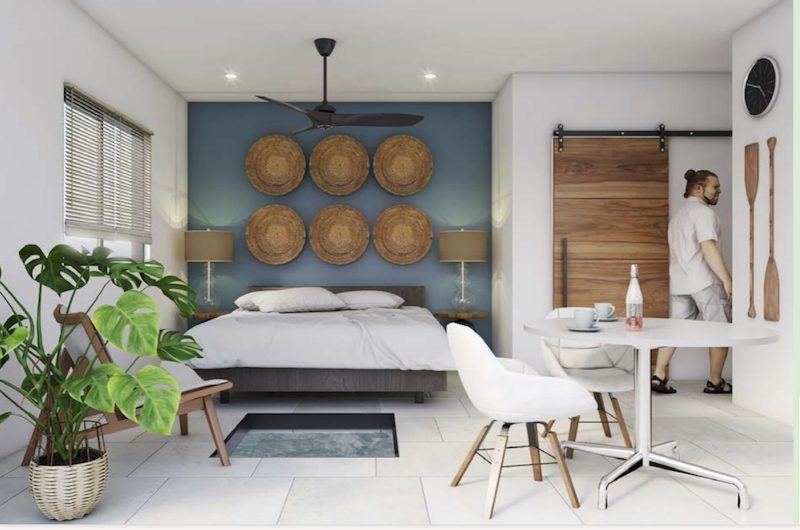
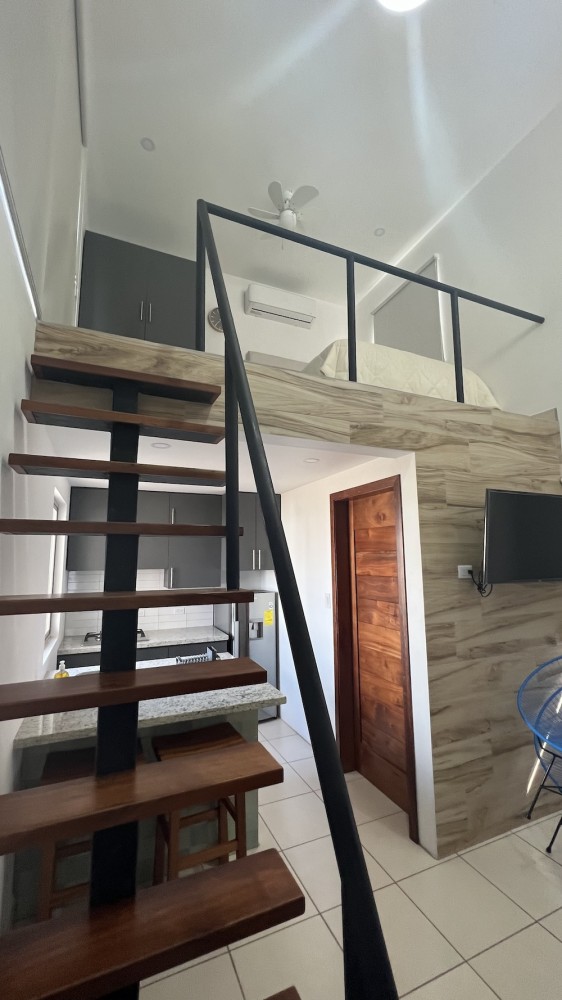
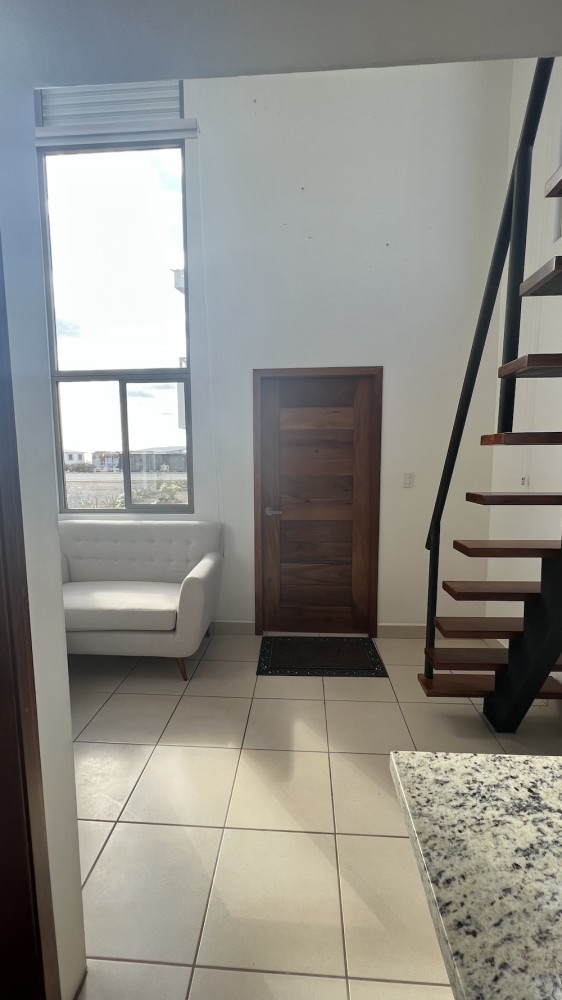
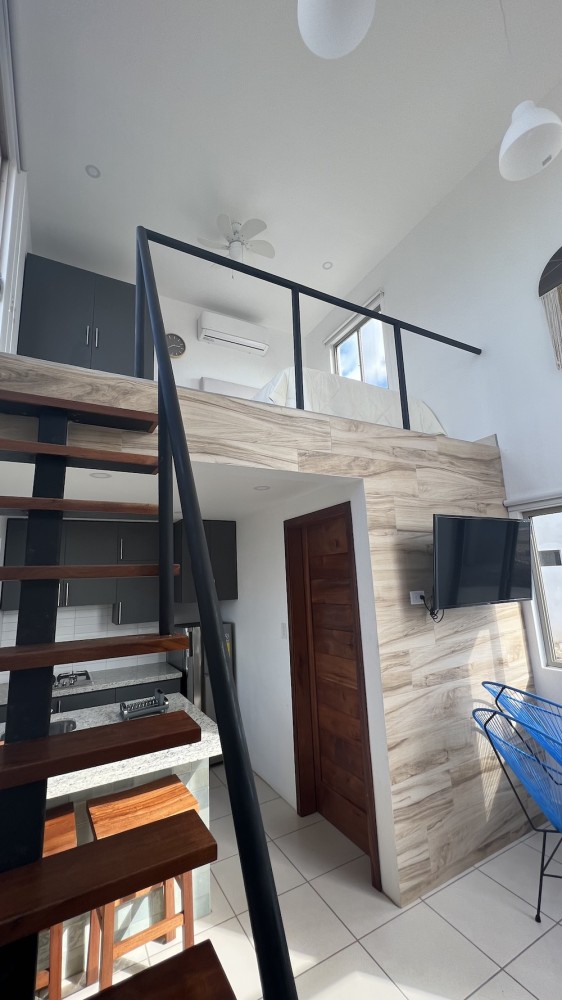
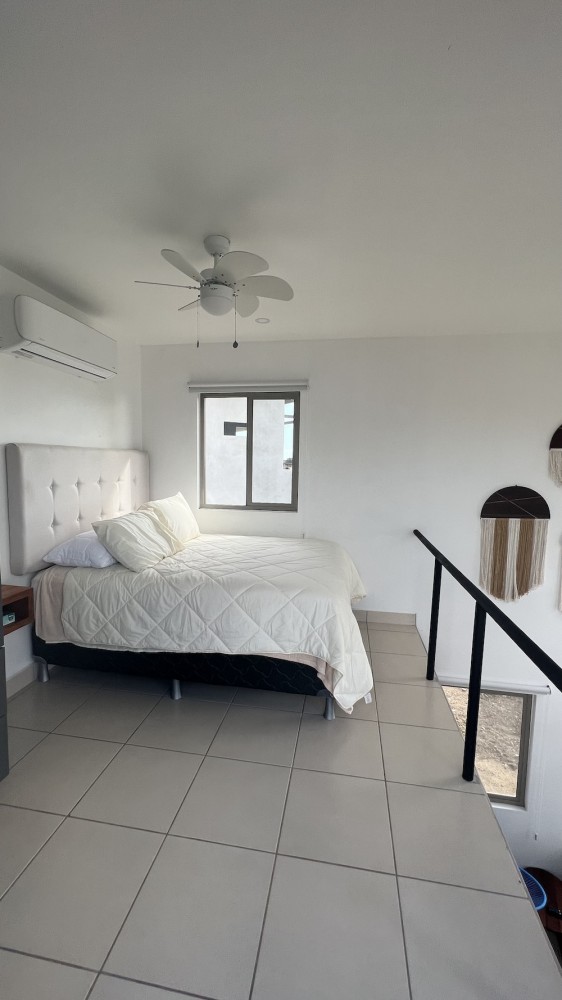
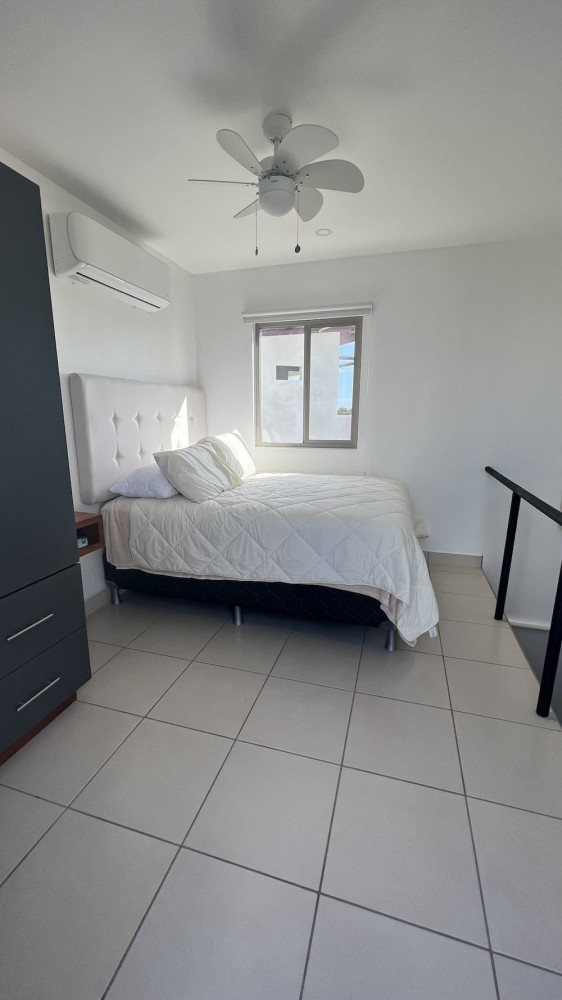
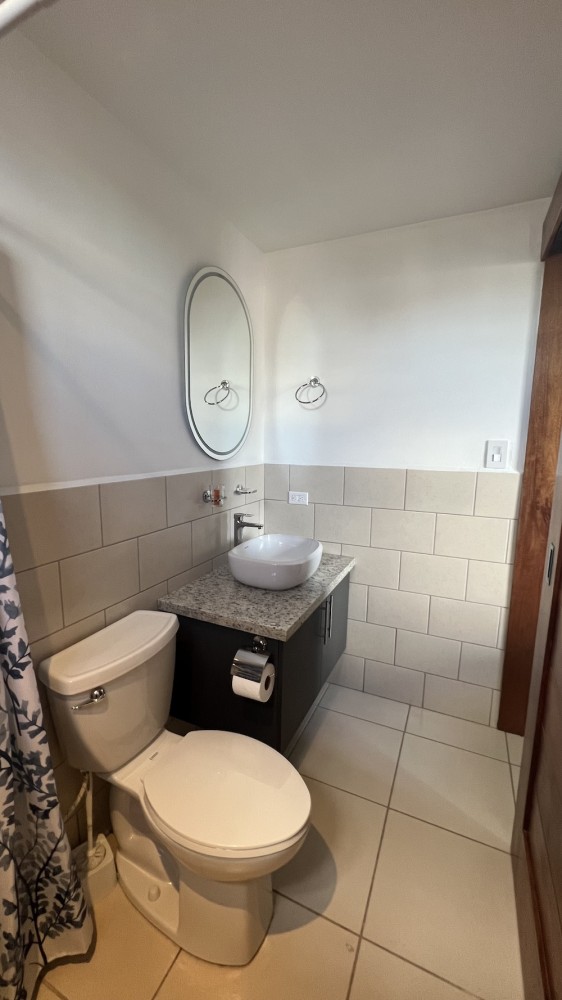
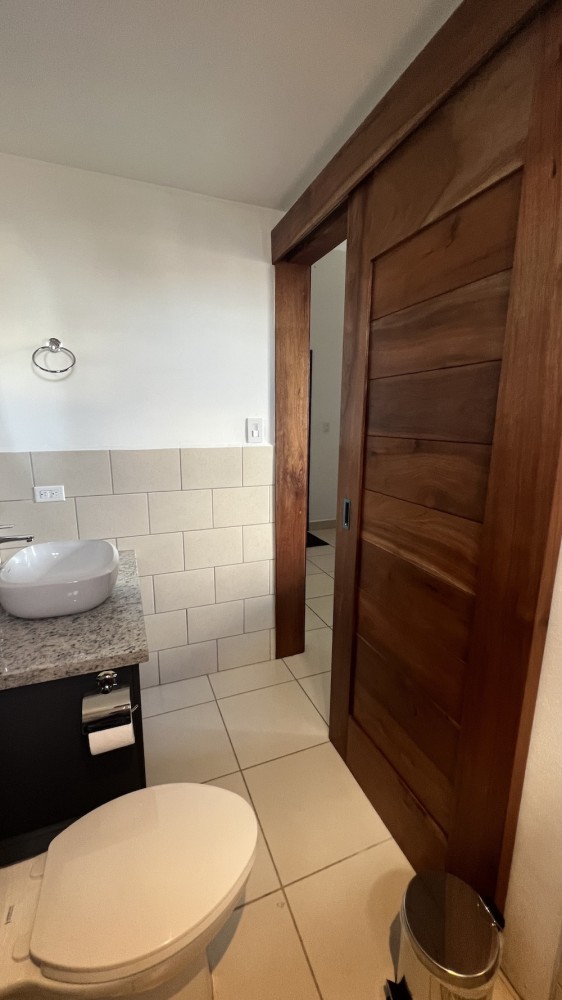
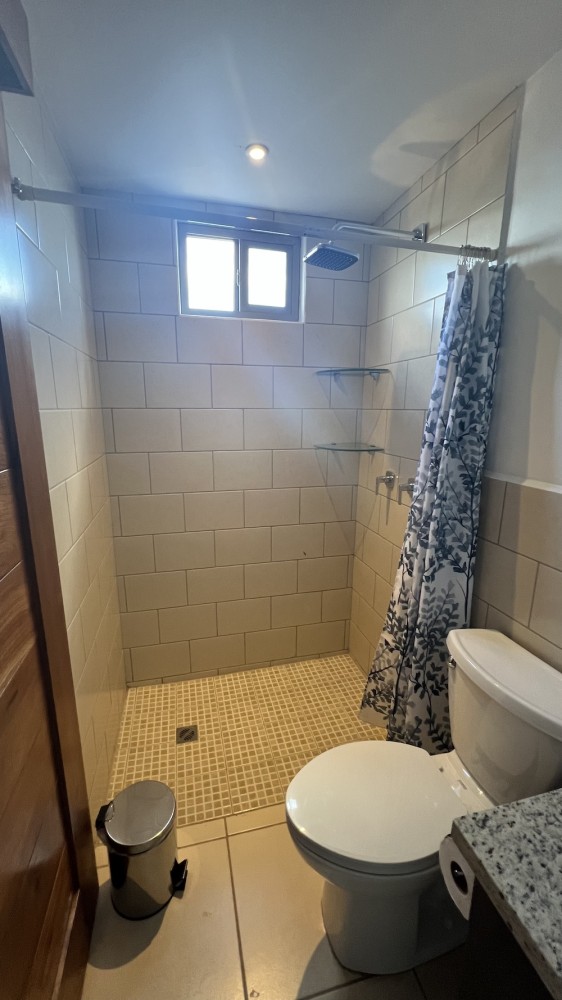
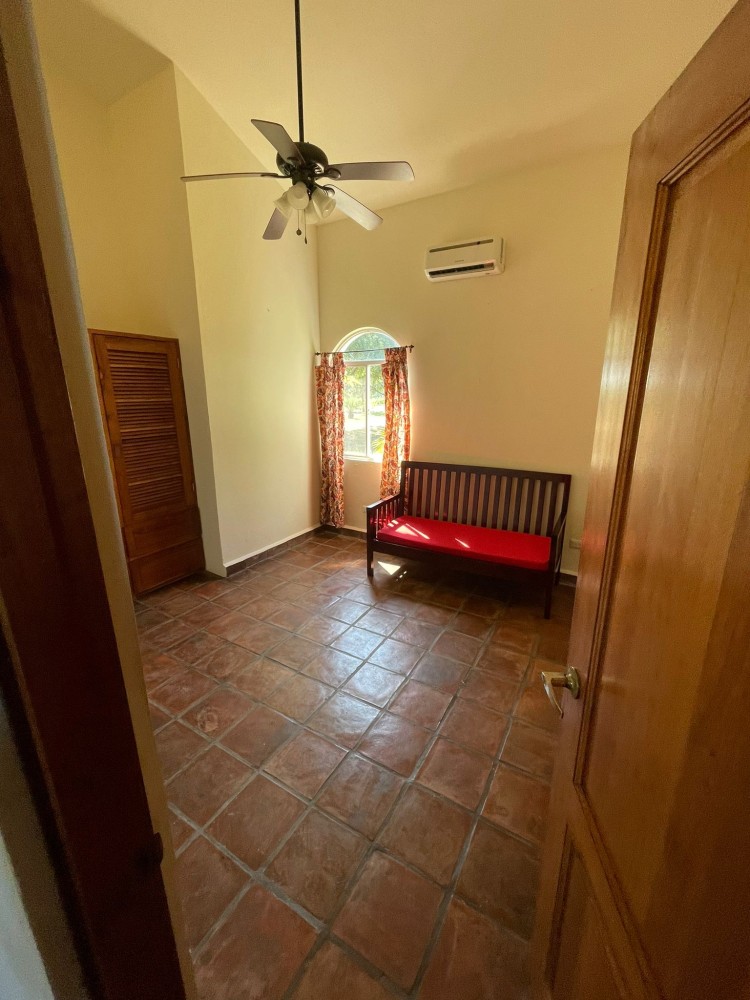
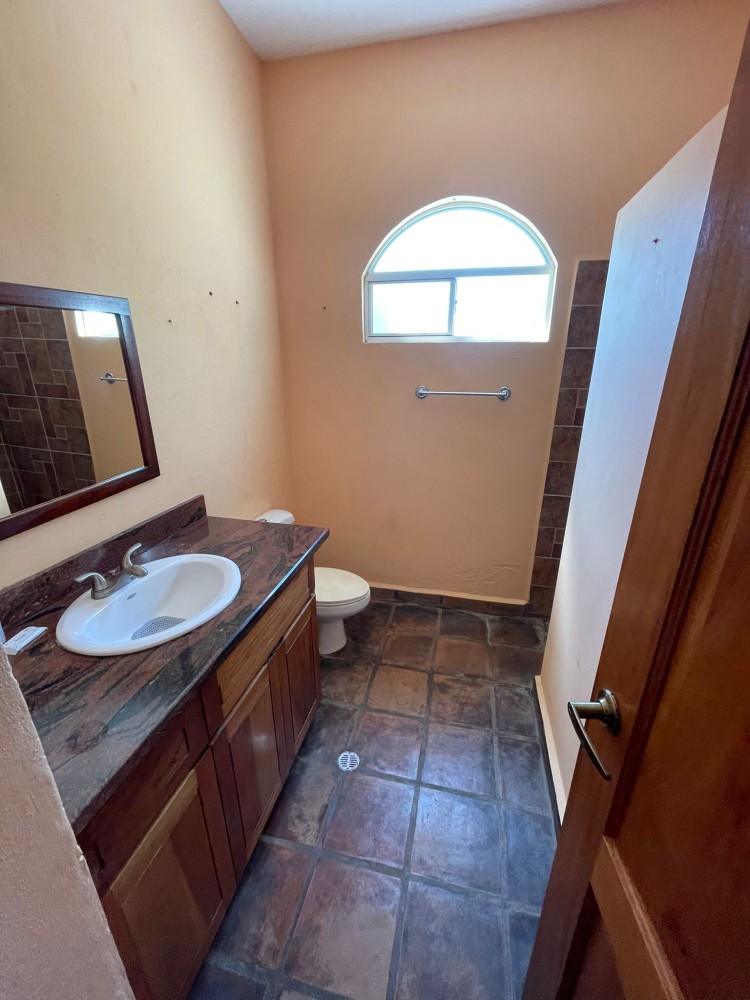
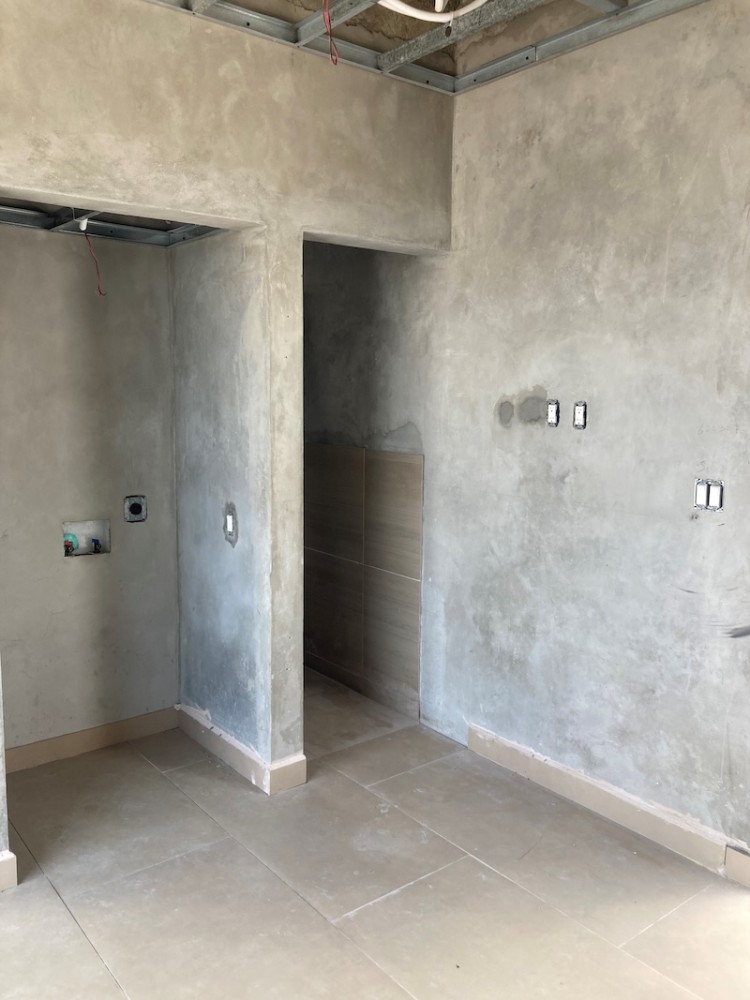
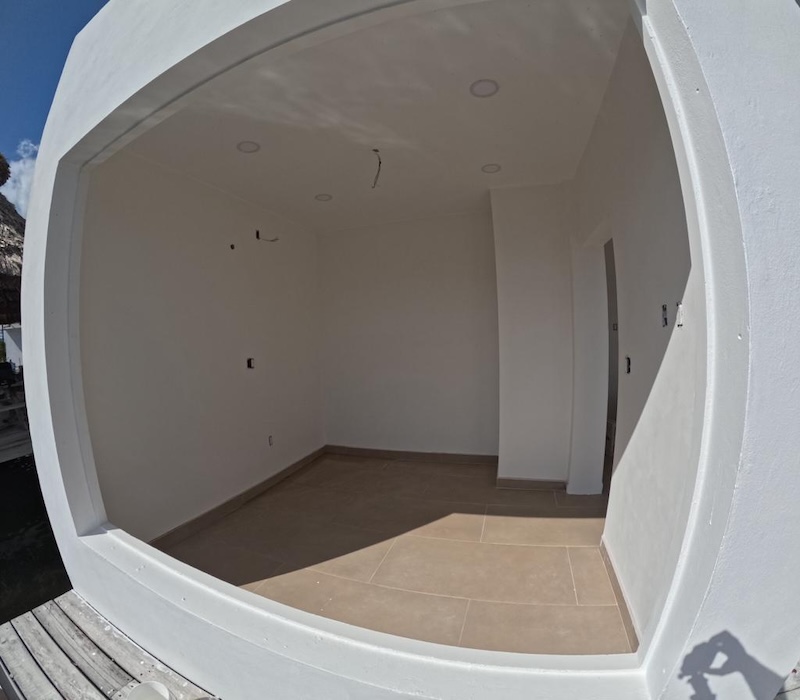
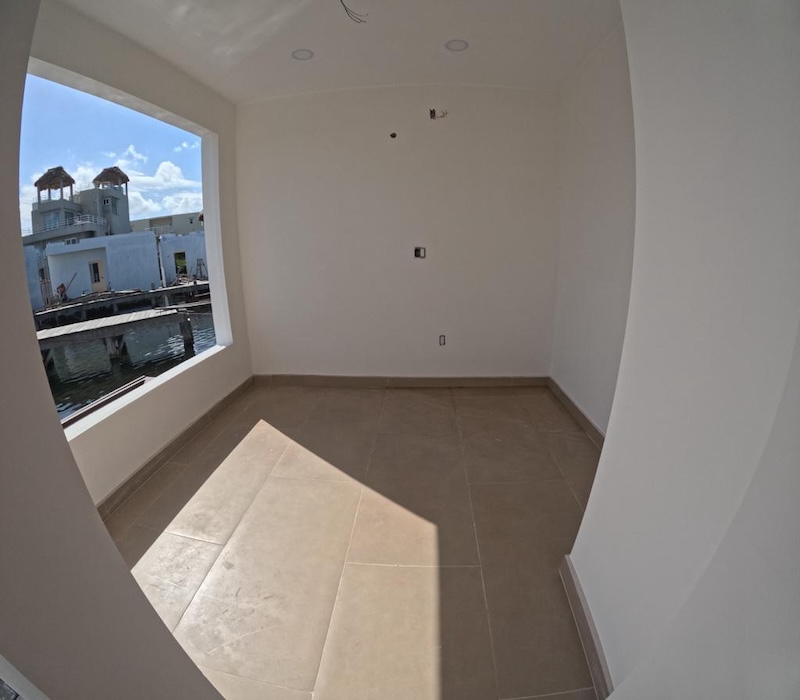
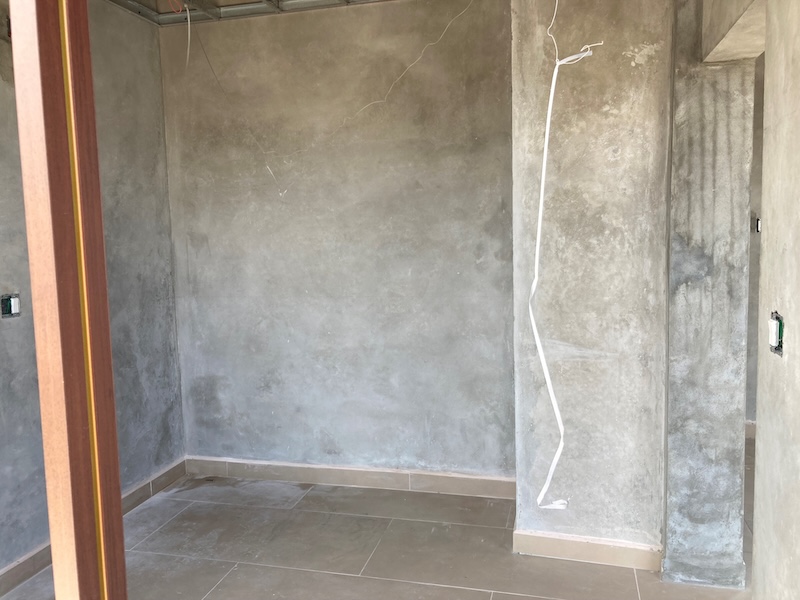
Guest Suite, double bed with
bath
|
|
|
|
|
.
These friends
are looking after the property with the help of the occasional groundskeeper
I inherited from the previous owner and of a neighbor-family, who will
reside at Santa Edwiges temporarily while their own home is being remodeled.
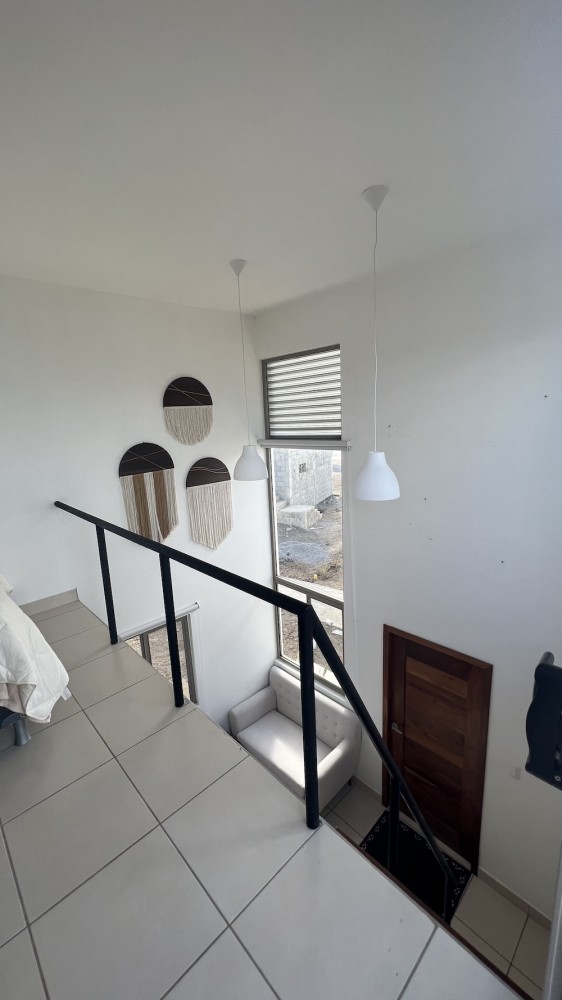
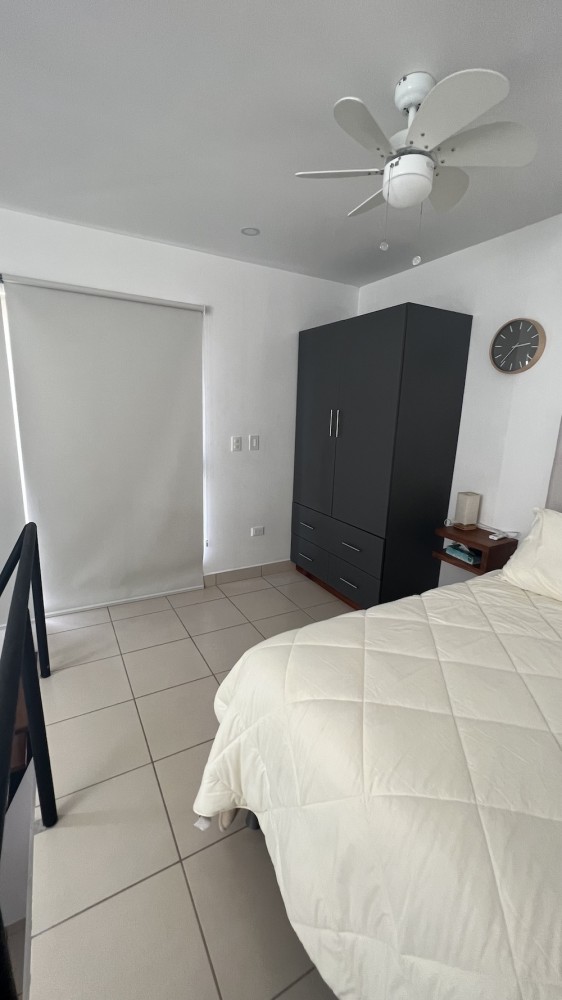
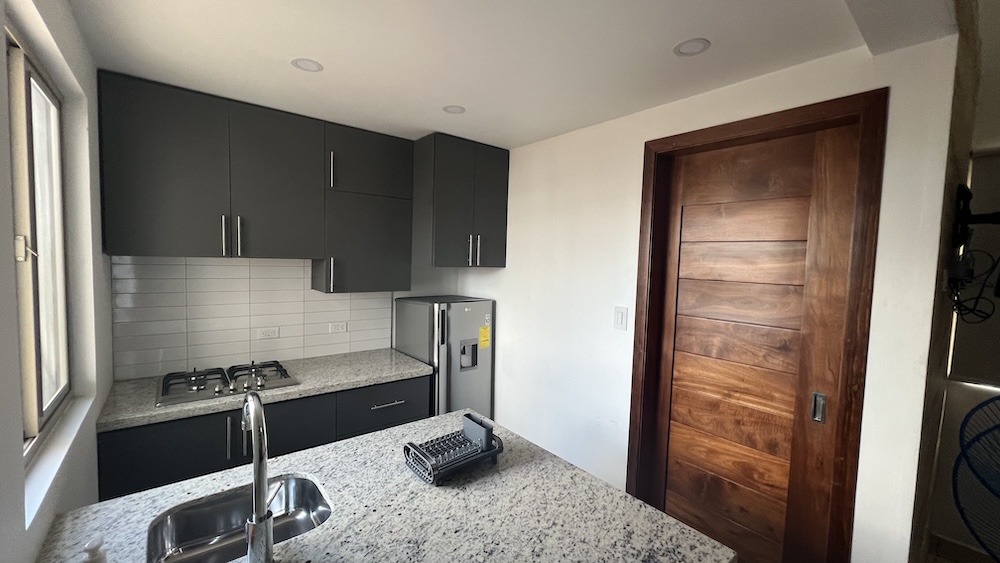
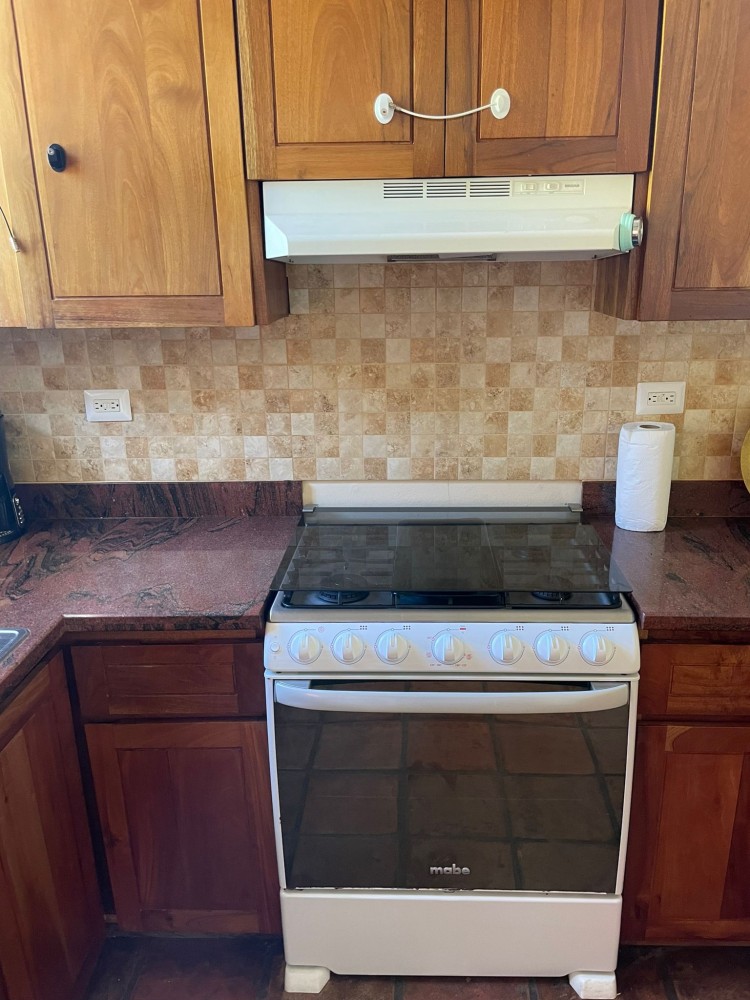
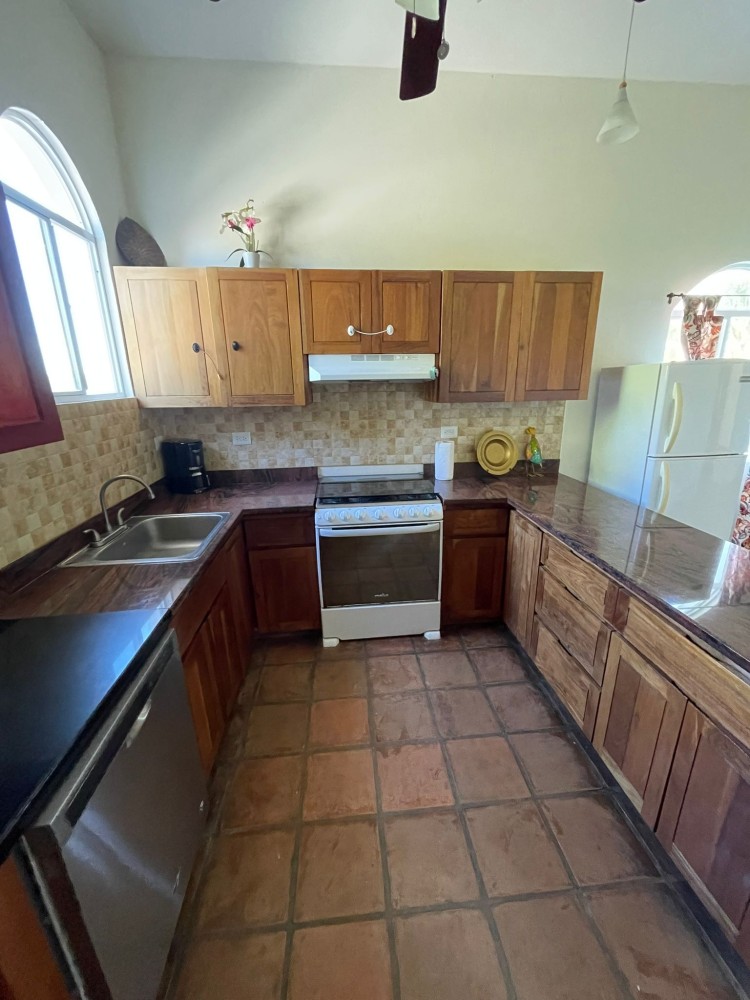
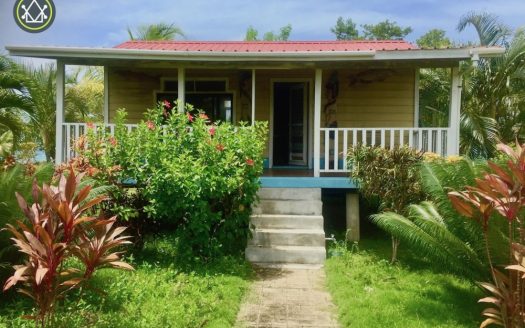
The main house
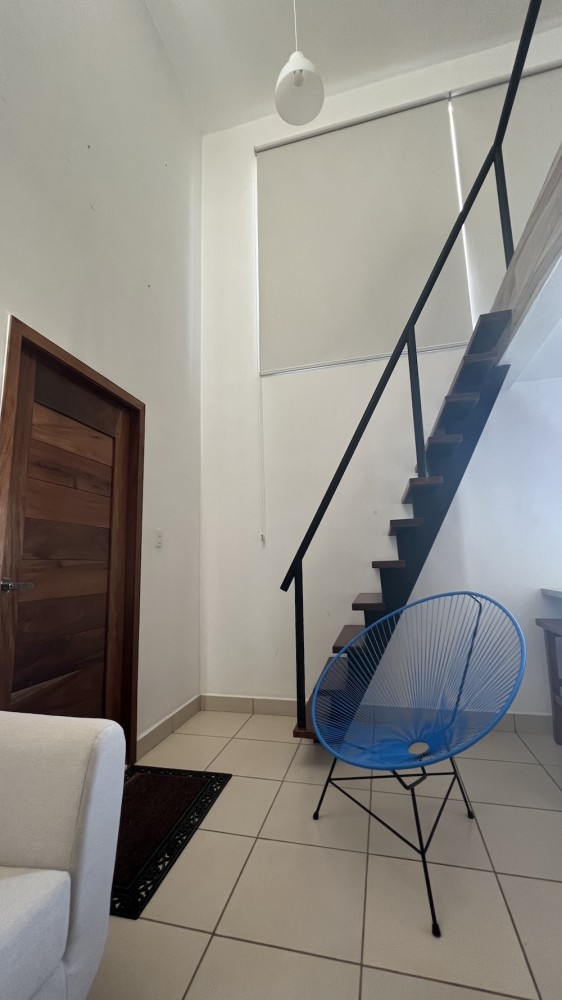
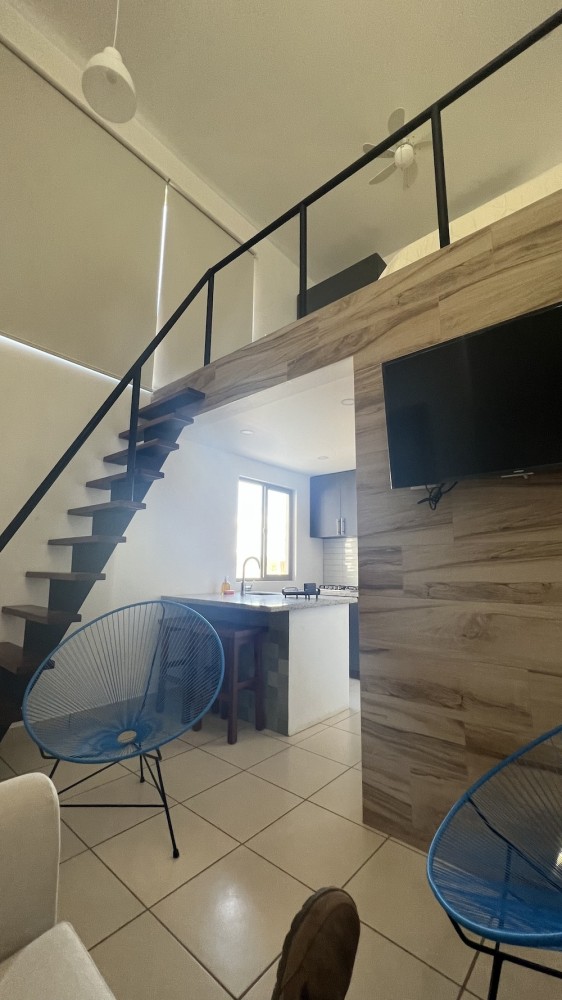
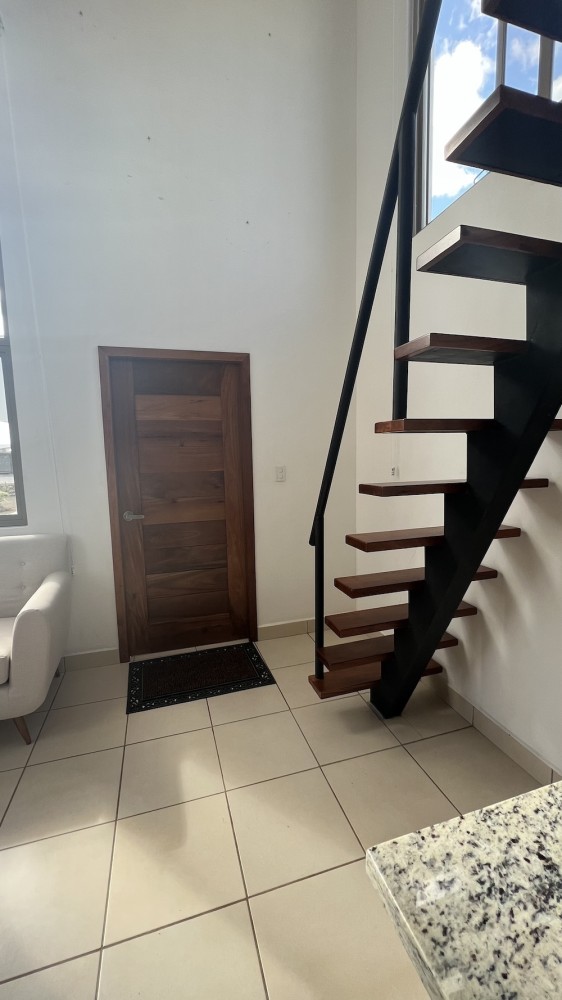
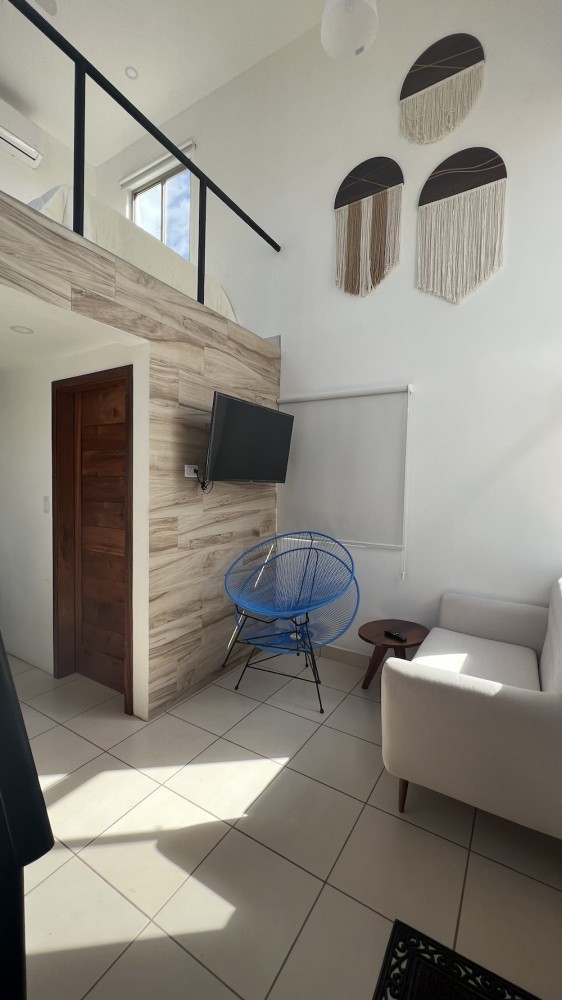
has living room, kitchen, 3 bedrooms and 1 bath, the custodian's house
has living room, bedroom, kitchen and bath, the guest suite has bedroom
and bath, and there are a party house, pump house with storage, parking
lot, swimming pool, soccer/tennis/volleyball court, cistern, septic system.
natural spring, city water, electricity, garbage collection, and TV antenna,
but no cable, satellite dish and no telephone, though satellite TV and
phone are available.
.
| Brazilians are open and friendly
like Texans, come in all political persuasions, religions and colors, and
generally manage to play as much as they work. Their music is world-class
and they will love your Portuguese, however spoken. |
|
|
|
|
In
the absence of friends and neighbors to watch over my property, I would
have to pay a live-in custodian and my monthly expenses would run:
Property Tax
= R$35
Water/Sewage
= R$8 (back up to artesian spring)
Electricity
= R$50 (about 10 cents/kWh)
Telephone
= R$25 (fixed line, pay-per-call)
Private satellite
TV = R$80 (private for CNN, BBC, DW, Discovery, Natl Geog)
Custodian
= R$90 (half-minimum wage) and housing for his family
--------
TOTAL
= R$288
This does not
include the expense of maintaining the swimming pool, for which I could
buy the chemicals and depend on the custodian to apply, or pay an outside
service a very expensive R$50 or so per month. I am looking into installing
chlorinator, ozonator and a cleaning robot. |
.
Passport
and Visa
As a tourist,
you need a passport not expiring within 6 months to visit Brazil. Before
leaving the USSA, you can get a 5-year multiple-entry visa that allows
stays of up to 6 months, but with some hassles. For example, either you
will have to pay to have an expediter get a visa on your behalf, or you
will have to travel to one of the few major cities that have a Brazilian
Consulate, like Houston, to submit your application, only to have to return
in a day or two to pick it up. Residents of some states can get a visa
by mail. However, if you enter Brazil overland from, say, Paraguay, you
can get a 3 month visa (renewable later for another 3 months) at the border
with no hassles. I did this there, and for years at the Venezuela-Brazil
border as well, until 1991, when Brazil chose to retaliate, tit-for-tat,
against the restrictive USSA visa policies for Brazilian tourists. The
fresh new rule then was: you had to have got your visa before leaving the
USSA. Two of us barely squeaked into Brazil at that time, with help from
the Amerikan Consulate, which denied responsibility for the border problem.
Tourists who showed up after us at Santa Elena, Venezuela without a visa
were turned back, and presumably had to return to Miami, apply for a visa,
then return (or sit tight at the border crossing without a passport while
it was in the mail to and from a paid expediter in Miami). Restrictions
on tourism may soon get worse, now that the USSA elephant is again stomping
all over the world's bean patch.
CIVIL RIGHTS
DIRECTIVE: And now that Bush is defining foreign – and even Amerikan –
freedom fighters as "international terrorists" and holding them in detention
in Guantánamo – incommunicado in perpetuity – we Amerikan tourists
can expect similar treatment overseas – treatment that we Amerikans so
richly deserve, having (more or less!) elected Bush after having loosed
international war criminal Henry Kissinger on South and Central America
for two decades! Take care whenever traveling anywhere as a Amerikan!
There are other
types of visa available, including those for preachers, missionaries, teachers,
businessmen, artists, valued professionals, retirees and refugees. Some
of us may soon need the one for refugees. Check out the online resources.
Here are some unadvertised specials:
.
| 1.
Folks wishing to hire a me for work in Brazil have given assurances that
Rio de Janeiro, population 11m, and São Paulo, population 17m, being
supremely powerful city-states not unlike Athens and Sparta of antiquity,
will give you a visa, work permit or residence permit if they damn well
feel like it, Brasilia rules notwithstanding. The locals remind me that
the first rule of Brazil is: there are no rules. Smooth talk, as well as
personal, family, business relationships and, all else failing, paid politicians,
count for everything. This is the basis of "jetinho," which you will get
to know and love. It is common for Amerikan and Canadian English teachers
employed (black-market) in Brazil to do the twice-yearly samba to Paraguay,
where they renew their visas, effectively, for another 6 months. The bad
news, for Amerikans at least, is that the Brazil-Paraguay border is now
a well known staging ground for international freedom fighters (whom Bush
refers to as “terrorists”). We Amerikan tourists will again need to resort
to sewing a Maple Leaf flag onto our backpacks – sweet memories of the
Vietnam era. The good news is that – rumor has it – there is no world document
that cannot be bought for a few bucks in Paraguay, including USSA passports
with visa stamps, a University of Chicago PhD, California food stamps,
757 pilot's license, etc. Thank Darwin for the worldwide free market! |
| Custodian's house and the master
house, with the 1000 sq-ft garden in the foreground and neighbors' homes
in the background. You can bring in at least 3 crops per year here if you
manage to drive off the leafcutter ants. |
|
|
|
|
.
2.
I was assured by my neighbor and resident lawyer in Teré that a
person in my situation, once a landowner, would have no trouble gaining
residency in Brazil. The one problem would be that any friends, including
my girlfriend, wouldn't gain any legal rights just by celebrating a supremely
fulfilling life cohabiting with the me, the landowner. The quick solution,
he says, is to employ one or more of them as personal secretary, private
nurse, bodyguard, etc. Then they also gain residency rights, as long as
they are personal "employees" and not part of the Brazilian economy.
3. Tried
and true immigration techniques include: marry a Brazilian or pop out a
kid on Brazilian soil, rob a British train for $60m and fight extradition
from Rio, start a religion and be the Priestly Deceiver. Find your roots
in Portugal, Paraguay, Argentina, Chile, Bolivia or Uruguay – countries
whose citizens enjoy special immigration status by treaty (e.g. Mercosur).
Getting
There
A consolidator’s
airline ticket from the USSA costs about $680 RT, less from NY, Miami,
Atlanta and Chicago. Bus fare to Teré from the Rio airport is about
$4 (+ taxis = $10) one way or $40 by taxi all the way from the airport
to Teré for up to 4 persons with baggage.
Much
More On Buying Real Estate In Brazil - Click Here To Go To Page Two
-
.
.
.
. |